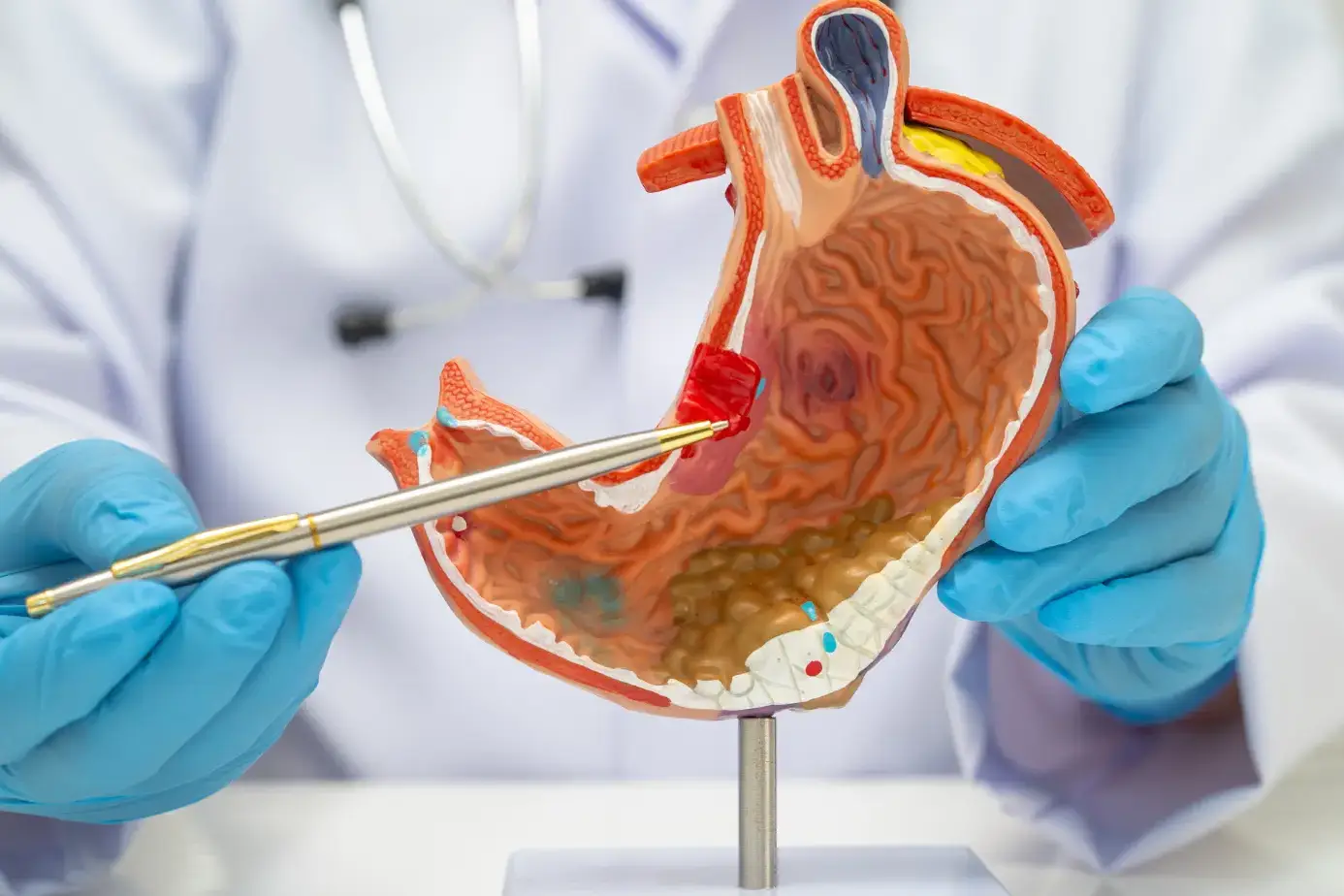
Acid reflux can cause heart palpitations. You may feel a sudden flutter or racing after eating. Often this comes from reflux (stomach acid moving up the food pipe). Reflux can trigger nerves and pressure that make you notice your heartbeat. Most of the time, this is not a dangerous heart rhythm problem. It is still wise to check with a clinician if palpitations are new, strong, or come with fainting, heavy chest pain, or breathing trouble.
Can Acid Reflux Cause Heart Palpitations?
Yes, reflux can make you feel palpitations. Acid in the esophagus (the food pipe) can irritate nerves that connect to the heart. This causes a reflex reaction that can speed up your heart or make it jump. That reflex explains why acid reflux can cause heart palpitations for many people after big meals or alcohol. Still, true heart disease must be ruled out by tests.
Can GERD Trigger Or Worsen Palpitations
GERD (chronic reflux) can raise the chance of palpitations in two ways. First, repeated irritation upsets the nerve signals. Second, inflammation and pressure in the belly change how you sense your heartbeat. If you already have an arrhythmia (irregular heart rhythm), GERD may make it worse. Ask your doctor about both digestive and heart checks.
Acid Reflux Stimulates The Vagus Nerve
The vagus nerve links your gut and heart. When acid touches the esophagus, it can stimulate the vagus nerve. This may cause fast beats or skipped beats. Many patients describe sudden fluttering after spicy food or coffee. That link is a common reason acid reflux cause heart palpitations in otherwise healthy people.
What Are Heart Palpitations?
Common Sensations
Palpitations feel like fluttering, a skipped beat, strong pounding, or a fast race of beats. You may feel them in the chest or throat. They can last a few seconds or longer.
Causes
Heart palpitations come from many triggers. Stress, caffeine, nicotine, and some medicines are common. Digestive triggers like reflux, gas, or a hiatal hernia can also cause palpitations. When palpitations follow eating, think about reflux or food triggers.
How Palpitations Present In The Chest Or Throat
If you feel palpitations in the throat, silent reflux may be the cause. Silent reflux does not always give heartburn. It can still irritate the throat and cause fluttering. That explains why some people feel palpitations without classic reflux pain.
When Palpitations May Indicate A Cardiac Condition
Seek immediate care if palpitations come with fainting, severe chest pain, shortness of breath, or heavy sweating. Those signs may point to heart disease. Tests like ECG or a heart ultrasound will check your heart function.
Understanding Acid Reflux (GERD)
How Reflux Happens?
Reflux occurs when the lower esophageal sphincter (the valve at the stomach entrance) relaxes or weakens. Stomach acid rises into the esophagus. If this happens often, it is called GERD.
Common Triggers
Large meals, fatty food, chocolate, coffee, alcohol, and lying flat soon after eating make reflux worse. Carbonated drinks increase gas and pressure. These triggers also raise the chance that acid reflux can cause heart palpitations .
Key GERD Symptoms
Typical signs include burning behind the breastbone, sour taste, and chest pressure. Some people get a cough or throat clearing. Others have no chest pain at all but still feel heart palpitations.
Why Acid Reflux Pain Is Often Mistaken For Heart Pain
The esophagus sits close to the heart. Pain signals can overlap. Many people go to emergency care worried their chest pain is a heart attack, but tests show reflux instead. Still, checking the heart is important when pain is severe.
Gas And Bloating Pressure Near The Heart
When your stomach is full or gassy, it pushes up against the diaphragm. That added pressure changes how you sense your heartbeat. You notice small changes more after a big meal.
Anxiety From Reflux Episodes Elevates Heart Rate
Reflux can cause anxiety. Worry and panic raise your heart rate and make palpitations worse. Treating both reflux and anxiety helps break the cycle.
Palpitations Worsen When Lying Down After Eating
Lying flat allows acid to travel higher in the esophagus. It also raises abdominal pressure on the chest. For these reasons, palpitations often feel worse when you lie down soon after a meal.
The Vagus Nerve Connection
How The Vagus Nerve Links The Gut And Heart
The vagus nerve sends signals between your brain, heart, and gut. When the esophagus is irritated, that nerve carries a warning to the heart. Your heart can react with a fast or irregular beat.
Reflux Irritation And Vagus Nerve Overstimulation
If the esophagus is constantly irritated, the vagus nerve can get overstimulated. That overstimulation causes sensations of flutter or racing. It explains many non-dangerous palpitations after reflux events.
Reflex Tachycardia
Reflex tachycardia means the heart speeds up as a reaction. Acid irritation can cause this reflex. The feeling is sudden but often short lived.
Why Palpitations Don’t Always Mean Heart Disease
Many people with reflux have normal heart tests. That shows palpitations often come from the gut, not the heart. Still, you must rule out heart disease with appropriate testing.
Common Triggers Of Reflux-Related Palpitations

Eating Large Or Fast Meals
Large meals increase stomach pressure and reflux. Eat smaller portions to reduce symptoms.
Lying Down Soon After Eating
Stay upright for two to three hours after eating. This simple habit cuts reflux and palpitations.
Caffeine, Chocolate, Alcohol, And Carbonated Drinks
These items relax the stomach valve and stimulate the heart. They raise the chances of palpitations and reflux.
Stress, Anxiety, And Digestive Tension
Stress makes both reflux and palpitations worse. Simple breathing and short breaks help reduce both.
Nighttime Reflux Or Pressure While Sleeping
Night reflux often causes chest pain and palpitations. Elevate the head during sleep to lower reflux at night.
Certain Medications That Aggravate Both GERD And Heart Rate
Some medicines increase reflux or change heart rate. Review your medicines with a clinician if you have both problems.
GERD Vs Heart Disease: Knowing The Difference
Overlapping Symptoms
Both GERD and heart disease cause chest pressure. Timing and triggers help identify the cause. Testing gives certainty.
Reflux Palpitations Happen After Meals, Not Exercise
If palpitations follow eating, reflux is likely. If they happen with exercise, the heart is the likely source.
Warning Signs
Seek emergency help for fainting, heavy chest pain, or shortness of breath. Those are red flags for a heart problem.
Tests For Clarity
A heart ECG or an echocardiogram checks the heart. Endoscopy and pH monitoring check the esophagus. Both sides give the full picture.
Why Reflux And Cardiac Issues Can Coexist
Both conditions share risk factors like obesity and smoking. It is possible to have both. Treating one does not replace checking the other.
Managing Palpitations From Acid Reflux

Use these steps to reduce palpitations linked to reflux. They help most people.
- Eat smaller, slower meals.
- Avoid lying down for two to three hours after meals.
- Limit caffeine, chocolate, alcohol, and carbonated drinks.
- Elevate your head during sleep.
- Practice simple relaxation and slow breathing to calm the vagus nerve.
- Maintain a healthy weight to reduce abdominal pressure.
- Track food and stress triggers in a simple journal.
- Stay hydrated but avoid large drinks before bed.
These steps form the core of managing palpitations from acid reflux and help prevent repeat attacks.
Medical Treatment For Reflux-Induced Palpitations
Doctors may use antacids for quick relief and H2 blockers or proton pump inhibitors to reduce acid over time. Treating anxiety with therapy or medicines can also reduce palpitations. If tests show heart rhythm problems, your cardiologist will manage those directly. For persistent throat symptoms, pH monitoring and manometry can find hidden reflux. Discuss both digestive and heart care with your clinician.
Can GERD Trigger Palpitations Without Heartburn?
Yes. Silent reflux can cause throat irritation and chest flutter without heartburn. You may still have a normal ECG. Tests such as pH monitoring can find hidden reflux. This explains many cases where heart palpitations after acid reflux occur without classic heartburn.
Risks Of Ignoring Chronic Reflux
Untreated GERD can cause esophagitis (esophagus inflammation) or Barrett’s esophagus (precancerous change). It can disrupt sleep and raise anxiety. Long-term, mineral imbalance from vomiting or poor diet can affect the heart rhythm.
Prevention: How To Avoid Reflux-Linked Palpitations
Eat mindfully. Avoid overeating. Limit acidic and fatty foods. Sit upright while eating. Manage stress to calm digestion and heart rate. Schedule checkups for both heart and digestion if symptoms repeat.
Frequently Asked Questions
Why Do I Feel Heart Palpitations After Eating?
You feel palpitations because large meals raise stomach pressure and irritate the vagus nerve. Acid exposure can trigger reflex changes that make your heart race after food.
How Can I Tell If Palpitations Are From GERD Or My Heart?
If palpitations follow meals, reflux is likely. If they follow exertion, the heart is more likely. Medical tests such as ECG and pH monitoring give a clear answer.
What Foods Commonly Trigger Reflux And Palpitations?
Spicy food, chocolate, caffeine, alcohol, fatty meals, and carbonated drinks commonly trigger reflux and palpitations in sensitive people.
Can Treating GERD Reduce Palpitations?
Yes. Lowering acid and reducing esophageal irritation often reduces nerve triggers. Many patients notice fewer palpitations after reflux control with diet and medicines.
When Should I See A Doctor For Chest Flutters?
See a doctor if palpitations are new, last long, or come with fainting, heavy chest pain, or shortness of breath. These signs need urgent evaluation.
Can Anxiety Make Reflux-Related Palpitations Worse?
Yes. Anxiety raises heart rate and heightens reflux perception. Treating anxiety alongside reflux often reduces palpitations and improves sleep.
How Do PPIs Or Antacids Help With Palpitations?
PPIs and antacids lower stomach acid and soothe the esophagus. Less irritation reduces vagal stimulation and the reflex that can cause palpitations.
Are Reflux-Related Palpitations Dangerous?
Most are not dangerous. However, you must rule out heart disease when symptoms are severe or come with fainting, crushing chest pain, or breathing trouble.
Can Lifestyle Changes Stop Reflux-Induced Heart Flutter?
Yes. Simple habits like smaller meals, not lying down after eating, and cutting caffeine often stop reflux-induced flutter and improve your daily comfort.
About The Author

Medically reviewed by Dr. Nivedita Pandey, MD, DM (Gastroenterology)
Dr. Nivedita Pandey is a U.S.-trained gastroenterologist and hepatologist with extensive experience in diagnosing and treating liver diseases and gastrointestinal disorders. She specializes in liver enzyme abnormalities, fatty liver disease, hepatitis, cirrhosis, and digestive health.
All content is reviewed for medical accuracy and aligned with current clinical guidelines.