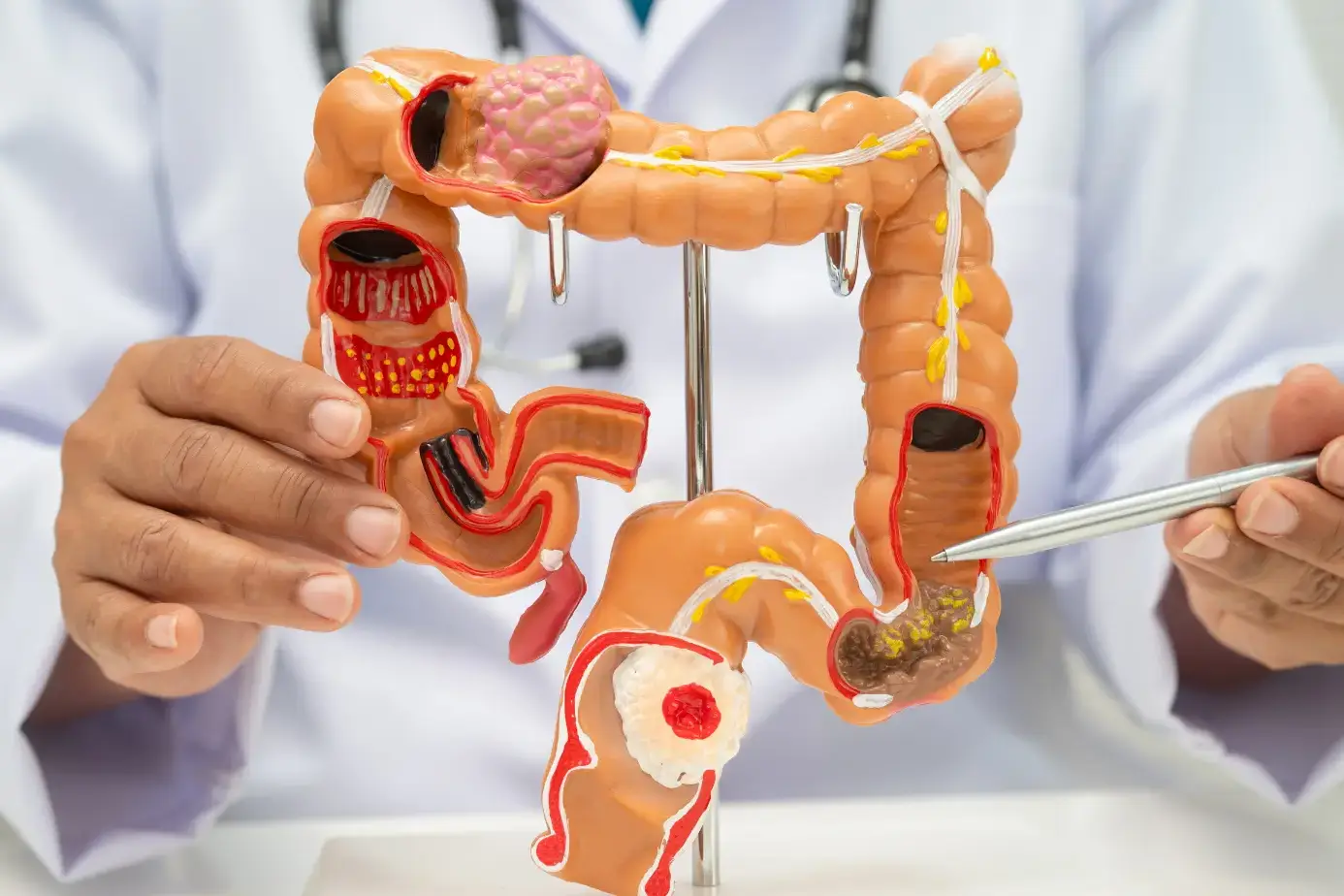
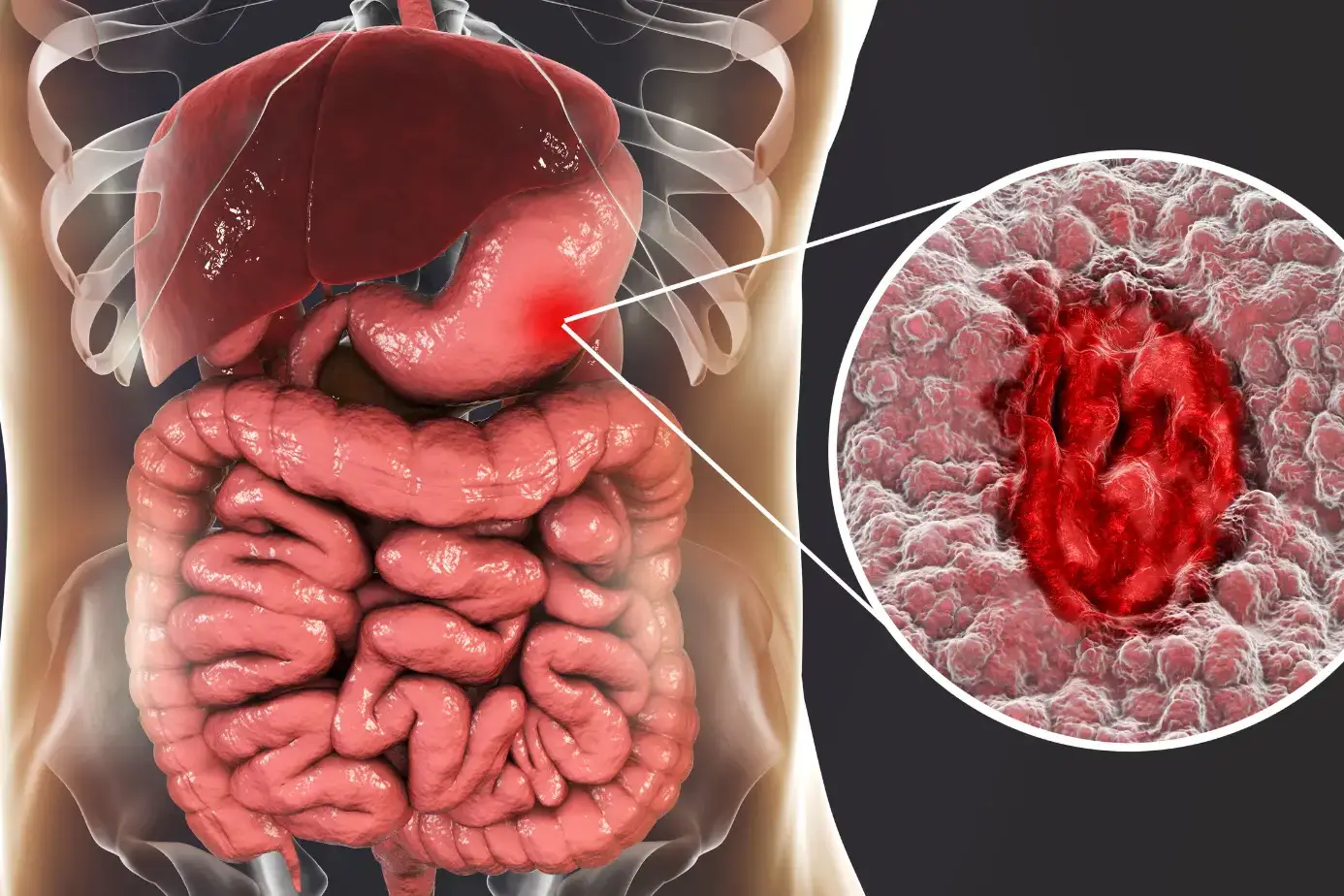
Late-night eating culture refers to the habitual pattern of consuming food after 9 PM, often driven by stress, screen exposure, disrupted meal timing, and social norms around late meals. In the U.S., roughly 60% of adults eat after 8 PM regularly, per a 2020 survey by the International Food Information Council.
Chronobiology research classifies this as circadian misalignment: eating during the body’s biological rest phase forces metabolic processes to run when they are designed to slow down.
Effects of Late-Night Eating Habits
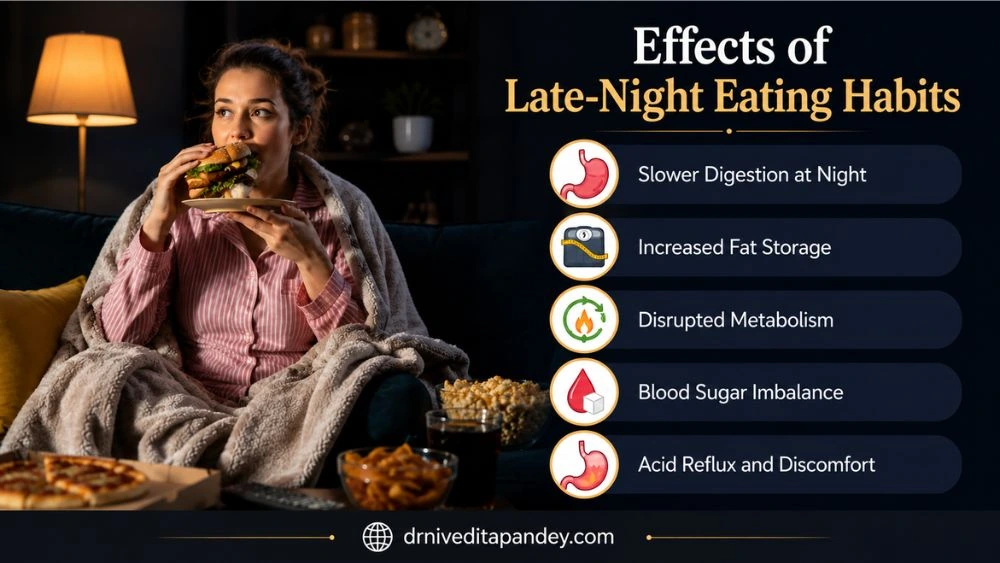
Effects of late-night eating habits go well beyond a few extra calories. The body operates on a 24-hour internal clock called the circadian rhythm, and nearly every metabolic process, including insulin release, fat storage, and digestion, follows this schedule. Eating when these systems are winding down for sleep forces them to run at reduced efficiency, and the physiological consequences are measurable.
Slower Digestion at Night
Gastric motility, the muscular movement that pushes food through the stomach, slows by 25-30% during nighttime hours. Digestive enzyme secretion also drops after 8 PM. Food consumed late sits in the stomach longer, increasing the time acid contacts the esophageal lining. This is why people who eat late report bloating and discomfort more often than people who stop eating by 7 PM.
Increased Fat Storage
Insulin sensitivity drops significantly in the evening. A 2013 study in Obesity found that people consuming their largest meal after 3 PM lost 25% less weight over 20 weeks than those eating the same calories earlier, despite identical total intake. At night, glucose from food converts to fat more readily because muscles are not actively using energy and insulin receptors in fat cells remain responsive while muscle receptors become resistant.
Disrupted Metabolism
The liver regulates glucose production and fat oxidation on a circadian schedule. Eating late forces the liver to process nutrients during its recovery phase. A 2019 study in Current Biology confirmed that eating 4 hours earlier each day, without any calorie change, raised the rate of fat burning during sleep by 15-20%. Meal timing, independent of calorie count, directly shapes metabolic output.
Late Night Snacking and Health Impact
Late-night snacking and health impact research consistently shows that food consumed after 9 PM produces worse metabolic outcomes than the same food eaten at noon, even when total daily calories are identical. This is not a matter of willpower; it is a biological response to timing.
Weight Gain and Calorie Surplus
Late-night snacking typically adds 400-500 unplanned calories daily, per data from the National Health and Nutrition Examination Survey (NHANES). These calories come primarily from ultra-processed foods: chips, cookies, ice cream, and takeout. Over one month, this surplus adds approximately 1-1.5 pounds of fat, specifically in the visceral (around organs) region.
Blood Sugar Imbalance
The pancreas produces less insulin at night, so the same carbohydrate load causes a higher and longer blood sugar spike after 9 PM than it would at noon. Repeated nighttime glucose spikes raise fasting insulin levels over time, accelerating the progression toward insulin resistance in people who are already metabolically vulnerable.
Digestive Discomfort
Lying down within 2 hours of eating creates mechanical pressure that pushes stomach contents upward. The lower esophageal sphincter, which normally prevents acid backflow, weakens during sleep. This is why nighttime acid reflux and GERD (gastroesophageal reflux disease) correlate directly with late meal timing in clinical studies.
Poor Sleep After Eating Late
Poor sleep after eating late is one of the most consistent findings in sleep research. The body cannot simultaneously prioritize sleep initiation and active digestion. When both are demanded at the same time, sleep architecture deteriorates, meaning the quality and distribution of sleep stages shift in measurable ways.
Acid Reflux and Discomfort
Nocturnal acid reflux fragments sleep. Each micro-awakening triggered by esophageal acid exposure shortens time spent in slow-wave sleep (SWS), the deepest and most restorative stage. A 2020 study in the Journal of Clinical Gastroenterology found that patients who shifted dinner from 9 PM to 6 PM reported a 47% reduction in nighttime reflux episodes within 4 weeks.
Increased Metabolic Activity
Digesting a large meal requires increased cardiac output and elevated core body temperature. Normal sleep onset requires core body temperature to drop by 1-2 degrees Fahrenheit. Eating within 2 hours of bedtime delays this temperature drop, pushing back sleep onset by 20-40 minutes on average.
Hormonal Disruption Affecting Sleep
Ghrelin (hunger hormone) and leptin (satiety hormone) regulate sleep-wake signaling alongside hunger. Late eating raises ghrelin levels at night, which partially suppresses melatonin output. A 2022 study in Sleep Medicine Reviews confirmed that nighttime ghrelin elevation reduces sleep efficiency by 11% and increases the number of nighttime awakenings.
Screen Time and Late-Night Cravings
Screen time and late-night cravings are physiologically connected, not just behaviorally linked. Two separate mechanisms drive this relationship, and both run simultaneously during evening screen use.
Dopamine Stimulation from Screens
Social media, video content, and gaming trigger dopamine release in the brain’s reward circuit. Dopamine activates appetite signals in the hypothalamus independently of actual hunger. This is why food cravings spike during passive scrolling even when the last meal was recent and adequate.
Mindless Eating Behavior
Screens capture attentional resources completely. When attention is redirected to a screen, the brain stops processing satiety feedback from the stomach. Studies from the University of Bristol found that people eating while watching TV consumed 25% more calories per sitting than those eating without screens. The food goes in, but the signal that says “stop” doesn’t register properly.
Delayed Sleep Timing
Blue light from screens suppresses melatonin by up to 85%, per Harvard Medical School research. When melatonin drops, wakefulness extends, and late-night eating opportunities increase. This creates a reinforcing loop: screens delay sleep, extended wakefulness creates hunger, and late eating worsens sleep quality the next night.
Why Late-Night Eating Becomes a Habit
Late-night eating culture becomes habitual through neurological reinforcement, not just routine.
Irregular Meal Timing
Skipping breakfast or eating a small lunch creates an energy deficit that the body seeks to correct in the evening. By 8 PM, hunger is both physiological and intense. Regular meal skipping teaches the body to expect large calorie loads at night, strengthening the circadian hunger signal at that time.
Emotional or Stress Eating
Cortisol, the stress hormone, peaks twice daily: morning and late afternoon. People with chronic work or personal stress often show a third cortisol spike in the evening from accumulated daily stress. Cortisol directly stimulates appetite for calorie-dense foods, specifically those high in fat and sugar.
Lifestyle and Work Schedules
In the U.S., the average work-from-home adult finishes work-related activity at 7:30 PM, per a 2021 NordVPN study of digital activity patterns. After work, social media use, household tasks, and meal preparation compress into late hours, making 9-10 PM the first real break of the day, and the brain associates this break with eating and reward.
Signs Late-Night Eating Is Affecting Your Health
Watch for these specific signals:
- Waking between 2-4 AM regularly (linked to blood sugar drops from late-night insulin spikes)
- Morning heartburn or sour taste on waking (nighttime acid reflux)
- Persistent abdominal bloating in the morning despite eating normally
- Increased waist circumference despite stable or lower total calorie intake
- Fatigue within 90 minutes of waking despite 7+ hours of sleep
How to Stop Late-Night Eating
Stopping late-night eating requires restructuring both the environment and meal timing, not just motivation.
Setting a Fixed Eating Window
Close your eating window by 7:30-8 PM daily. Set a phone alarm labeled “kitchen closed.” People using time-based eating cutoffs reduce late-night calorie intake by 35-40% within 2 weeks, per a 2021 Cell Metabolism study on time-restricted eating.
Reducing Screen Exposure Before Bed
Switch screens off 60 minutes before bed. If screen use continues, use blue light filtering glasses or activate Night Shift mode, which reduces blue light wavelengths by approximately 40%. This allows melatonin to rise on schedule and reduces appetite extension from dopamine stimulation.
Eating Balanced Meals During the Day
Consume at least 30 grams of protein at breakfast. High-protein breakfasts reduce evening hunger by suppressing ghrelin by 33% more than high-carbohydrate breakfasts, per research in the American Journal of Clinical Nutrition. Adequate daytime nutrition removes the physiological drive behind most late-night eating.
Staying Hydrated
Thirst signals are frequently misread as hunger, especially in the evening. Drink 12-16 ounces of water when a late-night craving hits. Wait 10 minutes. In clinical behavior studies, this reduced unnecessary late-night eating by 22% in adults tracking food intake.
Smart Alternatives to Late-Night Snacking
If eating before bed is necessary, these options cause minimal metabolic disruption:
- Casein protein shake: Digests slowly overnight, supports muscle repair, and produces minimal insulin spike
- Tart cherry juice (4 oz): Contains natural melatonin and reduces sleep onset time by 18 minutes, per a 2012 study in the European Journal of Nutrition
- Plain Greek yogurt (half cup): Provides 10 grams of protein with low glycemic impact
- Kiwi (1-2 fruits): Contains serotonin precursors and actinidin enzyme that improves sleep quality within 4 weeks of nightly consumption, per a 2011 Asia Pacific Journal of Clinical Nutrition study
Long-Term Strategies to Break the Habit
Breaking late-night eating culture long-term requires changing the cue-routine-reward loop that sustains it.
- Redefine the evening break: Replace the food reward after work with a 15-minute walk, a shower, or a non-food activity that triggers dopamine through completion
- Track meal timing for 2 weeks: People who log eating times (not calories) reduce late eating by 31% within 14 days, per Stanford behavioral health data
- Increase lunch size by 20%: Larger midday meals suppress evening hunger more effectively than increasing dinner size
- Create a consistent sleep schedule: Going to bed at the same time nightly reduces the wakefulness window during which late eating occurs; consistency in sleep timing reduces late-night snacking frequency by 28% over 30 days
FAQs
What is late-night eating culture?
Late-night eating culture is the widespread habit of consuming meals or snacks after 9 PM, driven by work schedules, screen time, and stress. Chronobiology research classifies it as circadian misalignment. In the U.S., 60% of adults eat regularly after 8 PM, per the 2020 IFIC Food and Health Survey.
How does late-night snacking affect health?
Late-night snacking and health impact include visceral fat accumulation (400-500 extra daily calories per NHANES data), higher post-meal blood sugar spikes due to reduced nighttime insulin sensitivity, and increased GERD risk. The same 500 calories consumed at night store 25% more fat than at noon.
Why does eating late cause poor sleep?
Poor sleep after eating late occurs because digestion raises core body temperature, delaying the 1-2 degree drop needed for sleep onset by 20-40 minutes. Nighttime ghrelin elevation from late eating reduces sleep efficiency by 11% and increases awakenings, per a 2022 Sleep Medicine Reviews study.
How to stop late-night eating?
Set a firm 7:30-8 PM eating cutoff with a phone alarm. Eat 30 grams of protein at breakfast to suppress evening ghrelin by 33%. Drink 12-16 oz of water when cravings hit and wait 10 minutes. These three steps reduce late eating by 35-40% within 2 weeks.
Is late-night eating bad for weight loss?
Yes. A 2013 Obesity study found late eaters lost 25% less weight than early eaters on identical calories over 20 weeks. Nighttime insulin resistance converts more dietary glucose to fat, and visceral fat accumulation accelerates specifically from food consumed after 9 PM.
What are healthy alternatives to late-night snacks?
Tart cherry juice (4 oz) provides natural melatonin and improves sleep onset. Casein protein shake supports overnight muscle repair with minimal insulin spike. Two kiwis improve sleep quality within 4 weeks through serotonin precursors. All three avoid the blood sugar disruption of typical late-night snack foods.
Can late eating affect metabolism?
Yes. A 2019 Current Biology study found eating 4 hours earlier daily increased nighttime fat burning by 15-20% without any calorie change. Late eating suppresses fat oxidation during sleep and raises fasting insulin over time, reducing metabolic flexibility independent of total calorie intake.
When should I stop eating at night?
Stop eating by 7:30-8 PM to allow 2-3 hours before a 10-11 PM bedtime. This window allows gastric emptying, core body temperature normalization, and melatonin rise without interruption. Late-night eating culture patterns consistently show that any eating past 9 PM meaningfully disrupts next-day metabolic and sleep outcomes.
About The Author

Medically reviewed by Dr. Nivedita Pandey, MD, DM (Gastroenterology)
Dr. Nivedita Pandey is a U.S.-trained gastroenterologist and hepatologist with extensive experience in diagnosing and treating liver diseases and gastrointestinal disorders. She specializes in liver enzyme abnormalities, fatty liver disease, hepatitis, cirrhosis, and digestive health.
All content is reviewed for medical accuracy and aligned with current clinical guidelines.