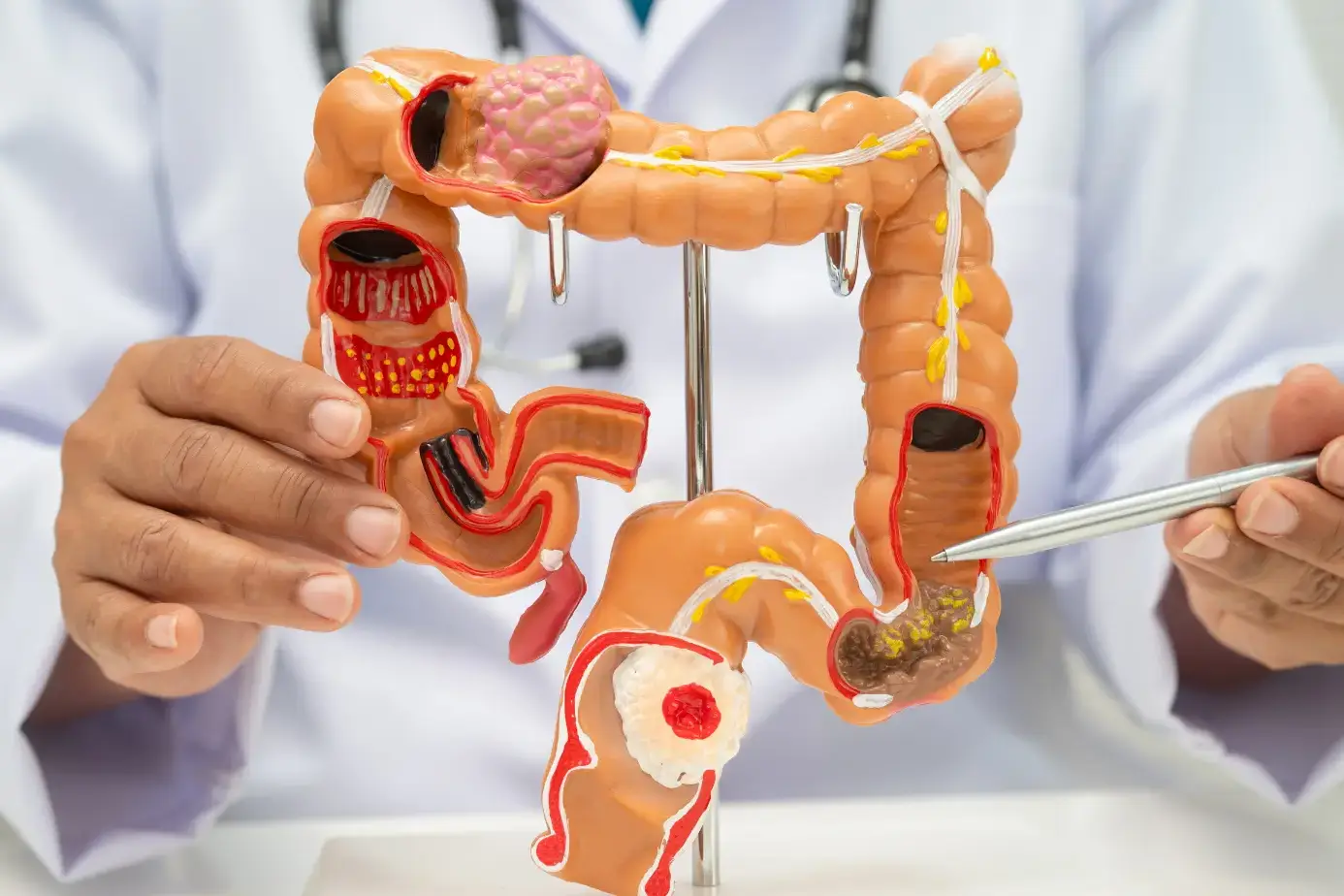
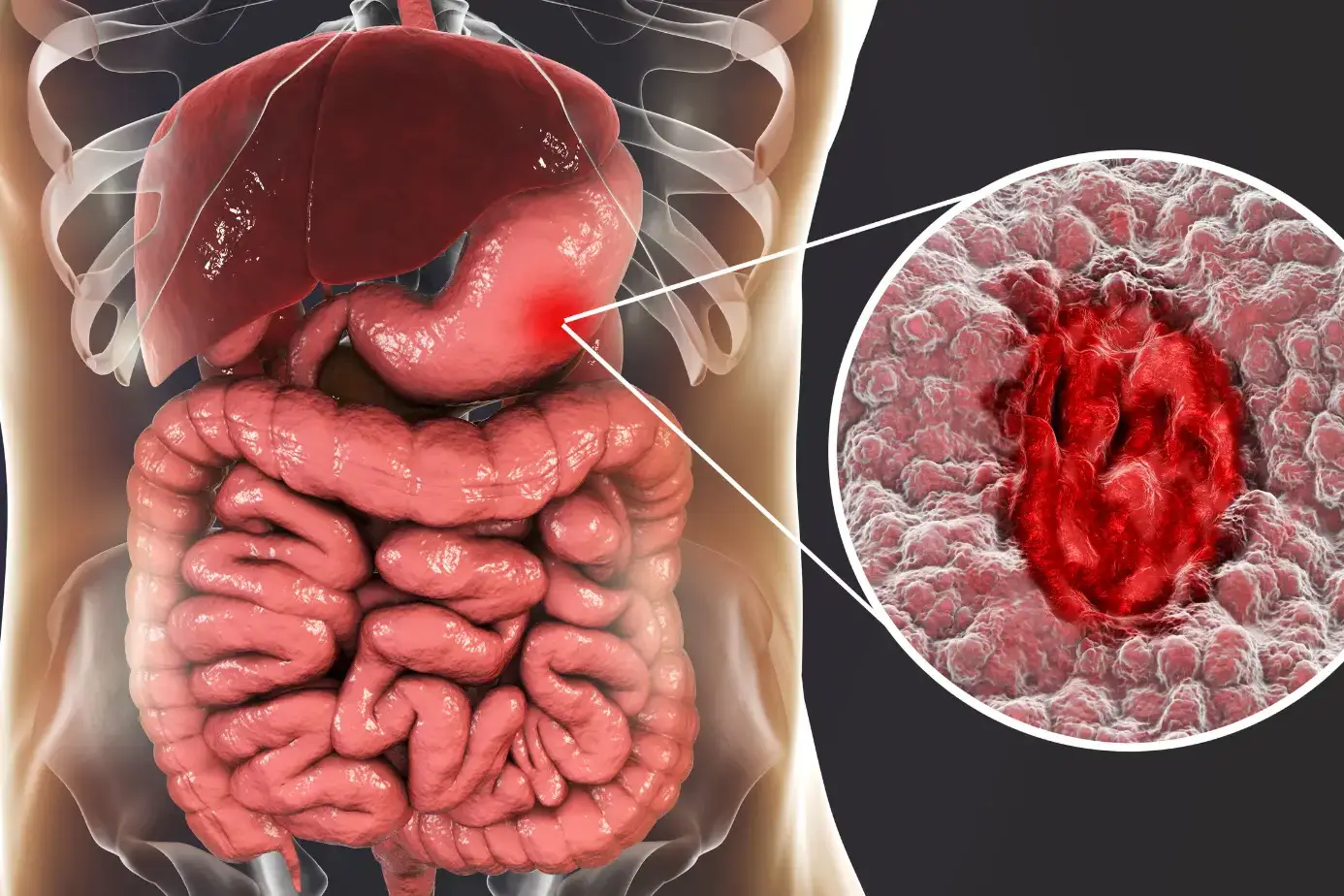
Festive binge eating is a pattern of consuming large amounts of food in short periods during holidays and celebrations, often well beyond physical hunger. In the U.S., the average American gains 1 to 2 pounds during the holiday season, but people already at higher weights gain up to 5 pounds, per a New England Journal of Medicine study. This weight rarely comes off fully, and it compounds year over year.
This guide covers the causes, health effects, warning signs, and practical strategies to control festive overeating before it becomes a long-term problem.
Causes of Overeating During Festive Season
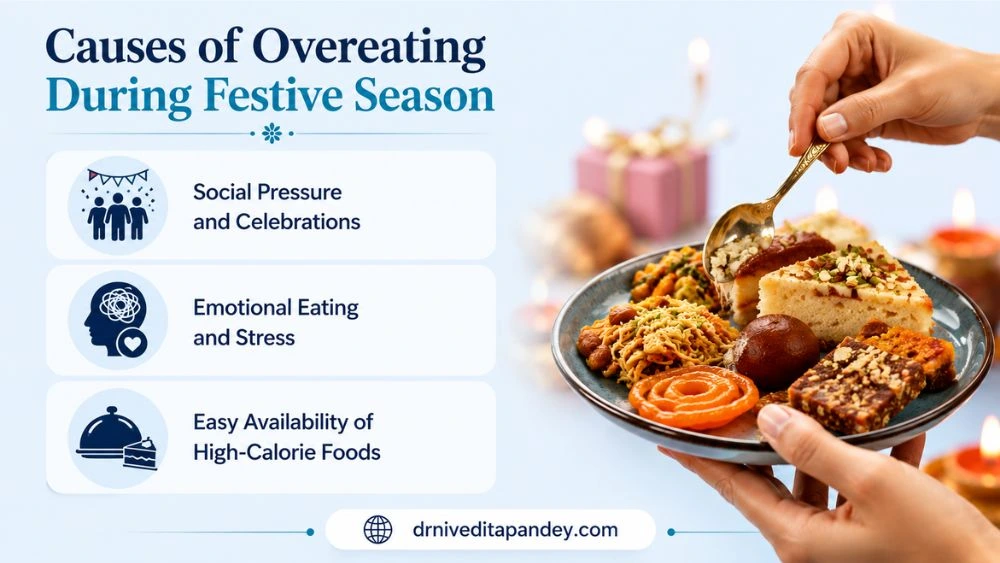
Causes of overeating during festive season are rarely about food alone. They sit at the intersection of psychology, environment, and biology. Food acts as a social glue during holidays, and the pressure to eat, combined with an abundance of high-calorie options, creates conditions where overeating becomes the default.
Social Pressure and Celebrations
Declining food at a holiday gathering carries social weight. Relatives push second helpings. Hosts interpret uneaten food as rejection. A 2013 study in Appetite found that people eat 35-96% more when dining in groups compared to eating alone. The social environment directly inflates portion sizes without people realizing it.
Emotional Eating and Stress
Holiday seasons bring financial stress, family conflict, and disrupted routines. When cortisol rises, the brain craves calorie-dense foods, particularly those high in sugar and fat. Research published in Psychoneuroendocrinology confirmed that stress-induced cortisol elevations increased sweet and fatty food intake in healthy adults. The brain treats food as a stress-management tool.
Easy Availability of High-Calorie Foods
Cookies, casseroles, alcohol, and sweets replace regular meals during holidays. The proximity of food, bowls left on counters, buffet-style setups, and continuous snacking throughout gatherings increases consumption by 23-30%, according to Cornell University’s Food and Brand Lab.
Sugar Cravings During Festive Period
Sugar cravings during the festive period spike for two specific reasons: disrupted sleep and constant sugar exposure. Festive schedules push sleep later. Even one night of poor sleep raises ghrelin (hunger hormone) by 24% while lowering leptin (satiety hormone) at the same time.
Every sweet food consumed during holidays also reinforces dopamine release in the brain’s reward pathway. The brain starts associating festive environments with sugar rewards. After a few days, it begins craving sugar before you’ve even sat at the holiday table. This is conditioned craving, and it builds fast during multi-day celebrations.
Fructose, found in nearly every holiday dessert and sweetened drink, also bypasses the satiety signal in the hypothalamus more than glucose does. This means large amounts of sugary holiday food can be consumed without triggering the fullness response properly.
Irregular Eating Patterns During Holidays
Irregular eating patterns during holidays disrupt the body’s circadian-based metabolic processes. The body runs digestive enzymes, insulin response, and gut motility on a roughly 24-hour biological clock. When meal timing shifts by 3 or more hours consistently, insulin response weakens, digestion slows, and fat storage increases.
During holiday periods, people commonly skip breakfast, graze all day, eat heavy late dinners, and snack past midnight at culture. This pattern keeps insulin elevated for longer stretches and impairs overnight gut recovery.
A 2019 study in Cell Metabolism showed that irregular eating timing alone, without calorie increases, raised triglyceride levels and reduced insulin sensitivity within 5 days.
How Festive Eating Affects Health
How festive eating affects health depends on duration and severity, but even short-term overeating causes measurable physiological changes within days.
Weight Gain and Fat Accumulation
Excess calories during holidays are stored primarily as visceral fat, the fat around organs. Visceral fat is metabolically active and raises inflammation markers, including C-reactive protein (CRP). A single week of overeating by 1,000 calories daily raises CRP levels measurably, per Brigham Young University research.
Digestive Issues (Bloating, Acidity)
Overeating stretches the stomach beyond its resting capacity of roughly 1 liter. When stretched repeatedly, the lower esophageal sphincter weakens, allowing stomach acid to reflux upward. Festive foods high in fat also slow gastric emptying, extending bloating duration.
Blood Sugar Spikes
High-glycemic holiday foods such as white bread, mashed potatoes, pie, and candy cause blood glucose to rise rapidly. Repeated spikes force the pancreas to release large insulin bursts. Over two to three weeks of festive eating, insulin sensitivity drops by 15-20%, per research in the American Journal of Clinical Nutrition.
Energy Crashes
The blood sugar spike-crash cycle leaves the body fatigued within 90 minutes of eating. When glucose drops sharply after a large meal, the brain interprets it as an emergency and triggers cravings again. This is why people feel exhausted and hungry just hours after a large holiday meal.
Signs of Festive Binge Eating (What to Watch)
Festive binge eating differs from routine holiday indulgence in specific, measurable ways.
Eating Beyond Fullness
Eating past the point of physical discomfort repeatedly is a clinical marker of binge behavior. The DSM-5 defines a binge episode as eating a significantly larger amount than most people would consume in a similar time under similar circumstances.
Loss of Control Over Portions
The defining feature of a binge is not volume. It’s the loss of control. People describe feeling unable to stop even when they want to. Holiday settings, with their abundance of food, social permission, and often alcohol, lower inhibitory control in the prefrontal cortex, making stopping harder neurologically.
Guilt After Eating
Post-eating guilt is clinically distinct from normal regret. Persistent guilt after holiday eating, especially when it affects mood the following day, is a behavioral signal worth monitoring. If it recurs across multiple holiday seasons, professional evaluation is warranted.
Why Festive Binge Eating Becomes a Habit
Festive binge eating becomes habitual through neurological reinforcement. Each episode strengthens the neural pathway connecting the festive environment, lights, music, food smells, to the dopamine reward of overeating. Over several years, these associations have become automatic.
The brain treats this pattern like any other habit loop: cue (holiday gathering), routine (overeating), and reward (dopamine release). Without deliberate interruption, the behavior runs each November automatically through January. People who report gaining weight every single holiday season are experiencing exactly this loop.
Tips to Avoid Overeating at Parties
Tips to avoid overeating at parties that work are behavioral, not motivational.
Eat Before Attending Events
Arriving at a party already 70% full reduces caloric intake at the event by 30-40%. Eat a protein and fiber-rich snack, like Greek yogurt with almonds, 60 minutes before arriving.
Control Portion Sizes
Use smaller plates. Cornell research shows people eat 22% less when using 9-inch plates instead of 12-inch plates, without feeling deprived.
Choose Foods Mindfully
Scan the full buffet before taking anything. People who survey options first take 31% fewer calories, per Cornell’s Food and Brand Lab behavioral research.
Stay Hydrated
Drink 12 ounces of water before eating. The stomach’s stretch receptors partially interpret water volume as food, reducing appetite signals by 13-15%.
How to Manage Cravings During Festivals
Balanced Meals Throughout the Day
Eating regular meals every 4 to 5 hours prevents the extreme hunger that drives sugar cravings during the festive period and leads to overcompensation at evening gatherings.
Limiting Sugar Intake
Cap added sugar at 25 grams daily, per WHO recommendations. At any gathering, prioritize savory foods first. Eating protein and vegetables before sweet dishes reduces the glycemic impact of desserts by 20-30%.
Mindful Eating Techniques
Put the fork down between bites. This simple behavior extends meal duration by 7-10 minutes and allows satiety signals, which take 20 minutes to register, to reduce intake naturally.
Smart Eating Strategies During Holidays
Plate Planning Approach
Fill half the plate with vegetables or salad, one quarter with protein, and one quarter with starches or celebratory foods. This structure limits caloric density without restriction.
Slow Eating Habits
Chewing each bite 20-30 times increases satiety hormone secretion. A 2014 study in the Journal of the Academy of Nutrition and Dietetics found slow eaters consumed 88 fewer calories per meal on average.
Avoiding Continuous Snacking
Continuous grazing keeps insulin elevated all day. Set specific eating windows such as the main meal and dessert only, and avoid picking from snack tables between meals.
Recovery After Overeating
Festive binge eating recovery doesn’t require fasting or extreme restriction. Both worsen the binge-restrict cycle. Return to regular meal times and portions within 24 hours. Walk for 20-30 minutes after heavy meals.
Walking after eating lowers post-meal blood glucose by 22%, per a 2022 study in Sports Medicine. Drink 2-3 liters of water daily for 3 days after overeating to support kidney filtration and reduce bloating. Avoid the scale for 3-5 days, as water retention from high-sodium holiday foods temporarily inflates readings by 2-4 pounds.
FAQs
What is festive binge eating?
Festive binge eating is consuming large, uncontrolled amounts of food during holiday periods. DSM-5 defines it as eating more than most people would in similar circumstances, accompanied by a loss of control. It differs from casual holiday indulgence by the inability to stop eating even when full.
What are irregular eating patterns during holidays?
Irregular eating patterns during holidays include skipping breakfast, continuous grazing, and eating heavy meals after 9 PM. A 2019 Cell Metabolism study showed this timing pattern alone, without added calories, raised triglycerides and reduced insulin sensitivity within 5 days.
How to control cravings during festivals?
Eat protein-rich meals every 4-5 hours to stabilize blood glucose and suppress the ghrelin spike driving sugar cravings during the festive period. Adding 1 gram of cinnamon to meals reduces post-meal glucose spikes by up to 29%, per a 2013 study in Diabetes Care.
Can festive eating lead to weight gain?
Yes. Americans gain 1-2 pounds per holiday season on average, with people at higher weights gaining up to 5 pounds. This weight persists post-season. Repeated yearly gains contribute to metabolic syndrome and increase cardiovascular disease risk over time.
How to recover after overeating?
Resume normal meal timing within 24 hours. Walk 20-30 minutes after meals to lower blood glucose by 22%. Drink 2-3 liters of water daily for 3 days. Avoid fasting, it triggers the restrict-binge cycle and worsens festive binge eating patterns long-term.
When is binge eating a serious issue?
Seek professional evaluation when festive binge eating episodes occur more than twice weekly for 3 months, cause significant distress, or involve purging, extreme restriction, or clinical depression. These criteria align with DSM-5 Binge Eating Disorder (BED) diagnostic thresholds requiring clinical treatment.
About The Author

Medically reviewed by Dr. Nivedita Pandey, MD, DM (Gastroenterology)
Dr. Nivedita Pandey is a U.S.-trained gastroenterologist and hepatologist with extensive experience in diagnosing and treating liver diseases and gastrointestinal disorders. She specializes in liver enzyme abnormalities, fatty liver disease, hepatitis, cirrhosis, and digestive health.
All content is reviewed for medical accuracy and aligned with current clinical guidelines.