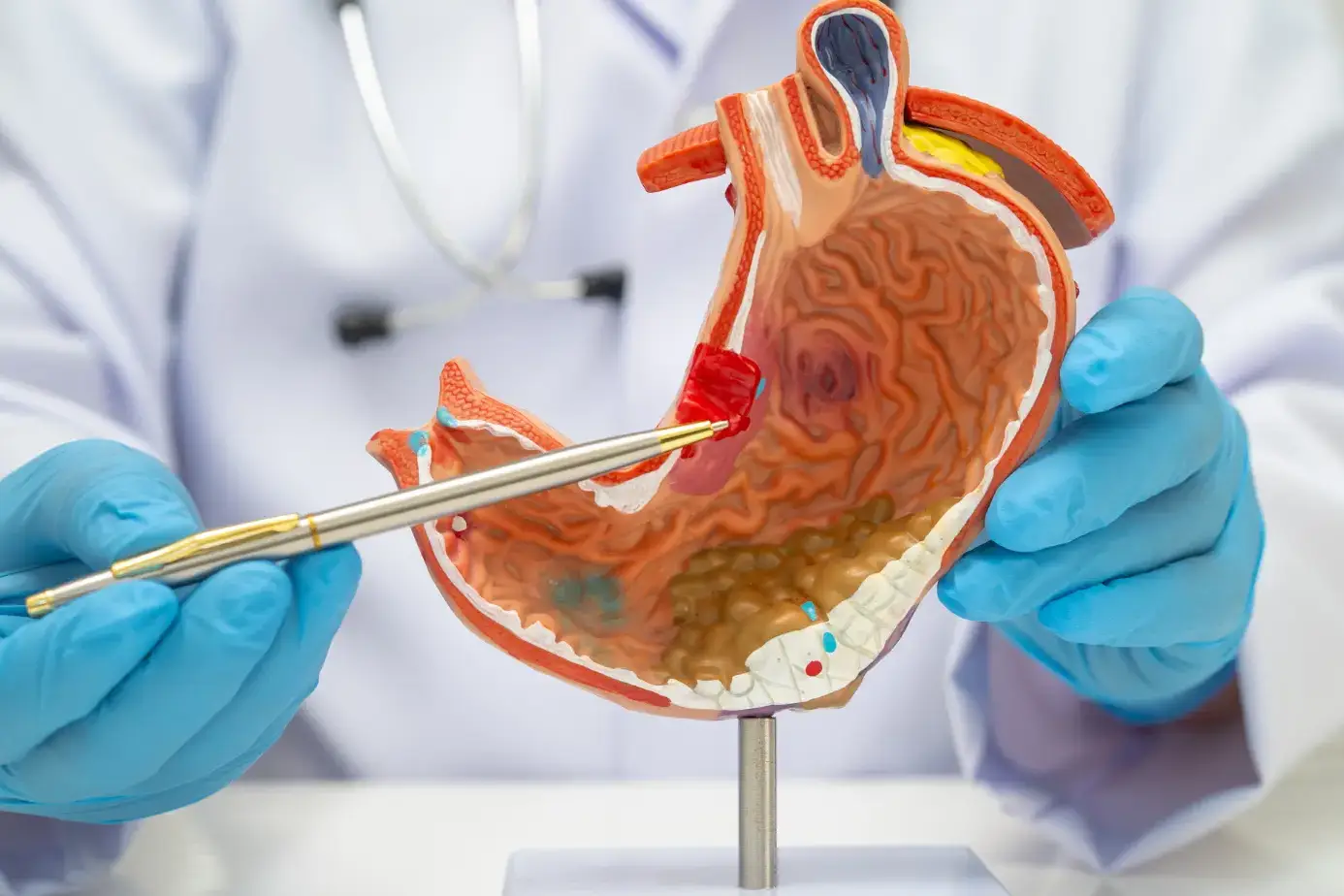
What Are IBS And Acid Reflux?
IBS acid reflux is when you live with irritable bowel symptoms and reflux symptoms at the same time. The two problems share body pathways that control gut movement and pain. They also share triggers like large meals, high fat, caffeine, and stress.
You feel belly issues and burning in the chest because nerves in your gut stay extra alert. You can control both with smart daily steps, clear food choices, and the right care plan.
How IBS Affects Digestion And Gut Movement
IBS means your bowel is sensitive, and the squeezing waves of the gut go too fast or too slow. You feel cramps, gas, and changes in stool. You may pass stool too often or not enough. You may feel better after a bowel movement. Your gut nerves send strong signals to your brain. That makes normal pressure feel like pain.
When your stomach empties slow, pressure builds and you notice burn in your chest after meals. That is why IBS acid reflux often shows up together in daily life.
Key points:
- Your gut has its own nerve network. It reacts fast to stress, meals, and hormones.
- Fast waves can cause loose stool and urgency.
- Slow waves can cause constipation and bloating.
- Both patterns can raise pressure in the upper gut. That pressure helps acid move up.
What Happens During Acid Reflux (GERD)?
Reflux happens when acid from the stomach flows back into your food pipe. A ring of muscle called the lower esophageal sphincter keeps acid down. It can relax at the wrong time, often after large or high fat meals. Lying flat too soon after eating also makes it easier for acid to travel up. When this happens a lot, doctors call it GERD.
You feel heartburn, sour taste, cough at night, or hoarse voice in the morning. You may also feel chest pain that is sharp or burning. This pain can scare you, yet it often comes from the food pipe, not the heart.
The Difference Between IBS And GERD Symptoms
IBS mainly affects the colon and small bowel. GERD mainly affects the food pipe. The symptoms can overlap, which causes confusion. Use this simple table to sort them out.
| Feature | IBS | GERD |
| Main area | Lower belly and bowel | Chest and throat |
| Common signs | Crampy pain, gas, bloating, stool changes | Heartburn, acid taste, chest burn, throat irritation |
| Better after stool? | Often yes | Not related |
| Worse after large meals? | Often, yes, due to pressure | Very common due to acid rise |
| Night symptoms | Bloating or cramps may wake you | Cough, hoarseness, sour fluid in mouth |
How IBS And Acid Reflux Are Linked

Shared Triggers Between The Gut And Esophagus
You face the same troublemakers for both problems. Large meals stretch the stomach. High fat slows emptying. Spicy food and onions can sting in sensitive people. Caffeine and alcohol relax the valve between stomach and food pipe. Fizzy drinks inflate the stomach with gas. Stress turns gut nerves louder.
These shared triggers explain the IBS acid reflux link you notice after certain meals or long days.
Gut–Brain Axis And Its Impact On Acid Production
Your brain and gut talk all day through nerves and hormones. This two-way line is the gut–brain axis. Stress or worry can speed or slow gut motion. It can also increase acid. When you worry, your breathing gets shallow and your core gets tense. That adds pressure inside your belly. Extra pressure pushes acid up and makes cramps worse.
Calm breathing and short movement breaks turn the volume down on those signals. You then notice fewer flares of IBS acid reflux after the same foods.
Role Of Stress In Worsening Both IBS And Reflux
Stress changes how you eat and sleep. You rush meals, snack late, and stay up long. You may reach for coffee and soda to push through the day. That mix raises acid and tightens gut muscles. You then feel more pain with less food. A short stress plan helps a lot:
- Two minutes of slow belly breathing before each meal.
- A ten-minute walk after lunch or dinner.
- Lights out at a set time most nights.
These moves reduce flares without medicine and help you manage IBS acid reflux with a clear routine.
How Altered Gut Motility Contributes To Reflux Episodes
If your stomach empties slowly, food and acid stay longer. Pressure rises and the valve at the food pipe opens more often. If your small bowel pushes too fast, gas forms and bloating builds. That gas raises pressure upward.
Both paths make reflux more likely. Since IBS often includes fast or slow waves, reflux flares make sense. You are not imagining it. The body’s physical line up with what you feel during IBS acid reflux.
Common Symptoms Of IBS And Acid Reflux

Bloating, Abdominal Discomfort, And Heartburn
You feel full and tight by late day. You see a visible swell after meals. You also feel a rising burn from your upper belly to your chest. Some days the burn is mild. Some days it stings and lasts for hours. Triggers vary by person. The pattern changes with sleep, stress, and what you eat.
Nausea, Gas, Or Indigestion After Meals
You may feel queasy after greasy or large meals. You may burp often. You may say food just sits. If you eat fast, air gets in and adds to the gas load. Small portions, slow bites, and warm water help. This is a common feature of IBS acid reflux.
Chest Pain Or Throat Irritation Due To Acid Reflux
Acid can irritate the food pipe and the throat. You may wake at night with a cough or a sour taste. You may clear your throat a lot. You may feel a lump when you swallow. If pain is severe or if you have risk factors for heart disease, seek care. Do not guess.
Irregular Bowel Movements And Acid Regurgitation
Your stool may swing from loose to hard. You may strain some days and rush to the bathroom on other days. At the same time, you may feel fluid rise up after meals. This combo is classic for IBS acid reflux, and it is treatable.
IBS And Acid Reflux Common Triggers
High-Fat Or Spicy Foods
Greasy dishes slow stomach emptying. That raises pressure and allows acid to move up. Hot peppers and heavy garlic can irritate a sensitive lining. Try these swaps:
- Choose grilled or baked over fried.
- Use herbs for taste instead of heavy chili.
- Keep cheese portions small.
These small steps remove common IBS acid reflux triggers without bland food.
Caffeine, Alcohol, And Carbonated Drinks
Coffee, energy drinks, and tea can relax the valve at the top of the stomach. Alcohol can do the same and may inflame the lining. Fizzy drinks inflate the stomach with gas and push acid upward. Limit these to workdays. Save a small serving for weekends if you tolerate it. That cut alone reduces IBS acid reflux common trigger for many people.
Large Meals Or Eating Too Quickly
A large plate stretches the stomach. Fast bites add air. Both raise pressure and trigger reflux. Use a starter strategy:
- Serve half the plate.
- Put the fork down between bites.
- Stop at comfortable fullness, not stuffed.
You will notice fewer IBS acid reflux flares within days.
Emotional Stress And Anxiety
You tense your core and breathe from the upper chest when you feel tense. That pattern squeezes your stomach and speeds acid rise. Keep a two-minute breathing break before meals. Breathe in for four counts, out for six counts. Your gut will move better, and your burn will drop.
Poor Sleep And Irregular Meal Timing
Late dinners raise nighttime reflux. Short sleep raises pain signals the next day. Keep dinner at least three hours before bed. Keep breakfast within two hours of waking. A steady clock keeps your gut calmer.
Treatment For IBS And Acid Reflux
Medications For IBS Symptom Control
Your plan should match your main stool pattern.
If loose stool leads your day:
- Soluble fiber, like psyllium, can help form stool. Start low and increase slowly.
- Bile acid binders may help if you rush to the bathroom after fatty meals.
- Short courses of gut-targeted antibiotics can help select patients with gas and bloating due to bacterial imbalance. Your doctor decides this.
- Low-dose gut-acting antidepressants can ease pain by calming nerve signals.
If hard stool leads your day:
- Soluble fiber plus adequate water helps.
- Osmotic agents like polyethylene glycol soften stool by drawing water into the bowel.
- Secretagogues may help certain patients by boosting fluid in the bowel.
If cramps dominate:
- Antispasmodic agents relax the bowel muscle.
- Heat packs and gentle stretching help during flares.
Work with your clinician to build a clear treatment plan for IBS and acid reflux that uses the least medicine needed for control.
Acid-Reducing Medications For Reflux (PPIs, H2 Blockers)
- Proton pump inhibitors, often called PPIs, cut acid at the source. Doctors use them for steady heartburn, night symptoms, or acid damage.
- H2 blockers reduce acid in a lighter way and can help for mild or on-demand control.
- Alginates form a floating barrier on stomach contents. You take them after meals to block acid rise.
- Antacids give quick relief that lasts a short time.
Use the lowest dose that controls symptoms. Talk to your doctor about timing because taking PPIs before breakfast often works best.
Smart use tips:
- Take a PPI 30 to 60 minutes before the first meal of the day unless told otherwise.
- For night reflux, some people benefit from a second dose before dinner under medical guidance.
- If you improve, discuss step-down to the lowest effective plan.
These steps fit well inside a treatment for IBS and acid reflux approach that also fixes meal size, pace, and timing.
Behavioral Therapy And Stress Management
Your brain and gut talk all day. You can train that line. Gut-focused cognitive behavioral therapy teaches you to reframe alarm thoughts and reduce body tension. Diaphragmatic breathing lowers pressure in the upper belly. You can place one hand on the chest and one on the belly. Breathe so the belly hand rises while the chest hand stays quiet. Practice for five minutes, two or three times daily. Over time, this lowers both cramps and chest burn in IBS acid reflux.
When To See A Gastroenterologist
Get specialist care if:
- You have trouble swallowing or feel food getting stuck.
- You lose weight without trying.
- You vomit blood or see black stool.
- You have severe chest pain.
- You have anemia that is not explained.
- You have ongoing symptoms despite a careful plan.
A specialist can check for acid damage, stomach emptying issues, celiac disease, or inflammatory bowel disease. Early checks protect you from long-term problems tied to IBS acid reflux.
Diet For IBS And Acid Reflux Relief
Following A Low-FODMAP Diet For IBS
FODMAPs are short carbs that pull water into the bowel and feed gas-forming bacteria. Examples include certain fruits, milk with lactose, wheat, onions, garlic, beans, and sugar alcohols like sorbitol.
In sensitive people, these foods lead to bloating and cramps. A low-FODMAP plan is a short trial, often two to six weeks, done with a dietitian when possible. You then reintroduce foods step by step to find your own limits.
Keep fat low while you test, since fat slows the stomach and raises reflux. This is a core piece of a safe diet for IBS and acid reflux that you can keep long-term.
Diet For IBS And Acid Reflux Relief (continued)
Best Foods For Acid Reflux Relief
You can still enjoy food while caring for your gut. The goal is to choose items that are gentle, low-fat, and easy to digest. This helps reduce pressure in your stomach, which lowers reflux episodes.
Good choices that support a steady diet for IBS and acid reflux include:
- Oatmeal, cream of rice, and rice noodles
- Cooked vegetables like carrots, zucchini, and green beans
- Lean chicken, turkey, or fish baked or grilled
- Eggs are made boiled or poached instead of fried
- Bananas, peeled apples cooked until soft, and melon
- Small servings of almond milk or lactose-free milk
These foods help you avoid bloating while still keeping meals enjoyable. The focus is on balance and portion size, not strict removal of everything.
Sample Meal Plan For Combined IBS And GERD Symptoms
Here is a sample plan that fits both conditions. Adjust items based on what your own body tolerates.
- Breakfast: Oatmeal made with almond milk, topped with sliced banana. Warm water or herbal tea
- Mid-Morning Snack: Plain rice crackers with a small amount of peanut butter if tolerated
- Lunch: Baked chicken breast, white rice, and cooked carrots. Sip water slowly during the meal
- Afternoon Snack: Soft melon slices or a boiled egg
- Dinner: Grilled fish, quinoa, and steamed zucchini. A small walk for 10 minutes after eating
- Before Bed: No food for at least 3 hours to reduce nighttime reflux
This meal structure supports calm digestion and reduces the pressure that triggers IBS acid reflux symptoms.
Foods And Drinks To Avoid For Both Conditions
Some foods can irritate the gut lining, push acid upward, or increase gas. Try to reduce or avoid these when you can.
Common triggers:
- Fried foods and heavy cream sauces
- Chili peppers, onions, garlic in large amounts
- Coffee, energy drinks, soda, and alcohol
- Late-night meals or snacks
- Tomato sauce and citrus fruit in large amounts
- Chocolate in large amounts
Cutting back on these removes many common IBS acid reflux triggers that cause daily flare-ups.
Managing IBS And Acid Reflux Symptoms At Home
Eat Smaller, Balanced Meals Regularly
Your stomach handles small meals better than large ones. Eating consistently every 3 to 4 hours prevents pressure build-up. It also supports stable stool patterns. This is a reliable step in managing IBS and acid reflux symptoms.
Avoid Lying Down After Eating
Gravity helps keep acid in the stomach. When you lie flat too soon, acid can move upward. Stay upright for at least 2 to 3 hours after meals. You can also raise the head of your bed if night symptoms are strong.
Stay Hydrated And Chew Food Slowly
Water helps bowel movement. It also keeps digestion smooth. Chewing slowly reduces swallowed air, which helps reduce bloating and gas that worsen reflux. This supports managing IBS and acid reflux symptoms throughout the day.
Maintain A Food And Symptom Journal
Write down:
- What you eat
- How you felt after
- Stress level that day
- Bowel movement pattern
After 2 weeks, you will see patterns. This helps identify your personal IBS acid reflux link. Everyone has different trigger combinations. Your journal is your roadmap.
Lifestyle Tips For Long-Term Gut Health
Managing Stress Through Yoga And Mindfulness
Stress is not just emotional. It affects the body. Calm breathing, stretching, and short mindfulness sessions help your gut nerves react less strongly. Even ten minutes a day can reduce symptoms of IBS and acid reflux.
Regular Exercise For Digestive Regulation
Movement helps move food through the gut. Walking, swimming, or cycling is enough. Aim for 20 to 30 minutes most days. Avoid intense exercise right after eating because that can trigger reflux.
Sleep Quality And Gut Restoration
Good sleep resets your nervous system. Aim for a steady sleep schedule. Avoid screens close to bedtime. Avoid heavy meals at night to reduce reflux. Over time, your gut pain and acid problems become more manageable.
Limiting Processed Foods And Late-Night Snacks
Processed snacks often contain additives or sweeteners that increase gas. Eating late pushes acid upward during sleep. If you enjoy snacks, move them earlier in the evening.
When To See A Doctor
Persistent Bloating Or Pain Despite Treatment
If you have followed diet and lifestyle steps but still have symptoms daily, a doctor can check for other gut conditions. Some people also need stomach emptying tests or acid monitoring.
Severe Acid Reflux Or Swallowing Issues
If food feels stuck or hard to swallow, or if you choke at night, you must speak with a gastroenterologist. This could be more than IBS acid reflux. Early checks prevent damage.
Weight Loss Or Changes In Stool Pattern
If your bowel habits change sharply or you lose weight without trying, seek help. These may need lab tests or imaging.
Blood In Stool Or Black-Colored Stools
These are serious warning signs. Do not wait. Seek urgent care.
FAQs
Can IBS Cause Acid Reflux Symptoms?
Yes. IBS changes how food moves through the gut and increases gut nerve sensitivity. That shift raises pressure and makes reflux more likely. This is why many people experience IBS and acid reflux at the same time.
What Diet Helps Both IBS And Reflux?
A diet with small meals, low fat, cooked vegetables, lean protein, and reduced caffeine often works well. Many people do well using a modified diet for IBS and acid reflux that avoids large, heavy meals and spicy foods.
Is Stress A Major Cause Of IBS And GERD Flare-Ups?
Yes. Stress increases stomach acid and slows or speeds digestion. This makes symptoms stronger. Managing stress daily reduces both bowel pain and acid reflux in IBS conditions.
How Do You Treat IBS And Reflux Naturally?
You can start with smaller meals, slow eating, regular movement, calm breathing before meals, and good sleep habits. These steps support a gentle treatment for IBS and an acid reflux care plan.
Can Probiotics Help Reduce IBS And Reflux Symptoms?
Some probiotics help certain people reduce gas and bloating. Others may not notice a difference. You may need to try one type for several weeks while tracking symptoms. This helps with managing IBS and acid reflux symptoms safely.
Are IBS And GERD Permanent Conditions?
They can last for many years, but most people learn to control symptoms. With meal timing, stress control, and trigger awareness, IBS acid reflux can become manageable and predictable.
About The Author

Medically reviewed by Dr. Nivedita Pandey, MD, DM (Gastroenterology)
Dr. Nivedita Pandey is a U.S.-trained gastroenterologist and hepatologist with extensive experience in diagnosing and treating liver diseases and gastrointestinal disorders. She specializes in liver enzyme abnormalities, fatty liver disease, hepatitis, cirrhosis, and digestive health.
All content is reviewed for medical accuracy and aligned with current clinical guidelines.