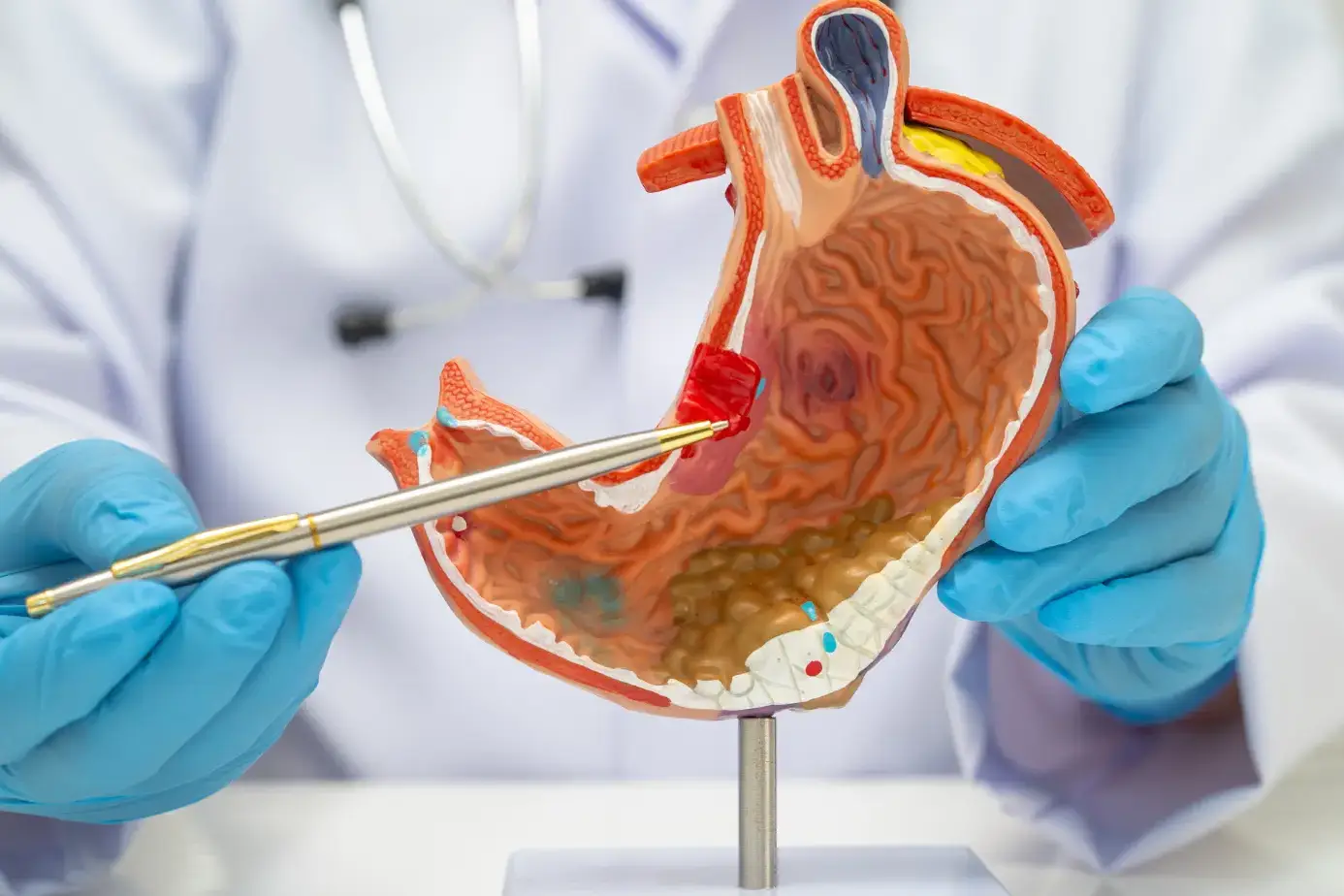
GERD and bad breath are tightly linked. Stomach acid can move up into your esophagus and mouth. That backflow irritates tissue, dries your mouth, and feeds odor-making bacteria. When reflux is active, your breath often smells sour or metallic. Brushing helps only a little because the source sits below your gums.
If you control reflux, the smell usually fades. Bad breath caused by GERD is most noticeable after large meals, late dinners, and when you lie down. The scent can feel sharp. Your tongue may be coated. Your throat may tickle.
If this pattern feels familiar, reflux is a strong suspect. Targeted care works. Random mints do not. Keep that in mind as you read. I will show you how GERD and bad breath connect, how to confirm the link, and how to treat it the right way.
Can GERD Cause Bad Breath?
Yes. Reflux is a proven driver of odor. In GERD, the valve at the bottom of your esophagus relaxes at the wrong time. Stomach acid and enzymes rise. Fumes and droplets reach your throat and mouth. Those fumes smell sour.
Droplets sting soft tissue. Saliva drops. Bacteria shift. The result is a steady smell that mouthwash cannot hide. This is why GERD and bad breath often appear as a pair in clinic visits.
The Acid Reflux And Bad Breath Connection
Acid, pepsin (a protein-digesting enzyme), and sometimes bile can move upward. The splash coats your tongue and the back of your throat. That coating traps sulfur gases. It also traps tiny food bits that decay. The mix smells sharp and stale at the same time.
When the splash happens at night, you wake with a heavy morning odor. Good brushing helps for a short time, then the smell returns. That cycle is the classic pattern of GERD and bad breath. It’s acid reflux bad breath because the acid drives most of the trouble.
How Regurgitated Stomach Contents Affect The Mouth
Your mouth is built to handle food, not acid. When stomach contents move up, they change the mouth quickly. The tongue film thickens. Gums get tender. Tonsil crypts trap debris. The back of the tongue becomes a parking lot for odor-making bacteria.
Each flare makes the next flare easier because irritated tissue traps more material. That is why GERD and bad breath often feel worse after a week of poor sleep or heavy meals.
Why GERD-Related Bad Breath Smells “Acidic” Or Sour
Reflux odor has a signature. People describe vinegar, sour milk, or a penny taste. That metallic edge comes from inflamed tissue and tiny bleeding points that you cannot see. Gum disease odor smells rotten. Reflux odor smells tangy or metallic.
If the odor is mostly sour, GERD and bad breath are high on the list. If the odor is mostly rotten, gum disease may lead. You can also have both at once.
What Causes Bad Breath In GERD?

Several linked changes work together. Acid hits the throat. Tissue swells. Saliva falls. Bacteria that love low-oxygen zones grow. Air swallows and burps push those smells outward. The more flares you have, the more sensitive your tissues become. That is why a small cheat meal can spark a big odor day.
Refluxed Acid Irritating Throat And Oral Tissues
Acid is corrosive. Even brief contact can inflame the lining of your throat and tongue. Swollen tissue forms pockets that hold debris. That debris breaks down into sulfur compounds that smell. Each night of reflux adds a fresh layer. Over time, GERD and bad breath become a morning routine unless you break the cycle.
Reduced Saliva Production From Acid Exposure
Saliva is your natural buffer. It neutralizes acid and washes away food particles. Pain, stress, and poor sleep from reflux lower saliva flow. Some people also drink less to avoid burping, which makes dryness worse. A dry mouth raises odor because bacteria and food sit longer. When you restore moisture, the smell softens.
This is a key reason why GERD and bad breath often improve when you chew sugar-free gum after meals.
Bacterial Growth Triggered By Reflux Inflammation
Inflamed tissue changes the local environment. Oxygen drops in the tongue grooves and tonsil crypts. Anaerobic bacteria thrive there. These bugs make volatile sulfur compounds (a mix of rotten egg and cabbage). Mix that with sour acid and you get a strong, layered odor. That pattern points straight to GERD and bad breath as the main driver.
Dry Mouth Due To Medications For GERD
Several reflux and allergy drugs list dry mouth as a side effect. Less saliva means a stronger odor. That does not mean you should stop your medicine. It means you should plan for dryness while you treat reflux.
Ask your clinician about timing and dose. Use moisture aids. Keep water at your desk and bed. This simple tweak helps GERD and bad breath settle faster. It also keeps your enamel safer.
Common Signs Of GERD-Related Bad Breath
You can spot the pattern by tracking a few clues. These clues are simple. They hold up in daily life. Use them to decide when to see a clinician or dentist.
Sour Or Metallic Taste In The Mouth
A steady sour taste is the most common sign. Many people also report a penny taste. You may feel a mild burn on the back of your tongue after meals. When this lines up with odor, GERD, and bad breath move to the top of the list.
Persistent Bad Breath Despite Brushing Or Mouthwash
You brush. You floss. You rinse. The smell fades for minutes, then returns. That tells you the source sits deeper than plaque. The source is likely the esophagus. When that happens again and again, GERD and bad breath become the most likely pair to treat first.
Throat Irritation, Coughing, Or Postnasal Drip
Reflux can swell the voice box and the back of your throat. You feel a lump sensation called globus. You clear your throat often. Mucus seems thicker. Each cough dries your mouth more. Dryness feeds odor. This loop is common in chronic bad breath and reflux cases that last months.
Heartburn Or A Burning Sensation After Meals
Heartburn is the classic signal. It sits behind your breastbone. It may climb into your neck or jaw. Burps can carry a sour smell. If breath changes track with heartburn, treat reflux first. Most people see breath improve when heartburn drops, which confirms the link to GERD and bad breath.
Diagnosing GERD As A Cause Of Bad Breath
You want a clear diagnosis before you build a long plan. Start with a careful history. Add focused tests if needed. Rule out mouth and sinus disease as well. This saves time and money.
Medical Evaluation And Reflux History
Your clinician will ask about timing, triggers, night symptoms, and what helps or hurts. Bring notes. Include meals, drinks, and sleep position. Add any weight changes. Share all medicines and supplements.
A short trial of acid suppression can act as a test. If breath and burn improve, GERD and bad breath are likely tied together. Keep notes on the response. That record guides the next steps.
Endoscopy and pH Testing for Reflux Confirmation
If symptoms persist or if you have alarm signs like trouble swallowing, weight loss, or bleeding, testing helps. Endoscopy lets a doctor see the lining and check for damage. pH or impedance testing measures how often acid or non-acid material rises during daily life. When these scores improve with therapy, breath usually improves too. That one-two change supports GERD and bad breath as cause and effect.
Ruling Out Dental Or Sinus Causes Of Halitosis
Ask your dentist to check for gum disease, cavities, dry mouth, and a coated tongue. Ask a clinician about chronic sinusitis if you have blockage, facial pressure, or thick mucus. You can have more than one cause. Treat each one.
If your mouth and sinuses look healthy, but the odor and sour taste remain, treat reflux as the leading cause of GERD and bad breath.
Medical Treatment For GERD And Bad Breath

You control odor best when you lower the acidity and reduce backflow. Medicines help the lining heal. Habits reduce pressure and splash. Together, they attack both the smell and the burn.
Proton Pump Inhibitors And Acid Blockers
Proton pump inhibitors, often called PPIs, lower stomach acid by blocking acid pumps. H2 blockers lower acid by blocking histamine signals to those cells. Less acid means less sour vapor. It also gives tissue time to heal.
Talk with your clinician about dose and timing. The goal is control with the lowest effective plan. This is the medical core of bad breath GERD treatment when reflux drives the smell.
Treating GERD To Eliminate Halitosis At Its Source
You cannot brush away fumes. You must turn off the source. That means fewer reflux episodes. Smaller meals help. Earlier dinners help. Weight loss, if needed, lowers belly pressure. Left-side sleep limits night splash.
When you shrink the number of reflux events, odor makers lose fuel. That is how GERD bad breath causes fade in real life. You need a blend of medicine and habit change. If PPIs help but symptoms return when you stop, your clinician may suggest a step-down plan or a longer course.
Addressing Dry Mouth Side Effects From Reflux Drugs
Dry mouth can follow acid therapy or allergy pills used for postnasal drip. Do not quit on your own. Adjust the plan. You can switch drug timing. You can try a different class. You can add moisture aids like xylitol gum or lozenges. Choose alcohol-free mouthwash. Keep a refillable bottle near you and sip often. These steps protect enamel and speed odor control while GERD and bad breath calm down.
Bad Breath GERD Treatment At Home
You can reduce reflux odor by making steady changes to how you eat, drink, and rest. These steps support medical care. They help lower acid movement and keep your mouth moist. When applied daily, they can ease GERD and bad breath quite a bit.
Eat Smaller Meals To Prevent Reflux Odor
Large meals stretch your stomach. When pressure builds, acid pushes upward. By eating smaller meals, you lower the pressure inside your stomach. Less pressure means less backflow. This protects your throat and cuts the odor linked to GERD and bad breath. Eating more slowly also helps. Chew more times per bite. Stop eating when you feel satisfied, not stuffed.
Avoid Spicy, Acidic, And Fatty Foods
These foods often relax the lower esophageal sphincter, the small valve that keeps stomach acid down. When it relaxes too much, acid rises. This worsens smell and irritation.
Many trigger foods are common favorites. These include onion, garlic, tomato sauce, fried foods, citrus, and soda. Reducing these helps you control acid reflux and bad breath more easily.
Chew Sugar-Free Gum To Stimulate Saliva
Saliva washes your tongue and neutralizes acid. Chewing sugar-free gum boosts saliva flow. Choose gum with xylitol to support dental health. Do not choose strong mint flavors if mint triggers reflux in you. Try fruit or cinnamon flavors. Better moisture in your mouth reduces odor linked to GERD and bad breath.
Stay Hydrated Throughout The Day
Sip water, not large gulps. Small sips prevent stomach swelling. A moist mouth reduces the strength of odor-causing bacteria. Drinking water also helps clear the acid that reaches your throat. This simple habit is one of the easiest acid reflux bad breath home remedies people can use, especially during work or school days.
Sleep With Your Head Elevated To Prevent Backflow
Reflux happens more when you lie flat. Raising the head of your bed with blocks or using a wedge pillow helps gravity keep acid in your stomach. Do not stack pillows because that bends your neck. Sleeping on your left side keeps acid lower and reduces night odor. This reduces overnight GERD and bad breath flare-ups.
Oral Care Tips For Acid Reflux Bad Breath
Reflux breath improves fastest when you care for your mouth at the same time that you reduce acid. Daily oral habits help break the odor cycle.
Brush And Floss Twice Daily
Plaque holds odor. Food stuck between teeth breaks down and smells. Brush the gumline gently. Floss once daily to clear tight spaces. Keeping the mouth clean makes it harder for odor-causing bacteria to build up. This supports progress in bad breath GERD treatment, especially in the first month of care.
Use Alcohol-Free Mouthwash With Zinc Or Chlorhexidine
Zinc binds sulfur gases. Chlorhexidine reduces bacteria but should be used only with a dentist’s guidance for longer use. Always choose an alcohol-free formula. Alcohol dries the mouth, which worsens GERD and bad breath. Use mouthwash at night after brushing for the best effect.
Clean The Tongue And Replace Your Toothbrush Often
The tongue holds most odor-causing bacteria. A tongue scraper removes the coating better than a toothbrush. Scrape from back to front. Rinse in between strokes. Replace your toothbrush every three months to avoid bacteria build-up.
Visit A Dentist For Professional Cleaning
A dentist can remove tartar that traps odor. A dentist may also spot signs of reflux damage on your enamel. If enamel appears thin or rough, this supports the connection between GERD and bad breath. A professional cleaning combined with reflux treatment leads to steady improvement.
Diet And Lifestyle Habits That Help
Reflex improves when your daily routine supports digestion. Small personal changes add up.
Avoid Caffeine, Chocolate, And Carbonated Drinks
These items relax the lower esophageal valve and allow acid to rise. Soda also increases gas, which pushes air upward. Reducing these drinks can improve GERD and bad breath within days. Replace them with water or herbal tea if possible.
Quit Smoking And Reduce Alcohol Intake
Smoking dries the mouth and weakens the valve that keeps acid down. Alcohol irritates the throat and increases reflux episodes. Cutting both leads to better saliva flow and less irritation. This lowers GERD bad breath causes and helps breathing feel fresher.
Include Alkaline And Fiber-Rich Foods
Foods like oatmeal, bananas, melons, broccoli, spinach, and whole grains soothe the stomach. They do not trigger reflux in most people. Fiber keeps digestion stable. Stable digestion means less pressure in the stomach. Reducing pressure helps prevent GERD and bad breath flares after eating.
Manage Stress To Reduce Reflux Flare-Ups
Stress affects digestion and saliva. When stressed, people swallow more air and clench their jaw muscles. This worsens irritation. Try short breathing pauses, simple walks, or gentle stretching. Even five minutes can help reduce reflux bursts and the odor tied to chronic bad breath reflux.
When To See A Doctor Or Dentist
Some signs mean you need a checkup instead of only home care.
Persistent Bad Breath Lasting Over Two Weeks
If odor stays even after oral care and diet changes, it is time to check your reflux plan. GERD and bad breath that linger often need medical guidance.
Heartburn Or Throat Discomfort Despite Medication
If medicine is not helping, dose or timing may need adjustment. Do not increase medication by yourself. A clinician can safely adjust treatment for GERD and bad breath.
Unexplained Sour Taste Or Dental Enamel Erosion
If your teeth look worn or sensitive, acid may be reaching your mouth at night. Your dentist can confirm this. A treatment plan can prevent long-term damage.
FAQs
Does Acid Reflux Cause Bad Breath Permanently?
No. When reflux is controlled, the odor usually improves. GERD and bad breath improve most when saliva rises, acid drops, and tissues heal. Consistency matters in daily habits.
How Do I Stop Bad Breath From GERD Naturally?
Small meals, raised sleep position, tongue cleaning, and steady hydration help. These steps work well with medical care. This blend often reduces bad breath quickly.
Can Treating GERD Get Rid Of Bad Breath?
Yes. When you reduce backflow, there is less acid in your mouth. This removes the source of irritation. Bad breath often improve in weeks when treatment is steady.
What Foods Worsen GERD-Related Halitosis?
Fried foods, garlic, onions, citrus, tomato sauces, chocolate, mint, spicy meals, and soda trigger reflux. Avoiding these lowers GERD and bad breath causes during the day.
Is Bad Breath A Sign My Reflux Is Uncontrolled?
Often yes. If odor returns daily or worsens after meals, reflux may not be managed well. A clinician can adjust bad breath GERD treatment to get better control.
About The Author

Medically reviewed by Dr. Nivedita Pandey, MD, DM (Gastroenterology)
Dr. Nivedita Pandey is a U.S.-trained gastroenterologist and hepatologist with extensive experience in diagnosing and treating liver diseases and gastrointestinal disorders. She specializes in liver enzyme abnormalities, fatty liver disease, hepatitis, cirrhosis, and digestive health.
All content is reviewed for medical accuracy and aligned with current clinical guidelines.