Peanut butter doesn’t cause constipation for everyone. You can eat peanut butter and remain regular when you balance it with water, fiber, and reasonable portions. Peanut butter can cause constipation, and problems appear when you overeat, choose processed spreads, or ignore fluids and fruits.
Does Peanut Butter Cause Constipation?
For most people, peanut butter does not cause constipation. Peanuts add fat, protein, and a little fiber. When you eat balanced meals, peanut butter rarely blocks bowel movement. Still, some choices and habits raise risk.
For Most People, Peanut Butter Doesn’t Directly Cause Constipation
If you are healthy, peanut butter rarely blocks your bowel. It contains fat, protein, and a small amount of fiber. Those nutrients do not usually stop stool from passing. You may feel slower digestion sometimes, but that is not the same as true constipation.
Low Fiber or Overeating Can Slow Digestion
If you eat large amounts of peanut butter and little else, digestion can slow. Fat delays stomach emptying. Eating too much makes stools firmer. If your daily meals have low fiber, a spoonful of peanut butter will not prevent constipation.
Processed Peanut Butters With Sugar and Oils May Worsen Symptoms
Many commercial spreads add sugar, hydrogenated oils, or fillers. These reduce real nut content and fiber. Added sugar can change gut bacteria and may worsen stool quality. For digestion, ingredients matter more than the jar label.
Lack of Hydration and Fiber in the Diet Can Exacerbate Constipation
Fiber needs water to swell and move stool. If you drink little water, fiber can firm up and slow passage. If you eat peanut butter and skip fluids, you may feel blocked. Drink water with fiber foods to help stool move.
Peanut Sensitivity May Lead to Digestive Discomfort or Bloating
Some people have mild peanut sensitivity. This is not an allergy. It can cause bloating, gas, or irregular stools. If you notice consistent discomfort after peanuts, reduce intake and talk to a clinician.
How Peanut Butter Affects Digestion
How Fats, Protein, and Fiber Move Through the Gut
Fat slows the stomach. Protein helps with fullness. Fiber adds bulk. Peanut butter blends all three. That mix changes how fast food leaves your stomach. Slower emptying may feel like sluggish digestion, but a balanced meal keeps bowel rhythm.
Healthy Fats Slow Stomach Emptying but Support Satiety
Healthy fats in peanut butter keep you full longer. They also slow down digestion. That can reduce hunger but might make you feel less urgent to use the bathroom. This effect is normal and usually temporary.
Low Fiber (~2g/2 Tbsp)
Two tablespoons of natural peanut butter give about two grams of fiber. That amount helps a little. It cannot replace a cup of vegetables or a serving of whole grains. Use peanut butter as part of a fiber-rich meal.
Processed Spreads Can Cause Gut Inflammation
Added oils and sugars in some spreads may irritate sensitive guts. This can change water balance in your intestines and alter stool texture. Choose clean-label peanut butter to reduce this risk.
Why Natural Peanut Butter Is Easier to Digest
Natural peanut butter lists just peanuts and maybe salt. It has fewer additives. Your gut handles natural, whole-food products more smoothly. Natural jars keep fiber and oils intact and lessen digestive surprises.
Peanut Butter Fiber and Constipation Relief
Natural Peanut Butter Contains Fiber That Supports Bowel Health
The fiber in peanut butter adds bulk. It helps push stool along when paired with water and plant foods. Alone, it is small, but combined with fruits, it supports regular stools.
Magnesium in Peanuts Helps Promote Regularity
Peanuts contain magnesium, a mineral that helps muscle relaxation. In the gut, this supports movement. Magnesium in whole foods can gently help your bowel work better.
High-Protein Content Supports Appetite Control and Gut Rhythm
Protein from peanut butter steadies hunger. When you eat at regular times, your bowel learns a rhythm. That rhythm helps you pass stool more predictably.
Pair Peanut Butter With Fiber-Rich Foods for Better Digestion
Combine peanut butter with an apple, oatmeal, or whole-grain bread. This gives both bulk and water. The mix helps the stool stay soft and move. Small changes like this prevent most peanut-related problems.
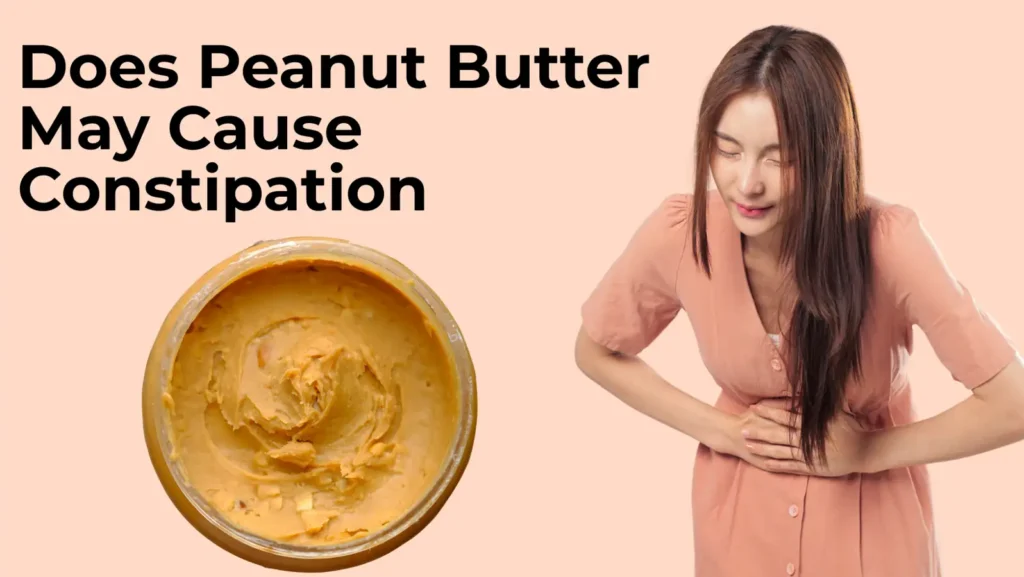
Why Peanut Butter May Cause Constipation
1. Low-Fiber Diet or Poor Meal Variety
If most meals lack vegetables and whole grains, peanut butter cannot fill the fiber gap. You need diverse plants to keep stool regular.
2. Not Drinking Enough Water
Without water, fiber becomes hard. Drink plain water with meals and between meals to keep stool soft.
3. Eating Large Portions at Once
Large servings increase fat and slow digestion. Smaller portions are easier to handle.
4. Added Sugars and Oils Slow Digestion
Sugars and cheap oils reduce nutrient density. They can change gut bacteria and stool form.
5. Food Intolerance or Peanut Sensitivity
If peanuts upset you, stop and observe. Sensitivity can cause bloating or irregular stools.
6. Skipping Fruits and Vegetables in Meals
If you pair peanut butter with refined carbs only, your meal lacks fiber. Add produce to balance each meal.
Peanut Butter vs Whole Peanuts
Whole Peanuts Contain More Fiber and Plant Nutrients
Eating whole peanuts keeps the skins and structure. That raises fiber slightly. Whole nuts also give more plant compounds that help the gut.
Peanut Butter Offers Convenience but May Contain Additives
Peanut butter is easy to spread. Some jars include sugar or oils. Read labels and choose simple recipes.
Choose Unsweetened, Natural Peanut Butter
Pick jars listing only peanuts and salt. That choice gives you cleaner nutrients and fewer additives that upset digestion.
Roasted Peanuts With Skins Provide Extra Antioxidants
Skins contain antioxidants and tiny fibers. These nutrients support gut health and lower inflammation for some people.
Ideal Serving Size
One to two tablespoons fit most diets well. This keeps calories and fat controlled while offering nutrients.
Peanut Butter Constipation: Myths vs Facts

| Myth | Fact |
| Peanut butter always blocks stool. | Most people stay regular with peanut butter when they balance it with fiber and water. |
| All peanut butters are the same. | Natural and processed spreads differ. Read labels. |
| Peanut butter has no fiber. | It has some fiber. Use it with fruits and grains for best results. |
How to Eat Peanut Butter Without Constipation
Knowing how peanut butter affects digestion helps you eat it without discomfort. You don’t need to avoid it completely—just make smart choices and pair it right.
Choose Natural or Organic Peanut Butter Without Additives
Always read the label. Pick natural or organic peanut butter made only from peanuts and salt. Avoid versions with sugar or oils, which may cause peanut butter constipation by slowing digestion. The cleaner the spread, the easier it is on your gut and better for natural peanut butter & digestion .
Pair With High-Fiber Foods (Apples, Oats, Whole Grains)
Fiber keeps your bowels moving. Combine peanut butter with fruits or grains for extra fiber. For example, spread it on apple slices or mix it into oatmeal to make peanut butter fiber constipation help more effective. These combos improve stool softness and gut flow.
Stay Hydrated Throughout the Day
Fiber and fat need water to move through your intestines. Without enough hydration, peanut butter becomes more likely to cause constipation. Aim for 8 cups of water daily and include water-rich foods like oranges or cucumbers.
Avoid Eating Large Quantities Before Bedtime
Peanut butter digests slowly. Eating too much at night can make you feel bloated or sluggish in the morning. Keep evening servings small to prevent peanut butter from causing constipation overnight.
Limit Portions to 1–2 Tablespoons
Stick to one or two tablespoons a day. Too much fat can slow digestion and crowd out fiber foods. Keeping portions moderate helps prevent peanut butter constipation myth confusion and keeps your gut regular.
Combine With Probiotic-Rich Foods for Gut Balance
Mix peanut butter with yogurt or kefir. Probiotics feed good gut bacteria and reduce bloating. This pairing supports both healthy digestion and lasting comfort.
Keep Meals Balanced With Fruits, Vegetables, and Whole Grains
Peanut butter works best in balanced meals. Add fruits, vegetables, or whole grains to keep stool soft and movement regular. These foods help stop peanut butter from causing constipation before it starts.
Peanut Butter Alternatives for Easy Digestion
Almond Butter
Almond butter has more fiber than peanut butter. It helps stool move and adds vitamin E for gut lining health.
Cashew Butter
Cashew butter digests smoothly. It’s good for people who bloat with peanuts and want less fiber but gentler texture.
Sunflower Seed Butter
Sunflower butter is nut-free and rich in vitamin E. It’s easy to digest and works for people sensitive to peanuts or peanut butter that cause constipation issues.
Tahini
Tahini (from sesame seeds) offers calcium and blends easily. It supports natural peanut butter & digestion for those preferring lighter spreads.
Pumpkin Seed Butter
Pumpkin seed butter adds zinc and omega-3s. It’s anti-inflammatory and supports gentle, regular digestion.
When to Consult a Doctor
Constipation Lasting More Than 3 Days
If stool doesn’t pass for over three days, see a doctor. It could be dehydration or low fiber, not just peanut butter causes constipation .
Severe Bloating, Cramping, or Mucus in Stool
Pain or mucus in stool may suggest inflammation. Track meals and speak with a doctor.
Signs of Peanut Allergy
If you experience itching, swelling, or trouble breathing after eating peanut butter, seek medical care immediately.
Weight Fluctuations or Ongoing Digestive Issues
Sudden weight changes or irregular digestion may need evaluation. These symptoms often point to other gut issues, not just peanut butter constipation .
How Dietitians Can Customize a Gut-Friendly Meal Plan
A dietitian can adjust your meals for fiber, water, and magnesium levels. They ensure your diet reduces peanut risk from causing constipation risk while keeping nutrition balanced.
FAQs
Does Peanut Butter Help You Poop?
Peanut butter can help when you eat it with fiber and water. Alone, it rarely acts as a laxative but supports regularity when part of a balanced meal.
What’s the Best Type of Peanut Butter for Gut Health?
The best choice is natural peanut butter with only peanuts and salt. It has fewer additives and helps digestion when paired with fiber and fluids.
Can Eating Peanut Butter Every Day Affect Digestion?
Small daily amounts usually do not harm digestion. Large daily portions may slow digestion and increase calorie intake, causing stool changes over time.
Should You Avoid Peanut Butter If You’re Constipated?
You do not need to fully avoid peanut butter. Reduce portion size, drink water, and pair it with high-fiber foods to help relieve constipation.
Can Drinking Water Offset Peanut Butter Constipation?
Yes, water helps fiber move and keeps stool soft. Drinking fluids with meals and between them supports digestion and prevents hard stools.
How Much Peanut Butter Is Safe to Eat Daily?
Limit peanut butter to one to two tablespoons a day for most people. This amount gives nutrients without excess fat or calories that slow digestion.
Are Peanut Butter Alternatives Easier to Digest?
Some alternatives, like almond or sunflower butter, may be easier to digest for certain people. Try small amounts to see how your body reacts.
When Should You See a Doctor for Peanut Butter Reactions?
See a doctor if you have severe pain, swelling, breathing trouble, or persistent gut problems after eating peanut butter or peanuts.
About The Author

Medically reviewed by Dr. Nivedita Pandey, MD, DM (Gastroenterology)
Dr. Nivedita Pandey is a U.S.-trained gastroenterologist and hepatologist with extensive experience in diagnosing and treating liver diseases and gastrointestinal disorders. She specializes in liver enzyme abnormalities, fatty liver disease, hepatitis, cirrhosis, and digestive health.
All content is reviewed for medical accuracy and aligned with current clinical guidelines.