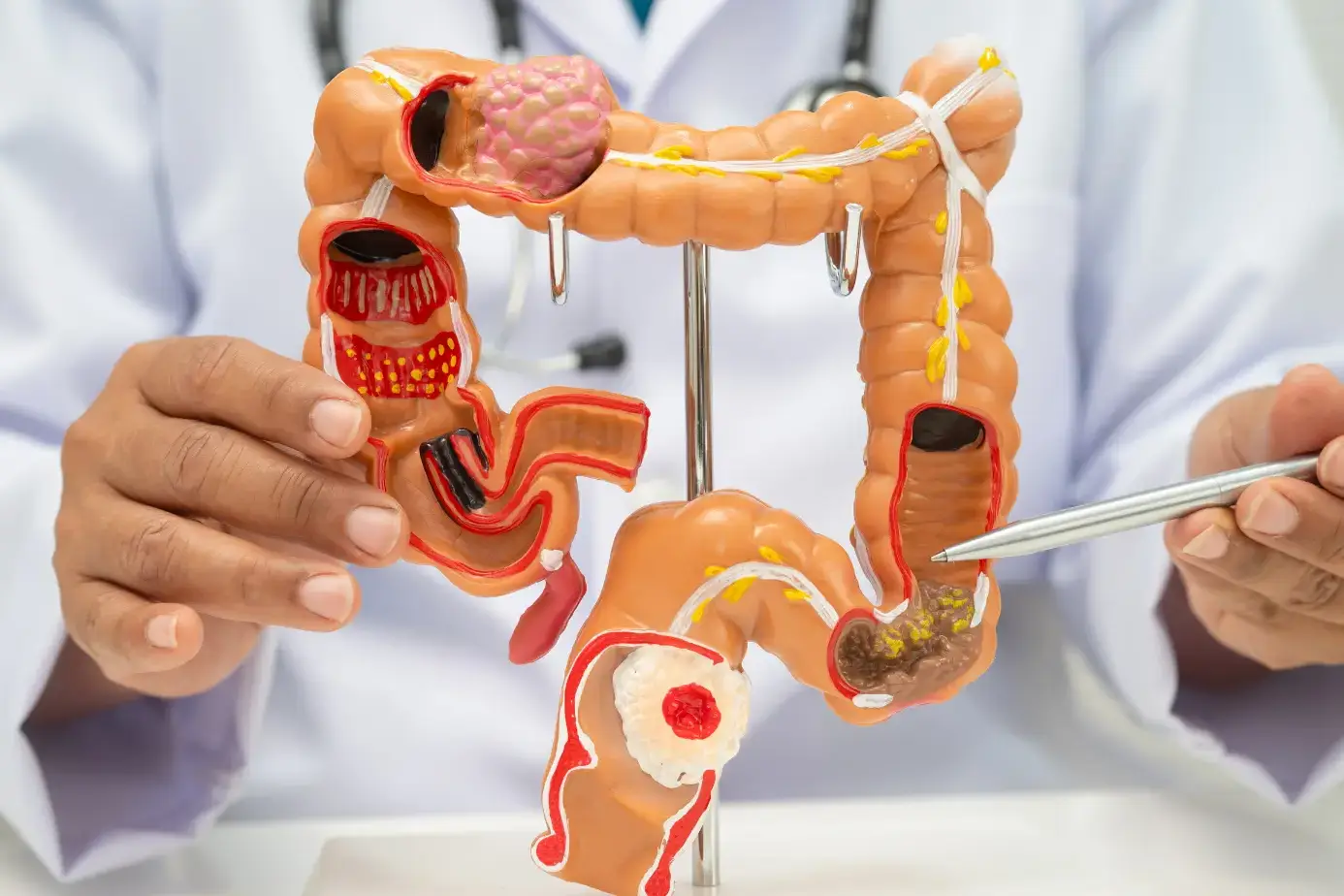
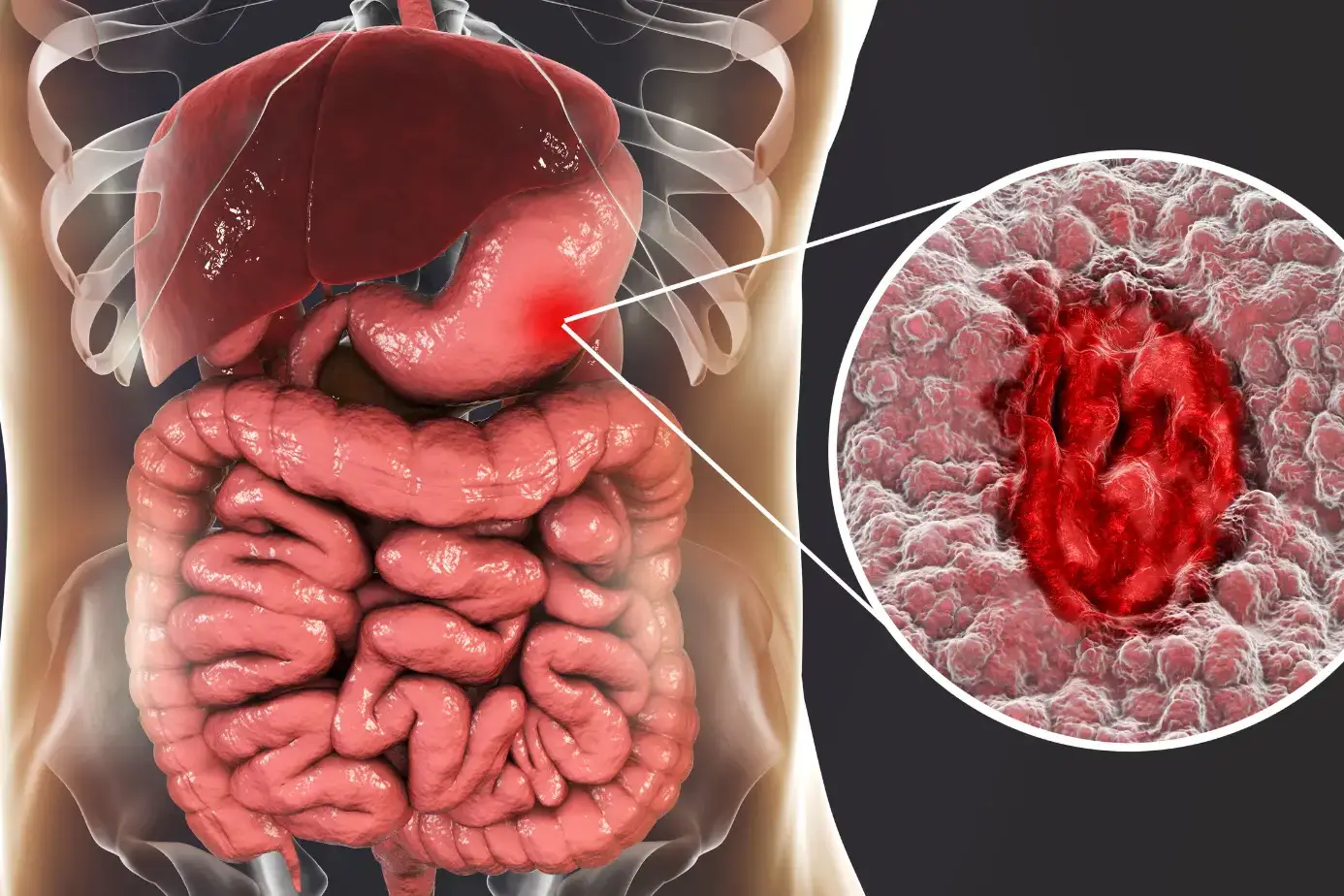
Bile acid malabsorption (BAM) usually responds well to bile acid sequestrants, and you can also improve with a lower-fat diet. Whether it can be fully cured depends on what caused it in the first place. This guide covers BAM causes, symptoms, diagnosis, and the treatments that produce real, measurable relief.
What Is Bile Acid Malabsorption?
Bile acid malabsorption happens when your small intestine fails to reabsorb bile acids properly. Excess bile acids then spill into your colon, where they pull in water and trigger urgent, loose stools. This is one of the most overlooked causes of persistent diarrhea in adult gastroenterology practice today.
Your liver makes bile acids to help digest fat. After digestion, roughly 95% of them are supposed to be recycled back into circulation through your terminal ileum. When that recycling fails, the leftover bile acids irritate your colon lining and speed up bowel movements. The result is watery, sometimes urgent diarrhea, often paired with bloating and cramping.
Bile acid malabsorption symptoms include:
- Chronic, watery diarrhea, often several times a day
- Sudden urgency with little warning
- Bloating and lower abdominal cramping
- Pale, greasy, or foul-smelling stools in severe cases
- Fecal incontinence episodes, especially at night
- Unintended weight changes, either loss or gain
What Causes Bile Acid Malabsorption?
Doctors group BAM into three types based on the underlying cause. Knowing your type matters more than the diagnosis itself, because it decides whether the condition is fixable or only manageable.
| Type | Cause | How Common |
| Type 1 | Ileal disease or surgical removal (Crohn’s disease, ileal resection) | Affects over 90% of patients with resected Crohn’s disease |
| Type 2 | Idiopathic, no clear structural cause found | Found in roughly one in three people with diarrhea-predominant IBS |
| Type 3 | Secondary to another condition (gallbladder removal, celiac disease, pancreatic disease, radiation therapy, small intestinal bacterial overgrowth) | Very common after cholecystectomy |
Bile acid malabsorption after gallbladder removal is one of the most frequently missed diagnoses in follow-up care. Once your gallbladder is gone, bile drips into your intestine continuously instead of on a controlled schedule, which can overwhelm your reabsorption capacity. If your diarrhea started or worsened after gallbladder surgery , bile acid malabsorption deserves a serious look before anything else is blamed.
Certain medications, including metformin, can also trigger bile acid diarrhea as a side effect.
Can Bile Acid Malabsorption Be Cured?
Yes and no, and the honest answer depends entirely on your BAM type. Type 1 BAM tied to active Crohn’s disease can improve significantly once the underlying bowel inflammation is controlled. Type 3 BAM caused by gallbladder removal or celiac disease often responds once the trigger is treated or the diet is adjusted. Type 2, idiopathic BAM, usually has no removable cause, so treatment focuses on long-term symptom control rather than a permanent fix.
This is the real story behind most accounts of how I cured my bile acid malabsorption: symptoms went from daily disruption to rare, manageable flare-ups through consistent bile acid malabsorption treatment.
Bile Acid Sequestrants
Bile acid sequestrants are the first-line treatment for BAM and work by binding excess bile acids in your gut so they cannot irritate your colon. The three main options prescribed in the United States are:
- Cholestyramine , the oldest and most studied option, taken as a powder mixed with liquid
- Colesevelam , a newer tablet form that many patients tolerate with fewer GI side effects
- Colestipol, an alternative for patients who cannot tolerate the other two
A 2024 randomized, placebo-controlled phase 4 trial published in Lancet Gastroenterology & Hepatology found colesevelam produced meaningful improvement in stool consistency and diarrhea frequency compared to placebo. In a separate retrospective review of cancer treatment patients at a major UK cancer center, symptoms improved in 85% of those started on colesevelam or a low-fat diet. Your doctor decides dosing and timing based on your response, so do not self-prescribe.
Dietary Changes
Cutting dietary fat reduces how much bile acid your liver needs to release, which lowers the amount reaching your colon. This will not replace medication for moderate to severe bile acid diarrhea, but it often reduces the number of flare-ups. Practical changes include:
- Limiting fried foods, full-fat dairy, and processed meats
- Swapping saturated fats for moderate amounts of avocado, salmon, or nuts
- Eating smaller, more frequent meals instead of large fatty ones
- Tracking symptoms against meals to identify personal trigger foods
Work with a registered dietitian before cutting fat aggressively. Your body still needs fat-soluble vitamins, and severe restriction can create new nutritional gaps.
How Is Bile Acid Malabsorption Diagnosed?
Bile acid malabsorption diagnosis starts with ruling out other causes of chronic diarrhea, including infection, inflammatory bowel disease, and celiac disease. Many clinicians in the United States then use an empirical trial of a bile acid sequestrant as a practical diagnostic step, since a strong response supports the diagnosis without expensive testing.
Where available, doctors may order:
- The SeHCAT scan, considered the international gold standard but rarely available in the US
- Serum 7α-hydroxy-4-cholesten-3-one (C4) testing, a blood marker of bile acid overproduction
- 48-hour fecal bile acid testing, which directly measures bile acid loss in stool
Studies show bile acid malabsorption is present in roughly 30% of people previously diagnosed with diarrhea-predominant IBS, which means a large share of “IBS” cases may actually be undiagnosed BAM.
How Long Does Treatment Take to Work?
Most patients who respond to bile acid sequestrants notice a change within one to two weeks of consistent use. Full symptom stabilization, including finding the right dose and adjusting diet, commonly takes four to eight weeks. Patients with Type 1 BAM tied to active Crohn’s disease may need longer, since bowel inflammation has to improve first.
When to See a Gastroenterologist
See a gastroenterologist if you have any of the following:
- Diarrhea lasting longer than four weeks
- Blood in your stool or black, tarry stools
- Unintended weight loss
- Signs of dehydration, including dizziness or dark urine
- Severe abdominal pain
- Diarrhea that started after gallbladder surgery, pelvic radiation, or a Crohn’s disease diagnosis
Chronic diarrhea that gets labeled as IBS without testing for bile acid malabsorption is a common reason treatment stalls for years.
FAQs
Can bile acid malabsorption be cured?
Yes, if it is caused by a treatable trigger like active Crohn’s disease. Idiopathic Type 2 BAM cannot usually be cured, but sequestrants control symptoms long term in most patients.
What is the best treatment for bile acid malabsorption?
Bile acid sequestrants, primarily cholestyramine or colesevelam, are the first-line treatment. Most gastroenterologists pair medication with a lower fat diet for better results.
Does bile acid malabsorption go away on its own?
No. Without treatment, symptoms typically persist or worsen. Type 3 BAM can resolve if the underlying trigger, such as an infection, is treated.
How do you know if diarrhea is caused by bile acids?
A rapid, positive response to a bile acid sequestrant trial strongly suggests bile acid diarrhea. Blood C4 testing or fecal bile acid testing confirms it when available.
Can bile acid malabsorption happen after gallbladder removal?
Yes. Continuous bile flow after cholecystectomy commonly overwhelms the intestine’s reabsorption capacity, making this one of the most common secondary causes of BAM.
Sources
- Cleveland Clinic: Bile Acid Malabsorption
- Mayo Clinic: Identifying Diarrhea Caused by Bile Acid Malabsorption
- Mayo Clinic Laboratories: Bile Acid Malabsorption Insights
- PMC: Pathophysiology and Clinical Management of Bile Acid Diarrhea
- PubMed: Bile Acid Malabsorption in Chronic Diarrhea, Pathophysiology and Treatment
- PubMed: Prevalence of and Predictors of Bile Acid Malabsorption in Outpatients With Chronic Diarrhea
- PMC: Bile Acid Malabsorption as a Consequence of Cancer Treatment, Royal Marsden Cohort
- Gastroenterology (AGA Journal): Current Practice in the Diagnosis of Bile Acid Diarrhea
- PMC: Methods for Diagnosing Bile Acid Malabsorption, a Systematic Review
- Guts UK: Bile Acid Diarrhoea Patient Information
About The Author

Medically reviewed by Dr. Nivedita Pandey, MD, DM (Gastroenterology)
Dr. Nivedita Pandey is a U.S.-trained gastroenterologist and hepatologist with extensive experience in diagnosing and treating liver diseases and gastrointestinal disorders. She specializes in liver enzyme abnormalities, fatty liver disease, hepatitis, cirrhosis, and digestive health.
All content is reviewed for medical accuracy and aligned with current clinical guidelines.