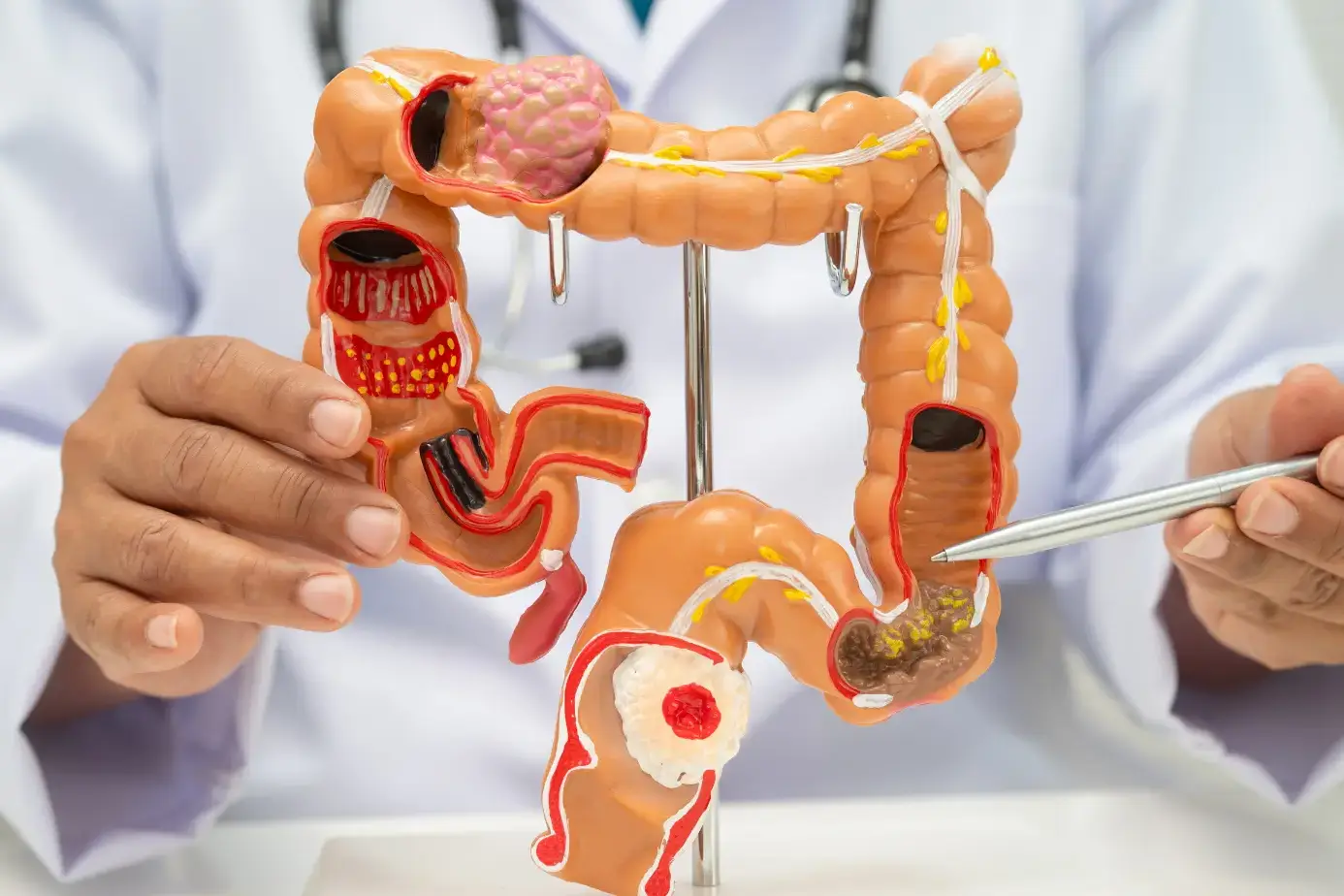
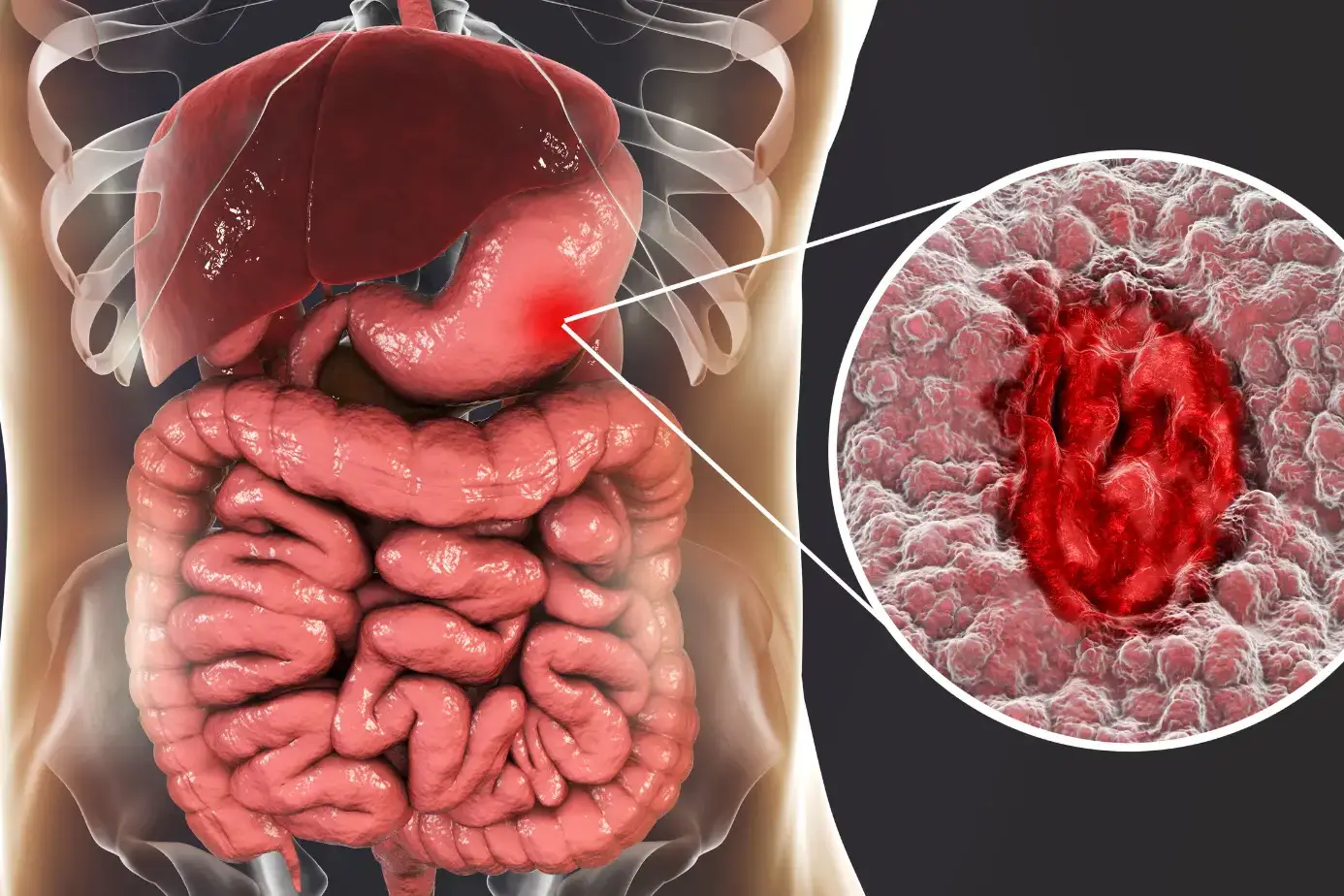
Lactose intolerance is the inability to fully digest lactose, the natural sugar found in milk and dairy products, due to insufficient production of the enzyme lactase in the small intestine. It is classified under ICD-10 code E73 and affects an estimated 68 percent of the global adult population, according to the National Institute of Diabetes and Digestive and Kidney Diseases (NIDDK). In the United States, roughly 30 to 50 million adults have some degree of lactose malabsorption.
Lactose intolerance is not a disease or allergy. It is a digestive limitation that ranges from mild to severe. Most people can still consume small amounts of dairy without symptoms.
How Lactose Digestion Normally Works
Lactose is a disaccharide sugar made of glucose and galactose bonded together. The small intestine cannot absorb lactose in its whole form. It must first be broken down by the enzyme lactase, produced by cells lining the small intestine wall.
Role of Lactase Enzyme in Digestion
Lactase sits on the surface of enterocytes (intestinal lining cells) in the small intestine. When lactose reaches the small intestine from the stomach, lactase splits it into glucose and galactose. Both sugars then absorb into the bloodstream normally. In people who produce enough lactase, this process happens without any symptoms.
How Lactose Is Broken Down in the Intestine
Lactase activity peaks in infancy, when breast milk or formula is the primary food source. After age 2 to 5, the gene controlling lactase production (LCT gene) gradually reduces activity in most people. The degree of reduction varies by ethnicity and genetics.
Why Undigested Lactose Causes Symptoms
When lactase levels fall too low to process all the lactose consumed, undigested lactose passes into the large intestine. There, gut bacteria ferment it, producing hydrogen, methane, and carbon dioxide gas. This fermentation draws water into the colon through osmosis, producing diarrhea, bloating, and cramping within 30 minutes to 2 hours after dairy consumption.
Causes of Lactose Intolerance
The causes of lactose intolerance fall into four distinct categories, each affecting lactase production through a different mechanism. Understanding which type applies matters for choosing the right management approach.
Natural Decline in Lactase Production With Age
Primary lactase deficiency is the most common form. It is genetically programmed in most humans. Lactase activity decreases after early childhood. By adulthood, people of East Asian descent show 70 to 100 percent prevalence of lactase deficiency.
Native American and African populations show rates of 60 to 80 percent. Northern European populations show the lowest rates at 2 to 20 percent, due to a genetic mutation (LCT-13910C>T) that maintains lactase production into adulthood.
Genetic Causes of Lactose Intolerance
Congenital lactase deficiency is a rare inherited condition where the LCT gene produces no functional lactase from birth. Infants with this condition cannot digest breast milk and develop severe diarrhea immediately after feeding. It requires a completely lactose-free formula from day one. This form is extremely rare and distinct from the common adult-onset type.
Digestive Diseases Affecting Lactase Levels
Secondary lactase deficiency results from intestinal disease or injury that damages the cells producing lactase. Conditions causing secondary lactose intolerance include:
- Celiac disease: Gluten damages intestinal villi, reducing lactase-producing cell surface area
- Crohn’s disease: Active inflammation destroys intestinal lining integrity
- Gastroenteritis (stomach flu): Viral or bacterial infection temporarily depletes lactase
- Small intestinal bacterial overgrowth (SIBO): Excess bacteria interfere with lactase activity
- Chemotherapy or radiation: Treatment to the abdominal area damages intestinal mucosa
Temporary Lactose Intolerance After Infections
Post-infectious lactose intolerance commonly follows rotavirus or norovirus gastroenteritis, particularly in young children. Lactase activity drops during the infection and typically recovers within 4 to 8 weeks as the intestinal lining heals. Adults can also develop transient lactose malabsorption after acute gastroenteritis, even if they had no previous issues with dairy.
Symptoms of Lactose Intolerance
Symptoms of lactose intolerance appear within 30 minutes to 2 hours of consuming lactose-containing foods, though timing and severity depend on how much lactose was eaten, the individual’s lactase activity level, and gut transit speed. Symptoms resolve when lactose clears the colon, usually within 3 to 6 hours.
Common symptoms:
- Bloating: Gas produced by bacterial fermentation distends the colon, causing visible abdominal swelling
- Abdominal cramping: Colonic spasms from rapid gas production and osmotic fluid shifts produce lower abdominal pain
- Diarrhea: Osmotic effect pulls water into the colon, speeding transit and producing loose, watery stools
- Excessive flatulence: Hydrogen and methane gas from lactose fermentation accumulates and is expelled
- Nausea: Most common in people who consume large amounts of dairy quickly; less common at smaller doses
- Audible bowel sounds: Loud gut sounds (borborygmi) from gas and fluid moving through the colon
Severity scales with lactose dose. Most people with lactose intolerance can consume 12g of lactose (one 8-oz glass of milk) without severe symptoms, according to a 2010 systematic review published in Annals of Internal Medicine by Savaiano and colleagues.
Foods Commonly Triggering Lactose Intolerance Symptoms
Milk and Ice Cream
Whole, low-fat, and skim milk contain 12g of lactose per cup. Ice cream contains 6 to 9g per half-cup serving. These foods have high lactose density and trigger symptoms faster than fermented dairy.
Soft Cheeses and Cream-Based Foods
Soft cheeses (ricotta, cottage cheese, cream cheese) retain high lactose content because they are not aged. Hard aged cheeses (cheddar, parmesan, Swiss) contain less than 0.5g of lactose per serving due to the fermentation process breaking down most of the lactose during aging. Cream sauces, cream soups, and custards also carry high lactose loads.
Processed Foods Containing Hidden Lactose
Lactose appears under multiple names on ingredient labels. Reading labels carefully is essential for managing lactose intolerance effectively.
Hidden lactose sources include:
- Bread and baked goods with milk solids
- Instant mashed potatoes, soups, and cereals
- Margarine and non-dairy creamers (some contain milk derivatives)
- Processed meats (hot dogs, luncheon meats with milk fillers)
- Medications and supplements using lactose as a filler (approximately 20 percent of prescription drugs)
Whey and Milk Powder Ingredients
Whey protein concentrate contains 4 to 5g of lactose per 100g. Whey protein isolate contains less than 1g per 100g because isolation removes most lactose. Milk powder used in processed foods and protein bars is a concentrated lactose source that many people with lactose intolerance do not realize is present.
Lactose-Free Foods and Milk Alternatives
Lactose-free foods and milk alternatives cover all nutritional bases for people who need to reduce or eliminate dairy. They range from enzyme-treated dairy products to plant-based beverages.
Lactose-Free Milk Products
Lactose-free milk is regular cow’s milk treated with the lactase enzyme before packaging. The lactase pre-digests the lactose into glucose and galactose. The result tastes slightly sweeter than regular milk (because glucose and galactose are sweeter than lactose) but provides identical protein, calcium, and vitamin D content.
Almond, Soy, Oat, and Coconut Milk Options
| Alternative | Protein per Cup | Calcium (fortified) | Notes |
| Soy milk | 7–8g | 300mg | Closest protein match to cow’s milk |
| Oat milk | 2–4g | 350mg (fortified) | Higher in carbohydrates |
| Almond milk | 1g | 450mg (fortified) | Low protein; suits low-calorie needs |
| Coconut milk | 0–1g | Varies | High in saturated fat |
Dairy-Free Yogurt and Cheese Alternatives
Coconut, almond, and soy-based yogurts are widely available and fortified with calcium and vitamin D. Dairy-free cheeses made from cashews or soy provide similar textures but typically contain less protein than cow’s milk cheese. Fermented soy products like tempeh and miso contain no lactose and provide additional probiotic benefit.
Calcium-Fortified Non-Dairy Products
Many orange juice brands and non-dairy milks add 300 to 450mg of calcium carbonate per serving, matching or exceeding dairy calcium levels. Fortified tofu (made with calcium sulfate) provides 250 to 860mg of calcium per half-cup, making it one of the most calcium-dense lactose-free foods and milk alternatives available.
Lactase Supplements for Dairy Digestion
Lactase supplements for dairy digestion contain the same lactase enzyme the small intestine produces. Taking them before eating dairy gives the supplement time to begin breaking down lactose before it reaches the colon.
How Lactase Enzyme Supplements Work
Supplements (Lactaid, Dairy Ease) provide lactase in tablet or liquid form. When consumed with dairy, the supplemental enzyme acts alongside whatever lactase the intestine still produces, increasing overall lactose digestion capacity. Each tablet typically provides 3,000 FCC (Food Chemical Codex) units of lactase activity.
Best Timing for Taking Lactase Supplements
Take lactase supplements for dairy digestion at the start of the meal, not 30 minutes before or after. Lactase must be present in the stomach when dairy arrives to be effective. Taking it too early means it degrades before dairy reaches it. Taking it after eating has no effect since lactose is already traveling through the intestine.
Effectiveness and Individual Response
Lactase supplements for dairy digestion work well for most people with primary lactase deficiency. Effectiveness depends on how much lactose is consumed and the dose of supplement used. A 2015 randomized controlled trial in Alimentary Pharmacology and Therapeutics found that 9,000 FCC units of lactase (3 standard tablets) significantly reduced diarrhea and bloating after consuming 50g of lactose.
Situations Where Supplements May Not Fully Help
Supplements are less effective for people with secondary lactase deficiency caused by active intestinal disease (Crohn’s, celiac). In these cases, the underlying disease drives symptoms even beyond lactose malabsorption. Treating the root condition restores more normal lactase function than supplements alone can achieve.
How to Manage Lactose Intolerance
How to manage lactose intolerance relies on identifying personal tolerance thresholds, adjusting portion sizes, reading labels, and using enzymes strategically. Complete dairy elimination is rarely necessary.
Reducing Portion Sizes of Dairy
Most people with lactose intolerance tolerate up to 12g of lactose per sitting (one cup of milk). Splitting dairy intake into smaller portions across the day reduces the lactose load per digestion cycle. Drinking 4 oz of milk with a meal is tolerated significantly better than drinking 12 oz on an empty stomach.
Identifying Personal Tolerance Levels
Tolerance varies widely. Hard aged cheeses (cheddar, Swiss, parmesan) contain negligible lactose and tolerate well for most people. Full-fat dairy slows gastric emptying, reducing the rate at which lactose reaches the intestine, which improves tolerance compared to low-fat versions. Keeping a food and symptom diary over 2 weeks maps personal thresholds more accurately than any food list.
Combining Dairy With Meals for Digestion
Eating dairy as part of a larger mixed meal slows gastric emptying and reduces the speed of lactose delivery to the small intestine. Consuming milk alone on an empty stomach doubles symptom severity compared to consuming the same amount with food, per clinical data referenced in NIDDK guidelines.
Reading Food Labels Carefully
Look for these terms on ingredient labels to spot hidden lactose: milk, lactose, whey, curds, milk by-products, dry milk solids, nonfat dry milk powder, and malted milk. Foods labeled “non-dairy” can still legally contain casein or whey, both of which may carry lactose. Only “lactose-free” on the label guarantees removal.
Nutritional Concerns With Dairy Restriction
Calcium and Bone Health
Adults need 1,000 to 1,200mg of calcium daily, per National Institutes of Health (NIH) guidelines. Cutting dairy without replacing calcium sources risks bone density loss over time. Non-dairy calcium sources include fortified plant milks (300 to 450mg per cup), canned sardines with bones (325mg per 3 oz), fortified orange juice (350mg per cup), and cooked kale (94mg per half cup).
Vitamin D Intake and Deficiency Risk
Dairy is one of the primary food sources of vitamin D in the U.S. diet. Without it, vitamin D deficiency risk rises. Supplementing with 600 to 800 IU of vitamin D3 daily (the NIH Recommended Dietary Allowance for adults) compensates for this loss. Sun exposure produces vitamin D in skin but is unreliable as the primary source in northern U.S. states.
Protein Sources Without Dairy
Dairy provides approximately 8g of protein per cup of milk. Soy milk matches this. Eggs (6g per large egg), canned tuna (22g per 3 oz), and legumes (15g per half cup of lentils) replace dairy protein effectively without triggering lactose intolerance symptoms.
Maintaining Balanced Nutrition Long Term
Working with a registered dietitian (RD) is the most reliable way to confirm that eliminating dairy does not create nutritional gaps. RDs assess calcium, vitamin D, iodine (another dairy-derived nutrient), and protein intake, then recommend specific food or supplement adjustments.
Gut Health and Lactose Intolerance
Gut Bacteria Fermentation and Gas Production
The colon contains hundreds of bacterial species. When undigested lactose arrives, bacteria produce hydrogen and methane gas through fermentation. Hydrogen breath testing, the standard diagnostic tool for lactose intolerance, measures hydrogen exhaled after a lactose load (25g), with a rise above 20 parts per million indicating malabsorption.
IBS Overlap With Lactose Intolerance Symptoms
An important fact missed by most published articles: up to 40 percent of IBS patients also have lactose malabsorption, per a 2014 review in the Journal of Gastroenterology and Hepatology . But in many IBS patients, lactose intolerance symptoms persist even after going lactose-free, because IBS involves visceral hypersensitivity independent of lactose. A positive hydrogen breath test does not confirm that lactose is the sole symptom driver.
Digestive Sensitivity and Food Triggers
Lactose intolerance can coexist with fructose malabsorption, sorbitol sensitivity, or FODMAP sensitivity. People who remove dairy but still have bloating and cramping should consider a broader FODMAP assessment under dietitian guidance, rather than assuming lactose is the only issue.
Probiotics and Digestive Support
Lactobacillus acidophilus and Bifidobacterium longum produce their own beta-galactosidase enzyme, which helps break down lactose in the colon. A 2018 meta-analysis in Nutrients (Savaiano et al.) found that probiotic supplementation reduced bloating and diarrhea severity in lactose-intolerant adults in 6 of 8 randomized trials analyzed.
Yogurt with live active cultures is particularly effective because live bacteria survive gastric transit and actively digest lactose in the intestine.
Common Mistakes People Make With Lactose Intolerance
Most people managing lactose intolerance make avoidable errors that either over-restrict their diet unnecessarily or miss hidden lactose sources that continue triggering symptoms.
Common mistakes:
- Eliminating all dairy permanently. Most people with lactose intolerance tolerate up to 12g of lactose per sitting; cutting everything removes calcium and protein unnecessarily
- Assuming “non-dairy” means lactose-free. Non-dairy coffee creamers and whipped toppings frequently contain sodium caseinate, a milk derivative that may carry residual lactose
- Taking lactase supplements after eating. Lactase must be present at the start of dairy consumption to be effective; post-meal dosing has no clinical benefit
- Not testing hard aged cheeses. Cheddar, parmesan, and Swiss contain less than 0.5g of lactose per serving and tolerate well for the majority of people with lactose intolerance
- Skipping the hydrogen breath test. Self-diagnosing without testing can lead to unnecessary dairy restriction or missed secondary causes like celiac disease
- Ignoring medications as lactose sources. Approximately 20 percent of prescription drugs and 65 percent of over-the-counter medications use lactose as a filler, according to NIDDK data
FAQs
What causes lactose intolerance to develop over time?
Lactose intolerance develops when the LCT gene gradually reduces lactase enzyme production after early childhood. This is genetic and affects 65 to 75 percent of the global population. East Asian, African, and Native American populations experience 70 to 100 percent prevalence by adulthood. Intestinal disease (celiac, Crohn’s) accelerates this decline by damaging lactase-producing cells.
What are the most common symptoms of lactose intolerance?
The symptoms of lactose intolerance are bloating, abdominal cramping, diarrhea, excessive gas, and nausea. These start within 30 minutes to 2 hours after eating dairy and resolve within 3 to 6 hours. Severity depends on lactose dose and individual lactase levels. A 12g lactose load (one cup of milk) triggers symptoms in most lactase-deficient adults.
How quickly do symptoms appear after eating dairy?
Lactose intolerance symptoms appear within 30 minutes to 2 hours after dairy consumption. Liquid dairy (milk, cream) triggers symptoms faster than solid dairy (cheese, butter) because liquids empty from the stomach into the small intestine more quickly. Eating dairy with a large meal slows gastric emptying and delays symptom onset by up to 60 minutes.
Which dairy foods commonly trigger digestive symptoms?
Milk (12g lactose per cup), ice cream (6 to 9g per half cup), soft cheeses like ricotta and cottage cheese (3 to 4g per half cup), and cream-based sauces are the highest triggers. Hard aged cheeses (cheddar, parmesan, Swiss) contain less than 0.5g of lactose per serving and tolerate well for most people with lactose intolerance.
How do lactase supplements help digest lactose?
Lactase supplements for dairy digestion (Lactaid, Dairy Ease) supply the enzyme externally. One tablet provides 3,000 FCC lactase units. Three tablets (9,000 FCC) significantly reduce diarrhea and bloating after 50g of lactose, per a 2015 RCT in Alimentary Pharmacology and Therapeutics . Take supplements at the start of the meal, not before or after.
What are the best lactose-free milk alternatives?
Soy milk is the best match for cow’s milk nutrition: 7 to 8g protein per cup and 300mg calcium when fortified. Oat milk provides 350mg calcium (fortified) but only 2 to 4g protein. Almond milk offers 450mg calcium but just 1g protein. Lactose-free cow’s milk provides identical nutrition to regular milk with zero lactose. These are the top lactose-free foods and milk alternatives for daily use.
Can people with lactose intolerance still eat some dairy products?
Yes. Most people with lactose intolerance tolerate up to 12g of lactose per sitting, equivalent to one cup of milk. Hard aged cheeses (cheddar, Swiss, parmesan) contain less than 0.5g lactose per serving and rarely cause symptoms. Yogurt with live cultures is well-tolerated because bacteria pre-digest the lactose. Complete dairy elimination is unnecessary for most people.
How is lactose intolerance different from milk allergy?
Lactose intolerance involves the digestive system and causes bloating, gas, and diarrhea within 2 hours. Milk allergy involves the immune system and causes hives, swelling, vomiting, or anaphylaxis within minutes to 1 hour. Milk allergy requires strict avoidance of all milk proteins (casein, whey). Lactose intolerance does not involve any immune reaction and allows some dairy in most cases.
Why does lactose intolerance cause gas and bloating?
Undigested lactose feeds colonic bacteria, which produce hydrogen and methane gas through fermentation. This gas distends the colon, causing bloating and flatulence. The same fermentation draws water into the colon through osmosis, producing loose stools. A hydrogen breath test measures this gas production directly, rising above 20 ppm indicates lactose intolerance.
When should lactose intolerance symptoms be medically evaluated?
Seek evaluation when symptoms persist on a strict dairy-free diet (suggests another condition), when diarrhea is bloody or contains mucus, when symptoms include significant weight loss, when symptoms begin suddenly in adulthood after years of normal dairy tolerance (possible celiac or Crohn’s onset), or when standard how to manage lactose intolerance strategies produce no relief after 4 weeks.
Conclusion
Lactose intolerance is a manageable digestive condition, not a permanent barrier to good nutrition. Understanding the difference between lactase deficiency and dairy allergy, identifying personal tolerance thresholds, and using lactase supplements correctly keeps most people well within the range of comfortable dairy consumption.
The nutritional risks of eliminating dairy are real: calcium, vitamin D, protein, and iodine all require deliberate replacement. Lactose-free foods and milk alternatives now make this straightforward, but planning matters. Soy milk, fortified plant milks, aged hard cheeses, and yogurt with live cultures cover most gaps without triggering symptoms.
When standard management strategies do not produce relief, medical evaluation rules out secondary causes like celiac disease, Crohn’s, or SIBO, conditions that require targeted treatment beyond dietary adjustment.
About The Author

Medically reviewed by Dr. Nivedita Pandey, MD, DM (Gastroenterology)
Dr. Nivedita Pandey is a U.S.-trained gastroenterologist and hepatologist with extensive experience in diagnosing and treating liver diseases and gastrointestinal disorders. She specializes in liver enzyme abnormalities, fatty liver disease, hepatitis, cirrhosis, and digestive health.
All content is reviewed for medical accuracy and aligned with current clinical guidelines.