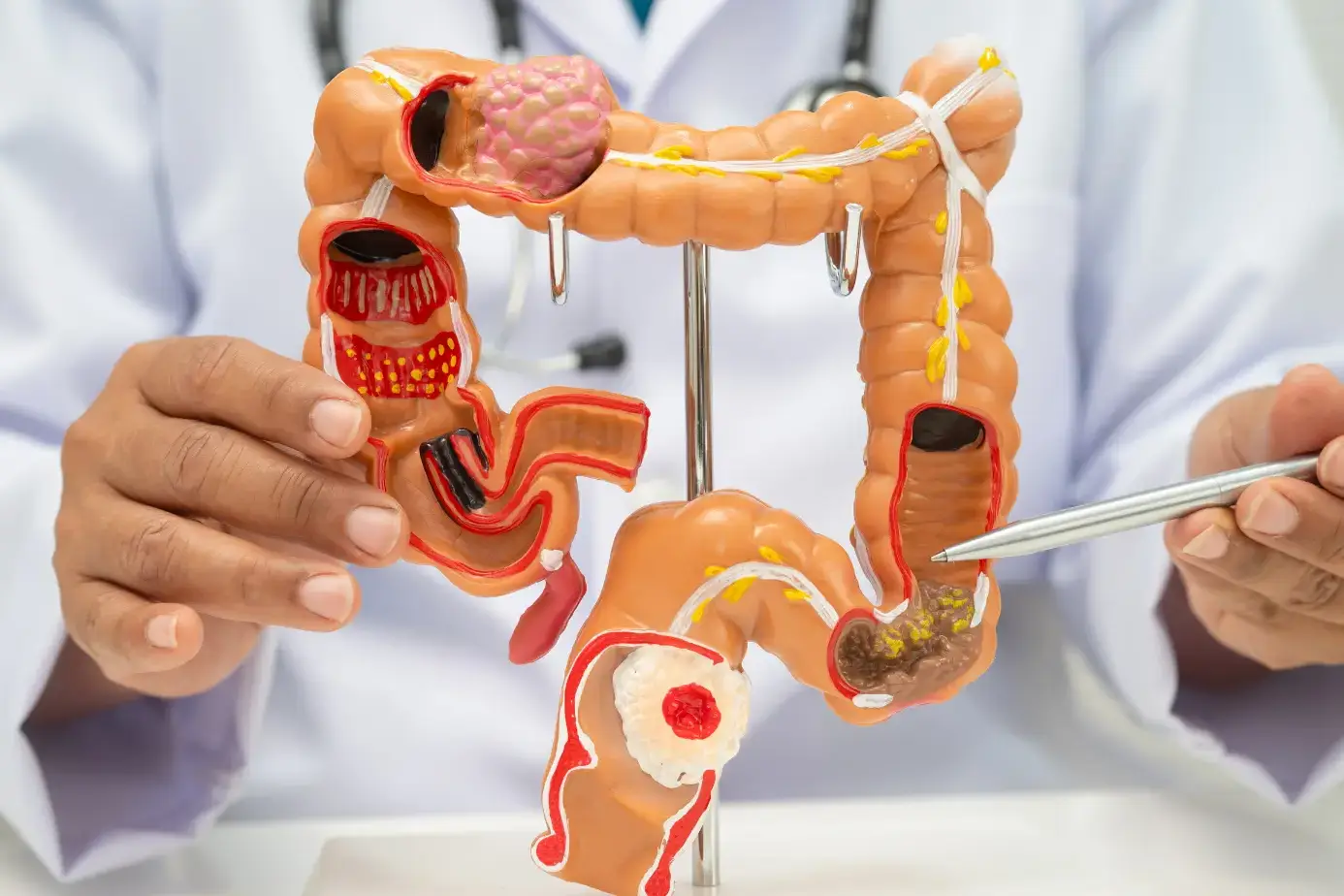
The differences between gastric and duodenal ulcers come down to location, pain timing, cancer risk, and acid patterns. Both are peptic ulcers (ICD-10: K25 for gastric, K26 for duodenal), meaning open sores in the digestive tract lining caused by acid erosion.
In the U.S., approximately 4.5 million people are affected by peptic ulcer disease annually, per the National Institute of Diabetes and Digestive and Kidney Diseases (NIDDK). Duodenal ulcers are 4 times more common than gastric ulcers in Western populations.
The most clinically significant difference: gastric ulcers carry a small but real cancer risk and always require biopsy during endoscopy. Duodenal ulcers are almost never cancerous.
Gastric Ulcer vs Duodenal Ulcer Explained
Gastric ulcer vs duodenal ulcer explained : a gastric ulcer forms in the stomach wall itself, while a duodenal ulcer forms in the first section of the small intestine (the duodenum), directly below the stomach.
Both are part of the peptic ulcer disease spectrum. Understanding their locations explains why pain timing, food effects, and treatment responses differ between the two types.
Location Differences in the Digestive Tract
A gastric ulcer forms on the inner lining of the stomach, most commonly along the lesser curvature (the inner curved wall of the stomach). A duodenal ulcer forms in the duodenal bulb, the first 2 to 3 cm of the duodenum. The duodenum receives partially digested food mixed with stomach acid from the stomach. It has less mucosal protection than the stomach, which is why it is more vulnerable to acid damage.
Stomach Ulcers vs Small Intestine Ulcers
Gastric ulcers form in the stomach, which produces acid. Duodenal ulcers form in the small intestine, which receives acid from the stomach. This location difference changes everything about symptom timing. When food enters the stomach, it stimulates more acid production. For gastric ulcers, this worsens pain. For duodenal ulcers, food temporarily neutralizes the acid already in the duodenum, briefly relieving pain.
Acid Exposure and Tissue Injury Patterns
Gastric ulcer patients often have normal or low acid production. The ulcer forms because the stomach’s protective mucus barrier has broken down, usually from H. pylori infection or NSAID use.
Duodenal ulcer patients typically produce excess acid, with duodenal acid exposure exceeding the protective capacity of the duodenal mucosa. This difference in acid physiology is a core part of the differences between gastric and duodenal ulcers that most blog articles skip entirely.
Why Symptoms Differ Between Ulcer Types
Because gastric ulcers sit in a high-acid environment and food triggers more acid, eating worsens gastric ulcer pain. Duodenal ulcers sit downstream of the stomach, where food briefly buffers acid before gastric emptying delivers a fresh acid wave. This is why duodenal ulcer pain follows a predictable hunger-pain cycle, peaking 2 to 3 hours after meals and at night.
Gastric and Duodenal Ulcer Symptoms
Gastric and duodenal ulcer symptoms overlap significantly but differ in one critical way: meal timing and pain. Both cause upper abdominal burning, nausea, and bloating. The timing of pain in relation to eating is the clearest clinical clue for distinguishing between the two types without endoscopy.
Burning Upper Abdominal Pain
Both ulcer types cause burning or gnawing pain in the upper abdomen, between the navel and breastbone. This is the most common presenting symptom in both. The pain comes from stomach acid contacting raw, unprotected tissue at the ulcer site. Antacids temporarily neutralize the acid and provide brief relief, which is one of the most consistent findings in both types.
Pain Timing Before or After Meals
This is the most diagnostically useful symptom difference between the two types:
| Feature | Gastric Ulcer | Duodenal Ulcer |
| Pain after eating | Worsens within 30–60 minutes | Improves temporarily |
| Pain before eating | Less common | Classic; hunger pain |
| Nighttime pain | Occasional | Common; wakes patients |
| Food as pain relief | Rarely helps | Yes, temporarily |
| Vomiting relief | Sometimes | Rarely |
Bloating, Nausea, and Indigestion
Both ulcer types produce nausea, bloating, and general indigestion. In gastric ulcer patients, nausea is more pronounced after meals. In duodenal ulcer patients, nausea tends to appear when the stomach is empty and acid irritates the duodenum without a food buffer. Bloating results from delayed gastric emptying caused by pyloric inflammation near the ulcer site.
Appetite Changes and Weight Loss
Gastric ulcer patients often lose weight because eating triggers pain, leading to food avoidance. Duodenal ulcer patients sometimes maintain weight or eat more frequently to relieve pain, which temporarily buffers acid. Significant unintentional weight loss alongside ulcer symptoms warrants urgent endoscopy to rule out gastric cancer.
Nighttime Pain and Hunger-Related Discomfort
Nighttime pain is a hallmark of duodenal ulcers. Acid secretion peaks between 10 PM and 2 AM due to circadian rhythm effects on parietal cell activity. Without food buffering acid overnight, the duodenal ulcer faces maximum acid exposure. Patients often wake between midnight and 3 AM with burning pain relieved by eating a small snack or taking an antacid.
Key Difference: How Eating Affects Ulcer Pain
The meal-pain relationship is the single most important practical clue that separates these two ulcer types. The differences between gastric and duodenal ulcers in meal response come from the acid physiology of each location.
Gastric Ulcer Pain Worsening After Meals
When food enters the stomach, the stomach secretes gastrin, which triggers parietal cells to produce hydrochloric acid. This acid contacts the gastric ulcer directly. Pain peaks 30 to 60 minutes after eating and may persist for 1 to 2 hours. Patients often associate eating with discomfort and reduce food intake, producing weight loss over weeks to months.
Duodenal Ulcer Pain Improving Temporarily With Food
Food in the duodenum buffers the acid already present there. This provides 30 to 60 minutes of pain relief. Then, as the stomach empties its acid-rich contents into the duodenum 2 to 3 hours later, pain returns. Patients learn to eat small frequent meals to maintain this buffering effect throughout the day.
Acid Secretion and Digestive Timing
Basal acid output (acid produced when the stomach is at rest) is elevated in 40 percent of duodenal ulcer patients compared to healthy controls, per data published in Gut (Lam SK, 1988). Gastric ulcer patients more commonly show normal or reduced acid output with impaired mucosal defense. This is why the same PPI dose treats both types but the underlying acid physiology differs substantially.
Why Nighttime Symptoms Are Common in Duodenal Ulcers
The vagus nerve drives gastric acid secretion during sleep. Without food in the stomach or duodenum to buffer acid, the duodenal ulcer receives uninterrupted acid exposure from approximately 10 PM to 6 AM. This is why patients with duodenal ulcers report that nighttime pain is often their most disruptive symptom and the one most likely to bring them to a doctor.
Causes of Gastric and Duodenal Ulcers
The types of peptic ulcers comparison by cause shows that H. pylori and NSAIDs drive both types, but their relative contributions differ. H. pylori causes 70 percent of gastric ulcers and 90 percent of duodenal ulcers, according to the American College of Gastroenterology (ACG).
Helicobacter Pylori Infection
- pylori damages the protective mucus layer of the stomach and duodenum. In the duodenum, H. pylori infection causes gastric metaplasia (stomach-type cells forming in the duodenum), making the duodenal tissue vulnerable to acid erosion. The CagA-positive H. pylori strains carry higher virulence and are more strongly linked to duodenal ulcers and gastric cancer than CagA-negative strains.
NSAID Medications Damaging Stomach Lining
NSAIDs (ibuprofen, naproxen, aspirin) inhibit COX-1 enzymes, reducing prostaglandin production in the gastric and duodenal mucosa. Without prostaglandins, mucus production falls, blood flow to the mucosal wall decreases, and acid erodes unprotected tissue.
NSAID-related ulcers occur more commonly in the stomach than the duodenum. A 2017 systematic review in Alimentary Pharmacology and Therapeutics confirmed that daily NSAID use raises ulcer risk 3 to 5 times in both locations.
Smoking and Delayed Ulcer Healing
Nicotine reduces prostaglandin E2 synthesis, impairs mucosal blood flow, and inhibits pancreatic bicarbonate secretion (the duodenum’s main acid-neutralizing mechanism). Smokers heal ulcers 30 to 50 percent more slowly than non-smokers. Smoking also increases H. pylori treatment failure rates by reducing antibiotic delivery to gastric tissue through vasoconstriction.
Excess Acid Production and Digestive Irritation
Zollinger-Ellison syndrome (ZES), a rare condition caused by gastrin-secreting tumors (gastrinomas), produces extreme acid hypersecretion and causes multiple, atypical, treatment-resistant peptic ulcers in both the stomach and duodenum. ZES should be suspected when ulcers recur despite correct H. pylori eradication and NSAID cessation.
Risk Factors That Increase Ulcer Formation
Chronic Painkiller Use
Daily NSAID use over 3 months raises the risk of serious GI complications to 1 to 2 percent per year. Risk doubles in people over 65. The ACG recommends concurrent daily PPI use for anyone on long-term NSAIDs to reduce gastric and duodenal ulcer formation.
Alcohol and Stomach Irritation
Alcohol directly dissolves the mucous layer protecting the stomach and duodenum. Combined with H. pylori infection or NSAID use, alcohol increases ulcer formation risk synergistically. Heavy alcohol use is a documented independent risk factor for gastric ulcer bleeding.
Stress and Worsening Digestive Symptoms
Psychological stress raises cortisol levels, which reduces mucosal prostaglandin production and increases acid output. Stress ulcers form most commonly in ICU patients on ventilators. In outpatients, chronic psychological stress worsens existing ulcer symptoms but is a less direct cause of de novo ulcer formation than H. pylori or NSAIDs.
Older Age and Chronic Illness Risks
Adults over 65 who take NSAIDs for arthritis, take daily low-dose aspirin for cardiovascular disease, or have reduced mucosal blood flow from chronic illness are at significantly higher ulcer risk. In this population, gastric ulcers often present silently without pain, making a first presentation as GI bleeding more common.
Treatment for Gastric and Duodenal Ulcers
Treatment for gastric and duodenal ulcers follows the same core framework: suppress acid to allow healing, eradicate H. pylori if present, and remove NSAID or alcohol triggers. Healing time differs: duodenal ulcers typically heal in 4 to 6 weeks with PPIs. Gastric ulcers take 6 to 8 weeks and require follow-up endoscopy to confirm healing and rule out cancer.
Proton Pump Inhibitors Reducing Stomach Acid
PPIs (omeprazole, pantoprazole, lansoprazole, esomeprazole) reduce acid output by 90 to 95 percent by blocking the hydrogen-potassium ATPase pump in parietal cells. Standard dosing is 20 to 40mg daily, taken 30 to 60 minutes before the first meal.
- pylori-associated ulcers require PPI combined with antibiotics, not PPI alone. Acid suppression without H. pylori eradication leads to ulcer recurrence in 70 to 80 percent of cases within one year.
Antibiotics for H. Pylori Treatment
ACG guidelines now recommend bismuth quadruple therapy (bismuth subsalicylate, tetracycline, metronidazole, plus a PPI twice daily for 14 days) as the preferred first-line regimen in most U.S. patients, due to clarithromycin resistance exceeding 15 percent in many regions. Eradication confirmation using urea breath test or stool antigen test should occur at least 4 weeks after completing antibiotics and at least 2 weeks after stopping PPIs.
Stopping NSAID-Related Stomach Damage
When NSAIDs cause ulcers, stopping the drug is the first step. Switching to acetaminophen (paracetamol) for pain provides analgesia without COX-1 inhibition. When NSAIDs cannot be stopped (e.g., low-dose aspirin for cardiovascular prevention), concurrent daily PPI therapy reduces ulcer and bleeding risk by 60 to 70 percent, per ACG guidelines.
Long-Term Healing and Symptom Monitoring
Gastric ulcers require repeat endoscopy 8 to 12 weeks after treatment to confirm healing and to biopsy any residual abnormality. Duodenal ulcers do not require routine follow-up endoscopy if symptoms resolve. Patients who remain on NSAIDs or have had a complicated ulcer (bleeding, perforation) need ongoing PPI therapy and annual symptom review.
Diet Changes for Ulcer Healing
Diet changes for ulcer healing reduce acid stimulation and avoid direct mucosal irritation during recovery. Diet does not cure ulcers, but specific foods and habits meaningfully affect symptom severity and healing speed.
Foods to Eat During Ulcer Recovery
- Cooked oatmeal, boiled rice, plain crackers, and soft bread (low acid stimulation)
- Bananas, melons, cooked carrots, and spinach (low-acid, easy to digest)
- Skinless chicken, white fish, eggs, and tofu (lean protein without high fat load)
- Probiotic-rich foods: yogurt with live cultures, kefir (support mucosal health and H. pylori treatment)
- Chamomile and slippery elm tea (mild anti-inflammatory properties)
Avoiding Spicy and Acidic Foods
Capsaicin in hot peppers activates TRPV1 receptors in the stomach and duodenum, increasing pain and acid output. Citrus fruits, tomatoes, and vinegar-based foods raise local acid levels. Both gastric and duodenal ulcer symptoms worsen consistently with these foods during active ulcer disease.
Small Frequent Meals and Stomach Comfort
Eating 5 to 6 small meals daily (under 400 to 500 calories per sitting) prevents the large acid surges that accompany big meals. For duodenal ulcer patients specifically, maintaining a small amount of food in the stomach throughout the day buffers acid continuously, reducing the hunger-pain cycle.
Hydration and Digestive Support
Plain water and non-caffeinated herbal teas are the safest beverages. Caffeinated coffee (including decaf, which raises acid through chlorogenic acids), carbonated drinks, and alcohol all increase acid output or directly irritate the mucosal lining. Staying hydrated thins gastric secretions and supports mucosal blood flow during healing.
Foods and Habits That May Worsen Ulcers
Smoking and Ulcer Healing Delay
Smoking prolongs ulcer healing time by 30 to 50 percent. It reduces pancreatic bicarbonate output, the primary acid-neutralizing mechanism for the duodenum. Duodenal ulcer patients who smoke face significantly longer healing timelines and higher recurrence rates than non-smokers, even with correct medication.
Alcohol Increasing Stomach Irritation
Alcohol damages the gastric and duodenal mucosal barrier directly. It also increases gastrin release, raising acid output. Even moderate drinking during treatment for gastric and duodenal ulcers undermines PPI effectiveness by continuously re-exposing ulcers to mucosal damage.
Excess Caffeine and Acid Stimulation
Caffeine stimulates parietal cells to produce acid. It also relaxes the pyloric sphincter, speeding acid delivery from the stomach into the duodenum. This accelerates duodenal ulcer irritation. Switching to herbal teas for the duration of treatment is the most practical recommendation.
Skipping Meals and Worsening Discomfort
Skipping meals removes the acid-buffering effect of food. For duodenal ulcer patients especially, an empty stomach for 4 to 5 hours concentrates acid in the duodenum without dilution, significantly worsening pain and slowing mucosal healing. Regular meal timing is a low-cost, high-impact management tool.
Complications of Untreated Peptic Ulcers
Untreated peptic ulcers progress beyond pain into life-threatening complications. The differences between gastric and duodenal ulcers matter most in the complication profile: gastric ulcers carry cancer risk; duodenal ulcers are more prone to perforation.
Complications include:
- GI bleeding: The most common complication. Ulcers erode into blood vessels, causing slow or massive bleeding. Symptoms include black tarry stools, vomiting blood, or coffee-ground material. Requires emergency endoscopy
- Perforation: The ulcer penetrates completely through the stomach or duodenal wall, allowing gut contents into the abdominal cavity. Duodenal ulcers perforate more commonly. Presents as sudden severe abdominal rigidity requiring emergency surgery
- Gastric outlet obstruction: Scarring from a prepyloric gastric ulcer or duodenal ulcer narrows the stomach outlet, causing persistent vomiting of undigested food hours after eating
- Gastric cancer: Occurs in gastric ulcers only, particularly in patients with chronic H. pylori-associated atrophic gastritis and intestinal metaplasia. Duodenal ulcers carry essentially zero malignant risk. This is why all gastric ulcers require biopsy during endoscopy
Gastric Ulcers vs Duodenal Ulcers in Diagnosis
Endoscopy and Direct Ulcer Visualization
Upper GI endoscopy (esophagogastroduodenoscopy, EGD) is the gold standard for diagnosing both types. The gastroenterologist directly visualizes the ulcer, measures its size, identifies its location, and takes biopsies. Endoscopy distinguishes benign from malignant gastric ulcers with sensitivity above 90 percent when multiple biopsies are taken.
Testing for H. Pylori Infection
- pylori testing options include: urea breath test (most accurate non-invasive test, 95 percent sensitivity), stool antigen test (comparable accuracy, slightly cheaper), rapid urease test from biopsy (done during endoscopy), and serology (blood antibody test, lower accuracy after treatment). All patients with peptic ulcers should be tested for H. pylori regardless of suspected cause.
Blood Tests and Stool Testing
Complete blood count (CBC) identifies anemia from chronic GI bleeding. A hemoglobin drop below 10 g/dL with peptic ulcer symptoms indicates significant blood loss. Stool occult blood test confirms GI bleeding not visible to the patient. Serum gastrin levels screen for Zollinger-Ellison syndrome in patients with multiple or treatment-resistant ulcers.
Why Biopsy May Be Needed for Gastric Ulcers
Every gastric ulcer discovered at endoscopy requires multiple biopsies (minimum 6 to 8 samples from the ulcer edge and base) because gastric adenocarcinoma can appear identical to a benign ulcer on visual inspection. Duodenal ulcers do not require routine biopsy because duodenal adenocarcinoma is extremely rare. This biopsy requirement is one of the most important clinical differences between gastric and duodenal ulcers in practice.
Common Mistakes People Make With Ulcer Symptoms
Most people with peptic ulcers make avoidable errors that delay diagnosis, worsen complications, or reduce treatment effectiveness.
Common mistakes:
- Self-treating with antacids long-term without diagnosis. Antacids suppress pain but do not heal ulcers or eradicate H. pylori; they mask symptoms while ulcer damage progresses
- Continuing NSAIDs during treatment. This directly counteracts PPI-mediated healing by continuously removing mucosal prostaglandin protection
- Assuming duodenal ulcer pain is hunger. The hunger-pain cycle of duodenal ulcers causes patients to eat constantly and assume they have a metabolic issue rather than an ulcer
- Not confirming H. pylori eradication. Treatment failure rates for H. pylori reach 10 to 20 percent; confirming eradication with a urea breath test 4 weeks after completing antibiotics is required, not optional
- Skipping follow-up endoscopy for gastric ulcers. Gastric ulcers must be re-scoped at 8 to 12 weeks to confirm healing; an ulcer that does not heal on schedule requires additional biopsies to rule out cancer
- Smoking during treatment. Nicotine reduces antibiotic efficacy in gastric tissue and slows mucosal healing by 30 to 50 percent
FAQs
What is the main difference between gastric and duodenal ulcers?
The primary differences between gastric and duodenal ulcers are location and cancer risk. Gastric ulcers form in the stomach and carry malignant risk (requiring biopsy). Duodenal ulcers form in the first segment of the small intestine and are almost never cancerous. Duodenal ulcers cause pain 2 to 3 hours after eating; gastric ulcers cause pain within 30 to 60 minutes of eating.
Why does eating affect gastric ulcer pain differently from duodenal ulcer pain?
Food stimulates acid production in the stomach, which contacts the gastric ulcer directly, worsening pain within 30 to 60 minutes. In duodenal ulcers, food temporarily buffers acid already in the duodenum, briefly relieving pain. Then when the stomach empties acid into the duodenum 2 to 3 hours later, duodenal ulcer pain returns. This meal-pain pattern is the clearest clinical difference without endoscopy.
What are the most common symptoms of peptic ulcers?
Gastric and duodenal ulcer symptoms include burning upper abdominal pain, nausea, bloating, indigestion, and appetite changes. Gastric ulcers cause post-meal pain and weight loss from food avoidance. Duodenal ulcers cause hunger-like pain 2 to 3 hours after meals and classic nighttime pain between midnight and 3 AM due to peak acid secretion during sleep.
How does H. pylori infection contribute to ulcer formation?
- pylori produces urease to neutralize local acid, then releases CagA protein and VacA toxin that directly destroy mucosal cells. In the duodenum, H. pylori triggers gastric metaplasia, making duodenal tissue susceptible to acid damage. H. pylori causes 70 percent of gastric ulcers and 90 percent of duodenal ulcers, per the American College of Gastroenterology.
Which medications commonly increase ulcer risk?
NSAIDs (ibuprofen, naproxen, diclofenac, aspirin) are the primary culprits. They block COX-1 enzymes that produce protective prostaglandins in the gastric and duodenal mucosa. Daily NSAID use raises ulcer risk 3 to 5 times. Corticosteroids combined with NSAIDs raise risk by up to 15 times, per a 2017 review in Alimentary Pharmacology and Therapeutics .
What foods are easier to tolerate during ulcer healing?
Diet changes for ulcer healing include cooked oatmeal, boiled rice, bananas, cooked carrots, eggs, steamed chicken, white fish, and yogurt with live cultures. These foods produce low acid stimulation and support mucosal recovery. Probiotic-rich foods (yogurt, kefir) improve H. pylori eradication rates when combined with antibiotic therapy.
How are gastric and duodenal ulcers diagnosed?
Upper GI endoscopy (EGD) is the gold standard. The gastroenterologist visualizes the ulcer, confirms location, takes biopsies from gastric ulcers, and tests for H. pylori via rapid urease test. H. pylori can also be confirmed non-invasively with a urea breath test (95 percent sensitivity) or stool antigen test. Blood tests check for anemia from chronic bleeding.
Why are gastric ulcers sometimes biopsied during endoscopy?
Every gastric ulcer requires biopsy (minimum 6 to 8 samples) because gastric adenocarcinoma is visually indistinguishable from a benign ulcer. Missing a malignant gastric ulcer changes prognosis dramatically. Duodenal ulcers do not require routine biopsy because duodenal cancer is extremely rare.
What complications can occur if ulcers are left untreated?
Untreated peptic ulcers cause GI bleeding (black tarry stools or vomiting blood, requiring emergency endoscopy), perforation (sudden severe abdominal rigidity requiring emergency surgery), gastric outlet obstruction (persistent vomiting from scarring), and gastric cancer from untreated H. pylori-associated gastric ulcers. Duodenal ulcers perforate more often. Gastric ulcers carry cancer risk. Duodenal ulcers do not.
When should ulcer symptoms become medically urgent?
Go to the emergency room immediately for: vomiting blood or coffee-ground material, black tarry stools, sudden severe abdominal pain with rigid abdomen (perforation), fainting or rapid heart rate with abdominal pain (significant bleeding), and inability to keep any food or water down (obstruction). These are not symptoms to manage with antacids at home. Each requires same-day hospital evaluation and likely emergency endoscopy or surgery.
Conclusion
The differences between gastric and duodenal ulcers determine how each is diagnosed, treated, and monitored long-term. The meal-pain timing pattern, biopsy requirement for gastric ulcers, acid physiology differences, and cancer risk separation are the four most clinically significant distinctions, yet most patient-facing articles collapse both types into a single “peptic ulcer” category that serves no diagnostic purpose.
Treatment for gastric and duodenal ulcers follows the same foundational path: PPI acid suppression, H. pylori eradication with 14-day bismuth quadruple therapy when indicated, NSAID cessation, and diet changes for ulcer healing that reduce acid stimulation during recovery. Gastric ulcers additionally require follow-up endoscopy at 8 to 12 weeks to confirm healing and exclude malignancy.
About The Author

Medically reviewed by Dr. Nivedita Pandey, MD, DM (Gastroenterology)
Dr. Nivedita Pandey is a U.S.-trained gastroenterologist and hepatologist with extensive experience in diagnosing and treating liver diseases and gastrointestinal disorders. She specializes in liver enzyme abnormalities, fatty liver disease, hepatitis, cirrhosis, and digestive health.
All content is reviewed for medical accuracy and aligned with current clinical guidelines.