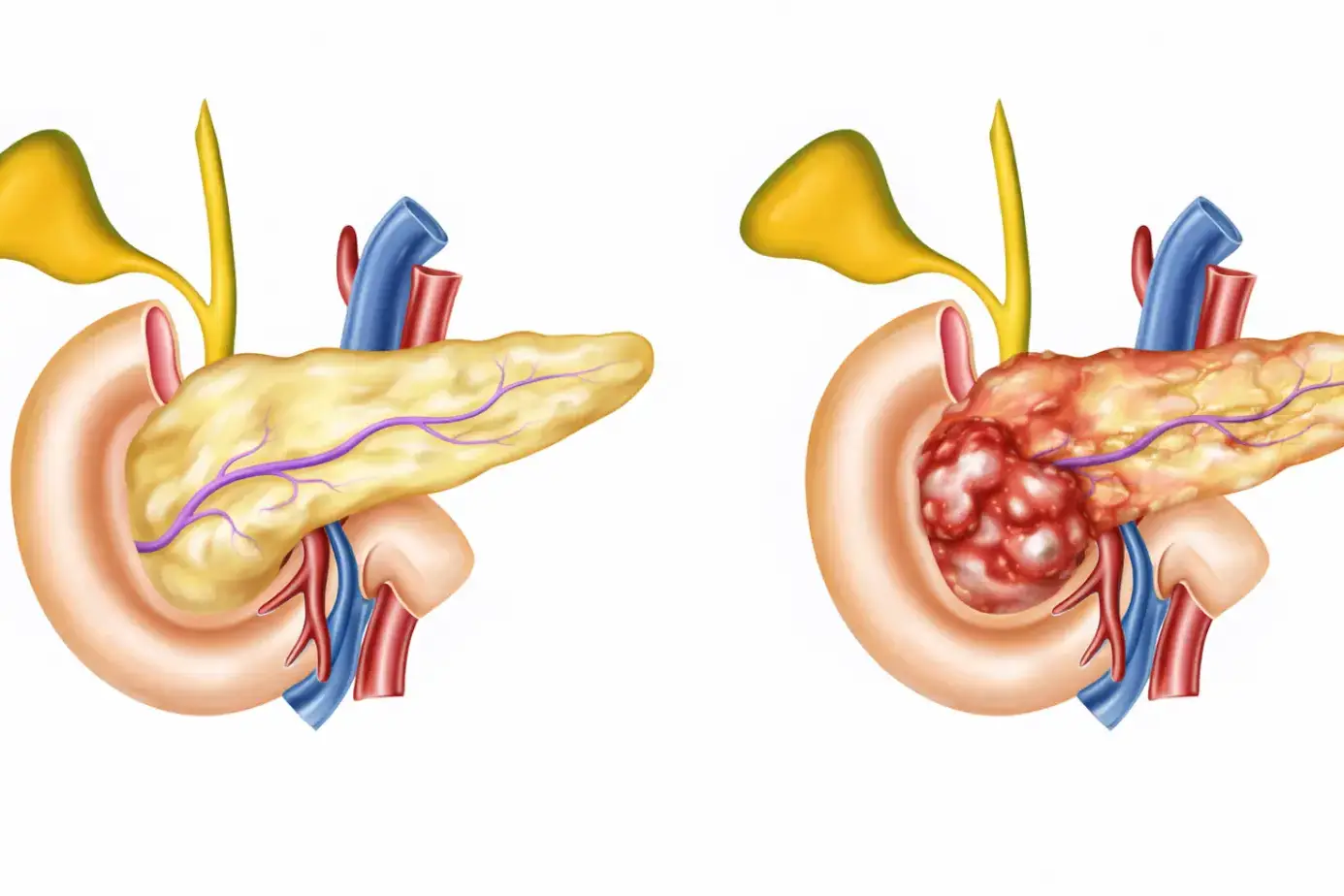
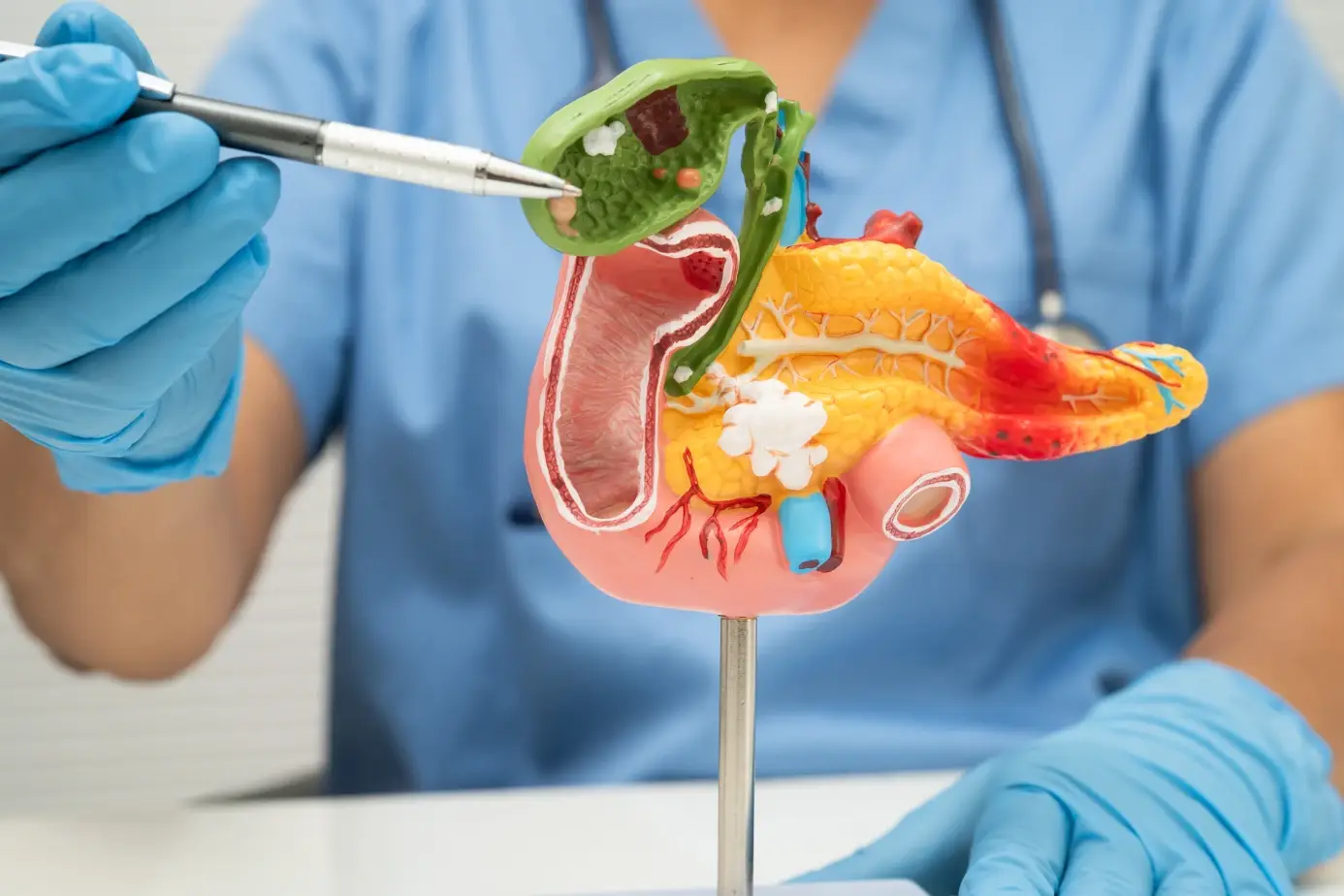
Hemochromatosis can cause high blood pressure. When excess iron accumulates in the heart, liver, and blood vessels, it triggers oxidative damage that raises cardiovascular strain directly. Hemochromatosis affects roughly 1 in 200 to 1 in 400 people of Northern European descent, per the American Hemochromatosis Society. Blood pressure problems are among its most overlooked complications.
Most people go undiagnosed for years because symptoms overlap with common conditions like fatigue or joint pain. By the time blood pressure issues appear, iron has often been building up for over a decade.
What Is Hemochromatosis?
Hemochromatosis is a condition where the body absorbs far more iron from food than it needs and cannot remove the excess. That surplus iron deposits in organs, gradually damaging them. It is classified under ICD-10 code E83.1 and recognized by the NIH as one of the most common genetic disorders in the United States.
Iron Overload Disorder Explained
A healthy body absorbs 1 to 2 mg of iron per day. In hemochromatosis, absorption runs 3 to 4 times that amount daily, according to research published in The New England Journal of Medicine . Over years, this overload damages the liver, heart, pancreas, and joints.
How Excess Iron Accumulates in Organs
Iron stores in cells as ferritin and hemosiderin. When deposits exceed safe limits, free iron triggers the Fenton reaction, producing hydroxyl radicals that damage cell membranes, proteins, and DNA. The liver is hit first; the heart and endocrine glands follow.
Genetic and Hereditary Causes of Hemochromatosis
The most common cause is a mutation in the HFE gene, specifically the C282Y variant. Inheriting two copies of this mutation drives hereditary hemochromatosis in 85 to 90 percent of U.S. cases. The H63D variant raises iron absorption too but typically causes milder overload.
How Hemochromatosis Affects the Cardiovascular System
The cardiovascular effects of hemochromatosis go beyond vague fatigue. Iron deposits in heart muscle cells cause structural changes that impair how the heart contracts, relaxes, and conducts electrical signals.
Doctors researching whether Hemochromatosis can cause high blood pressure consistently point to cardiac iron load as a key driver. A 2019 review in Heart Failure journal found that up to 35 percent of patients with hemochromatosis-related heart involvement had reduced left ventricular function before diagnosis.
Iron Buildup in Heart Tissue
Iron deposits in the sinoatrial and atrioventricular nodes disrupt electrical conduction, producing arrhythmias. Cardiac MRI using T2* imaging, validated by the Cardiovascular Magnetic Resonance Society (UK), is the most sensitive method for detecting heart iron before symptoms appear.
Blood Vessel Stiffness and Circulation Changes
Excess iron promotes oxidative damage to the vascular endothelium. Stiffer arteries force the heart to pump harder, raising systolic blood pressure. A study published in Free Radical Biology and Medicine confirmed that elevated serum ferritin is independently associated with reduced arterial elasticity.
Oxidative Stress and Inflammation Effects
Free iron catalyzes the Fenton reaction, inflaming blood vessel walls through the same pathway that drives atherosclerosis. Chronic low-grade inflammation raises baseline vascular resistance, adding another pressure-increasing mechanism on top of arterial stiffness.
Can Iron Overload Increase Blood Pressure?
Hemochromatosis can cause high blood pressure through at least four simultaneous mechanisms. This is why antihypertensives work poorly in untreated hemochromatosis, and why doctors should test ferritin in patients with treatment-resistant hypertension.
Vascular Damage and Hypertension Risk
Iron-induced oxidative stress depletes nitric oxide in blood vessel walls. Nitric oxide is the body’s natural vasodilator. Without it, vessels stay contracted and pressure rises. This is one of the clearest answers to why hemochromatosis can cause high blood pressure in patients with normal kidney function. Research in the Journal of Hypertension (2020) identified nitric oxide depletion as a key mechanism linking iron excess to elevated blood pressure.
Liver Damage Affecting Blood Pressure
The liver produces angiotensinogen, the protein that activates the renin-angiotensin-aldosterone system (RAAS), which governs blood pressure. When iron damages liver cells, RAAS balance breaks down. Liver damage affecting blood pressure in hemochromatosis results in sodium retention and increased blood volume, both of which push readings higher.
Metabolic Syndrome and Insulin Resistance
Iron accumulation in the pancreas damages insulin-producing beta cells, causing insulin resistance. Insulin resistance promotes sodium retention in the kidneys, raising blood pressure. This metabolic pathway answers part of why hemochromatosis can cause high blood pressure even in patients without visible liver damage. A study in Diabetes Care found ferritin above 200 µg/L in men was linked to a 40 percent higher prevalence of metabolic syndrome.
Fluid Balance and Cardiovascular Strain
Liver damage from hemochromatosis reduces albumin production. Low albumin lets fluid leak from blood vessels into tissue; the kidneys compensate by retaining sodium and water, increasing blood volume and cardiac workload.
Heart Palpitations Hemochromatosis Symptoms
Heart palpitations hemochromatosis symptoms are frequently misattributed to anxiety or thyroid issues. These symptoms stem from iron disrupting both the heart muscle and its electrical system.
Irregular Heartbeat and Arrhythmias
Iron deposits in cardiac conduction nodes produce atrial fibrillation, ventricular ectopic beats, and in severe cases, complete heart block. A 2021 case series in JACC: Heart Failure documented that hemochromatosis-related arrhythmias often resist standard antiarrhythmic medications until iron stores are reduced.
Chest Discomfort and Fatigue
Iron-laden heart muscle works harder to maintain output. Patients experience persistent chest heaviness and fatigue that are present at rest, not just during exertion. This distinguishes it from classic angina.
Shortness of Breath During Activity
Reduced cardiac output limits oxygen delivery during exercise. Breathlessness appears at previously comfortable activity levels, often before any abnormality shows on a standard echocardiogram.
Weakness and Exercise Intolerance
Iron deposits in skeletal muscle impair mitochondrial function. Combined with reduced cardiac output, this produces disproportionate exhaustion after mild physical activity.
Liver Damage Affecting Blood Pressure
Liver damage affecting blood pressure in hemochromatosis is a direct, measurable relationship. The liver controls RAAS signaling, albumin production, and clotting factor synthesis. Iron-driven fibrosis undermines all three.
Key mechanisms:
- Portal hypertension develops when liver scarring increases resistance to portal blood flow
- Aldosterone excess occurs because a damaged liver cannot break down aldosterone efficiently, increasing sodium retention
- Reduced prostacyclin synthesis removes a natural vasodilator, narrowing vessels
- Increased circulating angiotensin II from impaired hepatic clearance sustains vasoconstriction
- Hypoalbuminemia triggers compensatory fluid retention through the kidneys, raising blood volume
Symptoms Commonly Seen in Hemochromatosis
Hemochromatosis symptoms are non-specific, which is partly why the question of whether hemochromatosis can cause high blood pressuregoes unanswered in many patients for years. Diagnosis is delayed by an average of 9.5 years, per a population study in Alimentary Pharmacology and Therapeutics .
Common symptoms:
- Knuckle joint pain in the index and middle finger (specific enough to warrant iron testing)
- Chronic fatigue unresponsive to rest
- Elevated liver enzymes on routine labs, often the first clue
- Bronze or gray skin from iron deposits in skin cells
- Loss of libido and erectile dysfunction from pituitary iron damage
- High blood glucose from pancreatic iron deposits
Managing Blood Pressure With Hemochromatosis
Managing blood pressure with hemochromatosis means addressing the iron overload first. Standard antihypertensives work better once serum ferritin reaches below 50 µg/L, the target recommended by the American Association for the Study of Liver Diseases (AASLD).
Practical steps:
- Start phlebotomy first. Reducing iron stores lowers oxidative stress, which directly reduces vascular resistance
- Use ACE inhibitors or ARBs when liver damage has amplified RAAS activity
- Monitor potassium closely if using diuretics alongside phlebotomy; both affect electrolytes
- Check aldosterone levels if blood pressure resists medication
- Eliminate alcohol completely. Alcohol accelerates liver fibrosis, worsening the blood pressure loop
- Track ferritin quarterly. Blood pressure often drops in parallel with ferritin reduction
Phlebotomy Treatment and Cardiovascular Health
Phlebotomy treatment and cardiovascular health improvement have a well-documented relationship. Therapeutic phlebotomy is the primary treatment endorsed by the American College of Gastroenterology, the British Society of Gastroenterology, and the European Association for the Study of the Liver (EASL).
How Phlebotomy Lowers Iron Levels
Each blood unit (450 to 500 mL) contains 200 to 250 mg of iron. Removing blood forces the body to pull iron from organ stores to rebuild red blood cells, gradually depleting the excess. Initial treatment involves weekly removal until ferritin drops below 50 µg/L.
Blood Removal and Organ Protection
Liver fibrosis can partially reverse in early stages after iron depletion. Cardiac function, including ejection fraction and arrhythmia frequency, improves measurably. Left ventricular function improved in 82 percent of patients after 12 months of weekly phlebotomy, per a study in Circulation: Heart Failure .
Long-Term Monitoring During Treatment
After reaching target ferritin, maintenance phlebotomy continues every 2 to 4 months for life. For anyone wondering whether hemochromatosis can cause high blood pressure to persist even after treatment, the answer is yes if iron returns above safe levels. Monitoring includes serum ferritin, transferrin saturation (target below 45 percent), complete blood count, and liver function tests.
Improving Fatigue and Cardiovascular Strain
Fatigue typically lifts within 3 to 6 months of reaching target ferritin. Phlebotomy treatment and cardiovascular health outcomes are best when treatment begins before cirrhosis or irreversible cardiomyopathy develops.
Foods and Habits That May Affect Iron Overload
Diet does not cause hemochromatosis, but specific choices accelerate or slow iron absorption.
Increase iron absorption (avoid or limit):
- Vitamin C with red meat. Vitamin C converts iron to a form 3 to 4 times more absorbable; avoid citrus juice with iron-rich meals
- Cast iron cookware. Worst Acidic foods absorb measurable iron from the pan
- Alcohol. Increases intestinal iron absorption and accelerates liver fibrosis
- Raw shellfish. Carry Vibrio vulnificus , life-threatening in people with iron overload
Reduce iron absorption (use regularly):
- Tea or coffee with meals. Tannins reduce iron absorption by up to 60 percent
- Calcium-rich foods at mealtimes. Calcium competes with iron in the intestine
- Aerobic exercise. Raises hepcidin, the hormone that limits intestinal iron uptake
Common Mistakes People Make With Hemochromatosis
These errors delay treatment and make managing blood pressure with hemochromatosis much harder:
- Stopping phlebotomy when symptoms ease. Iron reaccumulates within months; this is lifelong management
- Taking iron-containing multivitamins. Even standard multivitamins with 18 mg iron worsen overload rapidly
- Not testing first-degree relatives. The C282Y mutation is hereditary; all siblings and children need HFE gene testing
- Relying on diet alone. Dietary changes slow accumulation but cannot replace phlebotomy in confirmed cases
- Dismissing palpitations as stress. Heart palpitations hemochromatosis symptoms can signal early cardiomyopathy
- Delaying diagnosis in women. Menstruation naturally lowers ferritin, masking the condition until menopause
FAQs
Can hemochromatosis directly cause high blood pressure?
Yes. Hemochromatosis can cause high blood pressuredirectly. It does through four proven mechanisms: arterial stiffness from oxidative stress, RAAS dysregulation from liver damage, nitric oxide depletion, and sodium retention from low albumin. These operate simultaneously, making blood pressure harder to control without reducing iron first.
How does excess iron affect cardiovascular health?
Excess iron deposits in the myocardium cause cardiomyopathy and arrhythmias while depleting nitric oxide in vessel walls. The cardiovascular effects of hemochromatosis include a 306 percent higher risk of heart failure compared to the general population, per data published in the European Heart Journal .
Why can liver damage influence blood pressure regulation?
The liver breaks down aldosterone and produces angiotensinogen. When iron fibroses the liver, aldosterone accumulates, RAAS becomes dysregulated, and sodium retention rises. Liver damage affecting blood pressure creates a hormonal environment that sustains elevated readings even with antihypertensive medication.
What are common heart-related symptoms of hemochromatosis?
Heart palpitations hemochromatosis symptoms include atrial fibrillation, breathlessness during mild activity, chest heaviness at rest, and exercise intolerance. Cardiac MRI detects iron deposits in the myocardium before symptoms develop, typically when ferritin exceeds 1,000 µg/L.
How does phlebotomy treatment help protect the heart and organs?
Each session removes 200 to 250 mg of iron from organ stores. Phlebotomy treatment and cardiovascular health outcomes include improved left ventricular function in 82 percent of patients after 12 months of weekly treatment, per Circulation: Heart Failure . Liver fibrosis can also partially stabilize or reverse in early-stage cases.
Can iron overload increase the risk of arrhythmias or palpitations?
Yes. Iron deposits in the sinoatrial node disrupt the heart’s electrical system, producing atrial fibrillation, ventricular ectopic beats, and conduction delays. These arrhythmias typically resist antiarrhythmic drugs until iron stores fall through phlebotomy.
Which lifestyle habits may help manage blood pressure with hemochromatosis?
Drink tea or coffee with meals to cut iron absorption by up to 60 percent, avoid all alcohol, and exercise aerobically 150 minutes per week to raise hepcidin. Managing blood pressure with hemochromatosis also requires avoiding vitamin C supplements within 2 hours of meals, since vitamin C triples intestinal iron absorption.
Why should people with hemochromatosis avoid iron supplements?
The intestine in hemochromatosis absorbs iron at 3 to 4 times the normal rate. Multivitamins with 18 mg of iron raise ferritin by 50 to 100 µg/L within weeks in confirmed cases, accelerating organ damage with every dose.
How is hereditary hemochromatosis diagnosed and monitored?
Diagnosis requires serum ferritin, transferrin saturation (above 45 percent is the key threshold), and HFE gene testing to confirm C282Y homozygosity. Monitoring during treatment: ferritin and transferrin saturation every 3 months. Liver biopsy is reserved for ferritin above 1,000 µg/L to assess fibrosis stage.
When should cardiovascular symptoms from hemochromatosis become urgent?
Seek emergency care for new atrial fibrillation, chest pain at rest, breathlessness when lying flat, or leg swelling. Hemochromatosis can cause high blood pressure severe enough for a hypertensive crisis, particularly when systolic readings exceed 180 mmHg alongside palpitations, indicating active cardiac iron toxicity.
Conclusion
Iron overload in hemochromatosis is not a single-organ problem. It damages blood vessels, stiffens arteries, disrupts liver hormone production, and deposits directly into heart muscle, creating multiple overlapping pathways for elevated blood pressure and cardiac dysfunction. These mechanisms are well-documented and respond measurably to timely phlebotomy.
Catching hemochromatosis before ferritin exceeds 1,000 µg/L gives organs a real chance to recover. Cardiomyopathy can partially reverse, liver fibrosis can stabilize, and blood pressure becomes more manageable once the iron burden is addressed. Waiting until symptoms are severe means managing damage that is already set.
Working with a physician who understands the cardiovascular effects of hemochromatosis alongside its hematological aspects, and who monitors ferritin together with blood pressure, produces measurably better long-term outcomes.
About The Author

Medically reviewed by Dr. Nivedita Pandey, MD, DM (Gastroenterology)
Dr. Nivedita Pandey is a U.S.-trained gastroenterologist and hepatologist with extensive experience in diagnosing and treating liver diseases and gastrointestinal disorders. She specializes in liver enzyme abnormalities, fatty liver disease, hepatitis, cirrhosis, and digestive health.
All content is reviewed for medical accuracy and aligned with current clinical guidelines.