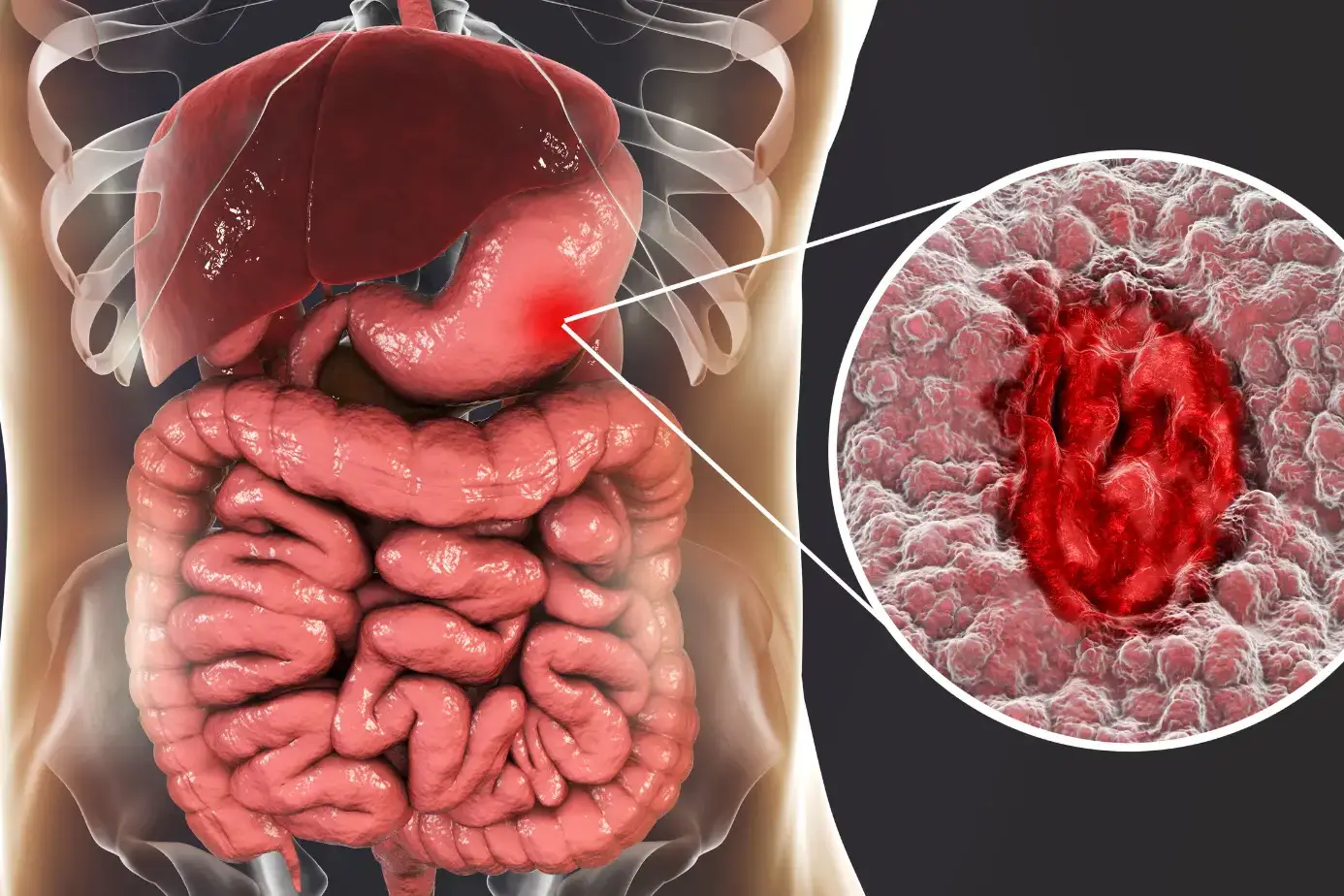
Bariatric surgery can be an effective treatment for people with obesity when lifestyle changes, medications, or other nonsurgical approaches have not produced enough improvement. It is more than a weight-loss procedure: metabolic and bariatric surgery can also improve conditions such as type 2 diabetes, high blood pressure, and obstructive sleep apnea.
But having obesity does not automatically mean surgery is the right choice. Doctors consider BMI, obesity-related health problems, previous weight-loss efforts, overall health, and whether a person is prepared for the long-term changes required after surgery.
Who Is a Candidate for Bariatric Surgery?
The answer depends on more than a number on the scale. Common factors include:
- A BMI of 40 or higher
- A BMI above 35 with significant obesity-related health problems
- In selected cases, a BMI of 30–34.9 with metabolic disease that remains difficult to control
- Inadequate results from lifestyle changes and/or medical treatment
- Willingness to make lasting changes in eating habits, physical activity, medications, and follow-up care
Current ASMBS/IFSO guidance recommends metabolic and bariatric surgery for people with BMI above 35 regardless of whether other obesity-related conditions are present. It also supports considering surgery for people with metabolic disease and a BMI of 30–34.9.
Individual programs and insurers may use different requirements, so meeting a BMI threshold does not guarantee approval.
What BMI Is Needed for Weight-Loss Surgery?
BMI is an important starting point, but it is not the only factor doctors use when deciding whether surgery is appropriate.
| BMI | Common consideration |
| 30–34.9 | May be considered in selected patients with significant metabolic disease |
| 35–39.9 | Often considered, especially when obesity-related conditions are present; current guidelines support surgery above 35 |
| 40+ | Generally considered an indication for bariatric surgery |
Your medical history, health risks, previous treatments, and ability to follow postoperative recommendations all matter.
Which Types of Bariatric Surgery Are Available?
The most appropriate procedure depends on your health, goals, and surgical risk profile.
- Sleeve gastrectomy: Removes a large portion of the stomach, leaving a smaller stomach that limits food intake.
- Gastric bypass: Creates a smaller stomach pouch and reroutes part of the small intestine, affecting both food intake and nutrient absorption.
- Duodenal switch or SADI-S: Combines stomach reduction with greater changes to intestinal nutrient absorption and is generally reserved for selected patients.
Someone researching treatment options may benefit from consulting an experienced bariatric surgeon in los angeles or another qualified bariatric specialist who can compare procedures based on individual risks and medical needs.
What Should You Consider Before Choosing Surgery?
Being medically eligible is only the beginning. Bariatric surgery requires long-term commitment to nutrition, physical activity, medical follow-up, and often vitamin and mineral supplementation.
You should also discuss potential complications, expected weight loss, medication changes, and how the operation could affect existing conditions. The best procedure is not necessarily the one that produces the most weight loss; it is the one whose expected benefits and risks fit your individual situation.
Frequently Asked Questions
What BMI qualifies you for bariatric surgery?
Traditional criteria often use BMI 40 or higher, or 35 or higher with significant obesity-related disease. Current ASMBS/IFSO guidance is broader and recommends surgery for BMI above 35 regardless of comorbidities.
Can you have bariatric surgery with a BMI under 35?
Yes. Selected patients with BMI 30–34.9 and significant metabolic disease may be considered for surgery.
Is bariatric surgery only for people who have failed dieting?
Not necessarily. Previous nonsurgical treatment is commonly considered, but current guidelines emphasize the overall health benefits and individual risk-benefit assessment rather than treating surgery as a last resort in every case.
Does bariatric surgery guarantee permanent weight loss?
No. Surgery can produce substantial weight loss, but some people regain part of the weight over time. Long-term follow-up and lifestyle changes remain important.
Conclusion
Bariatric surgery may be appropriate when obesity is significantly affecting health and other treatments have not provided enough improvement. BMI provides an important starting point, but the right decision depends on your medical conditions, treatment history, procedure options, and readiness for long-term follow-up. A bariatric evaluation can help turn a general question about weight-loss surgery into a personalized decision based on your actual health needs.