Have you ever felt a sharp, burning pain in your stomach and wondered what it means? Or maybe someone told you ulcers come from stress or spicy food? You’re not alone. Many people are confused about what is peptic ulcer disease and how serious it can be.
What is peptic ulcer disease affects millions every year, but most people don’t understand what causes it or how to treat it properly. If ignored, it can lead to bleeding or even emergency surgery.
In this blog, we will break down the causes, symptoms, tests, treatments, and ways to prevent this condition in a simple, easy-to-read way. Dr. Nivedita Pandey, a US-trained gastroenterologist, will guide you through everything you need to know.
What is Peptic Ulcer Disease and Why Does It Happen?
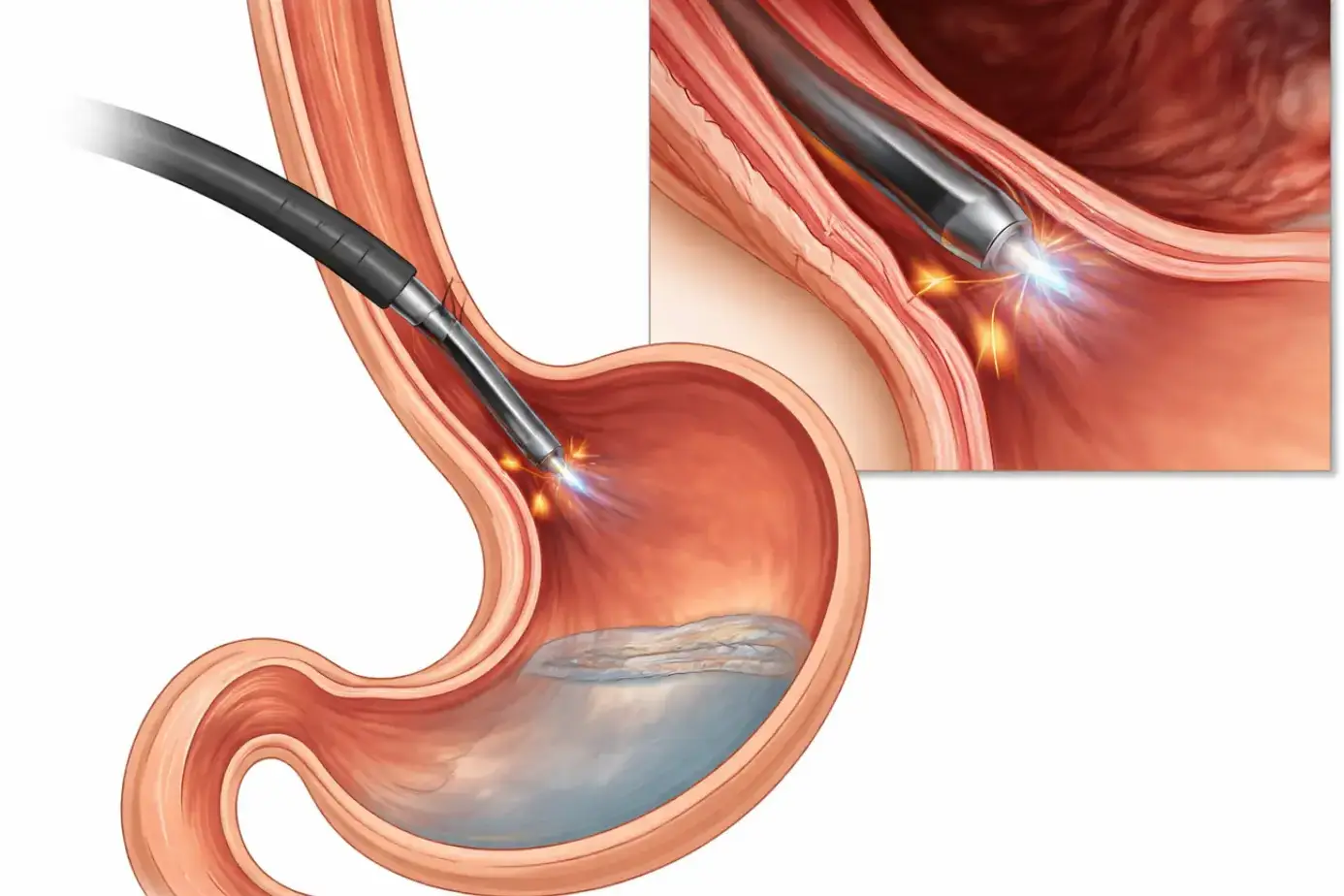
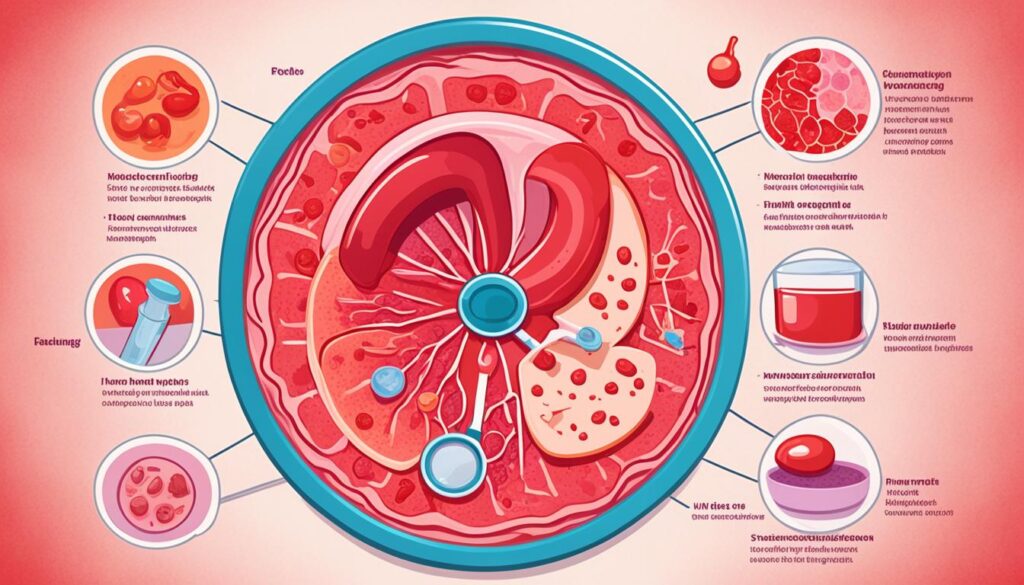
What is peptic ulcer disease? It’s when open sores form in the lining of the stomach or the upper part of the small intestine (called the duodenum). These sores are painful and happen when stomach acid eats away at the protective lining.
There are two main types of ulcers:
- Gastric ulcers – found in the stomach
- Duodenal ulcers – found in the upper small intestine
Prevalence: According to the World Health Organization (WHO), about 4 million people are affected by peptic ulcers globally each year.
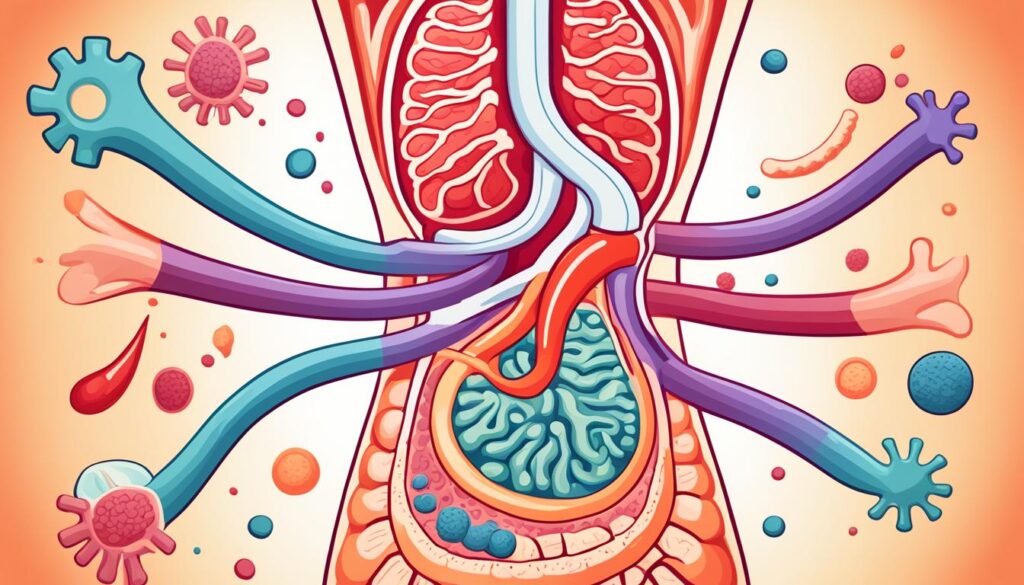
The main reason ulcers form is when the balance between stomach acid and the protective mucus is disturbed. When the acid becomes too strong or the mucus is weak, damage starts.
What are the Main Causes of Peptic Ulcer Disease?
The pain doesn’t appear out of nowhere. There are common reasons behind ulcers that you should know.
H. pylori Infection – a Major Cause
One of the biggest causes is a bacteria called Helicobacter pylori. It hides in the stomach lining and weakens the protective layer.
- Found in 70% to 90% of peptic ulcer cases (Source: CDC)
- Passed from person to person through contaminated food or water
- Triggers inflammation and breaks down the lining
This bacteria is a key answer to the question: what is peptic ulcer disease caused by?
How Do NSAIDs Contribute to Ulcer Formation?
Painkillers like aspirin and ibuprofen (called Nonsteroidal Anti-Inflammatory Drugs – NSAIDs) are helpful but dangerous if overused.
- NSAIDs block chemicals that protect the stomach lining
- Long-term use can lead to ulcers, especially in elderly people
- Up to 25% of long-term NSAID users develop ulcers (NIH)
This explains the link between NSAIDs and ulcer risk.
Can Stress or Diet Cause Ulcers?
There’s a myth that stress or spicy foods directly cause ulcers. But it’s more complicated.
- Stress doesn’t cause ulcers but can worsen them
- It increases acid in the stomach and slows healing
- Poor diet can irritate an already damaged stomach
That’s the real truth about stress and ulcers.
What are the Symptoms of Peptic Ulcer Disease?
Symptoms can vary. Some are easy to miss, while others are painful and sudden.
How Does Peptic Ulcer Pain Feel?
Pain is the most common sign. People often describe it as:
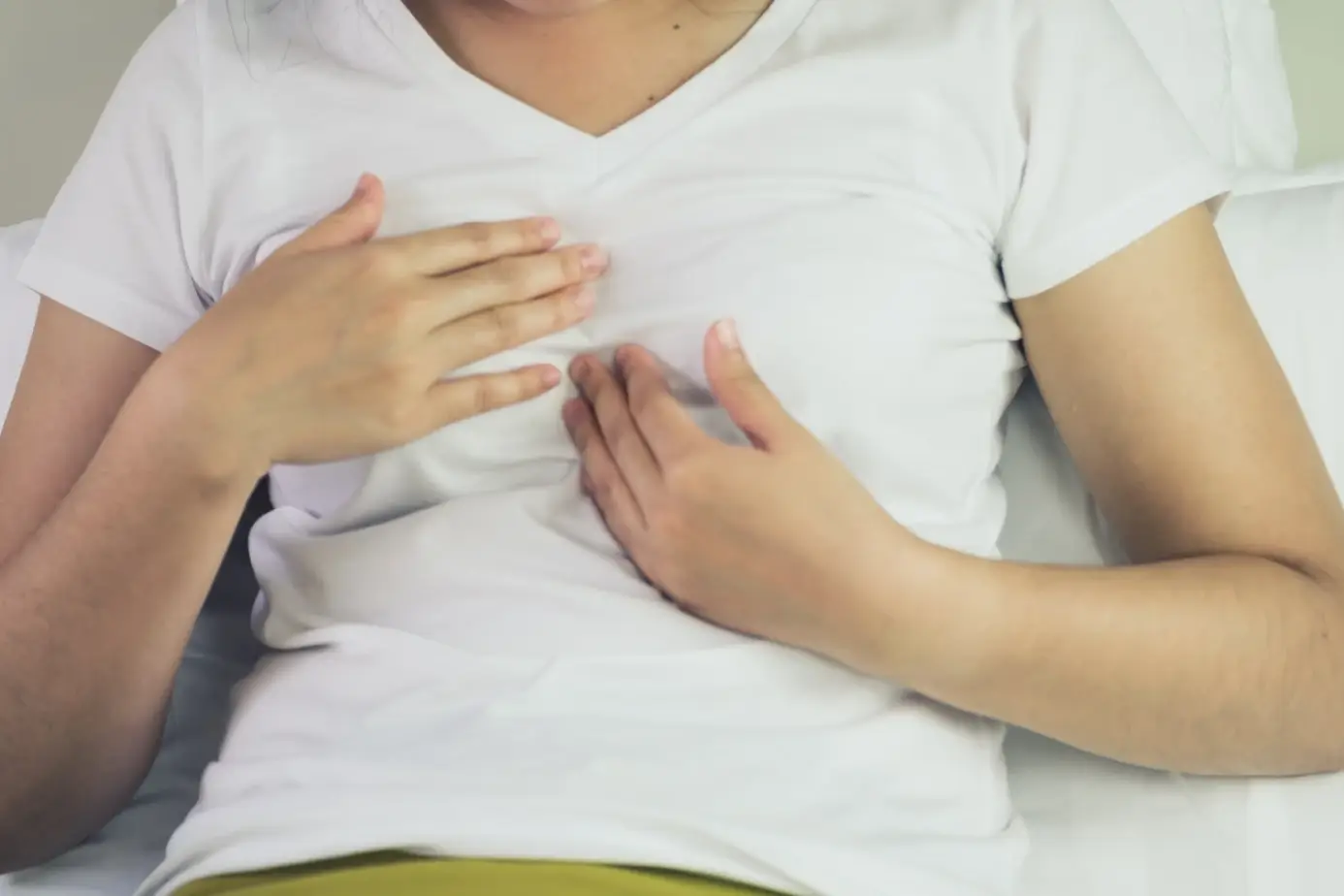
- A burning or gnawing feeling in the upper belly
- Pain that gets worse on an empty stomach or at night
- Relief after eating or taking antacids
This pain is one of the clear duodenal ulcer symptoms to watch for.
Are There Any Silent or Atypical Symptoms?
Yes. Some people don’t feel the classic pain.
- Bloating, nausea, and early fullness
- Fatigue and weight loss
- No pain at all in the elderly or those with diabetes
These are signs of a hidden digestive system health problem.
Read: Maintaining a Healthy Digestive System Tips and Habits
When are Symptoms a Medical Emergency?
Ulcers can become dangerous if they bleed or tear.
- Vomiting blood or black stool
- Sudden sharp stomach pain
- Feeling faint or breathless
These are signs of ulcer bleeding complications or a perforated ulcer, get help right away.
Complications of Untreated Peptic Ulcers
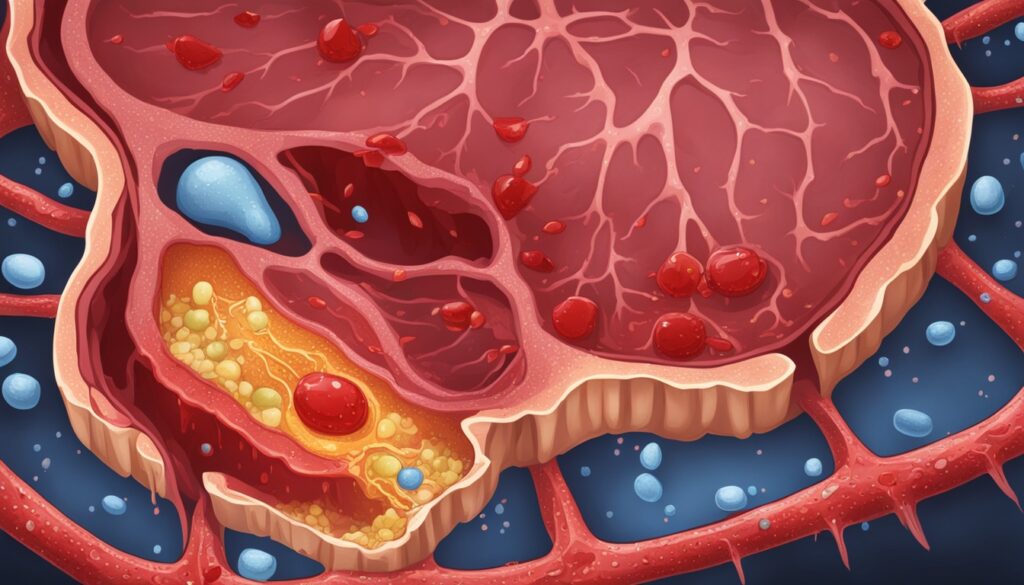
Peptic ulcers, when not treated, can cause several serious problems. These issues need fast medical care. If you don’t address them, they can lead to serious problems. These include bleeding inside, the stomach wall breaking, and the gut getting blocked.
Internal Bleeding
A peptic ulcer can wear away the stomach or small intestine’s lining, hurting blood vessels. This hurt can cause bleeding inside the body. Sign of this may be throwing up blood or seeing dark stools. This kind of bleeding is very serious and needs quick action from doctors.
Perforation of the Stomach Wall
Sometimes, peptic ulcers can burn right through the stomach or gut’s full wall, creating a hole. This hole lets stomach fluids flow into the belly, which can create a dangerous infection. Such situation is a big emergency and must be fixed right away by surgery.
Obstruction of the Digestive Tract
Untreated peptic ulcers can lead to scarring, making it hard for food to pass through normally. This might cause nausea, vomiting, bloating, and weight loss. Fixing a food blockage from a peptic ulcer may need surgery.
It’s so important to treat peptic ulcers early to avoid these bad situations and keep your gut healthy. Talking with your doctor and following their advice can prevent the dangers of untreated ulcers.
How is Peptic Ulcer Disease Diagnosed?
Finding out if you have an ulcer involves a few steps.
- Doctors ask about your pain and symptoms
- They check your belly for tenderness
But that’s just the start. Tests are more accurate.
- Endoscopy – a thin tube with a camera checks the stomach
- Biopsy – tiny tissue sample taken to test for H. pylori infection
- Blood, breath, or stool tests also detect helicobacter pylori
Diagnostic Flowchart:
| Symptom | Test Recommended | Purpose |
|---|---|---|
| Upper abdominal pain | Endoscopy | Check for ulcers |
| Bleeding or black stool | Endoscopy + Biopsy | Detect bleeding + bacteria |
| Suspected H. pylori | Breath/Stool/Blood Test | Confirm infection |
What are the Best Treatments for Peptic Ulcer Disease?
Treatment depends on the cause. Doctors aim to heal the ulcer and stop it from coming back.
How are Medications Used to Heal Ulcers?
Several medicines work together to help ulcers heal.
- Proton pump inhibitors (PPIs) – reduce acid
- H2 blockers – lower acid levels
- Antibiotics – kill H. pylori infection
- Antacids – give short-term relief
These are the most common ulcer treatment options used today.
When is Surgery Needed for Peptic Ulcers?
Most ulcers heal without surgery. But in serious cases, surgery is needed.
- When bleeding doesn’t stop
- If the ulcer tears a hole (called perforated ulcer)
- If it blocks food from passing
Around 10–20% of bleeding ulcers need surgery (Cleveland Clinic).
What Lifestyle Changes Help Ulcer Recovery?
You can’t rely only on pills. Daily habits matter too.
- Quit smoking and avoid alcohol
- Reduce stress with relaxation exercises
- Eat an ulcer-friendly diet
Let’s look at a simple diet for peptic ulcer patients:
| Foods to Eat | Foods to Avoid |
| Bananas, apples | Spicy food |
| Oatmeal, rice | Caffeine, soda |
| Boiled vegetables | Fried or fatty meals |
| Lean meats | Citrus fruits, tomatoes |
| Yogurt | Chocolate |

Following your doctor’s treatment plan closely is key to managing your peptic ulcer. Remember, this plan might include medicines, lifestyle changes, and in severe cases, surgery. By staying on top of your symptoms and seeking help when needed, you can get long-lasting relief and keep your digestion healthy.
Can Peptic Ulcers Come Back After Treatment?
Yes, ulcers can return, especially if H. pylori infection isn’t fully treated.
- Recurrence rate is 20–30% if not managed properly
- Full antibiotic course is essential
- Follow-up testing is needed to make sure it’s gone
Regular check-ups help keep your digestive system health on track.
How Can You Prevent Peptic Ulcers?
Prevention is easier than dealing with complications. Here’s what you can do:
- Don’t overuse NSAIDs or take them on an empty stomach
- Maintain hygiene to avoid H. pylori infection
- Choose food that supports stomach health
- Learn to manage stress
Table: Preventive vs. Risk Factors
| Preventive Measures | Risk Factors |
| Wash hands before eating | Overuse of NSAIDs |
| Avoid spicy/fried foods | Untreated H. pylori infection |
| Take medications as advised | Smoking and alcohol |
| Manage stress | Family history of ulcers |
Living with Peptic Ulcer Disease
Managing your peptic ulcer disease involves a full strategy. This includes finding the root causes, easing symptoms, and stopping complications. You’ll use medicine, change your diet and lifestyle, and stay in touch with your doctor.
Recognizing and staying away from personal triggers is a big part of dealing with peptic ulcers. Triggers might be spicy, fatty, or acidic foods, stress, or drinking alcohol. A food and symptom diary can help you find what makes your condition worse.
Changing your diet and lifestyle is also important. Eat smaller meals more often, and sit up after eating. Cut back on alcohol. Foods with probiotics, like yogurt or sauerkraut, might help too.
Getting support is crucial. Talk to your friends and family. Be open with your healthcare team. They can help with both the medical and mental sides of living with a peptic ulcer.
With the right plan and changes, you can lead a good life even with a peptic ulcer. Be active in your care. Work with your doctor. Together, you can control the effects of this disease.
Read: How to Heal Stomach Ulcers: Effective Strategies for Recovery
Identifying and Managing Triggers
Peptic ulcers can be caused by things like H. pylori bacteria and using NSAIDs. But, lifestyle and certain triggers can make symptoms worse. These triggers include stress, spicy food, alcohol, and smoking.
To figure out what makes their ulcers worse, people can keep a diary. They should track what they eat and how they feel. Stress management, changing what they eat, and quitting smoking can help a lot. These steps can make their ulcers heal faster.
Knowing what makes your ulcers act up is really key. If you work to avoid the things that make you feel worse, you can have fewer symptoms. This also helps your body heal faster.
Book Your Consultation with Dr. Nivedita Pandey Today
Understanding what is peptic ulcer disease can save lives. It’s not just about pain, untreated ulcers can lead to bleeding or surgery. But the good news is, they are treatable with proper care.
Dr. Nivedita Pandey MBBS, Diplomate, American Board (Internal Med & Gastroenterology), is a US-trained, board-certified senior gastroenterologist and hepatologist. She specializes in fatty liver, NASH, viral hepatitis, cirrhosis, obesity-related gut issues, and pre/post-liver transplant care.
As one of South Delhi’s few female gastroenterologists, she offers a safe, compassionate space for women and all patients seeking expert digestive care.
Book your appointment with Dr. Nivedita Pandey today to take control of your digestive system health and for your peptic ulcer treatment.
FAQ
What is peptic ulcer disease?
Peptic ulcer disease means you have sores in your stomach or the top part of the small intestine. These sores come from too much stomach acid. This acid breaks down our stomach lining’s protection, causing the sores.
What are the most common symptoms of peptic ulcers?
People with peptic ulcers often feel a burning pain in their stomachs. They might also have indigestion, bloating, feel sick, and throw up.
What are the main causes of peptic ulcers?
The top causes are an infection by the Helicobacter pylori (H. pylori) bacteria. Also, using drugs like ibuprofen and naproxen a lot can cause them.
What are the potential complications of untreated peptic ulcers?
If not treated, peptic ulcers can cause serious problems. These include internal bleeding, holes in the stomach, and blockages in the gut.
How are peptic ulcers diagnosed?
Doctors look at your health history and do a physical check. They might also use tests like a special camera to look inside (an upper endoscopy), X-rays, or tests on your breath, blood, or stool.
What are the treatment options for peptic ulcers?
The main treatments are medicines, lifestyle changes, and sometimes surgery. Doctors often use drugs that lower stomach acid or antibiotics to kill the H. pylori bacteria.
How can peptic ulcers be prevented?
To prevent ulcers, avoid H. pylori and use NSAIDs carefully. This includes better hygiene, eating safe food, and not drinking too much alcohol. Plus, only use as much NSAIDs as you need.
What are the risk factors for developing peptic ulcer disease?
Risk factors include H. pylori, lots of NSAIDs, smoking, drinking heavily, stress, and some diseases. These diseases include Crohn’s, cirrhosis, and Zollinger-Ellison syndrome.
How do peptic ulcers affect children and older adults differently?
Kids get peptic ulcers less often. H. pylori causes more of their ulcers than NSAIDs. Older adults might get more ulcers from taking lots of different medicines.
What are some tips for living with and managing peptic ulcer disease?
Living with peptic ulcers means treating the cause and symptoms while preventing complications. Use meds, change your diet and lifestyle, and work closely with your doctor. Also, learning and avoiding what makes your ulcers worse is important.
About The Author

Medically reviewed by Dr. Nivedita Pandey, MD, DM (Gastroenterology)
Dr. Nivedita Pandey is a U.S.-trained gastroenterologist and hepatologist with extensive experience in diagnosing and treating liver diseases and gastrointestinal disorders. She specializes in liver enzyme abnormalities, fatty liver disease, hepatitis, cirrhosis, and digestive health.
All content is reviewed for medical accuracy and aligned with current clinical guidelines.