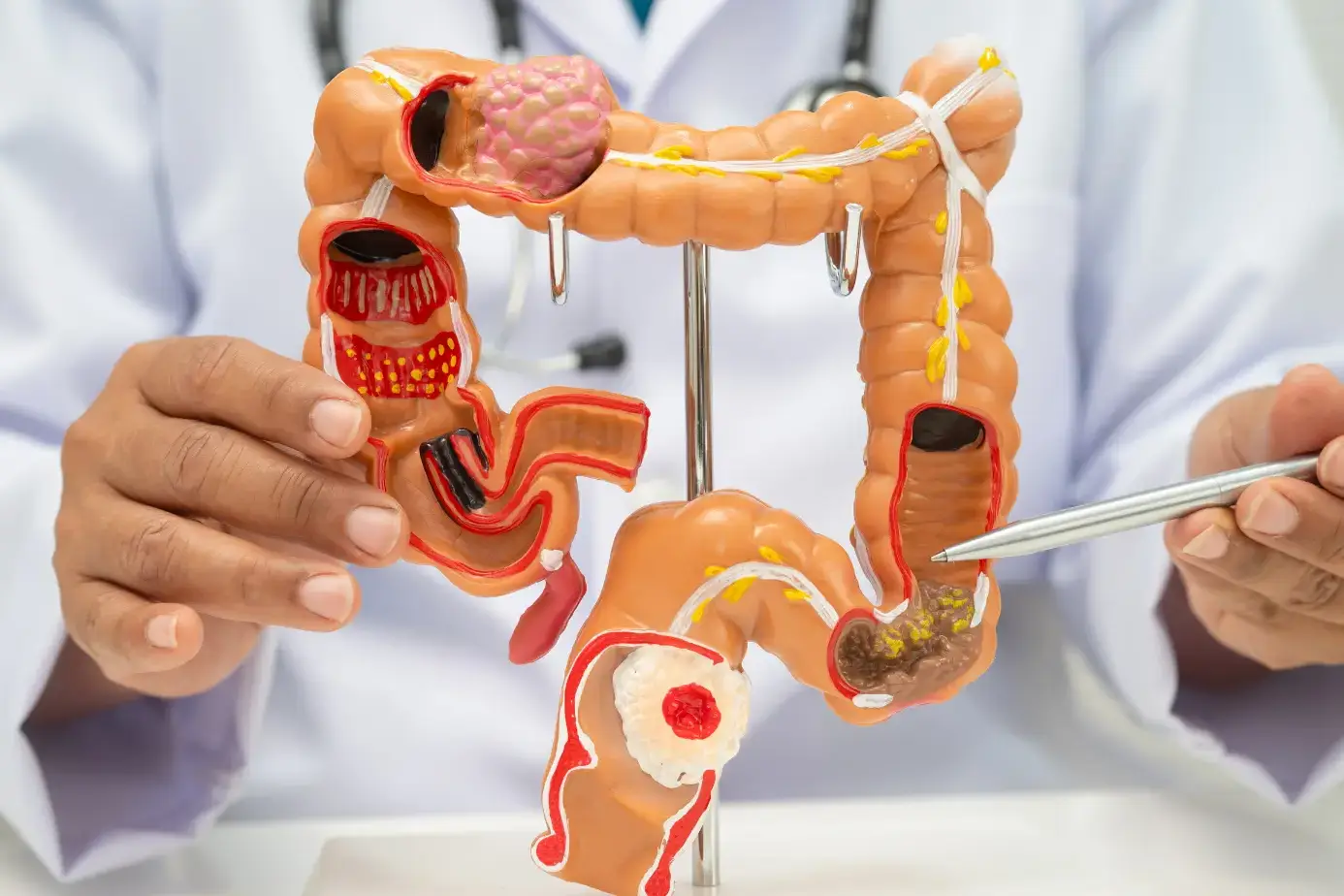
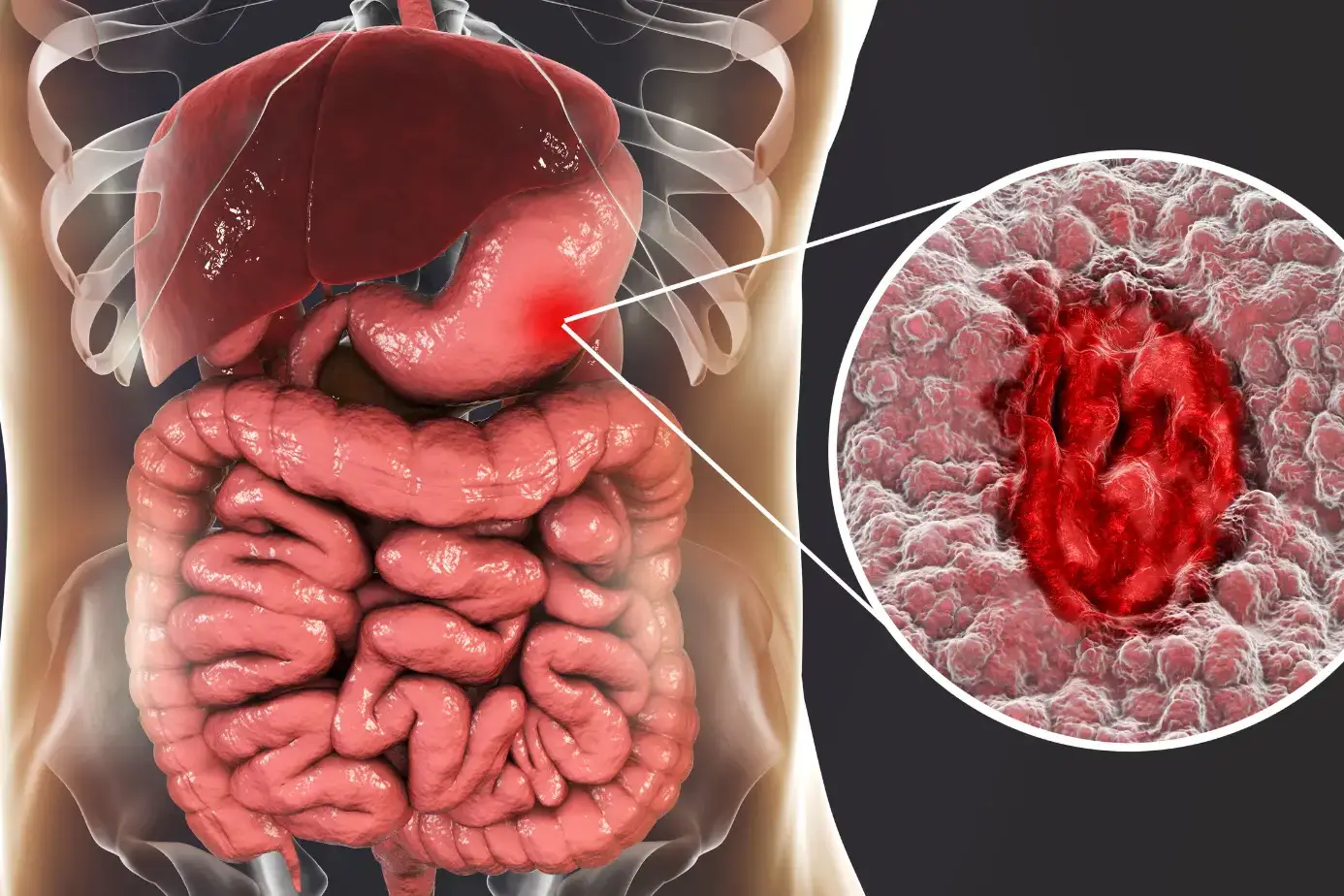
Medications that cause constipation often slow down your gut or remove water from stool. Many common prescription and over-the-counter drugs can make bowel movements harder, less frequent, or uncomfortable. If you start a medicine and your stool becomes hard, dry, or infrequent, the drug may be the cause.
Knowing which medicines are likely culprits and how to manage the problem helps you avoid pain or danger.
What Medications Can Cause Constipation?

Medications that cause constipation slow down your intestinal muscles. Some draw water out of the stool. Some changes in nerves that control bowel movement. You will often see constipation in people taking medicines for pain, mood, allergies, acid, or bladder problems. Older adults and people taking many drugs face a higher risk. Constipation can begin within days or weeks of starting a medicine.
Certain Drugs Slow Gut Movement or Reduce Fluid Absorption
If a medicine reduces nerve signals to the bowel or reduces fluid in the colon, the stools become dry and hard. This slows transit time and makes it difficult to pass stool.
Common Drug Categories
Groups that commonly cause constipation include opioids, tricyclic antidepressants, antipsychotics, antacids with calcium or aluminum, iron supplements, antihistamines, NSAIDs for some people, and bladder or blood pressure medications.
Older Adults and People on Multiple Medications
Age slows gut motility. Taking several drugs together increases the chance of side effects. If you are older, watch bowel habits closely when new medicines are added.
Constipation Often Starts Within Days or Weeks of a New Prescription
Track when you started each medicine. If constipation begins soon after a start date, mention it to your prescriber. Timing helps pinpoint the cause.
1. Opioid Pain Relievers
Examples: Morphine, Oxycodone, Hydrocodone, Codeine
These strong painkillers treat severe or chronic pain. Even low doses can slow the bowel, and constipation often starts within days of beginning treatment.
How They Cause Constipation:
Opioids attach to receptors in the gut that control muscle movement and fluid secretion. This slows stool transit and dries it out, leading to hard, infrequent stools.
Relief:
Drink water, increase fiber gradually, and use stool softeners like docusate or osmotic laxatives such as polyethylene glycol. For long-term users, your doctor may prescribe naloxegol or methylnaltrexone to reverse gut effects without reducing pain relief.
2. Iron Supplements
Commonly Used for Anemia — High Doses Harden Stool
Iron tablets raise red blood cells but often cause constipation and dark stools, especially at higher doses or with long-term use.
Why It Happens:
Iron binds water and changes gut chemistry, drying stool and slowing movement. Some forms also irritate the gut lining.
Relief:
Take iron with vitamin C for better absorption, drink plenty of fluids, and try liquid or slow-release forms if regular pills cause problems. Ask your doctor about lowering the dose or alternate-day dosing.
3. Antidepressants
Examples: Amitriptyline, Imipramine, Fluoxetine
Older tricyclic antidepressants cause more constipation than newer SSRIs, though both can affect digestion.
Mechanism:
These drugs block acetylcholine, a chemical that helps bowel muscles contract, making stool move slower and harder to pass.
Relief:
If constipation is severe, your doctor may switch you to bupropion or adjust the dose. Do not stop antidepressants on your own, as withdrawal can worsen mood symptoms.
4. NSAIDs (Non-Steroidal Anti-Inflammatory Drugs)
Examples: Ibuprofen, Naproxen
NSAIDs help with pain and swelling, but some people develop digestive irritation or bowel changes.
Mechanism:
NSAIDs may irritate the gut and indirectly slow digestion, especially when taken often or on an empty stomach.
Relief:
Take NSAIDs after meals, drink extra water, and increase fiber slowly. If symptoms continue, discuss safer pain-control alternatives with your doctor.
5. Antihistamines (Allergy and Cold Medications)
Examples: Diphenhydramine, Loratadine, Cetirizine
Antihistamines treat allergies and colds. Sedating types like diphenhydramine are more likely to cause constipation.
Why They Cause Constipation:
They block signals that help your intestines move, reducing stool frequency and water content.
Relief
Switch to non-sedating antihistamines such as loratadine, drink plenty of fluids, and eat fiber-rich foods to support bowel movement.
6. Antacids With Calcium or Aluminum
Examples: Calcium Carbonate (Tums), Aluminum Hydroxide
Calcium and aluminum antacids relieve acid reflux but often make stool harder and slower to pass.
Mechanism:
These compounds bind with substances in stool and reduce water, causing firmer stools and delayed bowel movement.
Relief:
Magnesium-based antacids have the opposite effect and may balance bowel function. Add whole grains, fruits, and vegetables for natural fiber.
7. Antipsychotic Medications
Examples: Clozapine, Olanzapine
Used for psychosis and mood disorders, these drugs strongly affect gut movement.
Mechanism:
They block key nerve signals that regulate muscle contraction and secretions, slowing stool passage.
Why It Matters?
Antipsychotic-related constipation can lead to serious bowel blockage or ileus. Report symptoms like pain, bloating, or no stool for days immediately.
Relief:
Use stool softeners, stay hydrated, and track bowel habits closely. Doctors may start a bowel regimen when you begin these medicines.
8. Bladder and Blood Pressure Medicines
Examples: Calcium Channel Blockers (Amlodipine), Anticholinergics (Oxybutynin)
These medicines treat hypertension and an overactive bladder, but can slow the intestines.
Mechanism:
They weaken smooth-muscle contractions in your intestines, leading to slower transit and harder stools.
Relief:
Daily walking, more fluids, and added fiber help counter the effects. Ask your doctor if another drug may work better for you.
Why Do Medications Cause Constipation?
Some Drugs Affect Nerve Signals That Control Bowel Movements
Many drugs block neurotransmitters such as acetylcholine or dopamine. These chemicals tell gut muscles to move.
Others Decrease Intestinal Fluid or Alter Gut Bacteria
Some medicines reduce intestinal secretions. Others change the balance of gut bacteria, which can slow digestion and harden stool.
Hormonal and Metabolic Effects Can Also Slow the Gut
Drugs that change hormone levels or metabolism can indirectly slow gut movement.
Risk Increases With Age, Low Fiber Intake, or Multiple Medications
Older age reduces gut muscle strength. Low fiber and low fluid make constipation more likely. Taking many medicines together raises risk of side effects.
Signs of Medication-Induced Constipation
You may have fewer than three bowel movements per week, hard or lumpy stools, abdominal discomfort, bloating, straining, or a feeling of incomplete emptying. If these start after a new prescription, tell your clinician.
How to Manage Constipation From Medications
Add fiber from fruits, vegetables, and whole grains. Drink eight to ten glasses of water daily. Exercise regularly. Set a bowel routine, like trying after breakfast. Use stool softeners or osmotic laxatives when advised. Discuss medication changes with your doctor instead of stopping on your own.
Over-the-Counter Remedies for Relief
Fiber supplements such as psyllium or methylcellulose add bulk. Osmotic laxatives like polyethylene glycol draw water into the colon. Stimulant laxatives such as senna or bisacodyl work quickly but use only short term. Stool softeners like docusate make stool easier to pass.
When to See a Doctor
See a doctor if constipation lasts more than two weeks, if you have severe pain, blood in stool, weight loss, or if constipation starts after a new prescription and does not improve with simple steps. For opioid or antipsychotic-induced constipation, get advice promptly.
Safe Medications and Supplements That Support Gut Health
Magnesium-Based Supplements (With Medical Supervision)
Magnesium salts soften stool. Use caution with kidney disease.
Probiotics and Prebiotic Fibers
They may help improve stool frequency. Results vary.
High-Fiber Nutritional Drinks or Powders
Useful if you cannot get enough fiber from food.
Gentle Herbal Teas
Peppermint and chamomile soothe digestion. Use senna only for short-term relief.
FAQs
Which Prescription Drugs Are Most Likely to Cause Constipation?
Opioids, tricyclic antidepressants, anticholinergics, antipsychotics, and some blood pressure medicines commonly cause constipation and need careful management.
How Can I Tell If My Constipation Is Medication-Related?
If constipation begins within days or weeks after starting a medicine, and it improves when the dose changes or stops under a doctor’s guidance, the medicine is likely responsible.
Are Constipation Side Effects Dangerous?
Most are not immediately dangerous, but severe or prolonged constipation can cause bowel blockage or infection, which requires urgent medical care.
How Do Doctors Treat Severe Medication-Induced Constipation?
Doctors may switch medicines, prescribe osmotic laxatives, stool softeners, or specific antagonists for opioid-induced constipation to restore bowel function safely.
Can I Stop Medication If It Causes Constipation?
Do not stop any prescribed medicine on your own. Talk to your prescriber about alternatives or dose changes before stopping.
Are Natural Laxatives Safe to Use Long-Term?
Most natural laxatives are safe short term. Long-term use can reduce bowel function and cause dependence. Discuss prolonged use with your clinician.
Which Medicines Are Least Likely to Cause Constipation?
Drugs without anticholinergic effects or opioid action usually carry a lower constipation risk. Ask your clinician for options that fit your condition.
Should I Change My Diet When Taking Constipating Drugs?
Yes. Increase fiber slowly, drink more water, and add regular movement to counter constipation from medicines.
About The Author

Medically reviewed by Dr. Nivedita Pandey, MD, DM (Gastroenterology)
Dr. Nivedita Pandey is a U.S.-trained gastroenterologist and hepatologist with extensive experience in diagnosing and treating liver diseases and gastrointestinal disorders. She specializes in liver enzyme abnormalities, fatty liver disease, hepatitis, cirrhosis, and digestive health.
All content is reviewed for medical accuracy and aligned with current clinical guidelines.