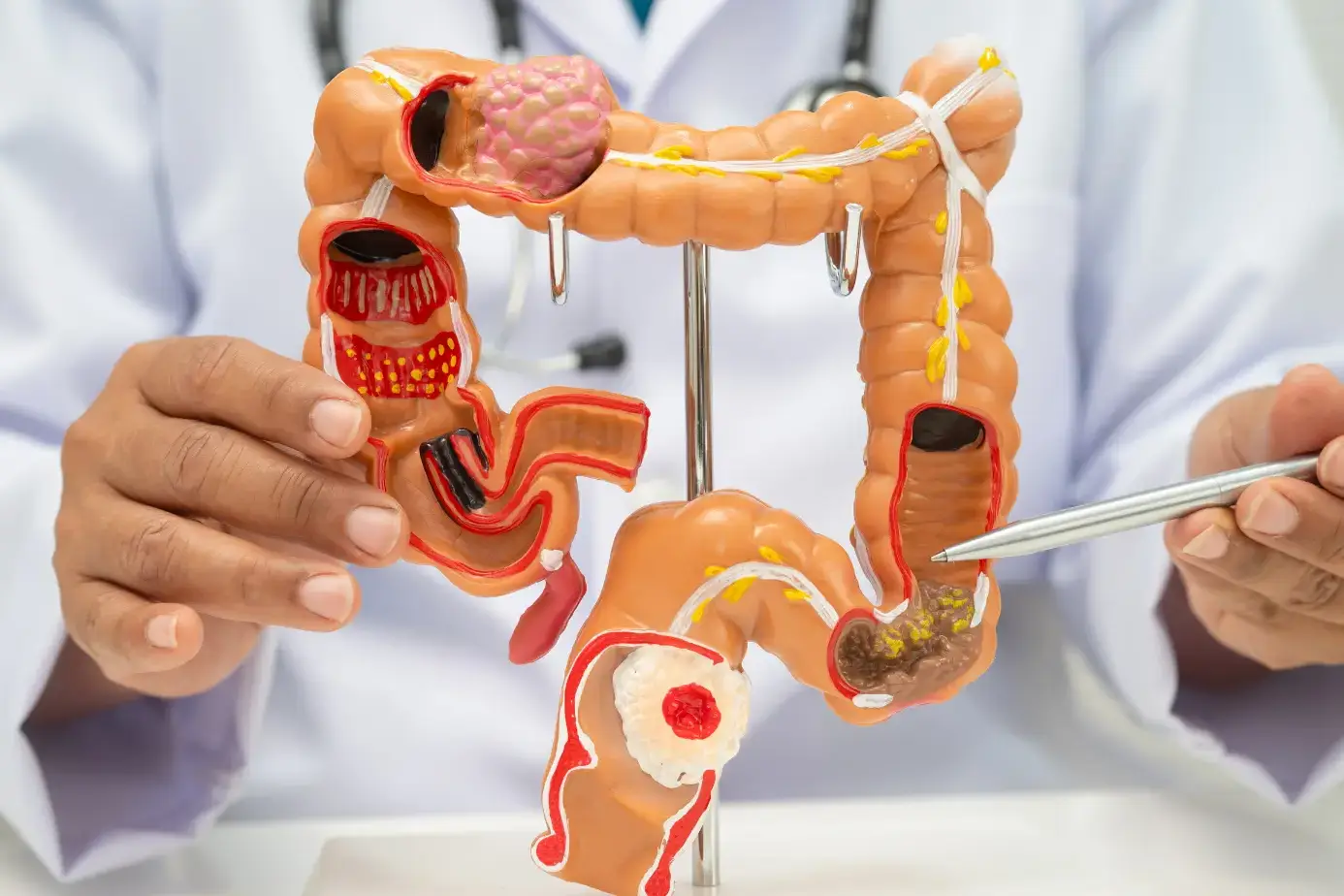
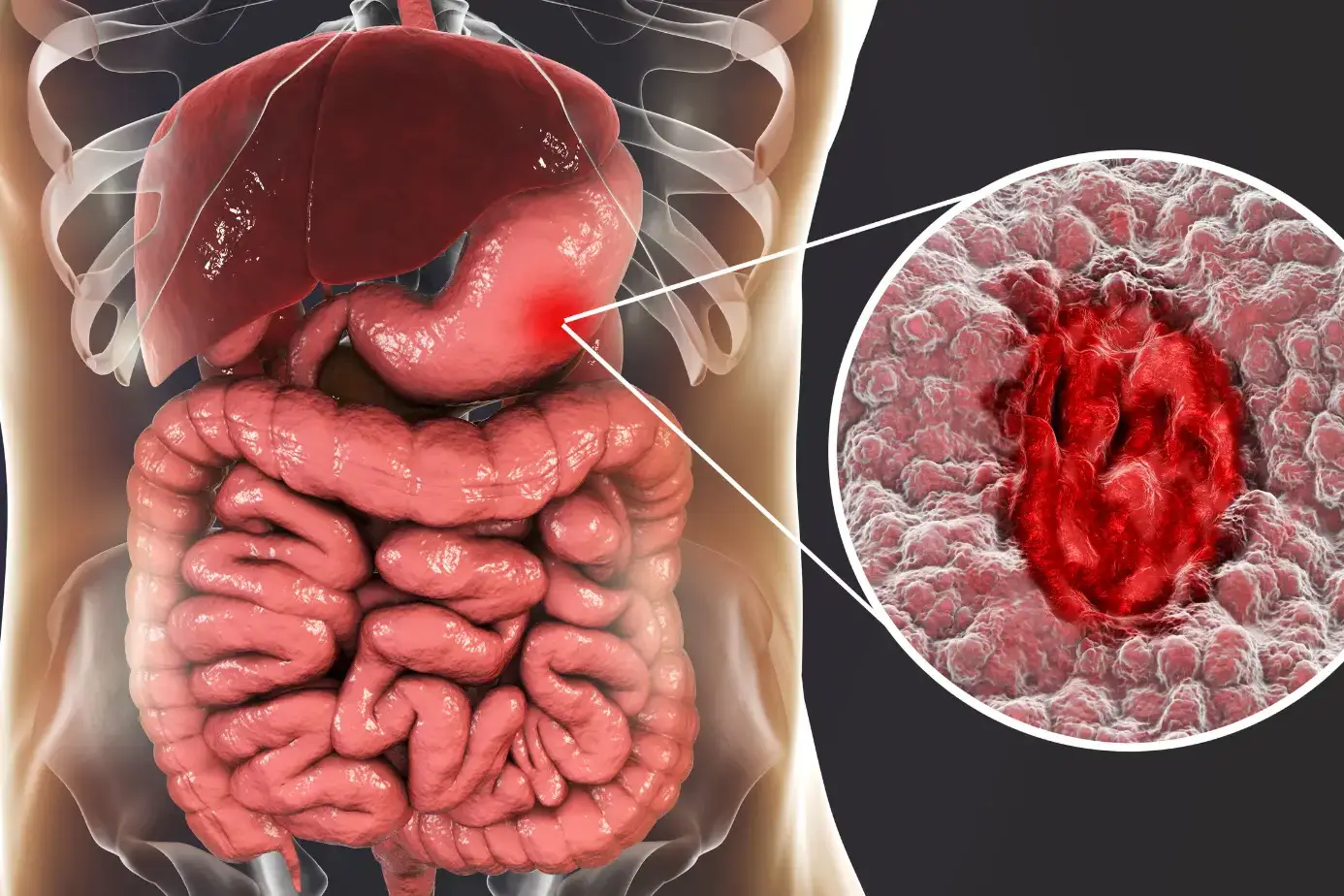
Yes, constipation can cause headaches. When your bowel stalls, your body changes in ways that can make your head hurt. You get dehydration, toxin buildup, nerve signals that shift, and more stress. These things can spark a dull, pressure-like headache.
Fixing bowel rhythm often eases the pain within a day or two. You should act fast if pain is severe or if you see red flags like blood or confusion.
Can Constipation Really Cause Headaches?
Yes, constipation can often cause headaches. You can get a headache from slow bowels. The link is real and common. Slow stool means more waste sits in your colon. This raises chemicals and gases that affect nerves.
At the same time, low fluids tighten blood flow and raise pain. These factors add up. For many people, the headache feels like steady pressure, not sharp pain. If you treat the constipation, the headache often fades.
Key Factors of Headaches Caused by Constipation
When you do not drink enough, stool becomes hard. Hard stool slows movement. This leads to more time for bacteria to make byproducts. Some of these byproducts can irritate nerve endings.
The vagus nerve (a long nerve that links your gut and brain) carries these signals. Dehydration also lowers your blood volume. Your brain gets less oxygen and can react with pain. These simple steps explain why constipation causes a headache for many people.
How Do Most Constipation-Related Headaches Feel?
Your head may feel heavy. You may feel pressure across the forehead or around the temples. The pain usually does not pulse like a migraine. You will often feel tired and bloated at the same time. You may also be thirsty and lightheaded. These signs point to a gut link rather than a primary brain problem.
Restoring Bowel Regularity Often Relieves Headaches Within 24–48 Hours
Fixing the bowel often helps the head fast. Rehydration and a soft stool reduce strain. Flushing retained waste lowers the gases and chemicals that irritate nerves. You may notice relief within one day. Most people improve within two days after a normal bowel movement and proper fluids.
How the Gut–Brain Connection Causes Headaches
The gut and brain exchange signals every minute. This two-way line can change how you feel. When the gut works wrong, the brain can respond with pain.
The Vagus Nerve Connects Digestion and the Nervous System
The vagus nerve carries messages from your gut to your brain. It tells the brain when you are full, when you are sick, and when the gut hurts. If the gut is stressed, the vagus nerve sends distress signals. These signals can change how you sense pain in your head.
Retained Waste and Toxins Affect Nerve Signaling and Brain Function
When stool stays in the bowel too long, bacteria break down food and make gases and chemicals. Some of these chemicals can change nerve firing. That can make you feel more pain. Holding waste also raises gut pressure. This pressure can affect nearby nerves and blood flow.
Imbalanced Gut Microbiome Triggers Inflammation and Pain Sensitivity
Your gut hosts many microbes that balance digestion. When their mix changes, low-level inflammation can grow. Inflammation tightens nerve signaling. That makes you more sensitive to pain. This can turn minor head tension into a full headache.
Chronic Constipation Increases Cortisol and Stress, Worsening Headaches
Long-term constipation raises stress. Your body makes more cortisol (a stress hormone). Cortisol changes how you feel pain. It can also change sleep and mood. These shifts feed into headache cycles and make pain harder to treat.
Common Causes Linking Constipation and Headache
Here are the common triggers that join gut trouble and head pain.
1. Dehydration
You need water to keep stool soft. When you skip fluids, stool hardens. Dry blood and low fluid reduce brain perfusion (blood flow). This causes a headache. Drinking water often eases both problems quickly. If you sweat a lot, add electrolytes to replace salts.
2. Toxin Buildup
Gas and chemical byproducts from bacteria can irritate the gut wall. That irritation sends strong nerve messages to your brain. That is a direct path for gut pain to become head pain.
3. Gut–Brain Axis Imbalance
Most serotonin (a brain chemical that affects mood and pain) is made in your gut. When gut function drops, serotonin levels may change. Lower serotonin can lower your pain threshold and worsen headaches. This is a clear part of the constipation and headache connection .
4. Stress and Anxiety
Stress tightens muscles and changes blood flow. It slows digestion. It raises the chance of both constipation and tension-type headache. Simple relaxation can help both issues.
5. Straining During Bowel Movements
Pushing hard during a bowel movement raises pressure inside your chest and head. This can cause a sudden, intense headache. Avoid strain. Use stool softeners or fiber to ease passage.
6. Poor Sleep or Fatigue
Bad sleep lowers your ability to handle pain. It also slows gut motility. Fixing sleep helps reduce both constipation and headaches.
Conditions That Link Constipation and Headaches
Some health problems commonly cause both gut and head issues.
Irritable Bowel Syndrome (IBS): Common Gut–Headache Overlap
IBS often brings constipation and abdominal discomfort. Many people with IBS also get frequent headaches. Treating gut rhythm and stress helps both problems at once. This supports the idea that constipation trigger for headache is real for people with IBS.
Fibromyalgia: Chronic Pain with Digestive Dysfunction
Fibromyalgia produces widespread pain and often affects digestion. Constipation and headaches can come together. Central pain processing changes make both worse.
Celiac Disease: Gluten Sensitivity Causing Both Gut and Neurological Symptoms
Celiac disease can cause constipation and headaches, and it often adds brain fog. A strict gluten-free diet may ease both gut and head symptoms.
Hormonal Disorders: PMS and Hypothyroidism Slow Gut Transit
Hormone swings can slow the bowel and raise headache risk. Low thyroid function and premenstrual shifts are two common examples. Treat the hormone issue to improve both symptoms.
Mood Disorders: Anxiety and Depression Affect Serotonin and Bowel Rhythm
Mood changes alter serotonin and gut rhythm. These disorders often show both constipation and headache. Treating mood can reduce both gut and head symptoms.
Signs Your Headache May Be Linked to Constipation
Watch for these signs. They point to a gut link.
Dull, Pressure-Like Pain Around Temples or Forehead
This steady pain often ties to gut problems. It is not sharp. It feels like pressure.
Fatigue, Abdominal Bloating, or Heaviness
If you feel heavy in your belly and tired, the two problems may come from the same source.
Dry Mouth and Thirst (Signs of Dehydration)
Thirst and a dry mouth often mean you are low on fluids. This can explain both slow stool and headache. Think dehydration constipation headache when these signs appear.
Nausea, Lightheadedness, or Appetite Changes
These symptoms often come from low fluid and gut upset. They can appear with both constipation and a linked headache.
Fewer Than 3 Bowel Movements per Week
This is a simple marker for constipation. If you have this and a headache, the gut may be driving the pain.
Headache Improves After Hydration or Bowel Relief
If your head feels better after drinking water or after a bowel movement, the gut likely played a role. This proves that treating constipation improves headache idea for many people.
How to Relieve Headaches Caused by Constipation
These steps help most people. They are simple and safe.
1. Hydrate Properly — 8–10 Glasses of Water Daily with Electrolytes
Drink small sips of water all day, about eight to ten glasses. Add electrolytes if you sweat or exercise. Proper hydration softens stool and keeps digestion smooth. It also improves blood flow to the brain, easing pain.
Warm water in the morning helps bowel movement. Avoid sugary or caffeinated drinks since they dry you out. When you’re hydrated, your gut clears waste faster, cutting down how often constipation causes a headache for you.
2. Increase Fiber Intake — Add Oats, Apples, Chia, and Psyllium
Add both soluble and insoluble fiber to your meals. Soluble fiber from oats and chia softens stool, while insoluble fiber from vegetables speeds passage. Start slow and increase daily to avoid gas. Pair fiber with water, or it can worsen constipation. Psyllium is an easy option; mix it in water and drink it fast. A healthy fiber routine balances gut bacteria and lowers toxin build-up, two key reasons constipation causes a headache .
3. Stay Physically Active
A 15-minute walk after meals stimulates digestion and blood flow. Any daily movement (stretching, yoga, or cycling) helps stool pass easily and oxygen reach your brain. Physical activity also improves sleep and lowers stress, both known triggers when constipation causes a headache . Even light movement every hour at work prevents bowel slowdown.
4. Manage Stress
Stress tightens your gut muscles and slows digestion. Deep breathing and short yoga sessions relax the body, restore bowel rhythm, and reduce cortisol. Calming routines balance gut–brain signals and ease tension headaches. Five minutes of slow breathing or mindfulness daily can stop the cycle where constipation causes a headache through stress and nerve tension.
5. Use Laxatives Cautiously
Laxatives help when lifestyle steps fail. PEG and lactulose draw water into stool, while softeners make passage gentle. Follow your doctor’s instructions to prevent dependence. Used safely, they relieve pressure and toxins that cause constipation cause a headache . But avoid daily stimulant laxatives, they can weaken bowel muscles over time.
6. Sleep Well
A steady sleep schedule improves gut rhythm and lowers pain sensitivity. Poor sleep raises stress and slows digestion. Aim for 7–8 hours nightly. Keep your room dark and avoid screens before bed. Better sleep supports serotonin balance, which reduces how often constipation causes a headache .
7. Avoid Excess Painkillers
Frequent use of painkillers slows the gut. Opioids are a top cause of chronic constipation. NSAIDs can also irritate your stomach. Cut down when possible and try non-drug methods like heat or massage. Fewer painkillers mean smoother digestion and fewer times constipation causes a headache .
When to See a Doctor
Seek help when problems persist or red flags appear.
Constipation Lasting Over 3 Weeks or Resistant to Lifestyle Changes
If you do not improve with diet, fluids, and movement, get checked.
Severe or Persistent Headaches Unrelated to Dehydration
If headaches do not follow fluid or bowel changes, see a clinician.
Blood in Stool, Weight Loss, or Abdominal Pain
These signs need urgent testing. Do not ignore them.
Vision Changes, Confusion, or Weakness Along With Headaches
These are emergency signs. Seek immediate care.
Headache and Constipation Appearing After New Medication
If a new medicine causes both, call your prescriber. Some drugs slow the bowel and cause headaches as side effects.
How Treating Constipation Eases Headaches
Fix the gut, and your head often improves.
Clearing Waste Reduces Toxin Pressure on the Nervous System
When stool moves regularly, toxins no longer irritate gut nerves. Less irritation sends fewer pain signals to the brain, stopping the pattern where constipation causes a headache .
Hydration Restores Brain Oxygen and Blood Flow
Proper fluids restore blood volume, improving oxygen flow to the brain. This relieves pressure-based headaches caused by dehydration and sluggish stool.
Probiotics and Fiber Rebalance Gut Bacteria
Healthy bacteria reduce gut inflammation and nerve irritation. Adding fiber and probiotics daily helps both digestion and pain control.
Regular Bowel Movements Boost Serotonin
Serotonin, mostly made in your gut, balances pain. When bowel habits normalize, serotonin levels rise, and headaches caused by constipation occur less often.
Most Patients Notice Fewer Headaches Once Gut Rhythm Restores
Once constipation clears, headaches often stop within days. Keeping hydration and fiber consistent prevents them from returning.
Natural and Medical Treatment Options
Mix lifestyle with careful medical steps.
Lifestyle
Your daily habits fix most cases. Water, fiber-rich meals, walks, and stress breaks keep your bowel regular and reduce headaches naturally.
Supplements: Magnesium Citrate, Vitamin B Complex, Probiotics
Magnesium citrate softens stool; Vitamin B supports nerves; probiotics restore gut balance. Use safe doses approved by your doctor.
Medications: Stool Softeners or Osmotic Laxatives (PEG, Lactulose)
Short-term laxatives help when lifestyle steps fail. PEG or lactulose gently draws water into the colon, easing stool and pressure that can cause a headache due to constipation .
Therapies such as Cognitive Behavioral Therapy (CBT)
CBT helps you manage gut-related anxiety and pain sensitivity. It trains how your brain reacts to bowel stress, improving both constipation and headaches.
Natural Remedies: Peppermint Oil, Ginger Tea, or Ayurvedic Herbs (Triphala)
Peppermint relaxes gut muscles, ginger aids nausea, and Triphala supports bowel movement. Use under guidance to safely reduce gut-related headaches.
Preventing Constipation and Headache Recurrence
Keep these habits daily.
- Eat fiber-rich, balanced meals.
- Avoid too much caffeine and alcohol.
- Do not ignore the urge to go.
- Keep regular sleep and water habits.
- Track triggers like certain foods, stress, or hormones.
FAQs
What are the signs that my headache is from my gut, not my head?
You have bloating, fewer than three bowel movements each week, thirst, and the headache eases after hydration or a bowel movement; these signs point to a gut link.
Why Do I Get a Headache When I’m Constipated?
Low fluids, toxin buildup from slow stool, nerve signaling through the vagus nerve, and stress can combine. That is why constipation causes a headache for many people.
Does Hydration or Fiber Help Relieve Headache Faster?
Yes. Drinking water and adding fiber soften stool and improve blood flow to the brain. Both work together to reduce pain within a day or two.
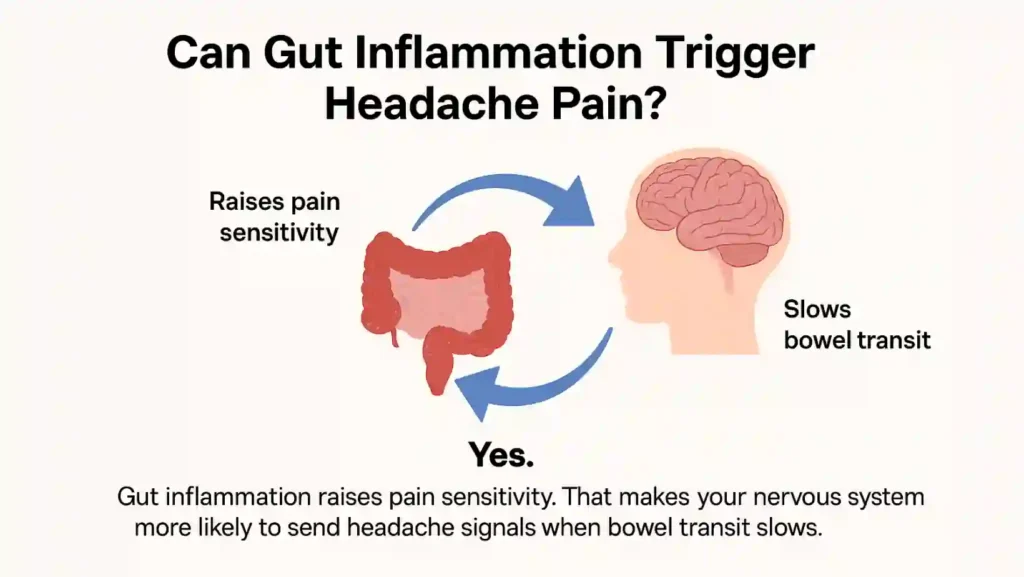
Can Gut Inflammation Trigger Headache Pain?
Yes. Gut inflammation raises pain sensitivity. That makes your nervous system more likely to send headache signals when bowel transit slows.
Are Probiotics Effective in Preventing Constipation-Linked Headaches?
Some probiotic strains help stool transit and reduce inflammation. This can help prevent the constipation and headache connection for some people.
Can Hormones or PMS Make Headaches and Constipation Worse?
Yes. Hormone shifts can slow gut transit and change pain sensitivity. PMS and low thyroid function are common causes of both symptoms.
How Long Does It Take for Headaches to Subside After Relief?
Many people feel better within 24 to 48 hours after normal bowel movement and hydration. Some get relief within hours after stool softening.
Can Magnesium Help Both Headache and Constipation?
Yes. Magnesium citrate draws water into the bowel and eases stool. It can also reduce headache frequency for some people when used safely.
What Are the Best Natural Remedies for Gut-Related Headaches?
Hydration, fiber, gentle movement, ginger tea for nausea, and peppermint for cramp relief work well. Track what helps you and repeat those steps.
When Should I See a Doctor for Constipation and Headache Together?
See a doctor if constipation lasts more than three weeks, if headaches are severe, or if you have blood in stool, vision changes, or weakness.
About The Author

Medically reviewed by Dr. Nivedita Pandey, MD, DM (Gastroenterology)
Dr. Nivedita Pandey is a U.S.-trained gastroenterologist and hepatologist with extensive experience in diagnosing and treating liver diseases and gastrointestinal disorders. She specializes in liver enzyme abnormalities, fatty liver disease, hepatitis, cirrhosis, and digestive health.
All content is reviewed for medical accuracy and aligned with current clinical guidelines.