What is the gut microbiome?
The gut microbiome is the community of trillions of microorganisms; including gut bacteria, fungi, and viruses, living inside your intestines. When people ask what the gut microbiome is, they are really asking about the balance of these microbes and how they affect the body.
This microscopic world is vital for digestive health, immune function, and even mental well-being. A healthy gut microbiome processes nutrients, produces vitamins, and communicates with the brain through the gut-brain axis. Scientists now see the human gut microbiome as a key link between diet, disease prevention, and overall microbiome and health. Without this balance, you risk poor digestion, low immunity, and even chronic illness.
Why is the gut microbiome important?
Your human gut microbiome is linked to your overall health more than most people realize. This complex microbial system doesn’t just break down food, it talks to your brain, supports your immunity, and even plays a role in your hormones. Poor balance in the gut can affect digestive health, energy, skin, and even your mental health.
Good balance in gut microbiome and health means fewer infections, better digestion, and protection against many chronic diseases. Bad balance? You may face bloating, constipation, mood swings, and weakened immunity.
What does your gut microbiome do?

Digestive system
The microbiome’s function in digestion is to convert proteins, fibers, and carbohydrates into nutrients that your body can use. They produce short-chain fatty acids that protect your colon, and help your body use vitamins and minerals efficiently. Without them, your digestion slows, and nutrient absorption suffers.
Immune system
Your gut hosts most of your immune cells. A balanced microbiome trains the immune system to fight infections without overreacting. This close immune system and microbiome link protects against allergies, inflammation, and autoimmune problems.
Nervous system
Through the gut-brain axis, your gut microbes send chemical signals to your brain. They influence mood, stress levels, and even memory. Disruption here can affect mental well-being and stress resilience.
Endocrine system
Your microbiome interacts with hormones that control hunger, blood sugar, and metabolism. A healthy gut microbiome supports hormone balance, which influences weight control, energy, and reproductive health.
Where is your gut microbiome?
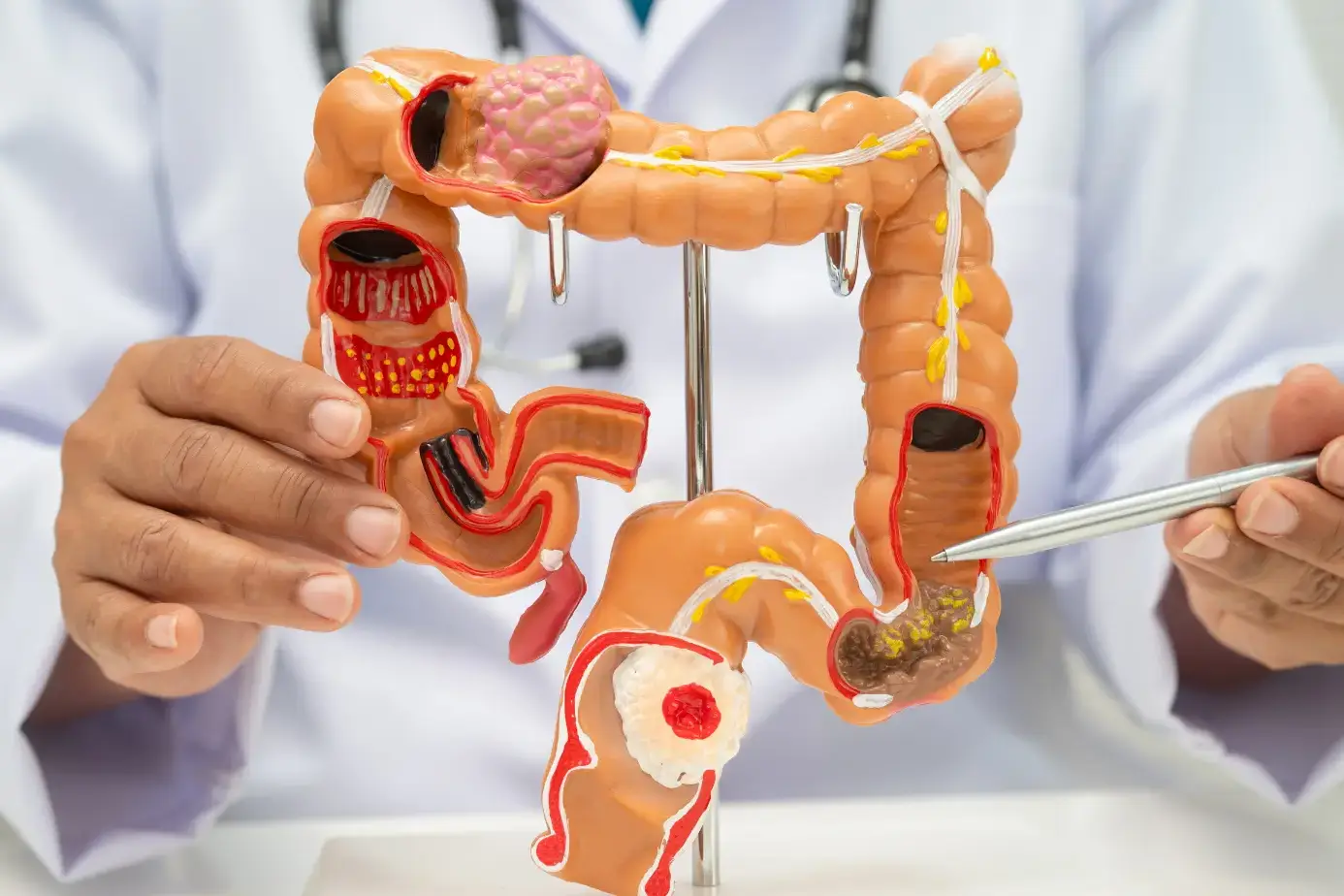
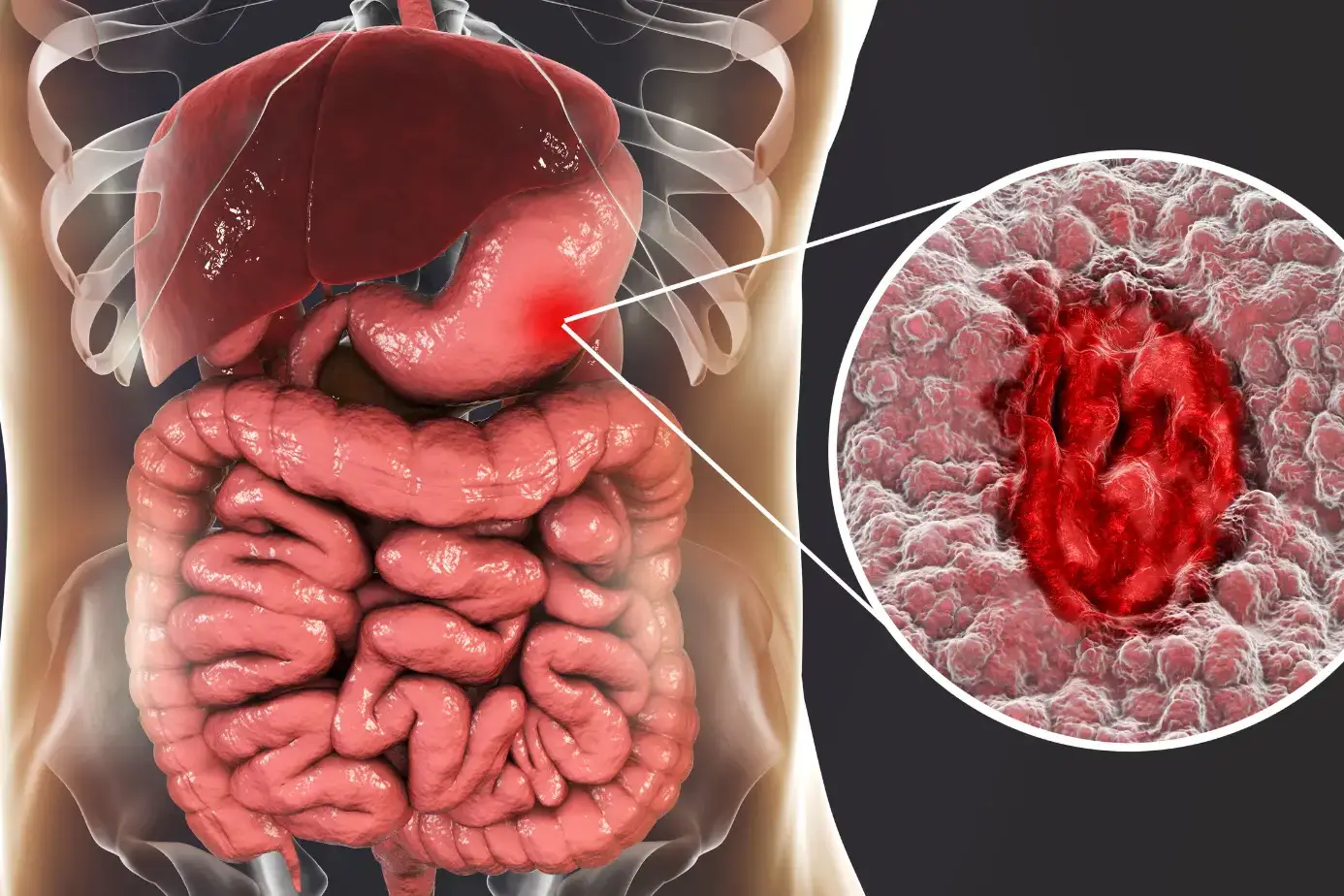
Most of your intestinal flora live in your large intestine, especially the colon, where food stays long enough for microbes to work. This is where the diversity of gut microbiota thrives, producing beneficial compounds that support the whole body.
Smaller populations live in the small intestine, but their role is just as important, they help absorb nutrients and maintain microbiome function. Every section of your digestive tract has its own mix of microbes, working together to keep gut microbiome and health in balance.
What is dysbiosis?
Dysbiosis is when your gut microbes lose their healthy balance. This microbiome imbalance can happen if harmful microbes overgrow or beneficial ones decrease. Causes include antibiotics, poor diet, stress, and illness.
When dysbiosis occurs, the immune system and microbiome connection is disrupted, digestion weakens, and harmful bacteria can take over. Restoring balance often involves dietary changes, probiotics and gut health support, and feeding good microbes with prebiotics and gut bacteria.
What environmental factors affect your gut microbiome?
Diet
Your diet shapes your human gut microbiome daily. High-fiber foods, whole grains, and fermented products promote the diversity of gut microbiota, while processed foods and sugar feed harmful microbes. Including prebiotics and gut bacteria in your diet helps maintain balance.
Chemicals
Exposure to pesticides, pollution, and food additives can reduce microbiome function and harm gut microbiome and health. Overuse of antibiotics is a major cause of microbiome imbalance, sometimes requiring months to recover.
Diversity
Greater diversity equals a stronger microbiome. Eating a wide variety of fruits, vegetables, legumes, and fermented foods boosts probiotics and gut health, making your gut more resilient against disease.
What are common signs or symptoms of a problem with my gut microbiome?
Poor gut health can show up in many ways:
- Constant bloating or gas
- Irregular bowel movements
- Frequent infections
- Skin problems like acne or eczema
- Food intolerances
- Mood swings or anxiety
If these symptoms stay for weeks, it’s time to think about how to fix gut microbiome.
Can I take a test to check the health of my gut microbiome?
Yes, gut microbiome testing analyzes stool samples to identify your microbial balance. While it can reveal microbiome and health patterns, results change over time, so they should be combined with lifestyle evaluation.
How do healthcare providers treat gut microbiome conditions?
Treatment targets the cause:
- Post-antibiotic imbalance: probiotics and high-fiber diet
- Diet-related problems: personalized meal plans
- Severe cases: fecal microbiota transplants
The goal is restoring a healthy gut microbiome and supporting long-term gut microbiome and health.
What can I do to take care of my gut microbiome?

Here’s how to improve gut microbiome naturally:
- Eat more plant-based foods like vegetables, beans, and whole grains.
- Include fermented foods like yogurt, kefir, sauerkraut, or kimchi.
- Avoid too much sugar, processed foods, and alcohol.
- Control your tension since too much stress can damage your microbiota.
- Sleep well and exercise regularly.
These steps don’t just support a healthy gut microbiome, they improve gut microbiome and health overall.
Conclusion
Your gut microbiome is like an entire world inside your body. Taking care of it is one of the best ways to protect your human gut microbiome and stay healthy. Balance is everything. Eat well, manage stress, and be mindful of what you put in your body.
When you take small daily steps toward how to fix gut microbiome, you’re also supporting your mood, immunity, and long-term health.
Frequently Asked Questions
How to improve gut microbiome?
Eat more fiber, fermented foods, and plant-based meals daily. Avoid processed sugar, manage stress, and stay hydrated for a balanced human gut microbiome.
How to fix gut microbiome?
Reintroduce beneficial microbes with probiotics, feed them with prebiotics, reduce processed foods, and avoid unnecessary antibiotics to restore a healthy gut microbiome.
How to reset gut microbiome?
For at least two weeks, eat complete, unprocessed foods, fermented items, and lots of fiber to promote good bacteria and heal the gut microbiota.
How does stress affect the gut microbiome?
Chronic stress changes hormones, weakens the immune system, and disrupts the gut-brain axis, allowing harmful microbes to overgrow and harming overall microbiome and health.
What foods to eat to restore gut microbiome?
Leafy greens, beans, yogurt, sauerkraut, and berries feed beneficial gut bacteria and improve the diversity of gut microbiota.
What do bacteria do in a healthy gut microbiome?
They digest fiber, produce vitamins, train immunity, and block harmful microbes, all essential to digestive health and overall microbiome function.
How to increase gut microbiome?
Eat diverse plant foods, fermented items, and high-fiber meals while avoiding excess sugar and artificial additives that damage intestinal flora.
What does the gut microbiome do?
It aids digestion, supports immunity, influences mood, and balances hormones, making gut microbiome and health inseparable from overall wellness.
What is the gut-brain axis?
It’s the two-way communication between your gut microbes and brain, affecting mood, stress, and mental clarity through chemical and nerve signals.
Are gut microbiome tests reliable?
They reveal current microbial patterns but change over time. Combine gut microbiome testing results with diet and lifestyle adjustments for lasting improvements.
Can antibiotics change my gut microbiome?
Yes, antibiotics can wipe out good and bad microbes, causing microbiome imbalance that may take months to recover without dietary and probiotic support.
About The Author

Medically reviewed by Dr. Nivedita Pandey, MD, DM (Gastroenterology)
Dr. Nivedita Pandey is a U.S.-trained gastroenterologist and hepatologist with extensive experience in diagnosing and treating liver diseases and gastrointestinal disorders. She specializes in liver enzyme abnormalities, fatty liver disease, hepatitis, cirrhosis, and digestive health.
All content is reviewed for medical accuracy and aligned with current clinical guidelines.