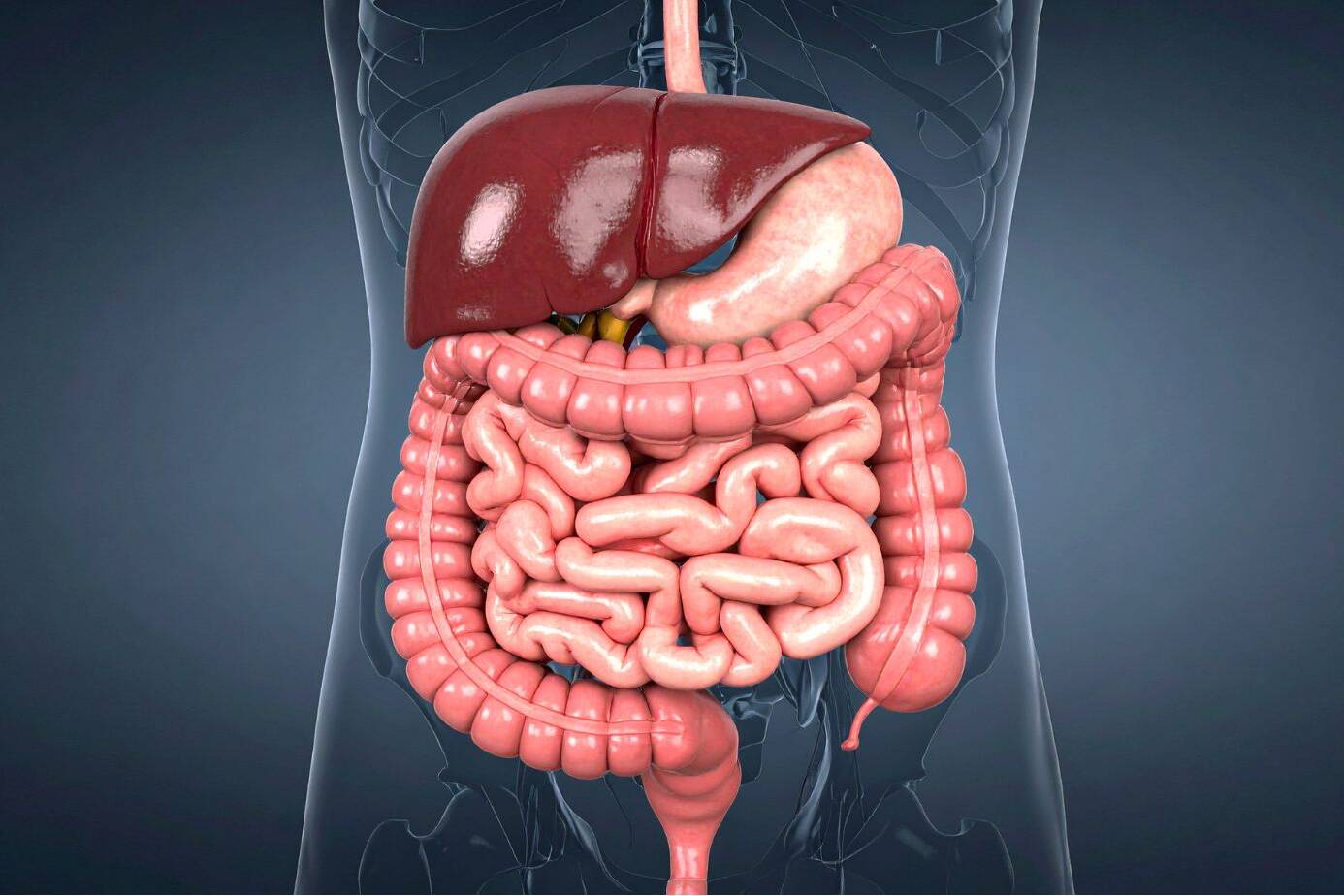
What is leaky gut syndrome?
Leaky gut syndrome happens when your intestinal wall loses its tight seal. By allowing nutrients to enter and keeping out toxins, germs, and undigested food, the gut lining typically serves as a kind of security guard.
When the barrier weakens, it leads to intestinal permeability, meaning tiny gaps form in the gut wall. This permits harmful substances to “leak” into your blood. Your immune system sees them as invaders, causing chronic inflammation and other gut health issues.
So, what is leaky gut in simple words? It’s when the protective wall of your intestines becomes damaged and can no longer filter what enters your body.
Common leaky gut syndrome causes include poor diet, stress, frequent antibiotic use, and gut microbiome imbalance. Over time, these factors break down the gut’s defenses and create a ripple effect across your health.
What disease is associated with leaky gut?
Scientists are still studying the link between leaky gut syndrome causes and disease.
Known disease associations include:
- Inflammatory bowel conditions like Crohn’s disease and ulcerative colitis
- Celiac disease
- Type 1 diabetes
Possible disease associations include:
- Autoimmune conditions include rheumatoid arthritis and lupus, as well as leaky gut
- Skin problems like eczema and psoriasis
- Leaky gut and brain fog
- Depression and mood disorders
Not everyone with intestinal permeability will get these diseases, but the risk may be higher if you have gut barrier dysfunction.
Who does intestinal permeability affect?
Leaky gut isn’t limited to a certain group. It can affect:
- People with poor diet habits
- Those under high stress
- Individuals with frequent use of antibiotics or painkillers
- People with food allergies or food sensitivities and gut health issues
Even kids can experience it if their gut health is weak.
How does a leaky gut affect my body?

When your gut wall is healthy, it stops harmful materials from slipping through. But with gut lining damage, toxins and bacteria pass into your bloodstream. This triggers your immune system to fight back, leading to digestive tract inflammation.
If the leaks continue, the stress on your immune system can spill over into other areas of your body. You might experience leaky gut syndrome symptoms like bloating, fatigue, joint pain, or even leaky gut and brain fog.
Leaky gut and autoimmune conditions like rheumatoid arthritis and celiac disease may be related to gut barrier malfunction in certain people. It affects more than simply digestion; it also affects your joints, skin, vitality, and mental clarity.
What is the main cause of a leaky gut?
There’s no single cause, but common leaky gut syndrome causes include:
- Diets high in sugar, processed foods, and alcohol
- Chronic stress
- Overuse of medications like NSAIDs
- Infections in the gut
- Gut health issues from unbalanced bacteria
When these factors stay around for too long, they lead to gut barrier dysfunction and chronic inflammation.
What are the symptoms of a leaky gut?

Each person experiences leaky gut syndrome differently.
Common leaky gut syndrome symptoms include:
- Bloating and gas
- Food cravings, especially sugar
- Fatigue
- Joint pain
- Brain fog
- Headaches
- Skin problems like acne or eczema
Other leaky gut syndrome signs and symptoms may be mood changes, irregular bowel movements, or unexplained weight changes.
How is intestinal permeability measured?
Doctors can check for intestinal permeability using a few main approaches:
- Lactulose-Mannitol Test: You drink a liquid containing two sugars. Healthy intestines absorb mannitol but not lactulose. High lactulose levels in urine suggest leaks in the gut wall.
- Zonulin Test: Zonulin is a protein that controls tight junctions in the gut. Higher blood or stool levels may point to gut barrier dysfunction.
- Stool Analysis: Looks for inflammation markers, harmful bacteria, and signs of gut microbiome imbalance.
These tests aren’t perfect, but when paired with symptoms and indicators of leaky gut syndrome, they can assist direct treatment and develop a strategy for curing the condition.
What is the fastest way to heal leaky gut?
There’s no instant leaky gut syndrome cure, but you can speed recovery by removing irritants, repairing the gut lining, and feeding healthy bacteria. Here’s a step-by-step method to how to heal leaky gut syndrome faster:
- Eliminate trigger foods: Avoid gluten, processed sugar, alcohol, and artificial sweeteners. These worsen gut health issues and slow healing.
- Repair the gut wall: Eat bone broth, collagen-rich foods, and zinc-containing meals to strengthen the lining.
- Lower inflammation: Focus on anti-inflammatory foods like berries, fatty fish, turmeric, and leafy greens.
- Restore bacterial balance: Incorporate probiotics and consume fermented foods to replenish healthy microbes.
- Reduce stress: Stress hormones harm the gut lining. Practice breathing exercises, light stretching, or meditation daily.
When you follow these steps daily, how you treat leaky gut syndrome becomes a process of steady progress rather than waiting for a miracle.
How can I take care of my gut?
A healthy gut requires daily care. Here’s how to keep your digestive system strong after how do you heal leaky gut syndrome:
- Probiotics: Choose a quality supplement or eat yogurt, kefir, kimchi, or sauerkraut. They help fight bad bacteria and prevent gut microbiome imbalance.
- Prebiotics: Provide nourishment to your good bacteria with fiber-rich foods such as bananas, garlic, asparagus, and oats. This improves digestion and prevents future gut lining damage.
- Reduce dietary fats and sugars: High sugar and processed fats cause digestive tract inflammation. Substitute them with olive oil, avocados, and whole grains.
- Nutrition: Construct meals that include lean protein, vegetables, healthy fats, and fermented foods. This ensures your body gets the tools to maintain a strong gut wall.
- Low FODMAP Diet: If you have food sensitivities and gut health problems, reducing fermentable carbs can lessen bloating and discomfort while your gut heals.
Together, these habits act as a long-term gut detox, protecting you from future inflammatory bowel conditions.
Conclusion
Leaky gut syndrome may not be fully accepted in all medical circles, but more research points to its role in gut health issues, immune function, and even mood. The good news is you have the power to support your gut every day.
Instead of searching endlessly for a “quick” leaky gut syndrome cure, focus on daily habits that help your gut lining heal. Eat clean foods, manage stress, and protect your digestion. Over time, your gut can recover and your whole body will thank you.
Frequently asked questions
How is leaky gut diagnosed?
Doctors check symptoms, history, and may use tests like lactulose-mannitol or zonulin to assess intestinal permeability and rule out other digestive issues.
How can I naturally heal a leaky gut?
Remove trigger foods, eat gut-healing meals, manage stress, and use probiotics and prebiotics to restore your gut’s barrier.
What is the best diet for healing leaky gut?
The best foods to heal leaky gut include bone broth, leafy greens, berries, fermented foods, and omega-3-rich fish. Avoid processed sugar and gluten.
How long does it take to heal leaky gut?
Mild cases may improve in weeks. Severe cases with gut lining damage can take months, depending on diet, stress, and lifestyle changes.
Can leaky gut cause autoimmune disease?
Leaky gut and autoimmune diseases are linked, as a weakened barrier may trigger immune attacks against healthy tissues in some people.
Is leaky gut recognized by conventional medicine?
Some doctors acknowledge it, others see it as a side effect of other gut health issues like celiac or inflammatory bowel disease.
What are 7 foods to avoid for a leaky gut?
Processed sugar, alcohol, fried foods, gluten, artificial sweeteners, dairy (if sensitive), and packaged snacks worsen leaky gut syndrome symptoms.
What does a leaky gut smell like?
It doesn’t have a direct smell. Bad breath or foul-smelling stools may signal gut microbiome imbalance and poor digestion.
How to know if a leaky gut is healing?
Better digestion, less bloating, clearer skin, improved energy, and fewer leaky gut syndrome signs and symptoms show progress.
About The Author

Medically reviewed by Dr. Nivedita Pandey, MD, DM (Gastroenterology)
Dr. Nivedita Pandey is a U.S.-trained gastroenterologist and hepatologist with extensive experience in diagnosing and treating liver diseases and gastrointestinal disorders. She specializes in liver enzyme abnormalities, fatty liver disease, hepatitis, cirrhosis, and digestive health.
All content is reviewed for medical accuracy and aligned with current clinical guidelines.