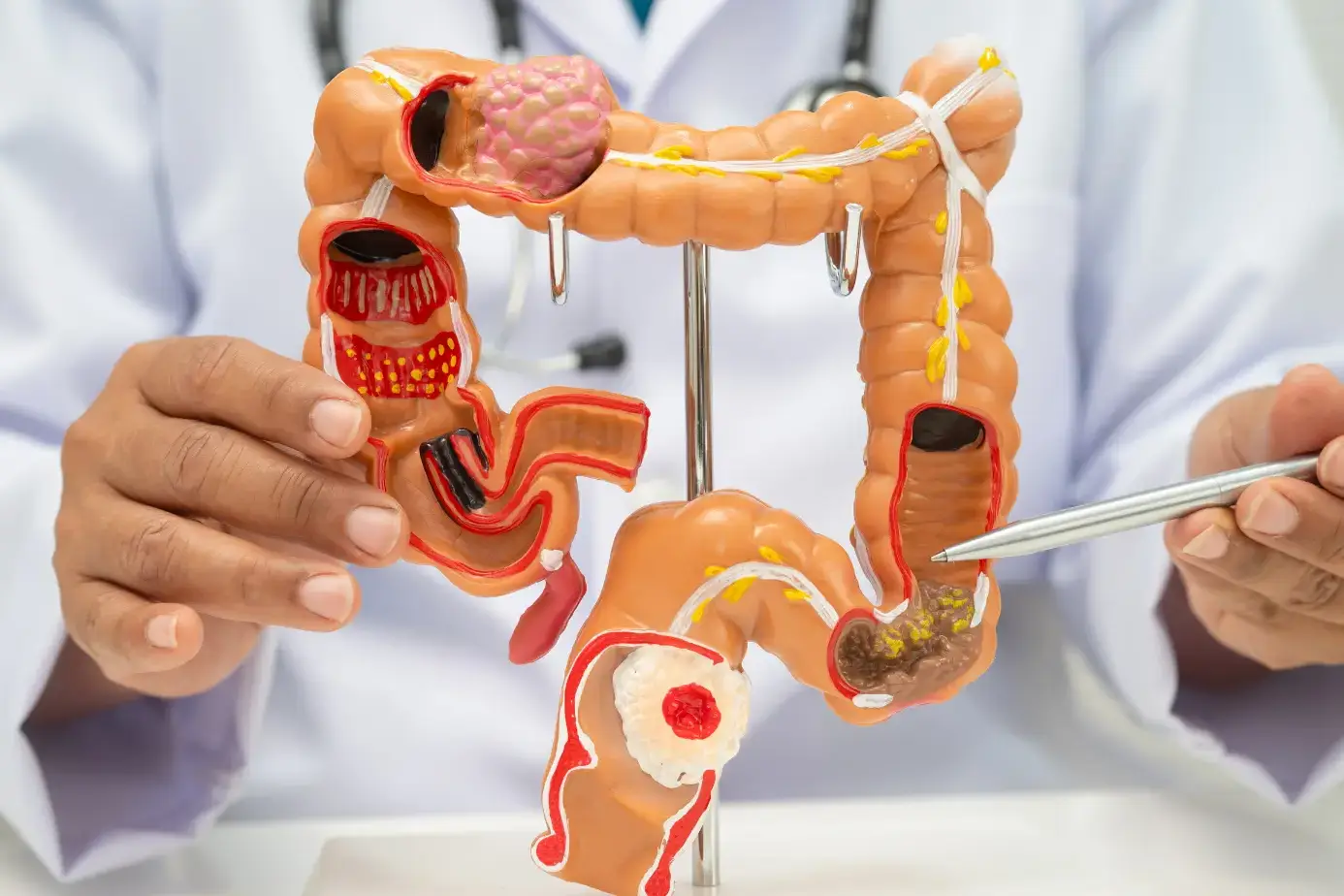
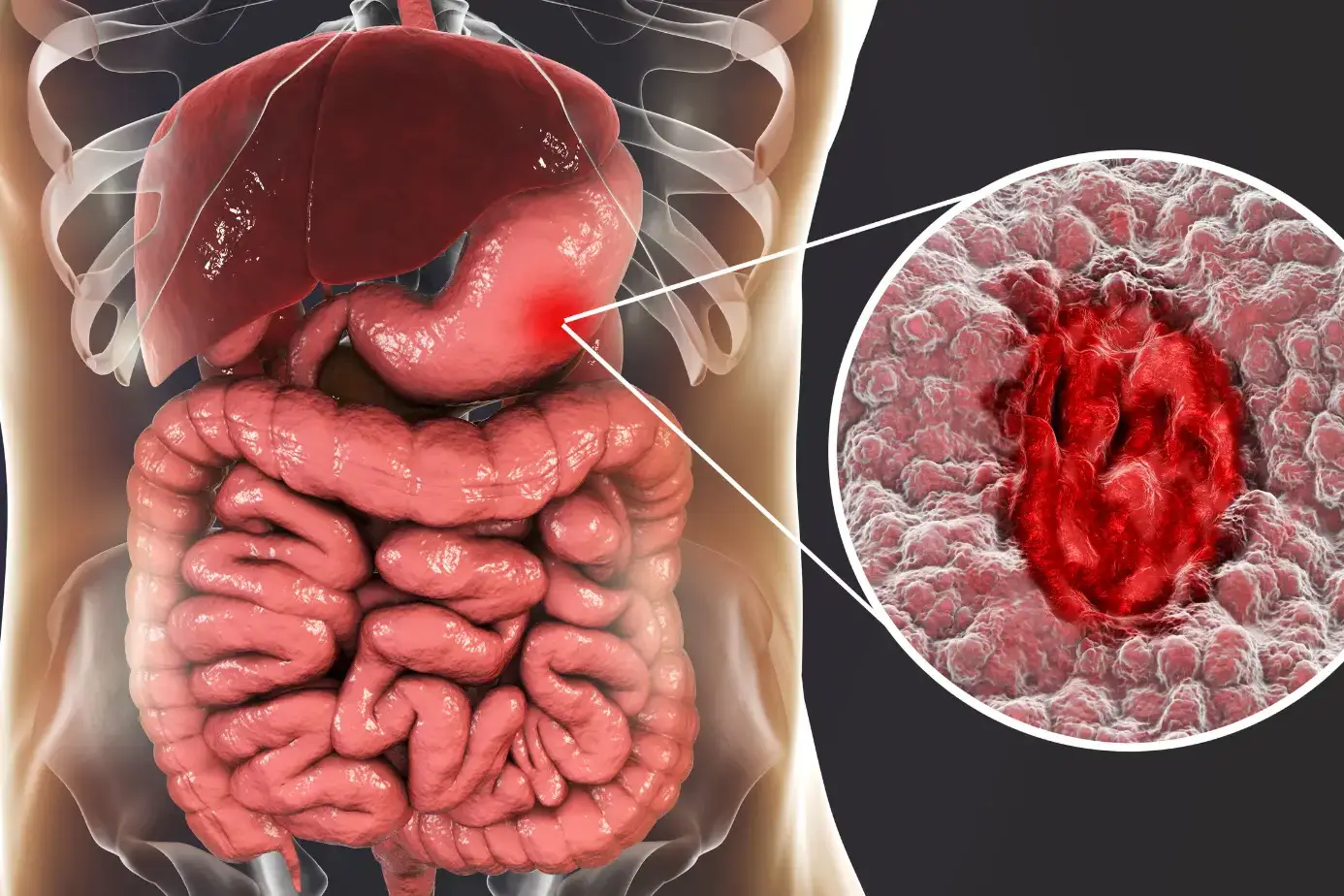
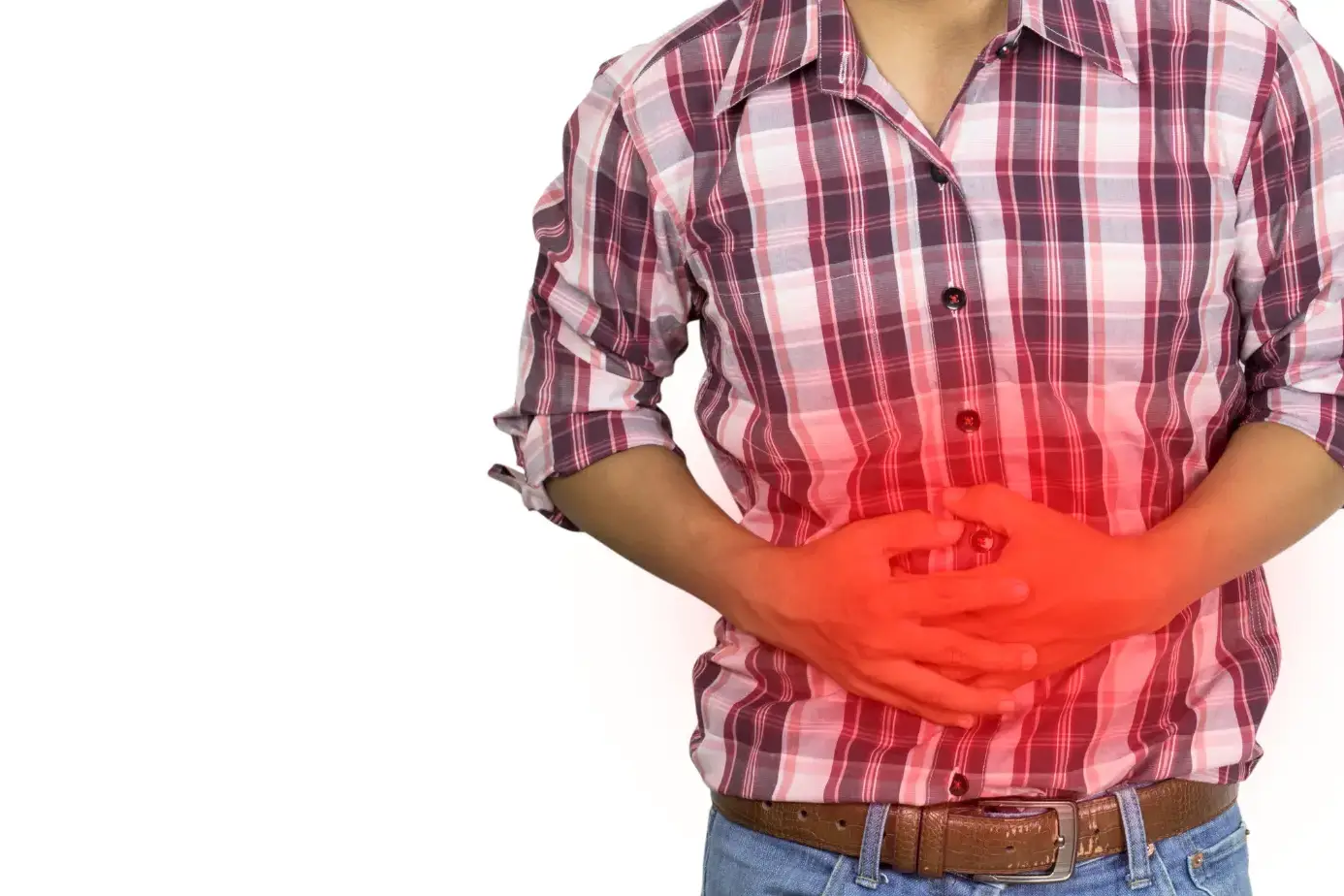
We all know that feeling when our stomach drops or when we feel uneasy after a stressful situation. It turns out, these “gut feelings” are more than just expressions. There’s a real science behind the connection between our mood and digestion. But how exactly are they linked?
In this article, we’ll explore the surprising relationship between gut health and mood, uncover the gut-brain connection, and show you why taking care of your gut might be the key to a happier, healthier mind.
Listening To Your Gut

The phrase “trust your gut” has been around for ages, but it’s not just some old saying. Research shows that the gut feeling meaning is deeply rooted in science. Your gut is often called your “second brain” because it possesses a sophisticated network of neurons that allows it to operate nearly independently. This system is called the enteric nervous system, and it’s constantly sending signals to your brain.
Interestingly, around 95% of serotonin, a chemical linked to mood regulation, is produced in the gut. This means that your gut health and mood are more connected than we might have ever imagined. When your gut is in good shape, it can positively influence your emotional health. However, when it’s out of balance, it can lead to a range of psychological effects, including mood swings, anxiety, and even depression.
The Stress Alarm
When you’re stressed, your stomach reacts. Maybe you feel nauseous, or you get a “butterflies in your stomach” feeling. This is because your brain and gut are in constant communication through the Gut-Brain axis. When you’re stressed, the brain sends signals that can directly affect the balance of your intestinal microbiota, which are the microorganisms in your gut. This disruption can result in ineffective digestion and an intensified emotional state, creating a harmful cycle.
Chronic stress doesn’t just affect your gut; it also increases inflammation and mental health issues. The more stressed you are, the more likely it is that your gut will suffer. Over time, this imbalance can affect how you feel emotionally, leading to feelings of irritability, anxiety and depression.
It’s not just about digestion. The vagus nerve and mood are intertwined in a way that can influence how you respond to stress. This nerve is the main pathway of communication between your gut and your brain. When it’s irritated, it can lead to feelings of anxiety and discomfort in your gut, further affecting your mood.
Functional Disease In A Dysfunctional World

Many people experience stress and digestion issues regularly. The constant pressure of work, school, and personal life can overwhelm the body, causing both mental health and digestion problems. Over time, this can lead to gut-brain communication breakdowns, where your gut becomes unable to send the right signals to your brain.
One common result of these issues is functional gastrointestinal disorders. These are digestive problems that don’t have a clear, physical cause but are linked to how the brain and gut communicate. Irritable Bowel Syndrome (IBS) is a prime example, where the gut becomes overly sensitive to stress and emotions.
What’s fascinating is that many of these disorders can be managed or improved by taking care of your mental health. Managing stress, eating a balanced diet, and even practicing mindfulness can help restore the balance in your gut microbiome and emotions.
Setting Your Mind On Relief
So, what can you do to improve both your gut health and emotional well-being? You can implement minor modifications that can yield substantial effects. Here’s how:
- Focus on Gut-Friendly Foods: Your diet has a huge impact on your gut health. Foods like fermented vegetables, yogurt, and kimchi are rich in probiotics that can help boost your gut microbiome and emotions. These foods promote the growth of healthy bacteria, which in turn improve your digestion and emotional health.
- Include Omega-3s: Omega-3 fatty acids, which are found in fatty fish like salmon and seeds such as chia, can help mitigate inflammation and mental health concerns.
- Include More Fiber: Fiber is key for keeping your gut healthy. It feeds the good bacteria in your gut and helps maintain a balanced microbiome. A fiber-rich diet can reduce gut bacteria and anxiety by ensuring your digestive system functions properly.
- Get Moving: Exercise not only boosts your mood but also helps promote healthy digestion. Physical activity can encourage the growth of beneficial gut bacteria, which is why a balanced exercise routine is great for your mental health as well.
- Mindfulness & Relaxation: Stress is one of the biggest factors that impact gut health mental health link. Practicing mindfulness, yoga, or meditation can help reduce the psychological effects of gut imbalance and improve both your mood and digestion.
- Consider Probiotics: Research suggests that probiotics for mental health may be an effective way to restore balance in your gut. These supplements can help alleviate symptoms of anxiety, depression, and other mood disorders by improving the gut microbiome.
Conclusion
The relationship between our gut and mind is stronger than we ever realized. It’s about how our emotions and mental health are shaped by the bacteria and systems inside our gut. By understanding the gut-brain connection and taking steps to improve our gut health, we can have better digestion and a happier, healthier mind.
So next time you feel anxious or stressed, consider how your gut might be playing a role. Start with small steps like eating better, exercising, and managing stress. Remember, a healthy gut is not just the key to good digestion, but also to emotional health and digestion.
FAQs
What is the connection between gut and mood?
The Gut-Brain Axis is a communication pathway between the gut and the brain that establishes a close connection between the gut and mood. Imbalances in the gut can lead to mood changes, including anxiety and depression.
What emotion is linked to digestive issues?
Stress, anxiety, and depression are all linked to digestive issues. When the brain is stressed, it sends signals to the gut, affecting digestion and emotional well-being.
What are signs of gut issues?
Common signs of gut issues include bloating, gas, constipation, diarrhea, and stomach cramps. Emotional symptoms like anxiety and mood swings can also indicate gut problems.
What does a bad gut feel like?
A bad gut can cause discomfort like bloating, indigestion, or a feeling of fullness after eating. Emotional symptoms may include irritability or fatigue.
What is the gut-brain connection?
The Gut-Brain connection refers to the communication between the gut and brain through the vagus nerve and mood. This connection affects both physical and emotional health.
How much serotonin is produced in the gut?
Around 95% of serotonin, a neurotransmitter that regulates mood, is produced in the gut.
Can poor digestion affect mental health?
Yes, poor digestion can lead to imbalances in the gut microbiome, which can cause emotional health issues like anxiety and depression.
What foods help improve both digestion and mood?
Foods high in fiber, fermented foods, and those rich in omega-3 fatty acids can help improve both gut health and mood.
Can probiotics help with anxiety or depression?
Yes, probiotics for mental health can help balance gut bacteria, potentially reducing symptoms of anxiety and depression.
How can I improve my gut-brain axis naturally?
Eating a balanced diet, exercising regularly, and practicing relaxation techniques can help improve the Gut-Brain axis naturally.
Should I take supplements for gut health?
Supplements like probiotics can help improve gut health, but it’s best to consult a healthcare professional before adding them to your routine.
About The Author

Medically reviewed by Dr. Nivedita Pandey, MD, DM (Gastroenterology)
Dr. Nivedita Pandey is a U.S.-trained gastroenterologist and hepatologist with extensive experience in diagnosing and treating liver diseases and gastrointestinal disorders. She specializes in liver enzyme abnormalities, fatty liver disease, hepatitis, cirrhosis, and digestive health.
All content is reviewed for medical accuracy and aligned with current clinical guidelines.