Gut health and hormones are more closely linked than most people realize. When your gut is working well, it helps keep your mood steady, your energy high, and your weight in check. But when the gut hormone connection breaks down, the effects can show up as fatigue, bloating, irregular periods, skin problems, or stubborn weight gain.
In this article, we’ll break down gut health and hormones in simple terms, explain how they’re linked, and share seven key ways your gut plays a role in keeping your hormones in check.
What is the Gut?
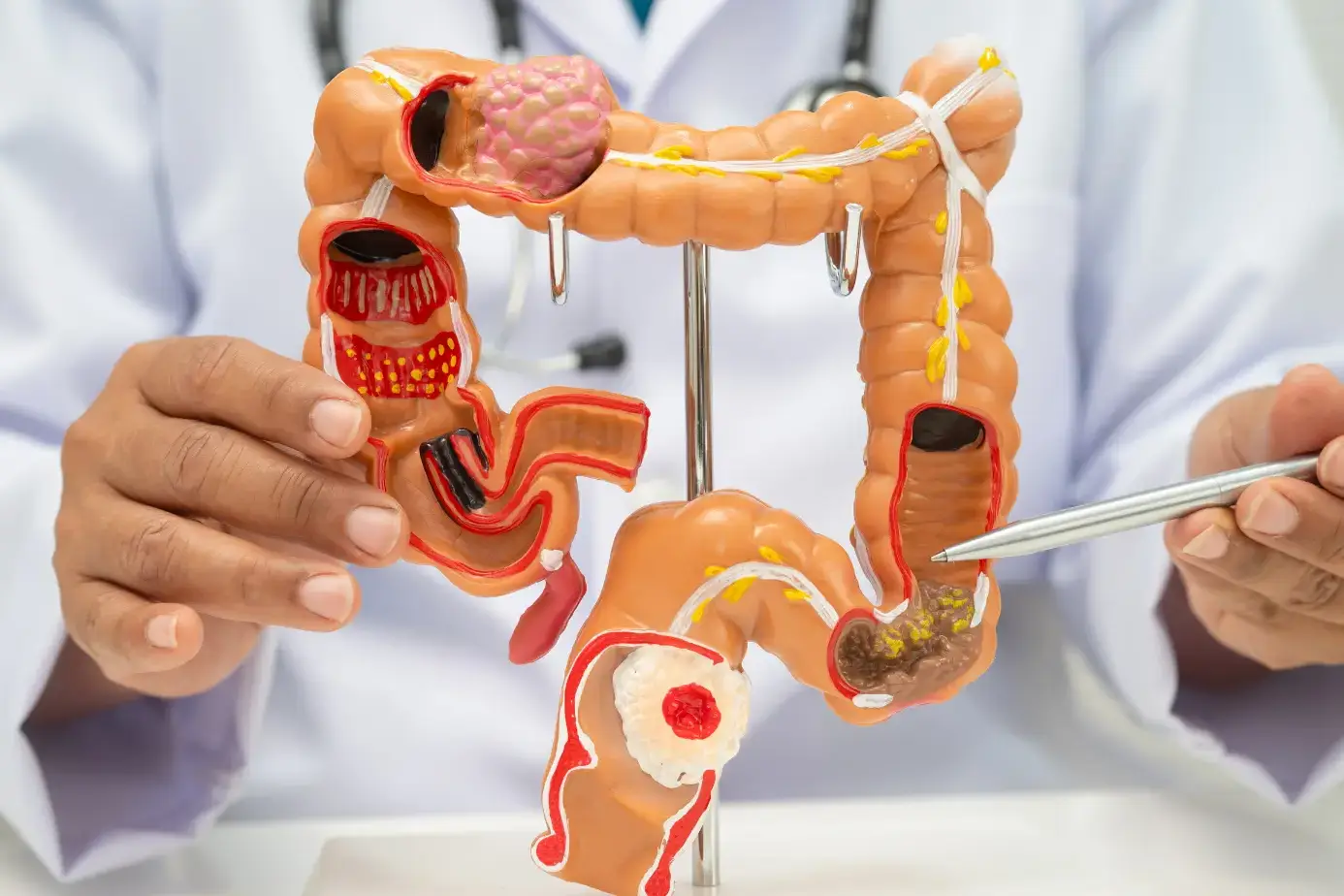
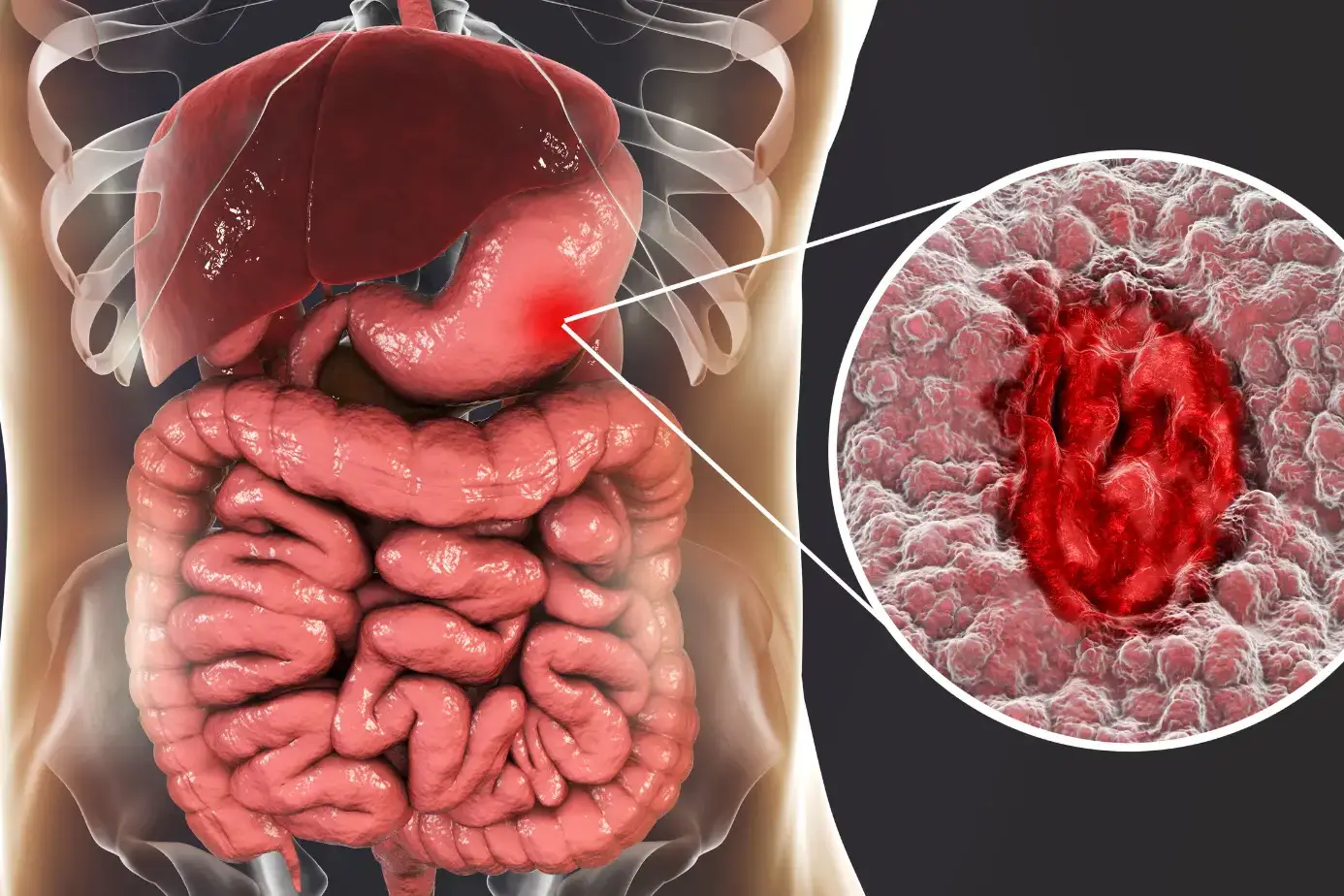
Your gut health and hormones relationship starts in the digestive system, which runs from your mouth to your intestines. It’s home to trillions of microbes that handle nutrient breakdown, absorption, and waste removal.
This living ecosystem affects the body far beyond digestion. Hormonal imbalance and gut health problems, such as irregular periods and sluggish thyroid activity, can be brought on by poor gut health. Balanced digestion helps regulate hormone signals, support microbiome diversity, and keep the endocrine system balance strong.
The gut connection works like this: healthy bacteria process nutrients, feed your cells, and help hormones travel to the right places at the right time. Damage to your gut lining or microbiome can disrupt this, leading to problems with mood, fertility, metabolism, and even blood sugar control.
The Connection Between Your Gut Health and Hormones

Your gut and hormones are part of a bigger system called the endocrine system balance. Hormones are chemical messengers that control your mood, metabolism, stress levels, and more. The gut helps regulate these messengers through digestion, nutrient absorption, and waste removal.
If your gut is inflamed, sluggish, or lacking microbiome diversity, it can disturb your hormone signals, leading to hormonal imbalance and gut health problems such as fatigue, weight changes, and mood swings.
Constipation and Hormone Imbalance
When you’re constipated, waste and hormones like estrogen can stay in your body longer than they should. This slows fiber and estrogen clearance, making estrogen levels higher than normal. That extra estrogen can trigger PMS symptoms, bloating, and heavy periods.
A diet for gut health and hormone balance rich in fiber, water, and fresh produce helps keep bowel movements regular, reducing estrogen buildup and easing symptoms.
Gut Inflammation and Hormone Imbalance
Chronic inflammation and hormones are closely linked. If your gut lining is irritated from poor diet, stress, or infections, it can send stress signals to your body. Your adrenal glands produce more cortisol, a stress hormone, as a result.
Poor cortisol regulation over time can cause weight gain, low immunity, poor sleep, and mood swings. Keeping your gut calm with anti-inflammatory foods, like leafy greens, omega-3-rich fish, and probiotics, helps maintain both gut and hormone balance.
Nutrient Deficiencies and Hormone Imbalance
Your body needs nutrients like zinc, magnesium, and vitamin B6 to make hormones. If your gut can’t absorb these nutrients properly, your hormone production can drop.
For example, low magnesium may lower progesterone levels, affecting menstrual cycles and mood. Eating a wide range of colorful fruits, vegetables, lean proteins, and healthy fats can help restore the gut connect between nutrient absorption and hormone production.
The Estrobolome
The estrobolome is a group of gut bacteria that helps with estrogen metabolism. If this group is unbalanced, it can cause estrogen levels to swing too high or too low. This may lead to irregular periods, breast tenderness, or even higher risks for certain health conditions.
Supporting your estrobolome means eating enough fiber, fermented foods, and probiotics for hormone balance to keep estrogen processing smooth.
Gut Health and Thyroid Hormones
The rate at which your body uses energy is regulated by your thyroid. There are two primary ways that poor gut health might impair thyroid function:
- Reducing nutrient absorption for thyroid hormone production.
- Triggering autoimmune reactions that attack the thyroid.
This gut-thyroid link is part of the gut-liver axis, where poor digestion can make the liver less effective in converting thyroid hormones into their active form. If you have fatigue, dry skin, hair loss, or brain fog, your gut health and hormone balance might need attention.
Gut Health and Blood Sugar Hormones
The gut affects insulin, the hormone that helps your body use sugar from food. An unhealthy gut can make your body less sensitive to insulin, leading to high blood sugar and a higher risk of diabetes.
Balancing gut health with whole foods, plenty of fiber, and less processed sugar can improve insulin function and keep your blood sugar steady.
Gut Health and Adrenal Hormones
Your adrenal glands produce cortisol and adrenaline to help you handle stress. When your gut is unhealthy, it can send constant stress signals to the brain. This maintains elevated cortisol levels, which can disrupt immunity, digestion, and sleep.
Good diet for gut health and hormone balance, regular movement, and stress management can calm the gut and support healthy adrenal function.
The Power of Your Gut Health
A healthy gut can improve mood, skin, sleep, and energy while balancing hormones naturally. When digestion runs smoothly, your gut connect sends strong, clear signals to your hormones, helping them work efficiently.
Eating a diet for gut health and hormone balance, reducing stress, and including probiotic-rich foods can restore harmony. Over time, even minor everyday adjustments can have a significant impact on your hormone health.
The Gluten-Thyroid Connection: What Women With Hashimoto’s Need to Know
Hashimoto’s is an autoimmune thyroid condition. For many women, gluten triggers more immune attacks on the thyroid. Removing gluten can sometimes improve symptoms and thyroid hormone levels.
Is a Gluten-Free Diet Healthy? What We Tell Our Clients
Yes if done right. Nutrient-dense foods like quinoa, sweet potatoes, and greens can be substituted for gluten in a gluten-free diet. This supports endocrine system balance while avoiding processed gluten-free junk foods.
How to Fix SIBO Without Antibiotics?
SIBO, or Small Intestinal Bacterial Overgrowth, disrupts digestion, causing bloating and nutrient loss. Targeted diet changes, herbal antimicrobials, and probiotics for hormone balance can restore gut health and hormone balance naturally without antibiotics.
Bloated? It Might Be SIBO
If you often feel bloated after meals, especially in the upper belly, SIBO could be the reason. Testing and targeted treatment can help.
Should I See a RD, CNS, or Nutritionist?
A Registered Dietitian (RD) or Certified Nutrition Specialist (CNS) can assess both gut and hormone function. They can make a diet for gut health and hormone balance tailored to your needs.
Can Low Iron Cause Weight Gain?
Yes. Low iron slows the thyroid and metabolism, leading to fatigue and fat storage. Fixing iron levels supports healthy hormones and strengthens the gut connection between digestion and metabolism.
The Best Foods for Shrinking Fibroids
Fibroids are linked to high estrogen. Foods high in fiber, cruciferous vegetables, and omega-3 fats help reduce estrogen and support healthy hormone detox pathways.
The Bottom Line
The gut hormone connection is real and powerful. Your gut shapes how your body makes, processes, and clears hormones. Problems like constipation, inflammation, nutrient loss, and poor microbiome health can disturb your hormone balance.
Start small: eat real food, get enough fiber, include probiotics, and manage stress. Healthy gut and hormone health is possible when you care for both sides of the equation.
Frequently Asked Questions
Can gut health affect hormones?
Yes. Healthy digestion supports nutrient absorption, detox pathways, and microbial balance, all of which control hormone production and breakdown in the body.
How to heal your gut and balance your hormones?
Eat whole foods, manage stress, get enough fiber, add probiotics, and remove triggers like excess sugar or alcohol to repair the gut hormone connection.
What are the signs of hormone imbalance?
Fatigue, mood swings, weight changes, bloating, irregular cycles, and poor sleep often point to disrupted gut health and hormone balance.
How to test your hormones and gut health?
Use stool analysis, hormone blood panels, and microbiome testing to detect nutrient gaps, bacteria imbalance, and hormone irregularities.
How are gut health and hormones connected?
The gut manages nutrient absorption, detox, and microbial balance, key factors for hormone production, clearance, and signal transmission.
What hormones are affected by gut health?
Estrogen, progesterone, cortisol, insulin, and thyroid hormones all depend on good gut and hormone health to function well.
Is there a link between gut health, sleep, and hormones?
Yes. Poor digestion can raise cortisol, disrupt melatonin, and create hormonal imbalance and gut health problems that disturb sleep.
How does gut health influence thyroid function?
Through nutrient absorption, immune regulation, and the gut-liver axis, the gut helps activate thyroid hormones and supports balanced metabolism.
About The Author

Medically reviewed by Dr. Nivedita Pandey, MD, DM (Gastroenterology)
Dr. Nivedita Pandey is a U.S.-trained gastroenterologist and hepatologist with extensive experience in diagnosing and treating liver diseases and gastrointestinal disorders. She specializes in liver enzyme abnormalities, fatty liver disease, hepatitis, cirrhosis, and digestive health.
All content is reviewed for medical accuracy and aligned with current clinical guidelines.