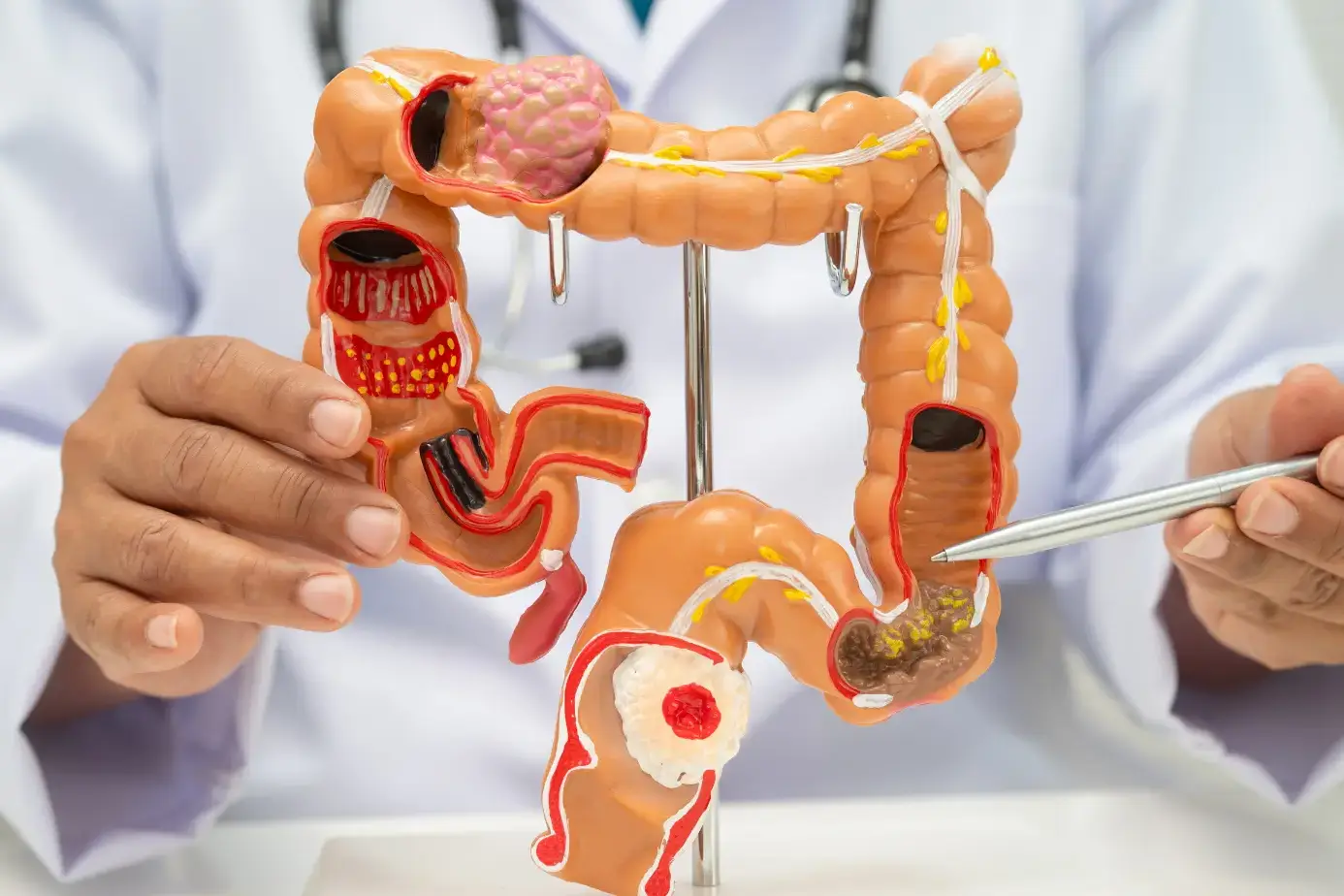
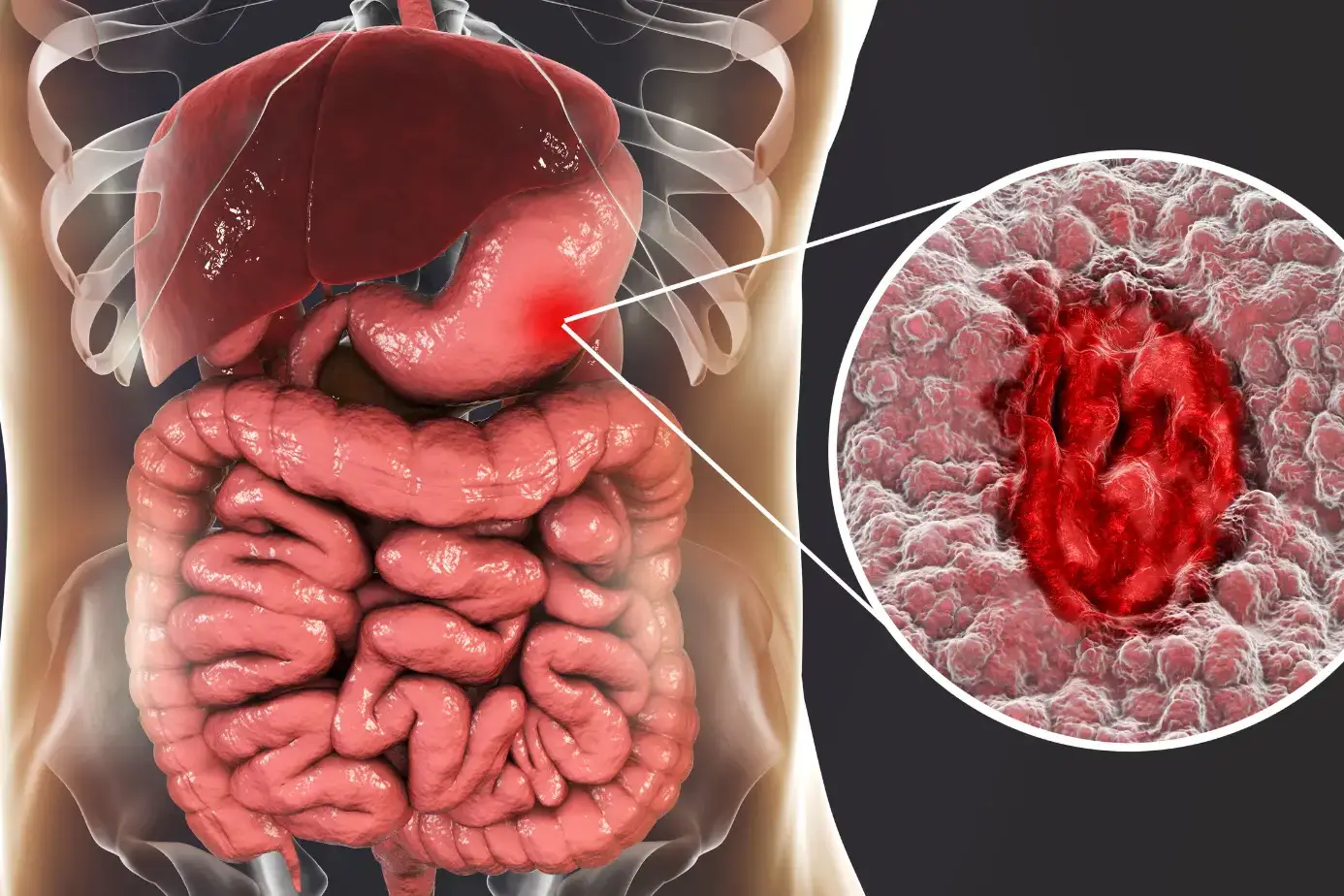
Yoga for digestion is a science-backed way to help your gut process food better, reduce bloating, and relieve discomfort. Certain postures stimulate your digestive organs, encourage better blood flow, and calm the nervous system so your stomach can do its job efficiently.
This guide breaks down exactly how yoga supports digestion and gives you 9 practical yoga moves for digestion that you can do at home, no fancy equipment needed.
3 Yoga Poses to Promote Digestion

Yoga for digestion works because specific postures gently compress, stretch, and twist the abdomen, which stimulates the digestive tract. Here are three simple yet effective yoga positions for digestion that you can use anytime:
- Knees to Chest (Apanasana): Pulling your knees to your chest massages your intestines and helps release trapped gas. This is regarded as one of the most effective yoga poses for aiding digestion following a substantial meal (once the process of digestion begin).
- Seated Twist (Ardha Matsyendrasana): This twisting motion squeezes and releases your abdominal organs, promoting circulation and improving nutrient absorption. Great for constipation relief.
- Cat-Cow (Marjaryasana-Bitilasana): The act of alternating between arching and rounding your back enhances spinal mobility and stimulates the digestive system.
These poses work best when paired with slow breathing, which activates the parasympathetic nervous system; the “rest and digest” mode your body needs for proper gut function.
What is Yoga?
Yoga is a mind-body practice that began in India over 5,000 years ago. This practice integrates physical postures, breathing techniques, and meditation. While many use it for flexibility or relaxation, it’s also effective for yoga for digestive health. Gentle abdominal stretches and twists stimulate the digestive tract, while breathing techniques lower stress, which is a common trigger for gut issues.
How Yoga May Help Digestion
General gut health
When you do yoga for gut health, your body relaxes, and stress hormones drop. This helps your stomach produce digestive juices at the right time. Gentle stretching also stimulates the intestines, which can keep your bowel movements regular.
Irritable bowel syndrome
Many individuals suffering from IBS observe that their symptoms tend to exacerbate under stress. Given that yoga alleviates tension, it can assist in soothing the digestive tract. Some yoga positions for digestion are also known to reduce cramps and bloating.
Inflammatory bowel diseases
While yoga is not a cure for Crohn’s or ulcerative colitis, it may help with symptom management. Relaxation techniques and abdominal yoga exercises can make flare-ups less frequent by lowering stress levels and improving circulation to the gut.
9 Yoga Poses for Digestion

Here’s the full list of digestion yoga poses to try. Practice them gently, listen to your body, and breathe deeply.
1. Seated Side Bend (Parsva Sukhasana)
Sit cross-legged. Position your right hand on the ground and elevate your left arm above your head. Lean to the right while keeping both hips grounded. This lateral stretch may facilitate the massage of the intestines and enhance digestion.
2. Seated Twist (Ardha Matsyendrasana)
Sit with legs extended. Bend your right knee and place your foot outside your left thigh. Twist your torso toward your right knee. This yoga pose for digestion squeezes the stomach gently, helping move food along.
3. Supine Spinal Twist (Supta Matsyendrasana)
Lie on your back. Bring your knees to your chest, then let them drop to one side while keeping shoulders flat. Twists like this are part of yoga for digestive health because they improve blood flow to the stomach and intestines.
4. Knees to Chest (Apanasana)
Lie on your back. Draw both knees towards your chest and hold this position. Rock gently side to side. This is one of the best yoga for digestion moves if you feel gassy or bloated.
5. Cat-Cow (Marjaryasana-Bitilasana)
Start on all fours. Alternate between arching your back (Cat) and dropping your belly (Cow). This rhythmic movement stimulates your digestive tract and can help improve digestion with yoga.
6. Cobra Pose (Bhujangasana)
Lie on your stomach. Rest your hands beneath your shoulders and gently elevate your chest. This backbend strengthens abdominal muscles and is part of yoga for gastric problems routines.
7. Bow Pose (Dhanurasana)
From your stomach, bend your knees and grab your ankles. Lift your chest and thighs at the same time. This intense stretch helps with yoga for healthy metabolism by stimulating digestive organs.
8. Belly Twist (Jathara Parivartanasana)
Lie on your back. Bend your knees and lower them to one side, arms outstretched. This yoga positions for digestion move can help release trapped gas and ease yoga for stomach discomfort.
9. Corpse Pose (Shavasana)
Recline flat on your back with your arms comfortably positioned at your sides. Breathe slowly. This pose calms your nervous system, which supports yoga and digestive health benefits.
Precautions
While yoga for digestive health is safe for most people, keep these in mind:
- Wait at least 2–3 hours after eating before starting yoga asanas for digestion after eating.
- Skip deep twists if you’ve had recent abdominal surgery or have hernias.
- Avoid intense yoga positions for digestion during pregnancy; choose gentler seated or lying postures.
- If you have chronic digestive issues, consult your doctor before starting a new routine.
- Start slow and avoid holding abdominal yoga exercises too long if you’re a beginner.
The Bottom Line
If you’ve ever wondered, is yoga good for digestion, the answer is yes, when done mindfully. The best yoga poses for digestion can reduce bloating, stimulate the intestines, and support a calmer mind. They’re not a magic cure, but they can be a natural way to keep your gut happier.
You don’t need to be flexible or experienced. Just start with a few minutes a day, and soon your body will respond.
Frequently Asked Questions
Which yoga is best for digestion?
The best yoga poses for digestion include gentle twists, forward bends, and Knees to Chest. These stimulate the digestive organs and improve circulation, supporting better nutrient absorption and bowel movement regularity.
Does yoga after eating help digestion?
It’s best to wait 2–3 hours before doing yoga poses for better digestion. Practicing too soon may slow digestion instead of helping it, especially after a heavy or high-fat meal.
Which yoga is best after dinner?
Gentle stretching like Seated Twist or Cat-Cow can work as yoga asanas for digestion after eating, but only if at least 2 hours have passed since your meal.
Can yoga really improve digestion?
Yes. You can improve digestion with yoga through stress reduction, abdominal massage, and enhanced circulation to digestive organs, all of which encourage 0efficient stomach and intestinal function.
How long should I practice yoga for better digestion?
Just 10–15 minutes of targeted yoga moves for digestion daily can help relieve bloating, stimulate bowel movements, and improve your overall gut comfort and function.
Can yoga help with bloating and gas?
Yes. Poses like Knees to Chest and Belly Twist are excellent yoga for bloating relief because they help expel trapped gas and encourage healthy intestinal movement.
Is it safe to do yoga right after eating?
No. Wait before starting yoga to relieve indigestion, as moving too soon can interfere with your stomach’s natural breakdown of food and cause discomfort.
Can yoga help with constipation?
Yes. Twists, forward folds, and certain backbends are among the best yoga poses for constipation, encouraging peristalsis; the wave-like movement that pushes waste through your intestines.
Do I need to be flexible to try yoga for digestion?
No. Yoga for digestive health focuses on gentle, accessible postures and breathing. Flexibility improves over time, but it’s not required for digestive benefits.
Can stress affect digestion, and does yoga help?
Yes. Stress slows digestion. Yoga encourages relaxation, helping the gut enter “rest and digest” mode, a core benefit of yoga for gut health.
How often should I do yoga to see digestive benefits?
Aim for daily practice or at least 3–4 times per week. Regular yoga positions for digestion sessions give your body consistent stimulation for gut function.
Can yoga replace medical treatment for digestive problems?
No. Yoga and digestive health benefits are supportive, not a replacement for medical care. Use it alongside your doctor’s advice for the best results.
About The Author

Medically reviewed by Dr. Nivedita Pandey, MD, DM (Gastroenterology)
Dr. Nivedita Pandey is a U.S.-trained gastroenterologist and hepatologist with extensive experience in diagnosing and treating liver diseases and gastrointestinal disorders. She specializes in liver enzyme abnormalities, fatty liver disease, hepatitis, cirrhosis, and digestive health.
All content is reviewed for medical accuracy and aligned with current clinical guidelines.