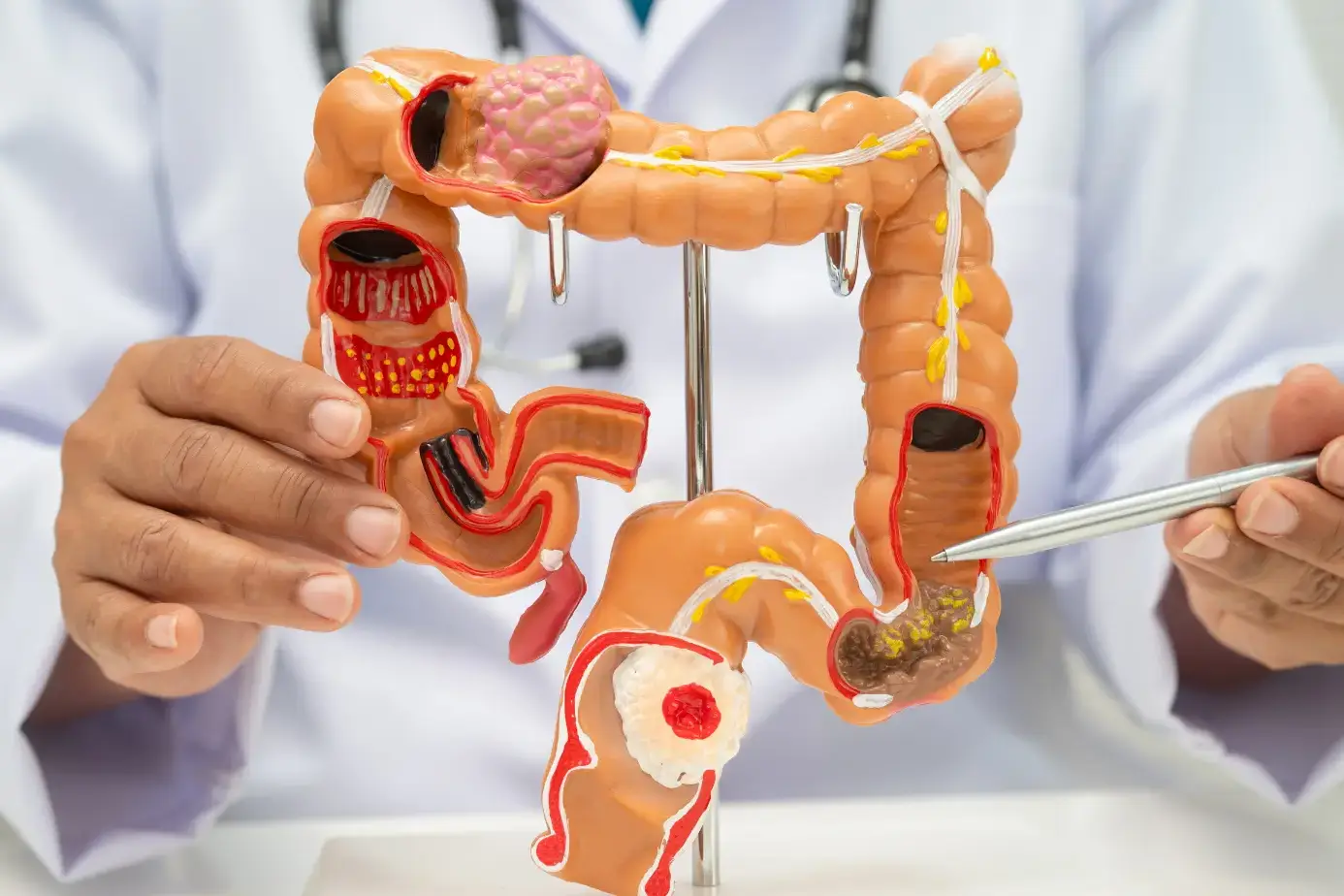
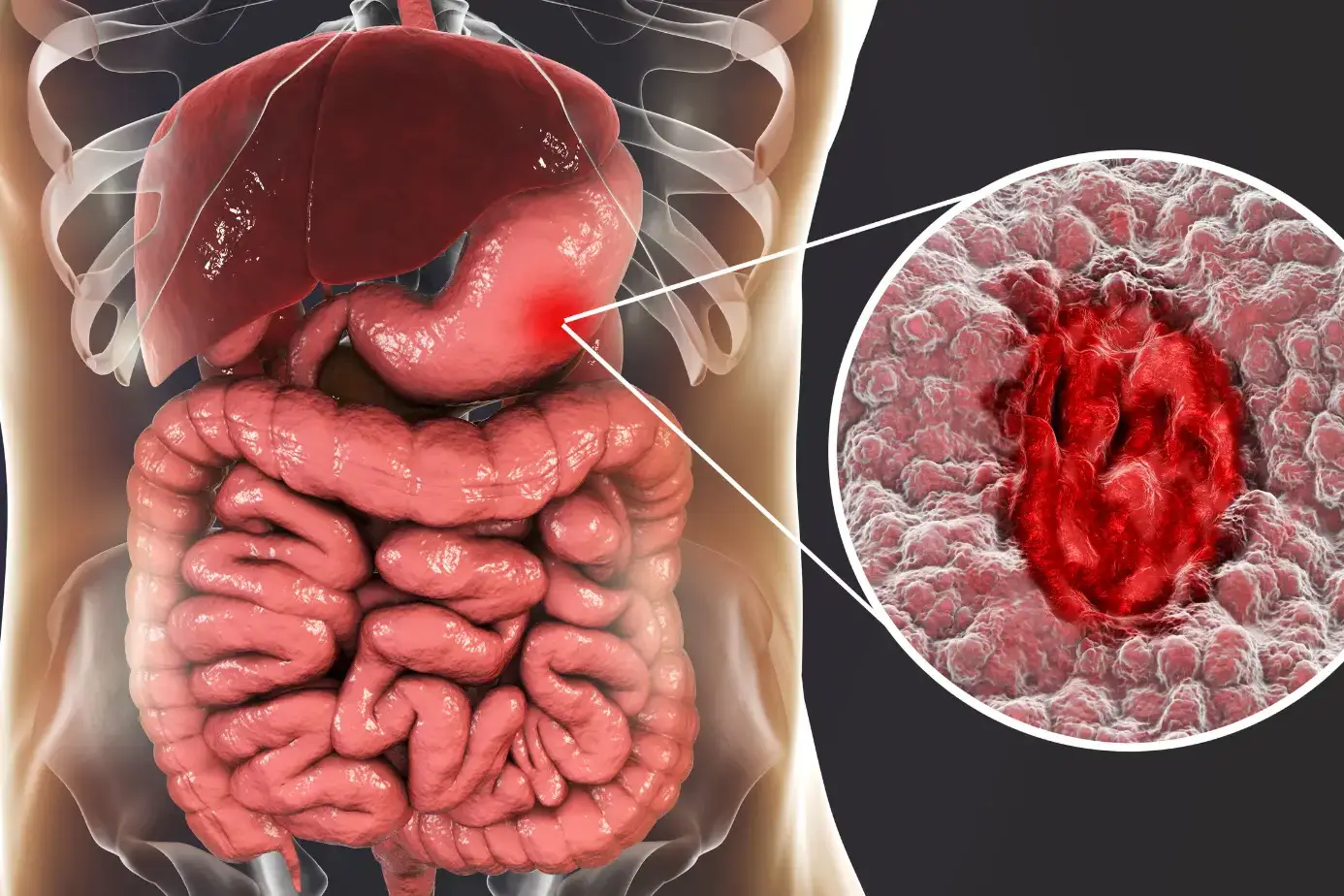
A gut health test looks at the microbes in your poop and reports what it means for your body. It checks which bacteria, fungi, and viruses live in your gut. It also shows how they balance each other. Learn what is going on inside, then fix habits that are not helping. You get a snapshot of your microbes, signs of stress in the gut, and clues that guide food and supplement choices. This is not a diagnosis. It is a data point you can use with your doctor when needed.
What Is A Gut Health Test?
A gut health test studies the mix of microbes in your stool. Labs read DNA from the sample. They use that DNA to list which microbes are present. They also estimate how many types there are. Many reports add simple scores so you can see if your gut looks balanced or not. Some reports add diet ideas based on the microbes that show up.
How Gut Microbiome Testing Works
You collect a small stool sample at home. The kit gives you a clean tool and a tube with liquid. You swab a pea-sized bit of stool. You place the swab into the tube. Then you seal and mail it to the lab.
The lab extracts DNA and runs it through machines that read sequences. Most kits use 16S rRNA gene reads. Some kits use whole metagenomic reads. Results go to a secure portal with charts and advice. A gut health test can be repeated after changes to see trends over time.
What A Stool Microbiome Test Detects
A stool microbiome test lists common groups like Firmicutes and Bacteroidetes. It may flag low diversity, which means fewer types of microbes. It can show low counts of butyrate makers.
Butyrate is a short-chain fatty acid that feeds colon cells. It can also note higher counts of gas makers that link with bloating. Some reports screen for pathogens that need care. If a harmful germ appears, you should talk to a clinician.
Why Understanding Your Gut Bacteria Matters
Microbes help you break down fiber, starch, and some proteins. They make short-chain fatty acids that help the gut lining. They train the immune system to react in a calm way. They also interact with hormones that affect appetite and energy.
When the mix shifts in a bad way, you may feel gassy, loose, or backed up. You may notice swings in energy or skin changes. A gut health test shows where the mix looks off so you can act with a clear plan.
How The Gut Microbiome Affects Health
Connection Between Gut Bacteria And Digestion
Microbes digest fiber you cannot break down on your own. That process makes butyrate, acetate, and propionate. These help stool form, help the colon barrier, and may steady bowel rhythm. If fiber-loving microbes run low, stools can turn hard or loose. Gas makers can rise and bring cramps. A gut health test can reveal these patterns before you change your diet.
How Gut Health Impacts Immunity And Metabolism
Most immune cells sit near your gut wall. Microbes send signals that set how those cells behave. A calm mix supports a balanced response to germs. A messy mix may push low-grade swelling. That can show up as aches, brain fog, or fatigue.
Microbes also affect how your body handles sugar and fats. A balanced mix links with better insulin response and steady energy across the day.
Gut Imbalance And Its Role In Bloating, IBS, And Fatigue
Bloating often follows meals rich in certain fermentable carbs. Onions, garlic, beans, and some fruits can trigger gas in sensitive people. If your gut holds more sulfur gas makers, egg or high sulfur foods can worsen odor and cramps.
IBS symptoms can shift with stress, sleep loss, and quick diet changes. A gut health test helps match what you feel with what the report shows, so you can test changes that fit your case.
Types Of Gut Health Tests

You have more than one way to look at your gut. The main gut health testing types are below. Pick based on your symptoms, budget, and how fast you need results.
Stool Microbiome Test
A stool microbiome test reads the microbial mix in your stool. Most kits give a diversity score and a list of common species. They may show which microbes use fiber and which microbes make gas. The report often includes ideas for fiber and foods that may help those microbes grow. This option is helpful for habit change and tracking.
At-Home Gut Health Test Kit
An at-home gut health test kit ships to your door. You collect the sample in your bathroom with a swab or spoon. You mail it back in a prepaid pack. You get a web report in one to three weeks.
Benefits include privacy, no clinic visit, and simple repeat testing. Drawbacks include less medical review. If you have red flags like blood in stool, weight loss, fever, or severe pain, you need clinic care first.
DNA Sequencing And Metagenomics Testing
Two main methods exist. The first is 16S rRNA profiling. It shows who is there at the genus level and sometimes the species level. It is cheaper and faster. The second is shotgun metagenomics. It reads all the DNA in the sample. It can find species and sometimes strain-level detail. It can also map gene functions, like butyrate pathways.
The second method costs more but can offer deeper insight. A gut health test that uses metagenomics may suggest more specific diet steps.
Clinical Stool Analysis (Lab-Based)
Clinical labs can run culture and antigen tests for germs that cause disease. They can check fecal calprotectin, which rises with gut inflammation. They can look for blood, fat, and parasites.
These tests help when symptoms hint at disease. Your doctor decides which tests you need. You can still use a home gut health test after medical issues are managed to guide long-term habits.
Food Sensitivity And Gut Inflammation Tests
Breath tests can check lactose or fructose malabsorption. Blood and stool can screen for celiac disease. Some panels sell IgG food tests. Those can mislead and often reflect exposure, not harm. If you try food changes, use a short, careful plan. Reintroduce foods one at a time. Keep a log. Use results from your gut health test to pick where to start.
What A Gut Health Test Measures
A good report focuses on a few items you can use. Read the definitions in your portal. Match them with the notes below.
Bacterial Diversity And Balance
Diversity shows how many different microbes live in your gut. Higher diversity often links with better gut stability. Lower diversity can link with stress, a narrow diet, or recent antibiotics. Balance shows if any group grows too much.
For example, if protein fermenters dominate, you may see more smelly gas. A gut health test highlights these points so you can add the right fibers and foods.
Signs Of Gut Dysbiosis Or Infection
Dysbiosis means the mix looks off. You may see many gas makers, low butyrate makers, or low bifidobacteria. The report may also flag possible pathogens. If the report shows a known harmful germ with symptoms like fever or blood in stool, seek care. Use the gut health test as a guide, not a final answer.
Digestive Enzyme Activity And Inflammation Markers
Some clinical tests measure fat in stool to check pancreatic enzyme issues. Others measure fecal calprotectin, which can rise with colitis. Home kits sometimes estimate these risks through microbial patterns.
Treat those signals as clues, not proof. If a marker looks high and you feel unwell, share the report with your clinician.
Pathogens, Yeast, And Candida Presence
Stool tests can detect common pathogens with DNA or antigen methods. Yeast can show up when you have used antibiotics or eat a high sugar diet. The presence of Candida in stool is not always disease. Symptoms and clinical context matter. A gut health test can show levels and trends so you can adjust food and discuss next steps if needed.
How To Take A Gut Health Test
A clean sample and steady habits make results more useful. Set up your plan before you open the kit.
At-Home Sample Collection Process
- Read the guide first.
- Wash your hands and dry them.
- Use the collector pad or paper to keep stool away from water.
- Use the swab or spoon to collect a small sample.
- Place the sample into the tube with liquid.
- Close the tube tight and mix as directed.
- Label the tube with your code and date.
- Pack it in the mailer and seal it.
A gut health test result depends on good handling. Keep the sample at the temperature the kit requests. Some tubes are stable at room temp. Others need a cold pack. Follow the label closely.
Lab Submission And Analysis Timeline
Ship the sample the same day when possible. Many labs scan the barcode when the box arrives. DNA work begins soon after. Results reach your portal in one to three weeks for most kits. If you plan changes, wait for the report before you adjust. Then repeat the gut health test after eight to twelve weeks to check progress.
How To Prepare Before Taking The Test
Keep your usual diet for five to seven days. That gives a clear baseline. Avoid new probiotics unless your doctor asks you to keep them. Do not start a cleanse or a fast the day before. Keep sleep and stress habits as normal as you can. Drink water as usual. You want the gut health test to reflect your real life, not a one-day blip.
What Do Gut Health Test Results Mean?
You will see scores, lists, and color bars. Do not chase perfect scores. Use the report to pick a short list of changes that make sense for you.
Understanding Bacterial Ratios And Diversity Score
Start with diversity. If it is low, add a wider range of plant foods. Fruits, veggies, beans, and whole grains each feed different microbes. Aim for many types each week. Check the major ratios next.
Some reports show Firmicutes to Bacteroidetes. Large swings can reflect diet patterns. Focus on trends over time rather than one number. A gut health test repeated after changes shows if your plan is working.
Interpreting Signs Of Inflammation Or Dysbiosis
If your report flags possible inflammation and you have cramps, fever, or blood, get medical care. If you have gas and mild cramps without red flags, start with food steps. Add soluble fiber sources like oats, ground flax, and chia. If you are sensitive to FODMAPs, test small amounts and adjust.
Keep a daily log of meals, stools, and symptoms. The next gut health test can confirm shifts in butyrate makers and gas makers.
What Results May Indicate About Digestion Or Immunity
Low bifidobacteria can link with poor lactose tolerance. Low butyrate makers can link with loose stools or urgency. High-protein fermenters can link with odor and gas. If your immunity markers look off, work on steady sleep, stress tools, and whole foods.
Small daily tasks matter. A gut health test can only show clues. Your habits make the real change.
When To Discuss Results With A Healthcare Provider
Urgent signs need a clinician. These signs include blood in stool, fever, weight loss, black stool, or severe pain. Long-standing diarrhea or constipation also deserves a visit. Bring your report with you. The clinician may order clinical stool tests or blood work. Use both medical data and your gut health test to shape a plan that fits your case.
Gut Health Test For Digestion And Bloating
Many people reach for a gut health test for digestion when they have gas, cramps, or irregular stool patterns that do not make sense. Bloating can happen when certain microbes in your gut make gas from fiber or sugars in food.
When some groups of microbes grow too much and others shrink, the gut can react in a strong way. The test helps you learn which groups are involved so your food changes are based on data, not guesswork.
Identifying Root Causes Of Poor Digestion
Microbes play a large role in how food breaks down. When the balance of microbes shifts, fiber and carbs can ferment in a way that makes gas. If your diversity score in your gut health test is low, you may be eating a narrow range of food.
If butyrate makers look low, your gut lining may need more support. If gas makers appear high, you may benefit from slow increases in soluble fiber. This is where gentle changes in food can help fix the reason behind the symptoms, not just cover them.
How Testing Helps Manage IBS And Food Sensitivities
IBS symptoms change day to day. Some foods cause trouble while others do not. A gut health test for digestion can show microbe patterns linked to gas, stool looseness, or constipation. For example:
- Low bifidobacteria levels might relate to poor tolerance of lactose.
- High sulfur gas makers might link with odor and pain after eggs or garlic.
- A lack of fiber-loving microbes may mean your gut reacts when you try beans.
You can use this info to try small, clear changes. Instead of cutting many foods at once, you can test one group at a time and note how you feel.
Role Of Probiotics And Diet Adjustments After Testing
After your gut health test, use the results to guide slow adjustments:
- Increase plant variety to feed good microbes.
- Add gentle soluble fibers such as oats, ground flax, or chia.
- Choose one probiotic strain at a time and monitor for two to four weeks.
- Track stools, energy, and bloating daily.
This makes your progress steady, not chaotic. Retesting later shows if the microbe mix responds the way you want.
Accuracy And Limitations Of Gut Health Tests
How Reliable Are Stool-Based Microbiome Tests?
A stool microbiome test provides a useful snapshot, but it is not perfect. Microbes shift with meals, sleep, stress, and medications. One test shows how things look at that time. The best value comes from comparing a baseline test to a follow-up test after thoughtful diet changes. That way, you see trends, not just one picture.
Why Results May Vary Between Labs
Different labs use different DNA tools and reference lists. Some labs focus on genus-level data. Some go to the species level. Some estimate microbial functions. Because of this, if you plan to track changes over months, choose one lab and stay with it. This makes your gut health test comparisons fair and clear.
What Tests Cannot Currently Detect?
These tests cannot read every microbe yet. They cannot confirm disease or replace medical exams. They also cannot prove a direct cause for symptoms like mood shifts or skin conditions. Treat them as strong guidance data rather than a final answer.
Cost And Availability
Average Price Range For Gut Microbiome Tests
Most home kits fall in a moderate price range. Metagenomic tests tend to cost more than 16S tests because they map more details. Many brands offer discounts for repeat tests. If you plan to track your gut, consider this when choosing.
Insurance Coverage And Online Options
Most insurance plans do not cover home kits yet. Clinical stool tests may be covered when ordered by a doctor. Many companies offer direct online purchase. You can compare example reports and support options before you buy an at-home gut health test kit.
How To Choose A Reputable Testing Provider
Look for clear science explanations, not hype. Check if the company lists how the test works and how data is protected. Look for reports that explain results in plain language with steps you can try. Good providers also show how to contact support if you need clarity.
Improving Gut Health After Testing
Personalized Nutrition And Supplement Plans
Food has the strongest effect on your microbes. Increase plant foods a little at a time. The goal is many different sources, not large amounts of one item. Keep meats and processed snacks lower. Drink water throughout the day. If your gut health test shows low butyrate makers, add resistant starch foods like cooled potatoes or green bananas.
Adding Prebiotics And Probiotics
Prebiotics feed helpful microbes. These include inulin, FOS, and resistant starch. You can get these from oats, beans, lentils, onions, garlic, and asparagus. Start slow to avoid gas. Probiotics add new microbes. Try one strain or one blend at a time. Track your response.
Foods That Support Microbiome Balance
Foods to support balance include:
- Berries
- Leafy greens
- Beans and lentils
- Whole grains such as oats and barley
- Nuts and seeds
- Fermented foods like yogurt or kefir
Monitoring Improvements With Retesting
Your microbe mix takes time to change. Many people retest eight to twelve weeks after their first gut health test. This shows how food and supplements are working. If the diversity score goes up and symptoms ease, you are moving in the right direction.
FAQs
What’s The Best Gut Health Test For Digestion?
The best option depends on your symptoms. A gut health test for digestion helps when bloating and gas are your main issues. If your symptoms are severe or include bleeding, a doctor should evaluate first.
How Often Should I Test My Gut Microbiome?
Most people test once, make changes for eight to twelve weeks, and then repeat. This shows progress clearly. Frequent testing is not needed unless guided by a clinician.
Can An At-Home Gut Health Test Replace A Doctor Visit?
No. An at-home gut health test kit does not diagnose disease. If you have concerning symptoms, a doctor is necessary. These tests are best used alongside medical care.
Are Stool Microbiome Tests Accurate?
A stool microbiome test is accurate for showing which microbes are present in the sample. Microbes shift with meals and stress, so trends over time are more important than one result.
What Foods Improve Gut Bacteria Balance?
Plant-based foods with fiber support helpful microbes. Examples are oats, beans, greens, nuts, seeds, berries, and fermented foods. Drinking enough water also helps maintain bowel rhythm.
How Long Does It Take To See Gut Health Improvements?
Some people feel less bloated in a few weeks. Microbial balance changes take time. Retesting after two to three months shows clearer progress based on your gut health test scores.
About The Author

Medically reviewed by Dr. Nivedita Pandey, MD, DM (Gastroenterology)
Dr. Nivedita Pandey is a U.S.-trained gastroenterologist and hepatologist with extensive experience in diagnosing and treating liver diseases and gastrointestinal disorders. She specializes in liver enzyme abnormalities, fatty liver disease, hepatitis, cirrhosis, and digestive health.
All content is reviewed for medical accuracy and aligned with current clinical guidelines.