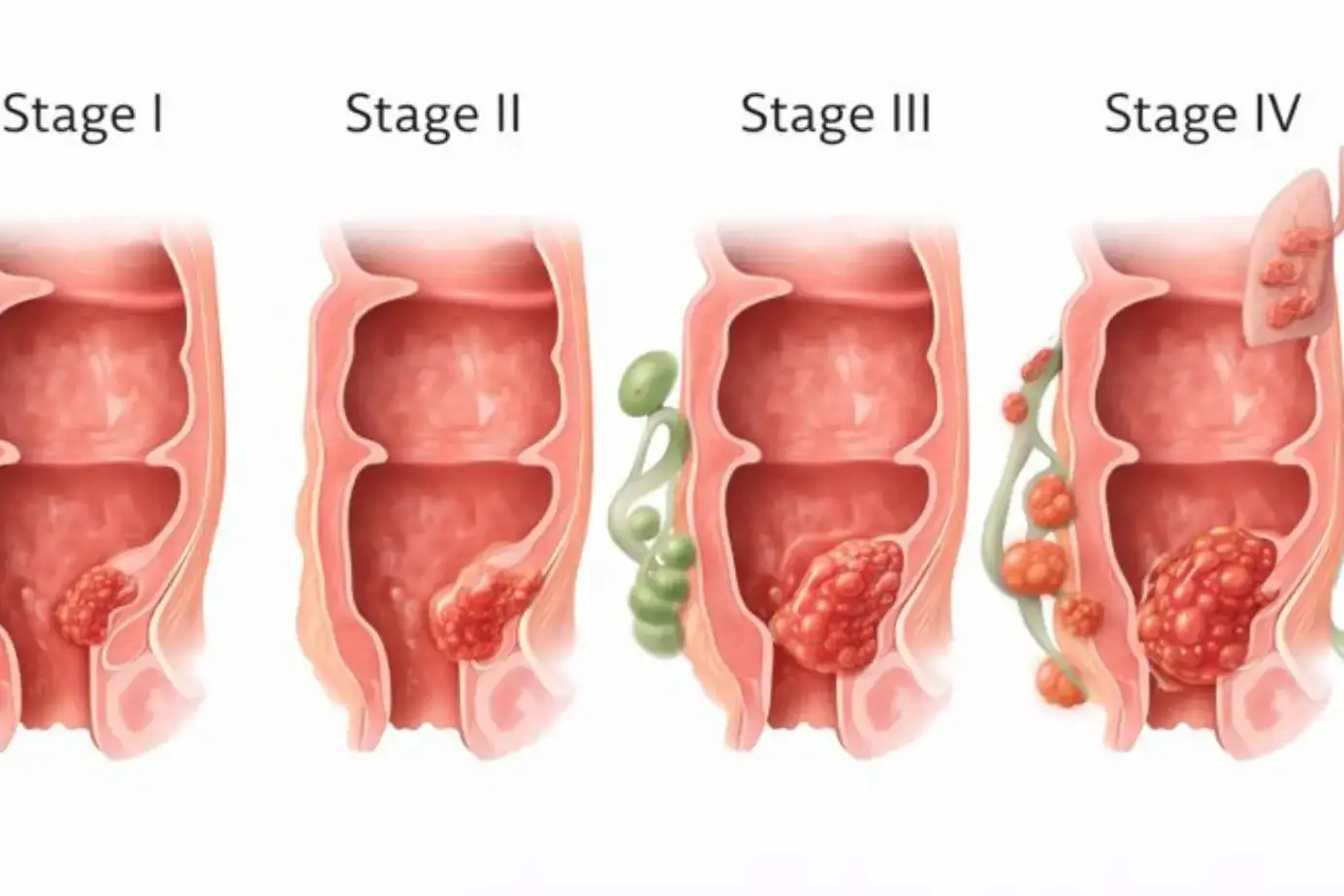
A diet before a colonoscopy plays a major role in how effectively the colonoscopy works. A colonoscopy is a medical procedure where a doctor uses a thin tube with a camera to look inside your large intestine. It helps find polyps, bleeding, early cancer signs, inflammation, and other bowel problems. For the camera to see clearly, your colon must be clean. Food, fiber, and thick stool can block the view and make small issues easy to miss.
That is why doctors require a specific diet before a colonoscopy . The goal is to reduce residue, lighten stool, and make the bowel prep solution work better. When your diet is correct, the liquid that leaves your body becomes pale yellow or clear, which means your colon is ready for the test. A clean bowel helps your doctor detect problems earlier and lowers the chance of repeating the procedure.
What Is The Colonoscopy Prep Diet?
The colonoscopy prep diet is a short-term eating plan that starts a few days before your colonoscopy test. You move from normal food to low-fiber food, then to clear liquids, then to fasting as your doctor advises. The goal is a clean colon, not weight loss. A colonoscopy is a test where a thin tube with a camera looks at your large intestine (colon). The colon needs to be almost empty so the camera can see the inside wall.
Why Diet Matters For A Successful Colonoscopy
If your diet before a colonoscopy is wrong, stool and food bits stay in the bowel. This can hide small growths. Studies show poor bowel prep lowers the chance of finding polyps and sometimes forces doctors to stop the test or repeat it on another day.
Good prep lowers risks in another way. When the camera moves through a clean bowel, the doctor needs less time to finish. That means less sedative and less strain on your body.
How Diet Affects Bowel Visibility
Fiber is plant material that your body cannot fully break down. On normal days, fiber is healthy. Before a colonoscopy, too much fiber is a problem. It makes stool thick and bulky. Pieces can stick to the colon wall and block the view.
During a good diet before a colonoscopy , you switch to low-residue foods. “Residue” means what is left in your bowel after digestion. Low-residue meals leave very little behind. When you then drink the bowel prep solution, it can wash the bowel until the liquid coming out is pale yellow or clear.
How Long To Follow A Prep Diet
There is no single plan for every person. Guidance from groups like the American Cancer Society says many people benefit from 3 to 5 days of low fiber food before moving to liquids.
Your own doctor might:
- Start your colonoscopy prep diet about 3 days before the test if you have normal bowel habits.
- Start even earlier if you are often constipated or have diabetes or have kidney disease.
Always treat the written sheet from your clinic as your main rule, because medical advice changes as new studies appear.
Foods Allowed Before Colonoscopy
There are many foods allowed before a colonoscopy . You are not meant to starve for days. You just need meals that digest fast and leave little waste. Most large centers now accept a “low residue” or “low fiber” plan instead of only clear liquids in the early stage, and research suggests that this is just as effective and often easier to tolerate for patients.
A good diet before a colonoscopy in the first couple of days often includes soft white grains, lean protein, and limited dairy, as long as dairy does not upset your stomach.
Low-Fiber Foods (White Bread, White Rice, Refined Grains)
Plain white bread, rolls, tortillas without seeds, white rice, regular pasta, and low fiber crackers all work well in a diet before a colonoscopy . These foods do not have bran or seeds, so they create less stool.
You can also eat:
- Peeled white potatoes that are boiled or mashed.
- Simple breakfast cereals made from refined grains, as long as they do not list “whole grain” or “bran” on the box.
These foods allowed before a colonoscopy keep your energy up without filling your bowel with fiber.
Lean Proteins (Chicken, Turkey, Eggs, Fish)
Lean protein keeps your muscles strong during your colonoscopy prep diet . Good choices are skinless chicken, turkey, fish, tofu, and eggs. These foods break down well and do not add residue.
An easy day might look like this:
- Morning: eggs with white toast.
- Midday: turkey on white bread.
- Evening: baked fish with white rice.
All of these fit well into a diet before a colonoscopy and still taste like normal meals.
Dairy Choices Allowed Before Colonoscopy
Some people can handle small servings of dairy in their diet before a colonoscopy . Mayo Clinic lists milk, cheese, and yogurt as possible options on a low-fiber plan, as long as you are not lactose intolerant and your doctor has not banned them.
If dairy upsets your stomach, use lactose-free milk or a simple plant drink without added fiber. Keep portions modest, and do not mix dairy with high-fiber cereal or raw fruit. These foods allowed before a colonoscopy should feel light, not heavy.
Clear Soups And Low-Residue Options
Thin broths are helpful as you move closer to the clear liquid diet for the colonoscopy stage. Clear chicken, beef, or vegetable broth adds salt and fluid and counts as part of the foods allowed before a colonoscopy when you are not yet fully fasting.
Later, when your doctor tells you to take only clear liquids, broth and strained soup become a main source of comfort, along with water, tea, and clear juices. That phase is stricter and belongs more to the second half of your prep.
Breakfast, Lunch & Dinner Examples
Here is how a simple diet before colonoscopy might look 2 to 3 days before your test, if your doctor agrees with a low-residue plan:
- Breakfast: scrambled eggs, white toast with a little butter, and a small cup of yogurt.
- Lunch: a white bread sandwich with chicken or turkey and a small serving of peeled boiled potato.
- Dinner: baked fish or tofu, white rice, clear broth.
These plates stay inside the rules for foods allowed before colonoscopy and still feel like real food, not just drinks. They also prepare your body for the move to a stricter colonoscopy bowel prep diet as the test gets closer.
What Not To Eat Before Colonoscopy
What you choose not to eat before a colonoscopy matters as much as what you do eat. Certain foods cling to the bowel wall or change the color of the liquid in the colon. That makes it harder for the doctor to see trouble spots.
During your diet before a colonoscopy , think of every food in two ways: Will it leave bits behind, and will it change the color of what comes out? If the answer is yes, skip it.
High-Fiber Foods To Avoid
Whole-grain bread, brown rice, bran cereal, beans, peas, lentils, and most raw vegetables are on the list of what is not to eat before a colonoscopy . These foods are very rich in fiber, which means they make a thick stool that does not wash away easily.
You should also avoid fruits with skins or many seeds, such as grapes, raspberries, and apples with skin. On normal days, they support bowel health, but they do not fit a short-term diet before a colonoscopy .
Seeds, Nuts, Popcorn & “Hidden Fiber” Items
Seeds and nuts seem small but can get stuck in the folds of the bowel. Popcorn hulls do the same. Many snack bars hide a mix of oats, seeds, and extra fiber. All of these belong on your personal list of things that are not to be eaten before a colonoscopy .
Read labels with care. If a food advertises “high fiber,” “whole grain blend,” or “added seeds”, it is not right for your diet before a colonoscopy .
Raw Fruits & Vegetables
Raw salads, coleslaw, and crunchy vegetable sticks sound light, but they carry a lot of fiber and a rough texture. They can cloud the bowel contents and slow the prep drink. Because of this, raw produce should not to eaten before a colonoscopy in the last few days before the test.
If your doctor allows fruit at all in your colonoscopy prep diet , it is usually small portions of canned fruit without skin or clear juice without pulp. Even then, follow the quantity they suggest.
Red & Purple Foods That Stain The Bowel
Red and purple drinks or gel snacks can stain the bowel lining and look like blood during the test. MedlinePlus and Mayo Clinic both warn against these colors in pre-colonoscopy diets.
So during your diet before the colonoscopy, avoid red gelatin, grape juice, dark sports drinks, and any candy or ice pop that melts into a red or purple liquid. Choose clear, yellow, or light green instead.
Heavy, Greasy, Or Slow-Digesting Foods
Large burgers, fried chicken, thick pizza, and creamy fast food sit in your stomach and move slowly through the gut. They can increase nausea when you take the prep solution and can interfere with your colonoscopy bowel prep diet overall.
For the last few days, it is safer to keep your diet before a colonoscopy simple. Eat smaller meals, avoid deep-fried or very fatty dishes, and stop eating solid food at the time your doctor sets. This keeps your stomach calmer and your colon easier to clean in the next steps.
Clear Liquid Diet For Colonoscopy
A clear liquid diet for colonoscopy begins when your doctor tells you to stop eating solid food. These liquids must be see-through and leave no residue. This step helps the bowel prep solution work faster and helps your doctor get a clean view.
When To Switch To A Clear Liquid Diet
Most people switch to a clear liquid diet for a colonoscopy the morning before their test. Some start earlier if they have slow digestion or constipation. You follow the time written on your instruction sheet because different clinics use different timelines. This stage removes the last bits of food from your system so the solution can flush everything out.
Approved Clear Liquids (Broth, Tea, Electrolyte Drinks)
Approved drinks include water, broth, apple juice, white grape juice, tea, and black coffee. Electrolyte drinks and clear sports drinks help replace the salt and sugar you lose. These liquids are gentle on your stomach and help your diet before a colonoscopy stay on track by keeping you hydrated without slowing digestion.
Drinks To Avoid (Colored Liquids, Carbonation, Alcohol)
Red and purple drinks stain the bowel lining, so they do not belong in a colonoscopy prep diet . Milk, smoothies, juices with pulp, and alcohol also do not fit a clear liquid diet for colonoscopy . Drinks with bubbles may cause bloating, which can make prep harder.
Hydration Tips For Optimal Cleansing
Take small, steady sips every 15 to 20 minutes to stay hydrated. Cold liquids often feel easier to drink when you start the prep solution. Some people switch between salty broth and sweet drinks to avoid nausea. Hydration supports your colonoscopy bowel prep diet and lowers the chance of dizziness.
Sample 1-Day Clear Liquid Diet Plan
- Morning: tea, apple juice, water.
- Midday: broth, clear sports drink, water.
- Evening: more broth, gelatin that isn’t red or purple, and water as needed.
This simple plan helps your diet before a colonoscopy stay effective before you take your prep solution.
Colonoscopy Bowel Prep Diet
A colonoscopy bowel prep diet mixes food rules with the laxative solution that clears your colon. This step is important because diet alone cannot clean the bowel fully.
Combining Diet + Laxatives For Bowel Cleansing
Low-fiber foods reduce residue. The prep drink then washes out the bowel. Doctors usually choose a formula based on age and health. You should not change brands or doses without asking first. The diet before a colonoscopy helps the laxative work predictably.
Timeline: 72 Hours → 48 Hours → 24 Hours → Procedure Day
At 72 hours, you begin low-fiber meals. At 48 hours, you follow a stricter colonoscopy prep diet . At 24 hours, you move to clear liquids only. On procedure day, you may finish your second prep dose if your doctor uses a split-dose method. This schedule supports a cleaner colon.
Best Drinking Schedule During Bowel Prep
Many patients take one cup of prep solution every few minutes until they finish the dose. Moving around between cups helps reduce cramping. Drinking clear liquids between prep doses prevents dehydration and keeps your colonoscopy bowel prep diet safe.
How Bowel Prep Affects Digestion & Expected Symptoms
You will have watery stool, frequent bathroom trips, belly pressure, or mild cramping. This is normal. Your diet before a colonoscopy helps reduce discomfort, but the laxative still creates strong bowel movements. The stool should turn pale yellow or clear near the end.
What To Do If Bowel Prep Isn’t Working
If nothing comes out two hours after starting your prep, or stool stays dark, call your doctor. Do not add extra laxatives on your own. Sometimes drinking more clear liquids or adjusting the prep timing solves the issue.
Diet On The Day Before Your Colonoscopy
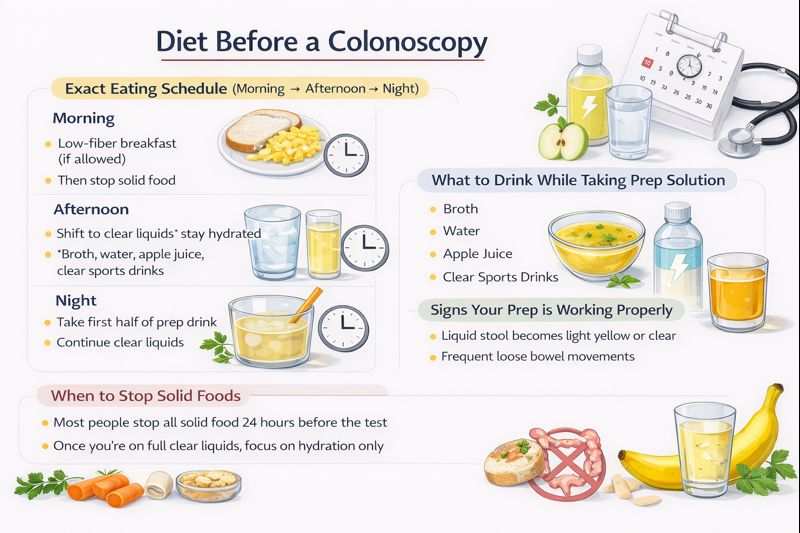
This is the strictest day of your diet before a colonoscopy , and timing matters a lot.
Exact Eating Schedule (Morning → Afternoon → Night)
Some doctors allow a low-fiber breakfast early in the day. After that, you shift to a clear liquid diet for a colonoscopy . Late afternoon or evening, you take the first half of your prep drink. You then continue drinking clear liquids to stay hydrated.
What To Drink While Taking Prep Solution
Broth, water, apple juice, and clear sports drinks are the safest choices. They fit into foods allowed before a colonoscopy during this stage. They also help your stomach handle the taste of the prep solution.
Signs Your Prep Is Working Properly
When the liquid coming out becomes light yellow or clear, your colonoscopy prep diet and solution are doing their job. If the stool stays thick, more time or more clear liquids may help.
When To Stop Solid Foods
Most people stop all solid food 24 hours before the test. Some stop earlier. Once you reach full clear liquids, the diet before colonoscopy focuses on hydration only.
Diet On The Morning Of Your Colonoscopy
This final stage helps ensure safe sedation and a clean colon.
Fasting Guidelines
You stop all liquids at the exact time your doctor lists. This keeps your stomach empty so sedation is safer. Following this rule is important even if you feel thirsty.
Medications You May Take With A Sip Of Water
Doctors often allow heart pills or seizure pills the morning of the test. Blood thinners or diabetes medicines may require special timing. Only take what your doctor approves.
What To Do If You Feel Weak Or Dehydrated
Mild weakness is common after a colonoscopy bowel prep diet . Stand slowly and ask someone to help you get to your appointment. Clinics can give fluids if needed.
When To Stop All Liquids
Once you reach the cutoff time, do not drink anything. Even water can delay your procedure.
Tips For An Easier Colonoscopy Prep
Flavoring Tricks For Prep Solutions
Chilling the bottle, using a straw, or rinsing your mouth with water between sips can help mask the taste. These tricks make your diet before a colonoscopy less stressful.
Managing Nausea Or Bloating
Short breaks between cups can reduce nausea. Walking inside your home can ease bloating. Avoid lying flat after drinking.
How To Avoid Dehydration
Sip clear liquids often and use drinks with electrolytes. This keeps the colonoscopy prep diet safer, especially for older adults.
How To Prevent Electrolyte Imbalance
Balancing sweet drinks with broth helps keep sodium and sugar stable. People with kidney or heart disease often need custom prep instructions.
FAQ
Can I Drink Coffee The Day Before My Colonoscopy?
Yes, you can drink black coffee during your clear liquid diet for a colonoscopy , but you must skip cream or milk because they count as solid food.
Can I Eat Eggs Before Colonoscopy?
Eggs are fine during the early diet before colonoscopy days because they are low-residue, but you must stop once you switch to clear liquids.
What Foods Clean Your Colon Naturally?
High-fiber foods like fruits and whole grains support long-term bowel health, but they should not to eaten before a colonoscopy because they leave residue.
Can I Drink Protein Shakes Before A Colonoscopy?
Most shakes do not fit a colonoscopy prep diet because they contain milk, fiber, or seeds. Only use a clear protein drink if your doctor approves it.
Can I Eat The Day Before My Colonoscopy?
Some people can eat a low fiber breakfast, but after that, you only follow a clear liquid diet for colonoscopy so the bowel prep works well.
Can I Drink Milk Or Dairy?
Milk and dairy do not belong in a clear liquid diet for colonoscopy and can slow digestion, so stop them when your doctor tells you to.
What Color Drinks Are Not Allowed?
Red and purple drinks are not to be eaten before a colonoscopy because they stain the bowel and look like blood during the test.
Can I Have Bone Broth?
Yes. Bone broth fits into the clear stage of your diet before a colonoscopy as long as there are no solid pieces left in it.
How Do I Know If My Bowel Prep Is Working?
Your prep is working when your stool turns pale yellow or clear. This shows the colonoscopy bowel prep diet has helped clean your colon properly.
About The Author

Medically reviewed by Dr. Nivedita Pandey, MD, DM (Gastroenterology)
Dr. Nivedita Pandey is a U.S.-trained gastroenterologist and hepatologist with extensive experience in diagnosing and treating liver diseases and gastrointestinal disorders. She specializes in liver enzyme abnormalities, fatty liver disease, hepatitis, cirrhosis, and digestive health.
All content is reviewed for medical accuracy and aligned with current clinical guidelines.