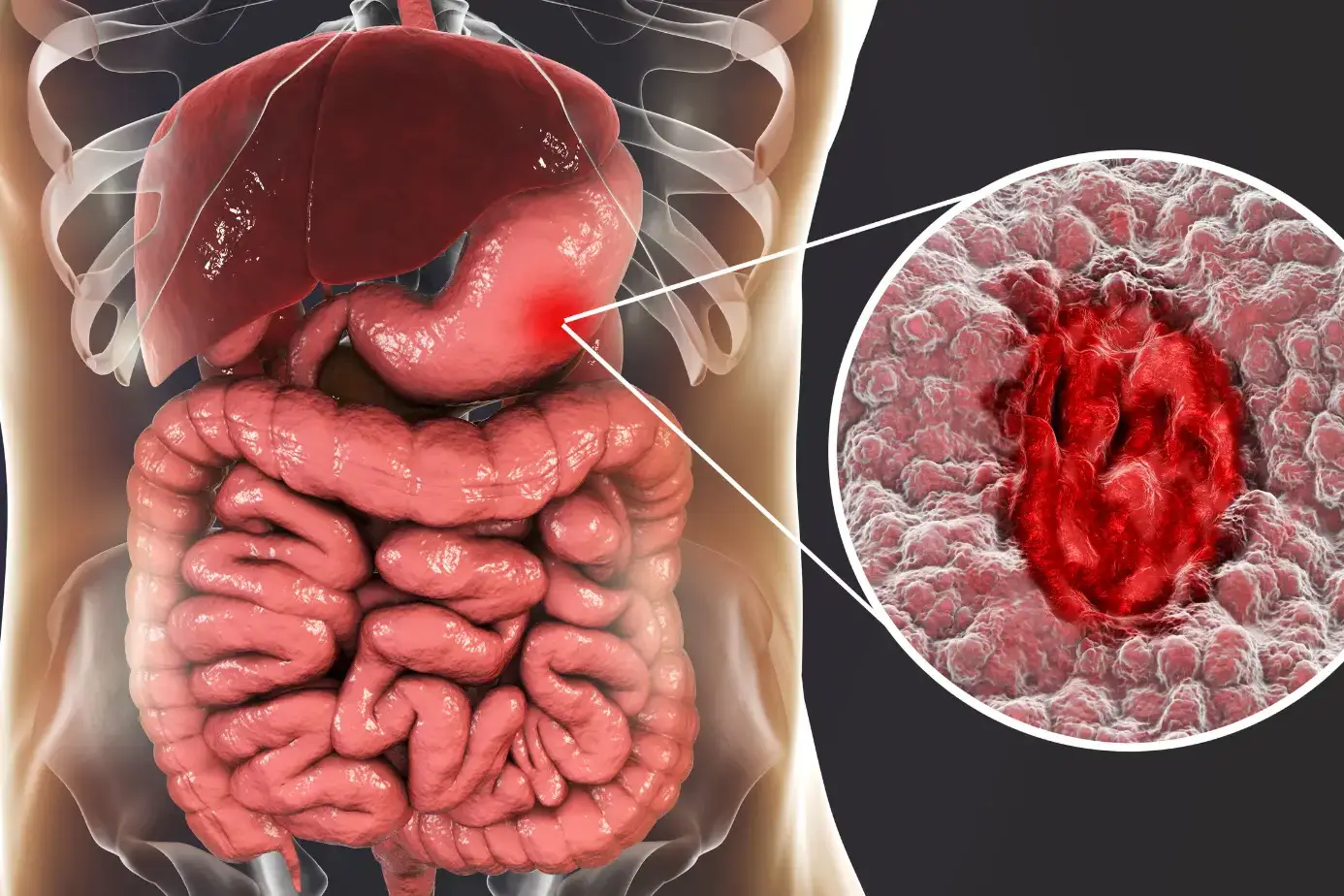
Colon cancer symptoms become easier to notice only when the tumor grows. Colon cancer starts in the large intestine, and many early cases begin as polyps, which are small growths on the colon lining. In the U.S., screening starts at age 45 for average-risk adults, even when you feel fine.
This section covers what colon cancer is, how colon cancer symptoms begin, and which changes need attention now. It also explains the main risks, including family history and inherited syndromes. Colonoscopy for colorectal cancer screening remains important because polyps can exist without symptoms.
What Is Colon Cancer?
Colon cancer is cancer that starts in the colon, which is part of the large intestine. Colon and rectal cancers are grouped as colorectal cancer because both affect the lower digestive tract. Many cases start when a polyp changes over time and becomes cancer.
Colorectal Cancer Explained
Colorectal cancer includes cancer of the colon and the rectum. The colon absorbs water from food waste, and the rectum stores stool before a bowel movement. Because these organs control stool flow, colon cancer symptoms often show up as bowel changes first.
How Abnormal Colon Cells Become Cancerous
Healthy cells grow in a controlled way. Cancer starts when DNA changes make cells divide too fast and avoid normal death. Polyps are one step in that process, and some polyps turn into cancer over years if they are not removed.
Difference Between Colon And Rectal Cancer
Colon cancer starts in the colon. Rectal cancer starts in the rectum. Doctors often plan treatment differently because the rectum sits in a tighter space and radiation is used more often there. Both fall under colorectal cancer.
Early Signs Of Colon Cancer
The early signs of colon cancer usually do not arrive all at once. A person may notice one small change, then another, then a pattern that keeps coming back. Colon cancer symptoms often look like constipation, diarrhea, gas, or tiredness, which is why people delay care.
Changes In Bowel Movement Patterns
A lasting change in bowel habits is one of the most useful warning signs. This includes constipation, diarrhea, both changing back and forth, or a bowel pattern that feels different for several weeks. A new bowel pattern after age 45 deserves a medical check.
Blood In Stool Or Rectal Bleeding
Blood in stool can be bright red, dark red, or very dark. Some bleeding is hidden and only shows up in stool tests. Any unexplained bleeding deserves attention because polyps and cancer can bleed slowly.
Persistent Abdominal Discomfort
Abdominal pain, cramps, bloating, and lower belly tenderness can happen when a growth irritates the bowel. These symptoms are not specific to cancer, but they become more concerning when they keep returning or appear with blood in stool or bowel habit changes.
Unexplained Fatigue And Weakness
Fatigue can come from slow blood loss that lowers iron and red blood cells. That creates anemia [low red blood cell count], which makes the body feel weak, tired, and short of breath. Fatigue plus bowel changes is a pattern that needs review.
Weight Loss Without Trying
Unplanned weight loss is a warning sign because cancer can affect appetite, digestion, and how the body uses energy. When weight loss happens with bowel changes, blood in stool, or fatigue, colon cancer symptoms become more concerning.
How Colon Cancer Symptoms Start
How colon cancer symptoms start depends on where the tumor forms and how much it blocks or irritates the bowel. In many people, the first signs are small and easy to ignore. A polyp can sit quietly for years before it causes obvious colon cancer symptoms.
Small Polyps Developing In The Colon
Polyps are extra growths on the colon lining. Most do not cause symptoms right away. That is why a person can feel normal and still have a polyp that later becomes cancer.
Gradual Bowel Habit Changes
As a growth gets larger, stool may pass less smoothly. The bowel can react with constipation, diarrhea, urgency, or a feeling that the bowel did not empty fully. These changes often build slowly, so people think it is just indigestion or stress.
Narrow Stools And Incomplete Bowel Movements
A tumor can narrow the inside space of the colon. That can lead to thin stools and a repeated feeling that stool is still left behind. This sign matters most when it is new and does not go away.
Slow Blood Loss Leading To Anemia
Some tumors bleed a little at a time. You may not see the blood, but the body loses iron over time. That slow loss can cause anemia, and anemia can be the first clue behind colon cancer symptoms in some people.
Common Digestive Symptoms Linked To Colon Cancer
In U.S. adults, digestive symptoms that last longer than a few days need more attention when they come with blood, fatigue, or weight loss. Colon cancer symptoms can overlap with common stomach problems, but a lasting pattern deserves a checkup. The warning signs are bowel changes, blood in stool, cramps, bloating, narrow stool, and unexplained weight loss.
- Constipation that starts suddenly and stays.
- Diarrhea that does not settle.
- Bloating, gas pain, or cramps that keep returning.
- A bowel movement that feels incomplete.
- Narrow stool that looks thinner than normal.
- Blood on toilet paper, in the toilet, or mixed with stool.
- Fatigue that does not match your sleep or activity level.
Genetics And Colorectal Cancer Causes
Genetics and colorectal cancer causes include inherited risk and shared family patterns. Most colorectal cancers happen by chance, but some run in families. Family history, Lynch syndrome, obesity, smoking, alcohol use, and inflammatory bowel disease all raise risk.
Family History And Inherited Syndromes
Risk rises when a parent, sibling, or child has had colorectal cancer. The risk is higher when the cancer happened young or when several relatives were affected. This does not mean cancer is certain, but it does mean screening starts earlier.
Lynch Syndrome And Genetic Risk
Lynch syndrome is the most common cause of hereditary colorectal cancer. It is an inherited disorder that raises the chance of colorectal cancer and other cancers, often before age 50. People with Lynch syndrome need a different screening plan from average-risk adults.
Lifestyle Factors Increasing Colon Cancer Risk
Lifestyle does not explain every case, but it matters. Obesity, smoking, heavy alcohol use, and low physical activity increase risk. These factors add up over time, especially when they combine with family history.
Smoking, Obesity, And Diet-Related Risks
Processed meat, frequent red meat intake, and low-fiber eating patterns are linked with higher colorectal cancer risk. Smoking also increases risk. Regular exercise and a fiber-rich diet support better colon health, though they do not replace screening.
Colonoscopy For Colorectal Cancer Screening
Colonoscopy for colorectal cancer screening finds polyps and early cancer before symptoms appear. A colonoscopy lets a doctor look directly inside the colon, remove suspicious growths, and take tissue samples when needed. For average-risk adults in the U.S., screening starts at age 45. People with family history or Lynch syndrome often need it earlier.
How Colonoscopy Detects Polyps Early
A colonoscopy uses a flexible tube with a camera to inspect the full colon. Small polyps usually cause no pain and no visible colon cancer symptoms. That is the main reason screening works so well, it catches silent disease before it spreads.
Importance Of Routine Colorectal Screening
Routine screening matters even when you feel fine. Screening lowers risk because doctors can remove polyps during the same procedure. This is one of the few cancer screenings that can prevent cancer, not just find it early.
Recommended Screening Age And Risk Factors
Average-risk adults should start at 45. Higher-risk people need earlier and sometimes more frequent screening. Risk factors include a strong family history, Lynch syndrome, prior polyps, inflammatory bowel disease, and some inherited cancer syndromes.
Removing Precancerous Polyps During Colonoscopy
A colonoscopy does not only diagnose disease, it can stop cancer from forming. Removing a precancerous polyp during the same visit lowers future cancer risk. That is why colon cancer symptoms do not have to appear before screening matters.
Other Tests Used To Diagnose Colon Cancer
Not every person starts with a colonoscopy. Doctors use stool tests, imaging, biopsy, and blood work to find the cause of colon cancer symptoms and confirm what is happening inside the bowel.
Stool-Based Screening Tests
Stool tests look for hidden blood or abnormal DNA in poop. Common tests include FIT, gFOBT, and stool DNA tests. They are useful for screening, but a positive result usually leads to colonoscopy.
CT Scans And Imaging Studies
CT colonography creates images of the colon and can find larger polyps or tumors. Doctors also use CT scans to check whether cancer has spread. Imaging does not replace biopsy, because a scan cannot confirm cancer by itself.
Biopsy And Laboratory Testing
A biopsy is the most direct way to confirm cancer. A doctor removes a small tissue sample and sends it to a lab. Pathology shows whether cells are cancerous and can reveal features that guide treatment.
Blood Tests And Anemia Evaluation
Blood tests help spot anemia [low red blood cell count] and iron deficiency. These findings matter because slow bleeding from colon cancer can drain iron over time. Fatigue, dizziness, and shortness of breath often show up here.
Treatment Options For Colon Cancer
Treatment options for colon cancer depend on stage, location, and overall health. Localized cancer usually needs surgery first. Advanced cancer may need chemotherapy, targeted therapy, immunotherapy, or radiation in selected cases.
Surgery For Localized Colon Cancer
Surgery is the main treatment for many early and localized cases. Doctors remove the tumor and nearby lymph nodes. This gives the best chance for cure when cancer has not spread far.
Chemotherapy And Targeted Therapies
Chemotherapy kills fast-growing cancer cells. Targeted therapy attacks specific proteins or pathways that help cancer grow. These drugs are not the same as standard chemo, and doctors choose them based on tumor features.
Radiation Therapy In Selected Cases
Radiation is used less often for colon cancer than rectal cancer. It can help in special situations, especially when tumors are hard to remove cleanly or when the disease sits near the rectum.
Immunotherapy For Advanced Colorectal Cancer
Immunotherapy helps the immune system attack cancer cells. It works best for some advanced tumors with certain DNA repair defects, such as mismatch repair deficiency or MSI-H disease. Not every patient qualifies, so testing matters.
Diet And Lifestyle Factors Affecting Colon Health
Daily habits do not explain every case, but they strongly affect risk. The best-supported links are smoking, obesity, low physical activity, alcohol use, and processed meat. Fiber-rich eating supports bowel health, but no diet replaces screening.
Fiber Intake And Bowel Health
Fiber helps stool move and supports regular bowel function. Fruits, vegetables, beans, and whole grains lower constipation risk and support a healthier colon environment. Fiber helps colon health, but it does not cancel out other risks.
Processed Meats And Colorectal Cancer Risk
Processed meats like bacon, sausage, and hot dogs are linked to higher colorectal cancer risk. Evidence is stronger for processed meat than for many other diet claims, which is why this advice appears in major health guidance.
Physical Activity And Digestive Wellness
Regular movement helps with weight control and bowel regularity. Lack of activity raises risk over time. You do not need intense exercise, but regular walking or other movement helps more than sitting all day.
Alcohol And Smoking Effects On Colon Tissue
Smoking clearly raises colorectal cancer risk. Alcohol also raises risk, especially with heavier use. These habits damage tissue over time and add to other risk factors, including family history and obesity.
Common Mistakes People Make With Colon Cancer Symptoms
When bowel changes, bleeding, or fatigue keep returning, you need evaluation.
- Thinking bright red blood always means hemorrhoids.
- Calling weeks of constipation “normal.”
- Ignoring blood plus fatigue, which can point to anemia.
- Assuming weight loss is from stress alone.
- Waiting for pain before seeking care, even though early disease can be painless.
- Skipping screening because you feel healthy.
- Missing the age 45 screening start point for average-risk adults.
FAQs
What Are The Earliest Warning Signs Of Colon Cancer?
The earliest colon cancer symptoms usually include blood in stool, a new bowel habit change, narrow stools, mild cramps, and unexplained fatigue. These signs often stay subtle for weeks.
How Do Colon Cancer Symptoms Usually Begin?
How colon cancer symptoms start is often slow and quiet. A polyp grows first, then the bowel changes, bleeding starts, or anemia appears. Many people feel normal at the beginning.
Why Does Colon Cancer Sometimes Cause Blood In Stool?
Cancer can break tiny blood vessels in the colon lining. That blood may appear bright red, dark red, or hidden. Slow bleeding is a common reason people first notice colon cancer symptoms.
What Bowel Habit Changes May Suggest Colorectal Cancer?
Constipation, diarrhea, alternating patterns, narrow stools, and incomplete bowel emptying can all point to colorectal cancer when they last more than a few weeks. New change matters more than a one-day stomach upset.
How Does Colonoscopy Help Prevent Colon Cancer?
Colonoscopy for colorectal cancer screening prevents disease by finding and removing polyps before they turn cancerous. It is the strongest prevention tool for average-risk adults and many higher-risk adults.
Which Genetic Factors Increase Colorectal Cancer Risk?
Genetics and colorectal cancer causes include Lynch syndrome, familial adenomatous polyposis, and a strong family history. These people often need screening earlier than age 45 and sometimes more often.
What Treatment Options Are Available For Colon Cancer?
Treatment options for colon cancer include surgery, chemotherapy, targeted therapy, radiation in selected cases, and immunotherapy for certain advanced tumors. Doctors choose based on stage and tumor biology.
How Is Colon Cancer Different From IBS Or Hemorrhoids?
IBS does not cause cancer or anemia. Hemorrhoids can cause bright red bleeding, but they do not usually cause weight loss, ongoing bowel changes, or deep fatigue. Persistent symptoms need a medical check.
Why Can Colon Cancer Cause Fatigue And Anemia?
Slow blood loss can lower iron over time. That leads to anemia, which reduces oxygen delivery and causes tiredness, dizziness, weakness, and shortness of breath. Fatigue with bowel changes should not be ignored.
When Should Colon Cancer Symptoms Become Medically Urgent?
Seek care fast for black stools, heavy rectal bleeding, severe belly pain, fainting, or rapid weight loss. Colon cancer symptoms that keep worsening or last for weeks need prompt evaluation.
About The Author

Medically reviewed by Dr. Nivedita Pandey, MD, DM (Gastroenterology)
Dr. Nivedita Pandey is a U.S.-trained gastroenterologist and hepatologist with extensive experience in diagnosing and treating liver diseases and gastrointestinal disorders. She specializes in liver enzyme abnormalities, fatty liver disease, hepatitis, cirrhosis, and digestive health.
All content is reviewed for medical accuracy and aligned with current clinical guidelines.