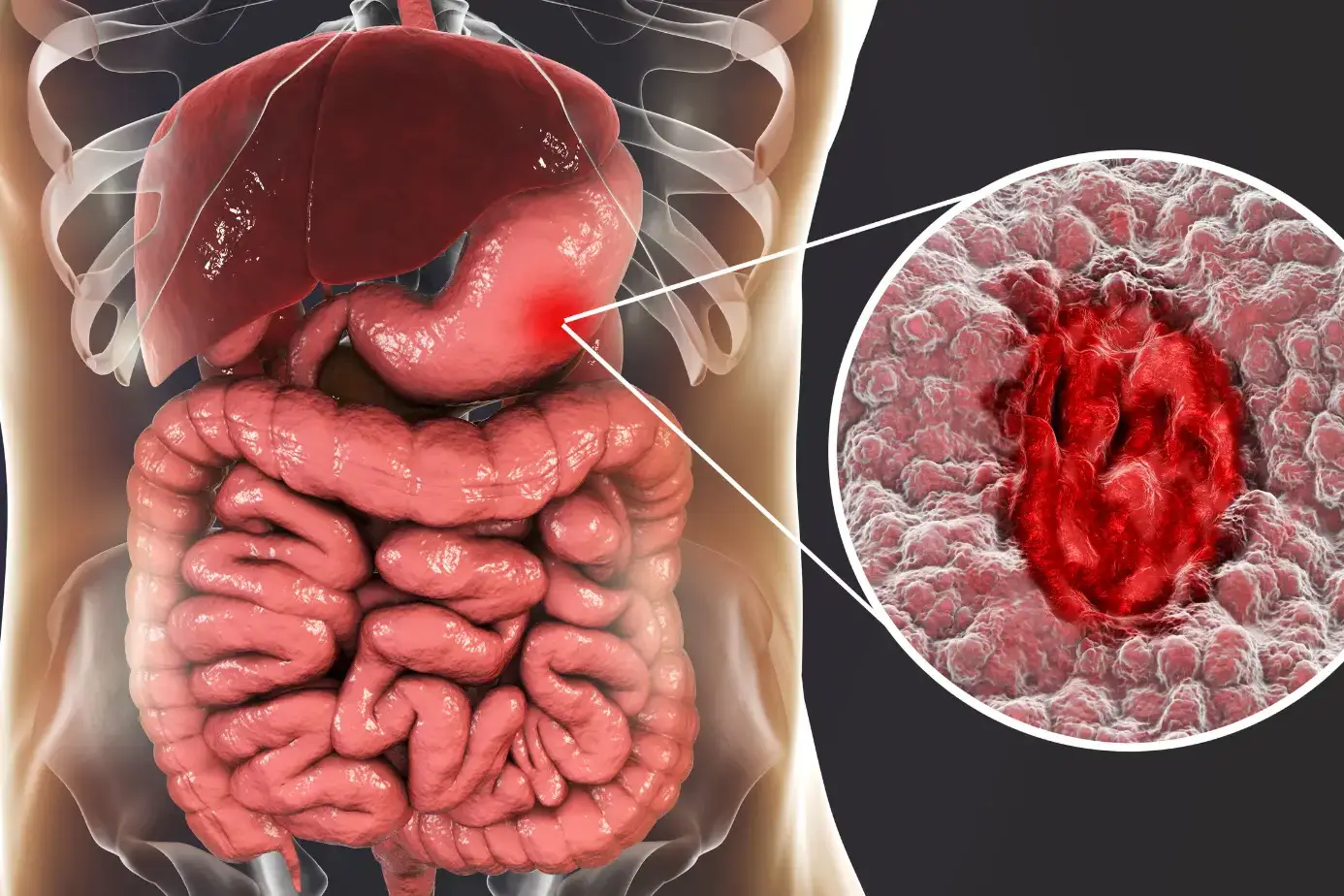
Gastritis treatment depends on the cause: acid suppression for irritation-based gastritis, antibiotics for H. pylori bacterial infection, and lifestyle changes for alcohol or NSAID-related damage. Gastritis (ICD-10: K29) is inflammation of the stomach lining that affects millions of U.S. adults annually.
The World Health Organization estimates that H. pylori, the most common bacterial cause, infects over 44 percent of the global population. Most acute gastritis cases heal within 2 to 10 days with correct treatment. Chronic gastritis, left untreated, increases the risk of peptic ulcers and stomach cancer over time.
Common Symptoms of Gastritis
Gastritis symptoms in U.S. adults range from mild stomach discomfort to severe pain requiring emergency care. Upper abdominal pain gastritis treatment is the most common symptom cluster because gnawing or burning pain directly below the breastbone is the hallmark sign.
Recognizing these symptoms early allows faster, targeted gastritis treatment before complications develop. Patients searching for upper abdominal pain gastritis treatment options typically present with pain that worsens between meals or at night, signaling active acid contact with inflamed tissue.
Common symptoms:
- Upper abdominal burning or gnawing pain , typically worse on an empty stomach or after eating
- Nausea with or without vomiting, most common in acute gastritis from alcohol or NSAID overuse
- Bloating and fullness after small meals, caused by inflammation slowing gastric emptying
- Loss of appetite from pain and nausea, which compounds nutritional deficits over time
- Indigestion (dyspepsia), a general term for upper GI discomfort after meals
- Vomiting blood or dark coffee-ground material; this signals active bleeding and requires emergency care
- Black or tarry stools (melena); black stool indicates blood has been digested, meaning stomach or upper GI bleeding is active
Causes of Gastritis
The best treatment options for gastritis depend on correctly identifying the cause. Treating acid without addressing H. pylori infection, for example, suppresses symptoms temporarily but allows bacterial damage to continue underneath.
Helicobacter Pylori Infection
- pylori (Helicobacter pylori) is a gram-negative bacterium that embeds in the gastric mucosa (stomach lining) and survives by neutralizing stomach acid around itself using the enzyme urease. It causes chronic low-grade inflammation of the stomach lining.
In the U.S., H. pylori infection is present in approximately 35 percent of adults, per the American College of Gastroenterology, with higher prevalence in lower-income and immigrant populations due to crowded living conditions and limited childhood sanitation.
Long-Term NSAID Medication Use
NSAIDs (ibuprofen, naproxen, aspirin, diclofenac) inhibit cyclooxygenase enzymes (COX-1 and COX-2). COX-1 produces prostaglandins that protect the stomach lining by stimulating mucus production and increasing blood flow to gastric tissue.
Blocking COX-1 removes this protection, exposing the stomach lining to acid erosion. Daily NSAID use increases gastritis and ulcer risk by 3 to 5 times, according to a 2017 systematic review in Alimentary Pharmacology and Therapeutics .
Alcohol and Smoking-Related Stomach Irritation
Ethanol in alcohol directly dissolves the mucous layer protecting the stomach wall. This allows acid contact with raw stomach tissue, causing acute erosive gastritis within hours of heavy drinking.
Smoking reduces prostaglandin production and decreases mucosal blood flow by constricting vessels. Both habits slow gastritis healing and increase the risk of recurrence even when gastritis treatment is in progress.
Stress and Inflammation Effects on Digestion
Stress-induced gastritis is physiologically real, particularly in critically ill patients. Stress ulcers occur in up to 75 percent of ICU patients requiring mechanical ventilation, per data from the New England Journal of Medicine . In non-hospitalized patients, psychological stress reduces stomach mucus production and increases acid secretion through cortisol-mediated mechanisms, worsening existing gastritis.
Best Treatment Options for Gastritis
The best treatment options for gastritis address both the cause and the acid-related damage. The American College of Gastroenterology and the European Helicobacter and Microbiota Study Group publish guidelines separating H. pylori-related from non-H. pylori gastritis treatment pathways. Getting the diagnosis right before starting medication is essential.
Acid-Reducing Medications and Stomach Healing
Proton pump inhibitors (PPIs) are the most effective acid suppressors for gastritis treatment. They block the proton pump in stomach parietal cells, reducing acid output by 90 to 95 percent. This allows the stomach lining to heal without continued acid erosion. Standard PPI treatment duration is 4 to 8 weeks for acute gastritis. Chronic gastritis may require longer supervised use.
Antibiotics for H. Pylori Infection
- pylori eradication requires a combination of antibiotics plus a PPI. Standard triple therapy consists of clarithromycin, amoxicillin, and a PPI twice daily for 14 days. The American College of Gastroenterology recommends bismuth quadruple therapy (bismuth subsalicylate, tetracycline, metronidazole, and a PPI) as an alternative in areas with high clarithromycin resistance. Eradication rates reach 85 to 90 percent with 14-day quadruple therapy.
Protecting the Stomach Lining Naturally
Sucralfate (Carafate) coats the stomach lining and creates a protective barrier over erosions, allowing healing without blocking acid production. Bismuth subsalicylate (Pepto-Bismol) has both antibacterial activity against H. pylori and a coating effect on the gastric mucosa. These are adjunctive measures, not primary treatments, but they reduce symptoms significantly while medications take effect.
Lifestyle Changes Improving Recovery
Stopping NSAIDs, eliminating alcohol, quitting smoking, and managing meal timing each independently improve gastritis recovery speed. A 2019 cohort study published in Gut found that H. pylori eradication combined with lifestyle modification (alcohol cessation and smoking cessation) reduced chronic gastritis recurrence by 60 percent at 3-year follow-up.
Medications Used for Gastritis Treatment
Medications used for gastritis treatment target different mechanisms. Choosing the right medication depends on whether gastritis is acute or chronic, H. pylori-positive or negative, and erosive or non-erosive.
Proton Pump Inhibitors (PPIs)
PPIs include omeprazole (Prilosec), pantoprazole (Protonix), lansoprazole (Prevacid), esomeprazole (Nexium), and rabeprazole (Aciphex). All block the hydrogen-potassium ATPase pump in stomach parietal cells. They work best when taken 30 to 60 minutes before the first meal of the day.
Long-term PPI use (beyond 12 months) carries documented risks: magnesium deficiency, increased Clostridioides difficile infection risk, and potential reduction in bone density, per FDA safety communications.
H2 Blockers Reducing Acid Production
H2 blockers (famotidine/Pepcid, nizatidine/Axid) block histamine H2 receptors on parietal cells, reducing acid output by 50 to 70 percent. They are less powerful than PPIs but cause fewer long-term side effects.
Famotidine 20mg twice daily is an effective option for mild to moderate gastritis where full PPI-level acid suppression is not necessary. H2 blockers work within 1 to 3 hours of dosing, faster than PPIs which require several days to reach full effect.
Antacids and Temporary Symptom Relief
Antacids (calcium carbonate/Tums, magnesium hydroxide/Milk of Magnesia, aluminum hydroxide/Maalox) neutralize stomach acid already present. They work within minutes but last only 1 to 3 hours. Antacids do not heal the stomach lining; they only relieve pain temporarily. They are best used for breakthrough symptoms while PPIs or H2 blockers build up to therapeutic levels.
Antibiotic Combinations for Bacterial Gastritis
- pylori eradication protocols combine two antibiotics with a PPI to prevent antibiotic resistance. Clarithromycin resistance in the U.S. now exceeds 15 percent in many regions, making bismuth quadruple therapy the preferred first-line option in most U.S. patients, per 2017 ACG guidelines. Antibiotic selection should be guided by local resistance patterns and, when available, sensitivity testing from a gastric biopsy.
Foods to Eat With Gastritis
Foods to eat with gastritis reduce acid stimulation, support mucus production, and avoid additional stomach irritation. Diet does not cure gastritis alone, but the wrong foods significantly slow healing while the right ones do not interfere with medication effectiveness.
Bland Foods Supporting Stomach Comfort
Cooked oatmeal, boiled rice, plain crackers, soft-boiled eggs, and steamed chicken are low in fat, low in acid, and easy to digest. These foods do not strongly stimulate acid secretion. They pass through the stomach without requiring prolonged digestion time, reducing the duration of acid contact with the inflamed mucosa.
Low-Acid Fruits and Vegetables
Bananas, melons (cantaloupe, honeydew), cooked carrots, zucchini, spinach, and sweet potatoes are among the best choices. Bananas contain pectin, a soluble fiber that coats the stomach lining mildly. Citrus fruits, tomatoes, and pineapple are high-acid and worsen symptoms in active gastritis.
Lean Proteins and Easy-to-Digest Meals
Skinless chicken breast, white fish (tilapia, cod), eggs, and firm tofu provide protein without the high fat content that slows gastric emptying and increases acid exposure time. High-fat proteins like bacon, sausage, and fried meat slow stomach emptying significantly, keeping acid in contact with the inflamed lining for longer.
Hydration and Stomach Healing Support
Plain water, chamomile tea, and slippery elm tea support healing without irritating the stomach. A 2011 study published in Phytotherapy Research found that chamomile extract reduced gastric inflammation markers in animal models through apigenin, a flavonoid with anti-inflammatory properties. Carbonated water, sparkling drinks, and caffeine all stimulate acid secretion and should be avoided during active flares.
Foods and Habits That May Worsen Gastritis
Spicy Foods and Stomach Irritation
Capsaicin in chili peppers activates TRPV1 receptors in the stomach lining, increasing acid output and slowing mucosal healing. Black pepper and hot sauces worsen burning pain in active gastritis. During a flare, all spicy foods should be avoided until upper abdominal pain resolves.
Alcohol Increasing Inflammation
Even moderate alcohol consumption (1 to 2 drinks) disrupts the gastric mucosal barrier during active gastritis. Alcohol dehydrates the mucosal layer and directly dissolves mucus, leaving the stomach wall exposed to acid. Continuing to drink during gastritis treatment is one of the most common reasons symptoms fail to improve despite correct medication use.
Excess Caffeine and Acidic Beverages
Coffee (including decaf), tea, cola drinks, and energy drinks all stimulate gastric acid secretion. Decaffeinated coffee still contains chlorogenic acids that increase acid output, making it nearly as problematic as regular coffee during gastritis. Replacing these with herbal teas or plain water for the duration of treatment significantly improves symptom control.
Smoking and Delayed Stomach Healing
Nicotine reduces prostaglandin E2 production in the stomach, decreasing mucus output and mucosal blood flow. Smokers take approximately 30 to 50 percent longer to heal from gastritis compared to non-smokers, per data referenced in the Scandinavian Journal of Gastroenterology . Smoking also doubles H. pylori treatment failure rates by reducing antibiotic efficacy in gastric tissue.
Can Gastritis Be Cured Completely?
Acute gastritis from NSAIDs, alcohol, or stress heals fully when the trigger is removed and acid suppression allows the stomach lining to regenerate. H. pylori-related gastritis is cured in most patients when eradication succeeds. Autoimmune gastritis, caused by the immune system attacking stomach parietal cells, is not curable but is manageable long term.
Treatable Causes of Gastritis
NSAID-induced gastritis resolves within 4 to 8 weeks of stopping NSAIDs and starting PPI therapy. Alcohol-related gastritis heals within days to weeks of alcohol cessation. H. pylori-positive gastritis achieves full mucosal healing in 85 to 90 percent of cases after successful 14-day eradication therapy.
Managing Chronic Gastritis Long Term
Chronic atrophic gastritis (where the stomach lining has thinned from long-term inflammation) requires ongoing monitoring with upper endoscopy every 1 to 3 years, depending on severity and intestinal metaplasia presence.
The MAPS II guidelines (2019 European consensus on gastric precancerous conditions) define surveillance intervals based on atrophy and metaplasia grade.
Importance of Treating H. Pylori Infection
Untreated H. pylori infection causes gastric ulcers in 10 to 15 percent of infected individuals and gastric cancer in approximately 1 to 3 percent over a lifetime, according to the International Agency for Research on Cancer (IARC). Treating H. pylori reduces gastric cancer risk by approximately 35 percent in infected individuals, per a 2020 meta-analysis in Gastroenterology by Ford et al.
Preventing Recurrent Stomach Inflammation
After successful H. pylori eradication, the 1-year reinfection rate in the U.S. is less than 1 percent. NSAID users who must continue NSAID therapy long-term should take a daily PPI concurrently to prevent NSAID-induced gastritis recurrence. This combination reduces ulcer and gastritis risk by 60 to 70 percent, per ACG guidelines.
Lifestyle Changes That May Help Gastritis Recovery
Eating Smaller Frequent Meals
Large meals distend the stomach and stimulate large acid secretion responses. Eating 5 to 6 small meals daily instead of 3 large ones reduces peak acid output per meal and shortens the period during which acid contacts the inflamed stomach wall. Meals should not exceed 400 to 500 calories per sitting during an active gastritis flare.
Stress Management and Digestion
Psychological stress activates the HPA axis, raising cortisol levels. Cortisol reduces mucus production and increases gastric motility, worsening gastritis symptoms. A 2019 review in Psychosomatic Medicine found that mind-body interventions (mindfulness-based stress reduction, progressive muscle relaxation) reduced functional dyspepsia and gastritis-related pain scores by 40 percent in randomized trials.
Avoiding Late-Night Heavy Meals
Eating within 2 to 3 hours of lying down increases acid contact with the stomach and lower esophagus. The stomach empties most slowly during sleep due to reduced motility. Late-night eating extends acid exposure to the stomach lining by 3 to 4 hours beyond what daytime eating would cause. Finishing the last meal at least 3 hours before bedtime reduces overnight gastric acid accumulation.
Maintaining Healthy Sleep Patterns
Sleep deprivation raises inflammatory cytokines (IL-6, TNF-alpha) that worsen mucosal inflammation. A 2018 study in Gut found that sleeping less than 6 hours per night was associated with a 56 percent higher risk of symptomatic gastritis flares in adults with pre-existing H. pylori infection. Consistent 7 to 8 hours of sleep supports gastric mucosal healing independently of medication.
Complications of Untreated Gastritis
Untreated gastritis does not simply cause persistent stomach pain. It progresses through a recognized sequence of changes that increases serious disease risk over years. Understanding this progression is why prompt gastritis treatment matters beyond symptom control.
Complications of untreated gastritis include:
- Peptic ulcers: Open sores in the stomach lining that bleed, perforate, or obstruct the stomach outlet; H. pylori causes 70 percent of gastric ulcers
- Gastric bleeding: Erosive gastritis causes slow or rapid blood loss; black tarry stools or vomiting blood require emergency endoscopy
- Anemia: Chronic blood loss from gastritis reduces red blood cell count; autoimmune gastritis specifically destroys parietal cells producing intrinsic factor, causing vitamin B12 deficiency anemia (pernicious anemia)
- Gastric atrophy: Long-term inflammation destroys gastric glands, thinning the stomach lining permanently
- Intestinal metaplasia: Atrophic stomach cells transform into intestinal-type cells, a precancerous change monitored by endoscopy
- Gastric cancer: The H. pylori to gastritis to atrophy to intestinal metaplasia to cancer sequence is recognized as a precancerous progression (Correa cascade)
Common Mistakes People Make With Gastritis
Most people managing gastritis make avoidable errors that prolong symptoms, reduce medication effectiveness, or increase complication risk.
Common mistakes:
- Stopping PPIs as soon as pain eases. Stomach lining healing requires the full 4 to 8-week course even when symptoms disappear; stopping early allows rebound acid hypersecretion within 2 to 3 weeks
- Continuing NSAIDs during treatment. Ibuprofen or naproxen use during gastritis treatment directly counteracts PPI healing by continuing to block the COX-1 protective pathway
- Taking antacids as a long-term solution. Antacids mask pain but do not heal the stomach lining; relying on them delays proper treatment
- Not testing for H. pylori. Many patients take PPIs for months without testing for H. pylori, which requires antibiotic therapy on top of acid suppression; PPIs alone do not eradicate the bacteria
- Drinking decaf coffee believing it is safe. Decaffeinated coffee still raises gastric acid output through chlorogenic acids and worsens gastritis symptoms
- Resuming alcohol after symptoms improve. Even one heavy drinking episode resets gastric mucosal damage and extends the healing timeline by weeks
FAQs
What are the best treatment options for gastritis?
The best treatment options for gastritis are PPIs (omeprazole, pantoprazole) for acid suppression, bismuth quadruple antibiotic therapy for H. pylori eradication, stopping NSAIDs immediately if they are the cause, and alcohol cessation. Diet modification and stress management support recovery but do not replace medication when bacterial infection or erosive damage is present.
Which medications are commonly used for gastritis treatment?
Medications used for gastritis treatment include PPIs (omeprazole, pantoprazole, esomeprazole), H2 blockers (famotidine), antacids (calcium carbonate, magnesium hydroxide), sucralfate for mucosal coating, and bismuth quadruple therapy for H. pylori. PPIs are the most effective; famotidine works faster but provides less acid suppression. Antacids provide temporary relief within minutes but last only 1 to 3 hours.
Can gastritis be cured completely with proper treatment?
Yes, for most causes. NSAID-induced gastritis heals fully in 4 to 8 weeks with PPIs after NSAID cessation. H. pylori gastritis achieves full mucosal healing in 85 to 90 percent of cases after successful 14-day antibiotic eradication therapy. Autoimmune gastritis does not cure but is manageable with B12 supplementation and endoscopic surveillance.
What foods are easiest to tolerate during gastritis flare-ups?
Foods to eat with gastritis during a flare include cooked oatmeal, boiled white rice, plain crackers, soft-boiled eggs, steamed chicken, bananas, and cooked carrots. These foods produce low acid stimulation, pass through the stomach quickly, and do not irritate inflamed mucosa. Avoid citrus fruits, tomatoes, spicy foods, caffeine, and alcohol during active symptoms.
How does H. pylori infection cause stomach inflammation?
- pylori embeds in the stomach lining and produces urease, which neutralizes acid locally. The bacteria then release cytotoxin-associated gene A (CagA) protein and vacuolating cytotoxin A (VacA), which directly damage gastric cells and trigger a chronic immune response. This persistent inflammation destroys mucosal defenses over years. H. pylori is the cause of 70 percent of gastric ulcers and 90 percent of duodenal ulcers.
Why do NSAID pain relievers increase gastritis risk?
NSAIDs block COX-1 enzymes that produce prostaglandins, which protect the stomach by stimulating mucus secretion and mucosal blood flow. Without prostaglandin protection, stomach acid erodes the unprotected gastric lining directly. Daily NSAID use raises gastritis and ulcer risk by 3 to 5 times, per a 2017 systematic review in Alimentary Pharmacology and Therapeutics . Taking NSAIDs with food or with a PPI reduces but does not eliminate this risk.
What lifestyle habits may help gastritis heal faster?
Stop NSAIDs, stop alcohol, quit smoking, eat 5 to 6 small meals per day under 500 calories each, finish eating at least 3 hours before bed, manage stress through progressive muscle relaxation or mindfulness, and sleep 7 to 8 hours nightly. Smoking extends gastritis healing time by 30 to 50 percent. Each of these changes independently improves gastritis treatment outcomes when combined with medication.
How is gastritis different from acid reflux or ulcers?
Gastritis is inflammation of the stomach lining itself. Acid reflux (GERD) occurs when stomach acid flows upward into the esophagus, causing heartburn. Peptic ulcers are open sores penetrating through the stomach lining into deeper tissue. Gastritis causes upper abdominal pain and nausea. GERD causes chest burning. Ulcers cause more severe, constant pain that often wakes patients from sleep and may cause bleeding.
What symptoms suggest gastritis may be becoming serious?
Seek urgent care for vomiting blood or dark coffee-ground material, black tarry stools, severe upper abdominal pain that radiates to the back, fainting or dizziness (from blood loss), and rapid heart rate with abdominal pain. These indicate active gastric bleeding or perforation. These are not symptoms to manage at home with antacids. They require same-day emergency evaluation and likely endoscopy.
When should gastritis symptoms be medically evaluated?
Seek evaluation when upper abdominal pain persists beyond 1 week despite antacids, when symptoms return immediately after stopping PPIs, when unexplained weight loss accompanies stomach symptoms, when you are over 45 with new-onset dyspepsia (endoscopy recommended per ACG guidelines), or when taking chronic NSAIDs or aspirin. Upper abdominal pain gastritis treatment that does not respond to 2 weeks of standard therapy warrants an upper GI endoscopy.
Conclusion
Gastritis treatment is straightforward when the cause is correctly identified. Acid suppression with PPIs heals most cases. H. pylori eradication with 14-day antibiotic therapy cures bacterial gastritis in the vast majority of patients and reduces future cancer risk measurably. NSAID-induced and alcohol-related gastritis resolve when triggers are removed and medication runs its full course.
The biggest risk in gastritis is the long-term progression from chronic inflammation to atrophy, intestinal metaplasia, and eventually stomach cancer when the underlying cause goes unaddressed.
Patients with persistent symptoms, recurring flares, or risk factors for H. pylori (including history of immigration from high-prevalence regions) benefit from working with a gastroenterologist for endoscopic evaluation and targeted antibiotic selection based on local resistance data.
About The Author

Medically reviewed by Dr. Nivedita Pandey, MD, DM (Gastroenterology)
Dr. Nivedita Pandey is a U.S.-trained gastroenterologist and hepatologist with extensive experience in diagnosing and treating liver diseases and gastrointestinal disorders. She specializes in liver enzyme abnormalities, fatty liver disease, hepatitis, cirrhosis, and digestive health.
All content is reviewed for medical accuracy and aligned with current clinical guidelines.