Ultra-processed foods are factory-made products packed with artificial flavors, preservatives, and ingredients you won’t find in any home kitchen. They make up over 60% of the average American diet. Eating them regularly raises your risk of obesity, heart disease, type 2 diabetes, and even early death, based on large-scale population studies across multiple countries.
Most people don’t realize how deeply ultra-processed foods have replaced real food in daily life. Cornflakes for breakfast, chips at lunch, frozen pizza for dinner. That’s a full day of ultra-processed eating with no second thought.
This guide covers what they are, what they do to your body, and exactly how you can eat less of them.
List of Ultra-Processed Foods
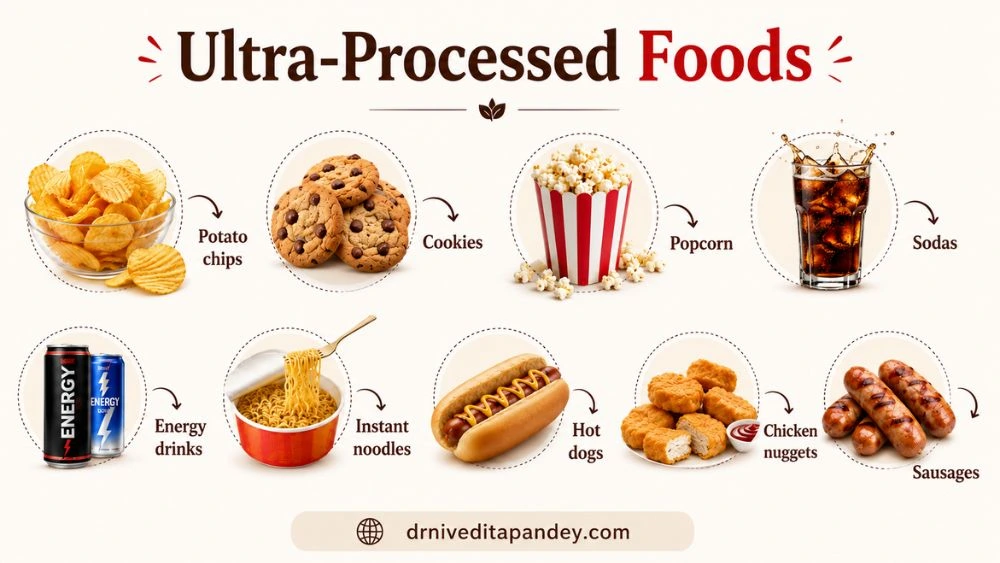
The list of ultra-processed foods are products that go through multiple stages of industrial processing. They contain preservatives, emulsifiers (chemicals that keep ingredients mixed), artificial colors, and flavor enhancers. They’re designed to last longer, look better, and taste more addictive than natural food.
Packaged Snacks (Chips, Biscuits)
Potato chips, crackers, cookies, and flavored popcorn are classic examples on the list of ultra-processed foods. They’re made with refined flour, industrial seed oils, and high doses of salt or sugar.
One serving of a popular chip brand can have more sodium than a full home-cooked meal. The crunch and flavor are engineered to keep you eating past fullness. There’s no natural satiety signal (the feeling of being full) because these foods are designed to override it.
Sugary Drinks and Sodas
Sodas, flavored juices, energy drinks, and sweetened iced teas are firmly on the list of ultra-processed foods. A single 12-oz can of soda has around 39 grams of sugar, roughly 10 teaspoons. That already exceeds the American Heart Association’s daily limit for women (25g) and nearly matches the men’s limit (36g). These drinks skip fiber entirely, so your body absorbs sugar immediately, causing a sharp blood sugar spike.
Instant Noodles and Ready Meals
Instant noodles are made from refined wheat, and the flavor packets are loaded with sodium and artificial flavor compounds. A single pack of instant ramen can contain up to 1,820 mg of sodium, nearly 80% of the recommended daily limit. Frozen ready meals, microwaveable pasta, and boxed mac and cheese follow the same pattern. Convenient, yes. Good for your body, no.
Processed Meats (Sausages, Nuggets)
Hot dogs, chicken nuggets, deli slices, sausages, and packaged bacon are preserved using nitrates and nitrites. When exposed to high heat or stomach acid, these compounds form nitrosamines, which are linked to a higher colorectal (large intestine) cancer risk. The World Health Organization classifies processed meats as Group 1 carcinogens (substances confirmed to cause cancer in humans). That’s the same category as cigarette smoke.
Risk of Ultra-Processed Foods
The risk of ultra-processed foods goes well beyond weight gain. Research from multiple countries consistently connects high intake to chronic gastritis disease and premature death.
Increased Risk of Obesity
Calories in ultra-processed products arrive fast and without fiber. Fiber slows digestion and triggers fullness hormones. Without it, you eat more before your brain signals you to stop. Studies tracking tens of thousands of adults found that people who ate the most ultra-processed foods gained significantly more weight over time than those who ate mostly whole foods.
Higher Risk of Heart Disease
These foods are high in trans fats (industrial fats that damage arteries), sodium, and refined sugars. All three raise LDL cholesterol (bad cholesterol), increase blood pressure, and cause arterial inflammation. Heart disease is the number one killer in the United States. Diets heavy in ultra-processed foods push that risk higher.
Blood Sugar Imbalance
Refined carbohydrates in ultra-processed products digest almost instantly. Your blood sugar spikes, your pancreas pumps out insulin (the hormone that moves sugar into cells), and then your blood sugar crashes hard. This cycle, repeated daily, wears out your insulin response over time. A long-term dietary study found that every 10% increase in ultra-processed food consumption raised type 2 diabetes risk by 15%.
Weight Gain From Ultra-Processed Foods
Weight gain from ultra-processed foods is about how these foods work against your body’s natural systems.
High Calorie Density
Calorie density means how many calories are packed into a small amount of food. A 30g handful of potato chips has around 160 calories. The same weight in boiled potatoes has only 26 calories. You get six times fewer calories with real food for the same stomach volume. Ultra-processed snacks are calorie-dense by design.
Low Satiety (Less Fullness)
Weight gain from ultra-processed foods is heavily driven by poor satiety. These foods score low on fullness because they’re stripped of fiber, protein, and water. They also digest quickly, leaving your stomach empty within an hour or two. That’s why eating a bag of chips never feels like eating a meal, and why you reach for more sooner.
Overeating Due to Hyper-Palatable Foods
Hyper-palatable means engineered to taste extremely good. Food scientists use exact combinations of sugar, fat, and salt to hit what’s called the “bliss point,” the ratio that makes your brain release dopamine (the feel-good chemical).
This activates the same brain pathway involved in addictive behavior. You’re not overeating because of weak willpower. The food is literally designed to override your brain’s stop signal.
How Ultra-Processed Foods Affect the Body
Impact on Gut Health
Your gut contains trillions of bacteria that regulate digestion, immunity, and mood. Ultra-processed foods are low in fiber and high in emulsifiers. Emulsifiers like polysorbate 80 (a common food additive) disrupt the gut lining and reduce bacterial diversity. Less bacterial diversity is directly linked to inflammation, bloating, and a weaker immune system.
Hormonal Imbalance (Hunger Signals)
Two hormones control your hunger: ghrelin (which makes you hungry) and leptin (which tells you to stop eating). Ultra-processed foods disrupt both. Chronic sugar and fat overconsumption causes leptin resistance, meaning your brain stops responding to the “I’m full” signal. This creates a loop where you stay hungry even after eating a large amount. It’s a hormonal problem triggered by the food itself.
Inflammation and Metabolic Stress
Metabolic stress means your body’s internal processes are overloaded and functioning poorly. Additives, preservatives, and excessive refined sugars in ultra-processed foods trigger chronic low-grade inflammation. This type of inflammation doesn’t cause immediate pain, but it silently damages blood vessels, organs, and cells over months and years. Chronic inflammation is now recognized as a root driver of cancer, heart disease, and autoimmune conditions.
How to Reduce Ultra-Processed Food Intake
Reducing ultra-processed food intake doesn’t require a total diet overhaul overnight. Small, consistent swaps work better long-term.
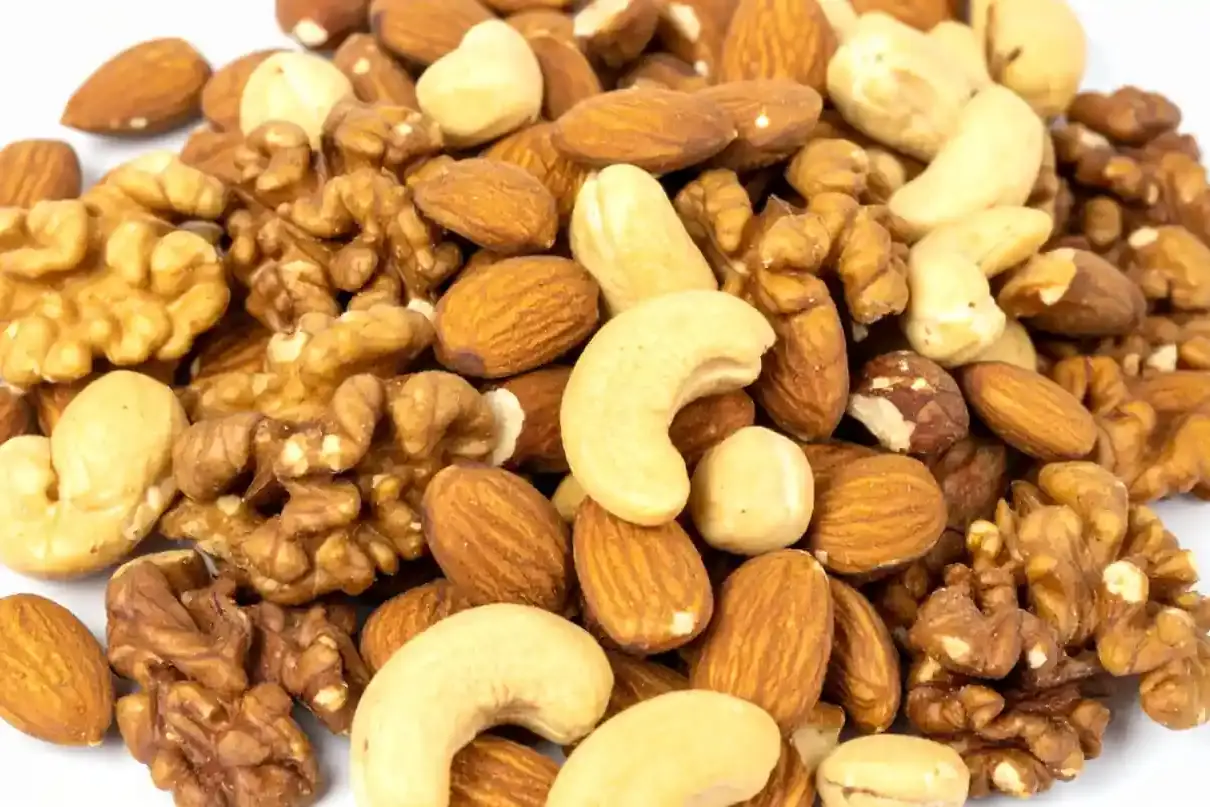
- Replace one ultra-processed snack daily with a whole food option like fruit, nuts, or boiled eggs.
- Cook at least four dinners per week using fresh ingredients.
- Read ingredient labels. If a product has more than five ingredients, many of which you can’t pronounce, it’s likely ultra-processed.
- Stop buying ultra-processed staples in bulk. Smaller quantities reduce mindless snacking.
- Drink water instead of sweetened beverages. This single swap cuts a significant amount of daily added sugar.
Reducing ultra-processed food intake involves understanding where hidden sources are hiding. Flavored yogurts, breakfast cereals marketed as “healthy,” granola bars, and bottled smoothies are all ultra-processed despite their health-friendly branding.
Healthy Alternatives to Processed Foods
Switching to healthy alternatives to processed foods is easier when you have direct replacements.
| Instead of | Try |
| Chips | Roasted chickpeas, air-popped popcorn |
| Soda | Sparkling water with lemon |
| Instant noodles | Whole wheat pasta with olive oil and garlic |
| Chicken nuggets | Baked chicken strips with an oat coating |
| Packaged cookies | Banana oat bars (two ingredients) |
| Flavored yogurt | Plain Greek yogurt with fresh berries |
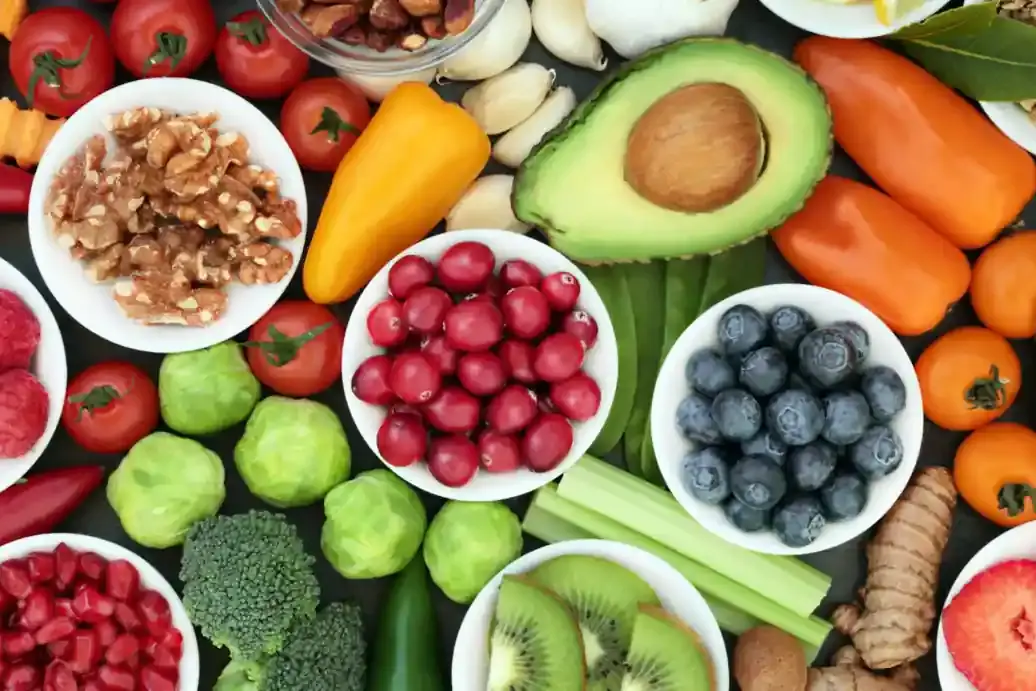
Healthy alternatives to processed foods don’t need to be expensive. Eggs, oats, lentils, bananas, canned plain beans, and frozen vegetables are budget-friendly, minimally processed, and available at any grocery store. These foods deliver fiber, protein, and actual nutrition without the additives.
Smart Grocery Shopping Tips
Avoiding Highly Packaged Products
Products with bold packaging, health claims like “low fat” or “natural,” and long ingredient lists are almost always ultra-processed. The more marketing on the box, the more skeptical you should be. Real food rarely needs to advertise itself.
Choosing Minimally Processed Items
Minimally processed foods include frozen plain vegetables, canned beans without sauce, plain oats, whole eggs, and fresh or frozen unseasoned meat. These are processed only for preservation or convenience, not for flavor manipulation or shelf-life extension. They hold their nutrition intact.
Planning Meals Ahead
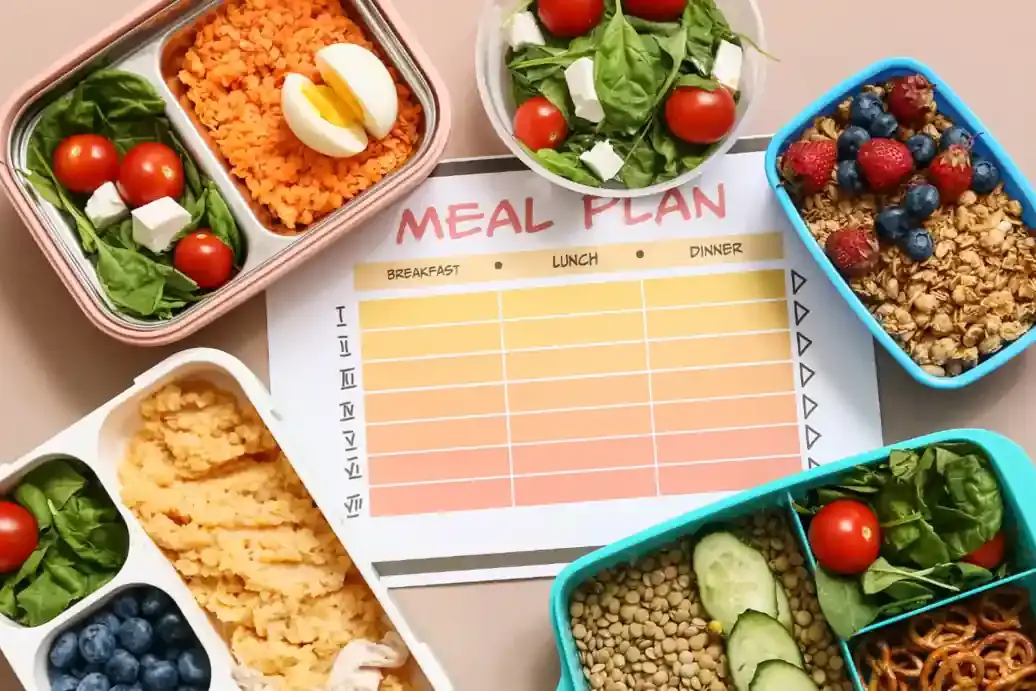
Meal planning removes the moment where hunger and convenience push you back toward ultra-processed options. Pick three to four dinners for the week every Sunday. Write a grocery list around those meals. When real food is already prepared at home, reaching for a bag of chips becomes less automatic.
FAQs
What Are Ultra-Processed Foods?
Ultra-processed foods are industrially made products containing artificial flavors, preservatives, emulsifiers, and additives not found in home kitchens. They include chips, sodas, instant noodles, packaged cookies, and frozen meals. They go through multiple processing stages and are engineered for taste and shelf life, not nutrition.
What Is the Risk of Ultra-Processed Foods?
The risk of ultra-processed foods includes obesity, type 2 diabetes, heart disease, gut damage, and colorectal cancer. Processed meats are classified as Group 1 carcinogens by the WHO. Eating them daily is linked to higher chronic disease rates and earlier death in population studies across Europe, North America, and Asia.
How to Reduce Ultra-Processed Food Intake?
Reducing ultra-processed food intake starts with reading ingredient labels. Avoid products with more than five ingredients. Replace one ultra-processed item per day with a whole food. Cooking four or more home meals weekly cuts ultra-processed intake significantly without requiring a strict or complicated diet.
What Are Healthy Alternatives to Processed Foods?
Healthy alternatives to processed foods include boiled eggs, oats, lentils, plain Greek yogurt, canned beans, frozen vegetables, and whole fruits. These are affordable and filling with no harmful additives. Swapping chips for roasted chickpeas or soda for sparkling water creates a measurable nutritional difference within weeks.
Are All Processed Foods Unhealthy?
No. Minimal processing, such as freezing vegetables, pasteurizing milk, or canning plain beans, preserves nutrition without adding harmful additives. The problem is ultra-processing, which adds sugar, salt, and artificial chemicals while removing fiber. Frozen plain broccoli is processed. A frozen pepperoni pizza is ultra-processed. The distinction matters.
How Often Should I Eat Ultra-Processed Foods?
Keep ultra-processed foods to less than 20% of your total daily calories. That’s roughly one small serving per day at most. Eating them a few times a week is very different from building every meal around them. Frequency is what determines whether health risk accumulates over time.
About The Author

Medically reviewed by Dr. Nivedita Pandey, MD, DM (Gastroenterology)
Dr. Nivedita Pandey is a U.S.-trained gastroenterologist and hepatologist with extensive experience in diagnosing and treating liver diseases and gastrointestinal disorders. She specializes in liver enzyme abnormalities, fatty liver disease, hepatitis, cirrhosis, and digestive health.
All content is reviewed for medical accuracy and aligned with current clinical guidelines.