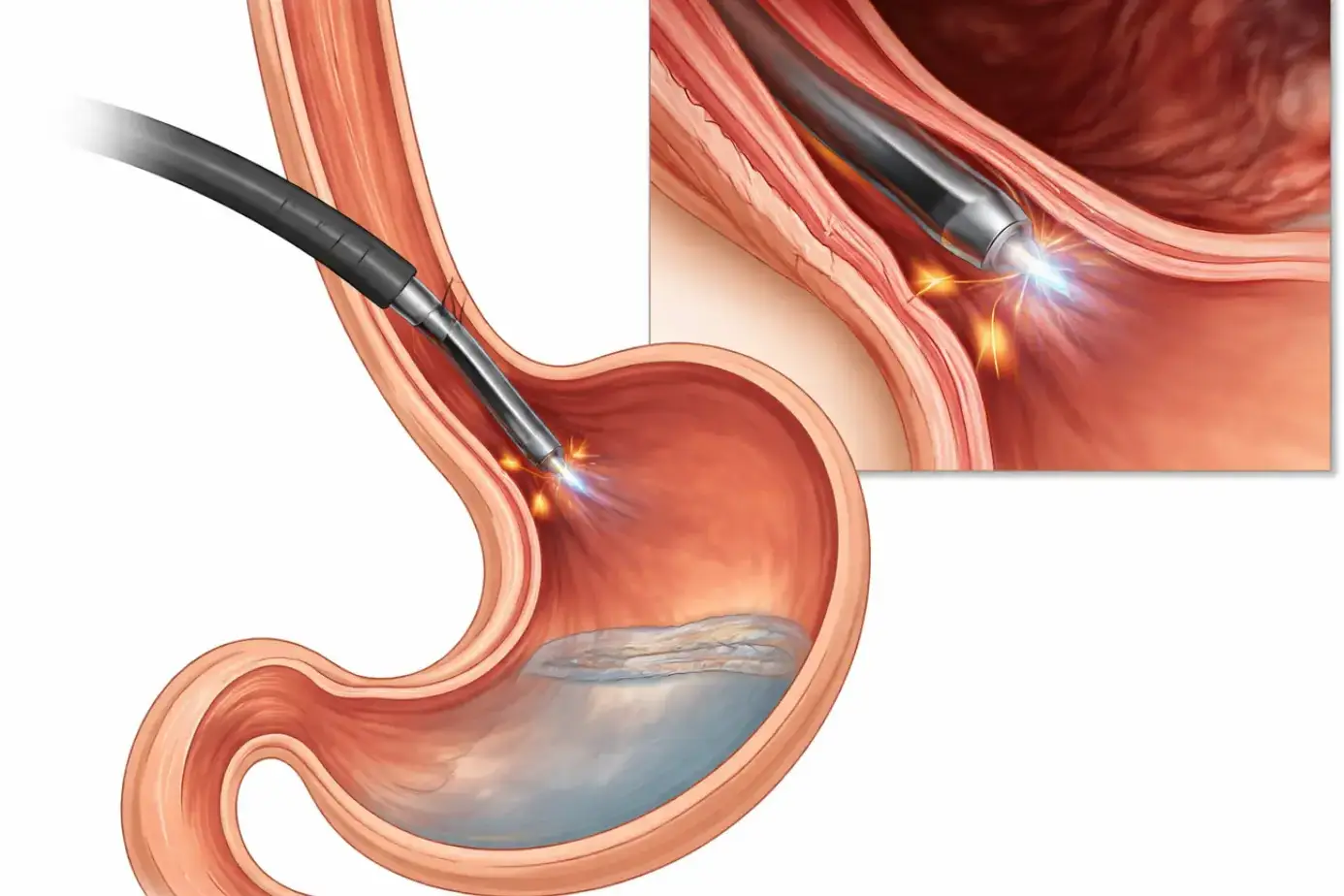
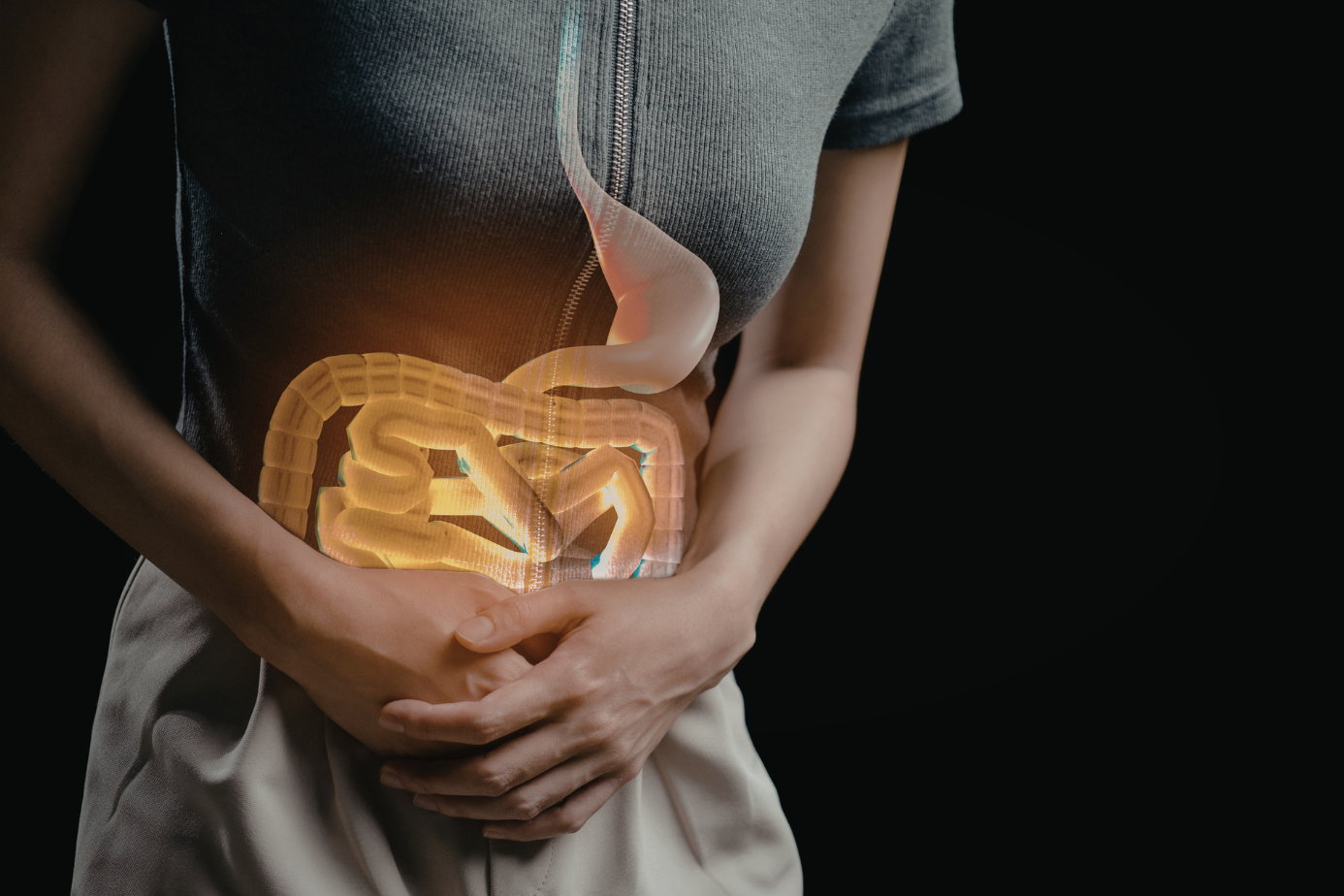
Yes, milk helps heartburn, but only for about 20 minutes. After that, milk triggers more acid production than before, leaving most people with worse symptoms than when they started.
The temporary relief is real, but the rebound is also real. Understanding both is what separates a useful answer from a half-truth.
Is Milk Good for Acid Reflux Relief?
For immediate, short-term comfort, milk is good for acid reflux relief. For actual acid management, no.
Milk coats the esophagus lining temporarily, which creates a cooling, soothing sensation. The fat and protein in milk also neutralize stomach acid briefly, similar to how antacids work. That’s why the relief feels real.
The problem is what happens next. Milk’s fat and protein content both stimulate the stomach to produce more acid after the initial buffering period. The relief window is roughly 20 minutes. After that, acid output increases above baseline.
For someone with occasional mild heartburn, one glass of cold low-fat milk in the middle of the day is unlikely to cause harm. For someone with chronic reflux or GERD, milk is the wrong choice.
Why Milk Soothes Heartburn Temporarily
Three things happen when milk reaches the stomach:
- Coating effect: Milk physically coats the lower esophagus and stomach lining. This creates a short barrier between acid and the irritated tissue.
- Buffering effect: The proteins casein and whey in milk bind to stomach acid temporarily, raising pH and reducing the burning sensation.
- Temperature effect: Cold milk lowers local tissue temperature slightly, which reduces the perception of burning.
The buffering capacity of milk is weaker than over-the-counter antacids like calcium carbonate (Tums) or alginate-based products like Gaviscon. Milk’s relief is milder and shorter-lived than either.
Why Milk Can Make Heartburn Worse
Milk Triggering Rebound Acid Secretion
When protein from milk enters the stomach, it stimulates the release of a hormone called gastrin. Gastrin signals the stomach to produce more acid. Milk fat has a similar effect; it slows gastric emptying, meaning food and acid sit in the stomach longer.
The result: acid output increases 20 to 30 minutes after drinking milk. The stomach essentially overcompensates for the brief neutralization. Studies from the 1970s and 1980s, including work published in the British Medical Journal , confirmed this rebound effect specifically in ulcer and reflux patients. The finding has held up in subsequent research.
Calcium in Milk and Acid Production
Calcium stimulates the release of gastrin. More gastrin means more acid. This is the same reason calcium carbonate antacids (which use calcium as the active ingredient) sometimes cause rebound acidity after extended use.
A single glass of whole milk contains about 300 mg of calcium. That’s enough to trigger a measurable gastrin response. The effect is stronger with whole milk because the higher fat content delays stomach emptying, giving the calcium more time to stimulate acid production.
Low-fat milk has the same calcium content, so the acid-stimulating effect remains. The fat delay is reduced, which makes low-fat milk slightly less problematic, but it still triggers some rebound.
Heartburn After Drinking Milk: Symptoms
Heartburn after drinking milk symptoms typically appear 20 to 45 minutes after drinking, not immediately.
Common symptoms after milk-triggered rebound:
- Burning sensation in the chest returning after initial relief
- Bloating or a feeling of fullness in the upper abdomen
- Increased belching, which brings acid up with trapped gas
- Worsening reflux when lying down after drinking milk
The bloating is caused by two factors. First, the fat in milk slows gastric emptying. Second, people with lactose intolerance (even mild, undiagnosed cases) experience gas production as gut bacteria ferment the undigested lactose. This gas increases abdominal pressure, which pushes acid upward against the lower esophageal sphincter (LES).
Does the Type of Milk Matter?
Yes. Significantly.
- Whole milk is the worst option for reflux. The high fat content delays gastric emptying, increases LES relaxation, and prolongs acid exposure in the esophagus.
- Low-fat milk (1% or 2%) is better tolerated. Less fat means faster stomach emptying and less LES relaxation. The calcium and protein rebound effect still applies, but the overall impact is lower.
- Skim milk is the best dairy option. It clears the stomach faster than whole or low-fat milk. The rebound effect is still present but milder.
Plant-based alternatives:
- Oat milk: Low fat, low acid. Generally well-tolerated by reflux patients. Contains beta-glucan fiber, which buffers stomach acid. This is the best milk alternative for heartburn.
- Almond milk: Alkaline pH (around 8.4). Neutralizes acid without the protein and fat rebound of dairy milk. Works well as a short-term option.
- Coconut milk: High in fat. Triggers the same LES relaxation as whole dairy milk. Avoid for reflux.
- Soy milk: Mixed results. Some people tolerate it well; others find it worsens bloating, which indirectly worsens reflux.
Best Drinks for Heartburn Relief

The best drinks for heartburn relief work by either neutralizing acid, reducing acid production, or avoiding LES relaxation entirely.
- Water: The simplest and most effective. Water dilutes stomach acid and physically rinses the esophagus. Alkaline water (pH 8 to 9) provides slightly stronger acid neutralization.
- Ginger tea (non-caffeinated): Ginger has natural anti-inflammatory properties and speeds gastric emptying. A 2019 study in Molecular Nutrition & Food Research found ginger reduced lower esophageal inflammation markers in GERD patients.
- Chamomile tea: Reduces esophageal inflammation and relaxes smooth muscle without relaxing the LES. Drink it lukewarm, not hot; hot liquids irritate an inflamed esophagus.
- Licorice root tea (DGL): Deglycyrrhizinated licorice (DGL) increases the mucus lining of the stomach and esophagus. Clinical trials have shown DGL reduces heartburn symptoms comparably to low-dose antacids.
- Aloe vera juice: Reduces acid-related inflammation in the esophagus. Use the inner fillet variety, not whole leaf, which acts as a laxative.
Avoid peppermint tea. It relaxes the LES and worsens reflux despite being marketed as a digestive aid.
Better Alternatives to Milk for Heartburn
The fastest reliable fix for acute heartburn is an alginate-based antacid like Gaviscon. It forms a physical raft on top of stomach contents, blocking acid from reaching the esophagus. It works within 3 to 5 minutes and lasts 2 to 4 hours.
For longer-term management:
- Meal timing: Stop eating 3 hours before lying down. This allows gastric emptying to clear most acid before sleep.
- Portion control: Smaller meals reduce stomach volume and LES pressure. One large meal creates more reflux than two smaller ones with the same total calorie count.
- Trigger avoidance: Fatty foods, coffee, chocolate, alcohol, and carbonated drinks all relax the LES. Removing them reduces reflux frequency more than any drink substitution.
- Head elevation during sleep: 6 to 8 inches using bed risers reduces nighttime acid exposure significantly.
When to Avoid Milk Completely
Avoid milk for heartburn entirely if:
- You have lactose intolerance: Even mild lactose intolerance causes gas and bloating, which increases abdominal pressure and worsens reflux. An estimated 65% of adults have some degree of lactose malabsorption.
- Your reflux is frequent: If you experience heartburn 2 or more times per week, milk makes the pattern worse due to consistent rebound acid production.
- You get nighttime reflux: Drinking milk before bed is particularly harmful. The fat slows gastric emptying, the rebound acid arrives during sleep, and lying flat prevents gravity from clearing it.
- You have GERD with confirmed esophagitis: Repeated milk-induced rebound acid increases the rate of esophageal tissue damage.
FAQs: Does Milk Help Heartburn?
Does milk help heartburn?
Yes, milk helps with heartburn for 20 minutes. Milk’s fat and protein trigger gastrin release, which drives acid production above baseline. The rebound typically arrives 20 to 45 minutes after drinking, leaving symptoms worse than before.
Is milk good for acid reflux?
Milk is good for acid reflux relief in the short term. Dairy milk stimulates gastrin and slows gastric emptying. Both increase acid output. Oat milk or almond milk are better alternatives with no rebound effect.
Why does milk make heartburn worse?
Milk triggering rebound acid secretion happens because casein and whey proteins stimulate gastrin hormone release. Gastrin tells your stomach to produce more acid. This rebound peaks 30 to 45 minutes after drinking and overshoots the original acid level.
Is low-fat milk better for reflux?
Yes. Low-fat milk empties from the stomach faster than whole milk, reducing LES relaxation time. The calcium in milk and acid production rebound still applies, but the fat-related delay is reduced, making low-fat milk the least harmful dairy option.
What should I drink instead of milk?
The best drinks for heartburn relief are alkaline water, oat milk, chamomile tea, and DGL licorice root tea. Oat milk is the closest milk substitute; it buffers acid without triggering rebound and has no lactose.
Can milk trigger reflux at night?
Yes. Drinking milk within 2 to 3 hours of bedtime is one of the worst habits for nighttime reflux. The fat slows stomach emptying, the rebound acid peaks during sleep, and horizontal positioning prevents acid clearance.
Does calcium in milk help acid reflux?
No. Calcium in milk and acid production are linked in the opposite direction. Calcium stimulates gastrin release, which increases acid output. This is why antacids containing calcium carbonate also cause rebound acidity with overuse.
Should I stop drinking milk for heartburn?
Yes, if your heartburn is frequent or severe. Replace whole dairy milk with oat milk or almond milk. If symptoms occur only occasionally, switching to skim milk and avoiding it within 3 hours of bedtime reduces the rebound impact significantly.
About The Author

Medically reviewed by Dr. Nivedita Pandey, MD, DM (Gastroenterology)
Dr. Nivedita Pandey is a U.S.-trained gastroenterologist and hepatologist with extensive experience in diagnosing and treating liver diseases and gastrointestinal disorders. She specializes in liver enzyme abnormalities, fatty liver disease, hepatitis, cirrhosis, and digestive health.
All content is reviewed for medical accuracy and aligned with current clinical guidelines.