What Are Serious Liver Diseases?
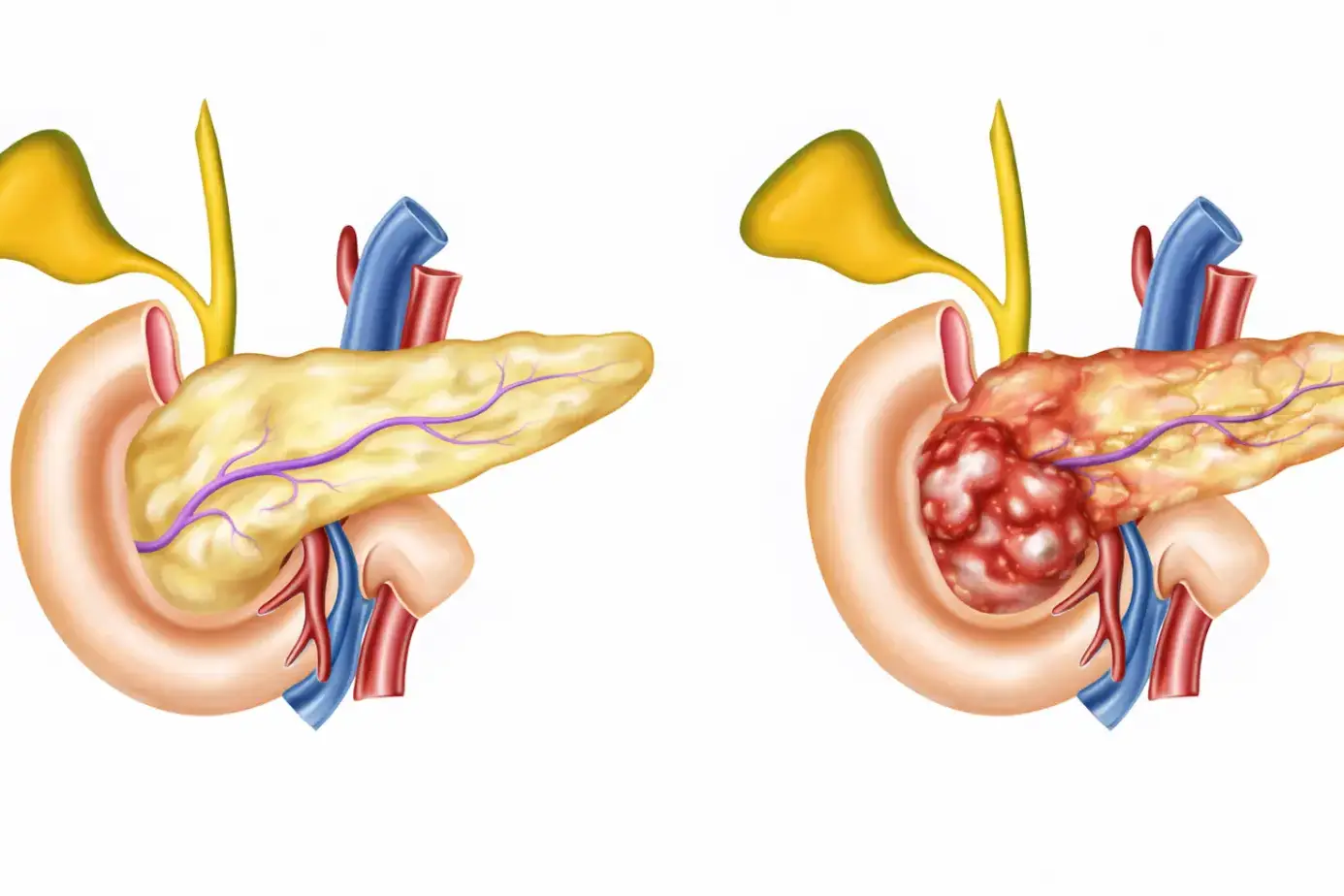
Serious liver diseases refer to advanced or aggressive conditions that significantly impair liver structure and function. These conditions often involve inflammation, scarring (fibrosis), cirrhosis, infections, or cancer. Without timely diagnosis and management, they can progress to liver failure or death.
Many serious liver diseases develop as complications of untreated fatty liver disease or long-standing metabolic conditions. Monitoring overall liver health and addressing early abnormalities can prevent progression to these advanced stages.
Common Types of Serious Liver Diseases
Liver Cirrhosis
Cirrhosis occurs when healthy liver tissue is replaced by scar tissue, permanently impairing liver function. Early symptoms may be mild, but advanced disease presents with clear warning signs. Recognizing liver cirrhosis symptoms such as abdominal swelling, easy bruising, confusion, and jaundice is crucial for timely care.
Liver Failure
Liver failure develops when the liver can no longer perform essential functions. Early identification of symptoms of liver failure—including severe fatigue, confusion, bleeding tendencies, and fluid accumulation—can be life-saving.
Liver Cancer
Primary liver cancer often develops in people with cirrhosis or chronic liver disease. Early detection is difficult, but awareness of each sign of liver cancer, such as unexplained weight loss, persistent pain, or worsening jaundice, can prompt urgent evaluation.
Liver Abscess
A liver abscess is a collection of pus within the liver caused by bacterial or parasitic infection. Understanding liver abscess causes symptoms treatment is important, as untreated abscesses can rupture and become fatal.
Causes & Risk Factors
Serious liver diseases arise from multiple underlying causes.
Chronic Liver Conditions
Long-standing inflammation from nonalcoholic-fatty-liver-disease, viral hepatitis, or autoimmune disorders can gradually destroy liver tissue.
Alcohol-Related Damage
Chronic alcohol intake is a major contributor to liver injury. The long-term effects of alcohol on body include inflammation, fibrosis, and eventual cirrhosis.
Genetic & Childhood Conditions
Inherited conditions such as hemochromatosis cause excess iron accumulation, damaging the liver over time. Pediatric conditions like biliary atresia block bile flow early in life and often progress to severe liver disease if untreated.
Bile Duct Disorders
Infections and blockages affecting bile flow play a significant role. Understanding cholangitis causes symptoms and recognizing bile duct disorder symptoms helps prevent rapid deterioration of liver function.
Symptoms & Warning Signs
Symptoms of serious liver diseases depend on the stage and cause but often overlap.
Early Warning Signs
- Persistent fatigue
- Loss of appetite
- Abdominal discomfort
- Nausea
Advanced Symptoms
- Yellowing of skin and eyes, explained as what is jaundice
- Swelling of abdomen and legs
- Mental confusion
- Easy bleeding or bruising
Some patients develop an enlarged liver during disease progression. Identifying enlarged liver causes helps clinicians pinpoint the underlying disorder.
Diagnosis & Tests
Early diagnosis improves outcomes in serious liver diseases.
Key Diagnostic Tools
- Blood tests including a liver function test
- Ultrasound, CT scan, or MRI
- FibroScan for fibrosis assessment
- Liver biopsy in selected cases
Routine monitoring of liver enzymes and bilirubin levels helps detect worsening disease before complications arise.
Treatment Options for Serious Liver Diseases
Treatment depends on the specific condition, severity, and overall patient health.
Medical Management
- Antiviral or antibiotic therapy for infections
- Medications to reduce inflammation or immune activity
- Treatment of metabolic disorders
Lifestyle & Nutritional Support
Diet plays a crucial role in managing advanced liver disease. Following a structured liver diet plan helps reduce liver workload, prevent malnutrition, and improve quality of life.
Advanced Care
In end-stage disease, liver transplantation may be required. After transplantation, post liver transplant care becomes essential to prevent rejection, manage infections, and support long-term survival.
Prevention & Long-Term Management
Preventing serious liver diseases starts with early intervention.
Key strategies include:
- Regular monitoring of liver function
- Managing diabetes and cholesterol
- Avoiding alcohol
- Treating bile duct and genetic disorders early
- Maintaining overall liver health through diet and exercise
Early management of fatty liver disease and metabolic risk factors significantly reduces progression to advanced disease.
When to See a Doctor
Seek immediate medical attention if you experience:
- Persistent jaundice
- Abdominal swelling or pain
- Confusion or altered consciousness
- Abnormal liver test results
- Rapid weight loss or appetite loss
People with diabetes, obesity, alcohol exposure, or family history of liver disease should undergo routine screening even without symptoms.
Frequently Asked Questions About Serious Liver Diseases
Can serious liver diseases be reversed?
Some conditions can be stabilized or partially reversed if diagnosed early. Advanced cirrhosis and liver failure are usually irreversible.
Is fatty liver disease dangerous?
Yes. Untreated fatty liver disease can progress to cirrhosis, liver failure, and cancer.
How are liver diseases detected early?
Routine blood tests, imaging, and clinical evaluation help identify disease before symptoms appear.
Does jaundice always indicate serious liver disease?
Not always, but jaundice often signals liver or bile duct dysfunction and requires prompt evaluation.
Can lifestyle changes prevent liver failure?
Yes. Diet, exercise, alcohol avoidance, and early medical care significantly reduce liver disease progression.
Conclusion
Serious liver diseases are often the result of long-term, silent damage. Recognizing early warning signs, understanding risk factors, and undergoing timely testing can prevent irreversible complications.
If you have abnormal liver tests, symptoms, or known risk factors, consult a liver specialist without delay. Protecting liver health today can prevent life-threatening disease tomorrow.
About The Author

Medically reviewed by Dr. Nivedita Pandey, MD, DM (Gastroenterology)
Dr. Nivedita Pandey is a U.S.-trained gastroenterologist and hepatologist with extensive experience in diagnosing and treating liver diseases and gastrointestinal disorders. She specializes in liver enzyme abnormalities, fatty liver disease, hepatitis, cirrhosis, and digestive health.
All content is reviewed for medical accuracy and aligned with current clinical guidelines.