A low-fiber diet for colonoscopy is a short-term eating plan that reduces stool volume so your doctor can clearly see the colon lining during the test. Fiber stays in the gut longer and leaves residue.
Removing it lowers the risk of missed polyps, unclear views, and repeat procedures. If you follow a low-fiber diet for colonoscopy correctly, bowel prep works faster, laxatives work better, and exam accuracy improves. Doctors usually recommend starting this diet two to three days before the test, depending on your digestive speed and medical history.
A low fiber diet for colonoscopy does not mean starving. You still eat solid food. You just remove foods that slow digestion or leave waste behind. This diet is different from a clear liquid diet, which starts later. Getting this phase right is critical because poor prep is one of the top reasons colonoscopies fail.
Low Fiber Foods For Colonoscopy Prep
Low fiber foods for colonoscopy prep digest quickly and leave minimal residue inside the bowel. These foods reduce stool bulk and prevent particles from sticking to the colon wall. Even small fiber particles can block visibility during the exam. This is why doctors insist on strict food selection during a low-fiber diet for colonoscopy .
Refined Grains And Cereals
Refined grains are allowed because processing removes bran and germ, which hold fiber. White bread is safe. Plain bagels are allowed. White rice digests easily. Cream of wheat works well. Plain pasta made from white flour is acceptable. Avoid labels that say whole grain, multigrain, or high fiber. These grains support a low fiber diet for colonoscopy because they pass through the gut with little waste.
Refined grains also help maintain energy. Studies on pre-procedure nutrition show that patients who eat refined carbohydrates tolerate bowel prep better and report less weakness.
Low-Fiber Fruits Without Skin Or Seeds
Fruit is limited but not banned. Choose fruits with fiber removed. Applesauce without chunks is safe. Canned peaches without skin are fine. Ripe bananas work because their fiber content is low when fully ripened. Avoid seeds and skins at all costs. Seeds can remain in the colon for days.
These choices meet the low-fiber foods for colonoscopy prep rules and reduce the chance of leftover particles. Fruit juices must be strained and pulp-free. Orange juice with pulp is not allowed.
Cooked Vegetables Allowed
Cooking breaks down fiber structure. Peeled and well-cooked vegetables are safer than raw ones. Carrots, peeled potatoes, and squash are common choices. Vegetables must be soft enough to cut with a fork. Avoid fibrous vegetables like broccoli, cauliflower, corn, and leafy greens.
Poorly cooked vegetables increase residue even when eaten in small amounts. Proper cooking matters during a low-fiber diet for colonoscopy .
Protein Foods Safe To Eat
Protein contains no fiber. Eggs are one of the safest foods. Skinless chicken and turkey work well. Fish is easy to digest. Tofu is allowed. Avoid breaded or fried protein. These foods help control hunger and stabilize blood sugar during a low-fiber diet for colonoscopy , especially for people who feel weak during prep.
Foods Allowed On Low Fiber Diet Before Colonoscopy
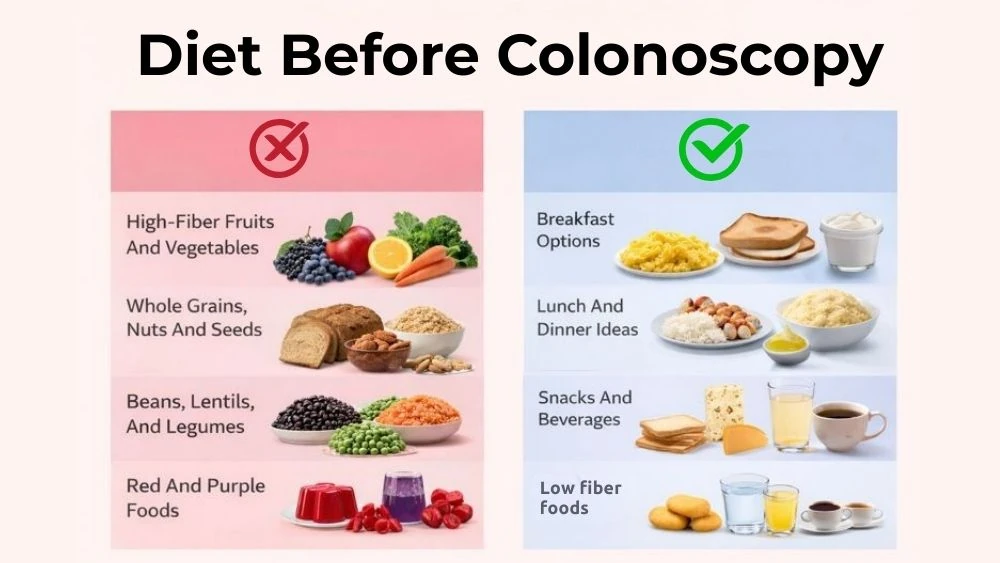
Foods allowed on a low-fiber diet before a colonoscopy should digest fast, contain little residue, and avoid artificial colors. Meal planning reduces mistakes and improves prep success.
Breakfast Options
Eggs are ideal for breakfast. Scrambled or boiled both work. White toast with butter is fine. Pancakes without seeds are allowed. Yogurt without fruit pieces works for most people. Avoid granola and flavored yogurt with additives.
These options support a low fiber diet for colonoscopy while keeping energy levels steady in the morning.
Lunch And Dinner Ideas
Lunch and dinner should stay simple. White rice with chicken is a standard option. Pasta with plain sauce is allowed. Mashed potatoes without skin work well. Avoid mixed dishes with hidden vegetables. Avoid spicy sauces that may irritate the gut.
These meals align with foods allowed on a low-fiber diet before a colonoscopy and reduce digestive stress.
Snacks And Beverages
Snacks should be small and low-residue. Plain crackers are acceptable. Cheese is allowed. Drink water often. Clear juices without pulp are safe. Tea and coffee are allowed if taken plain.
Foods To Avoid On Low Fiber Diet Colonoscopy
Foods to avoid on a low-fiber diet for colonoscopy are just as important as allowed foods. Even small amounts can ruin bowel prep. Fiber fragments often stick to the colon wall and block visibility.
High-Fiber Fruits And Vegetables
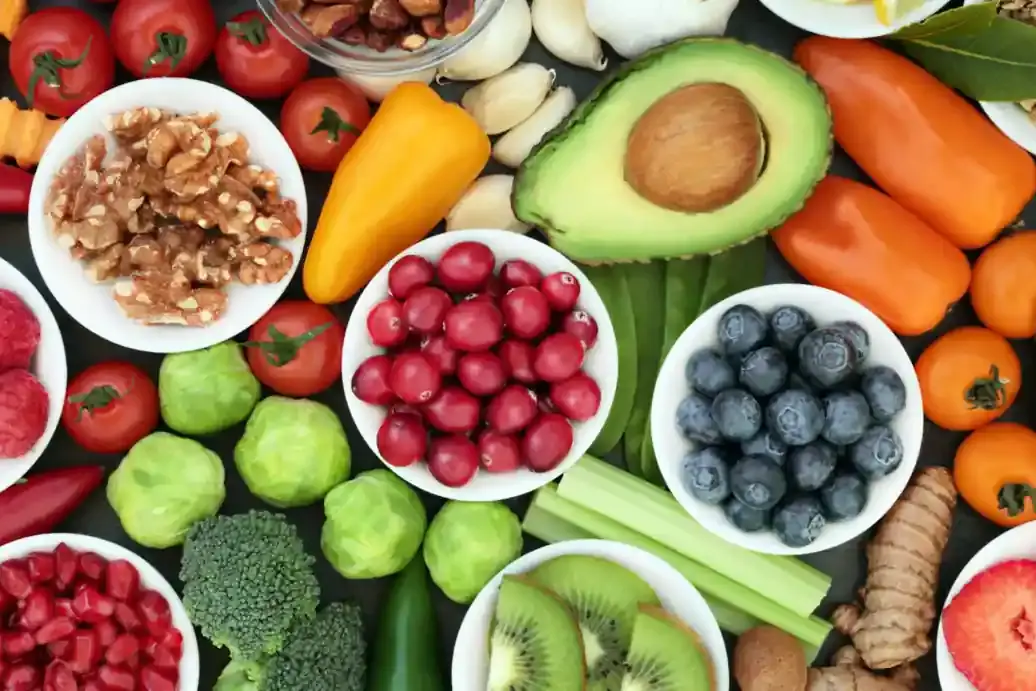
Avoid berries, apples with skin, oranges, pears, and leafy greens. Raw vegetables are especially risky. These foods increase stool bulk and slow bowel emptying. Eating them immediately breaks a low-fiber diet for colonoscopy .
Whole Grains, Nuts, And Seeds
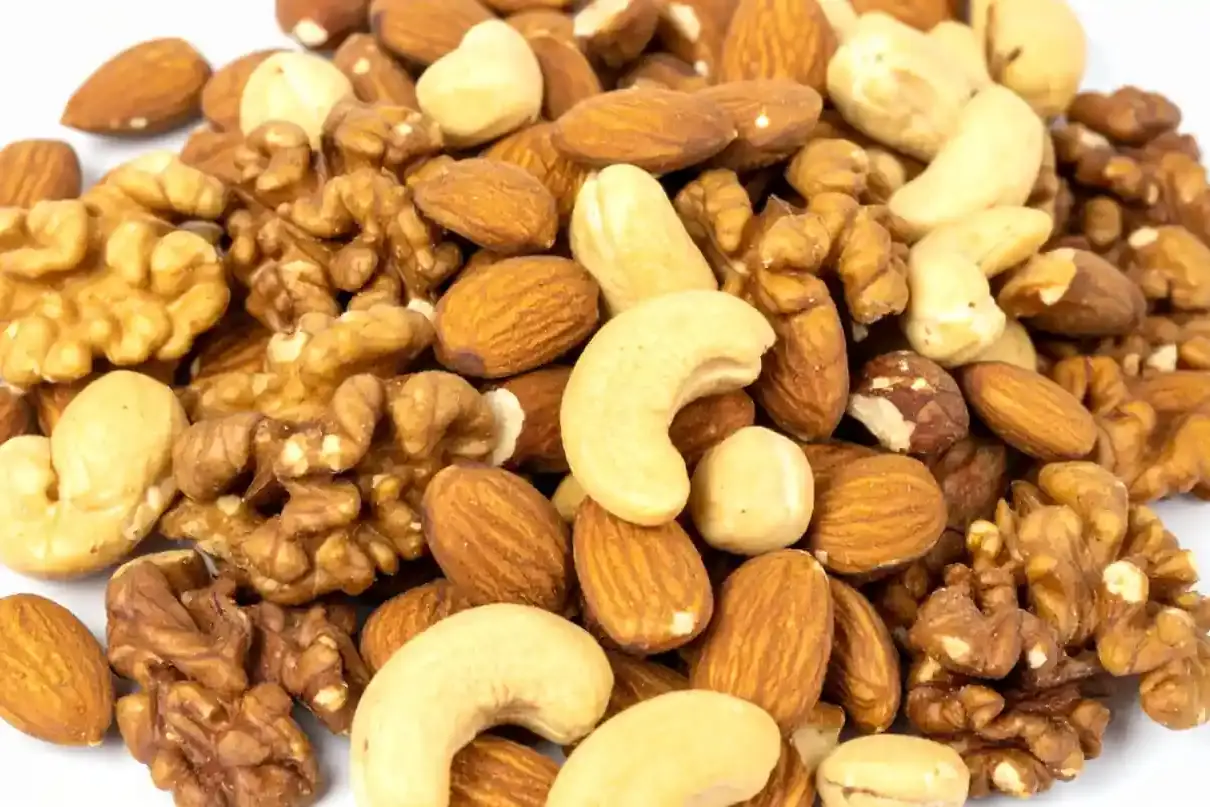
Whole wheat bread is not allowed. Brown rice must be avoided. Nuts and seeds stay undigested and lodge in the colon. Even small seed fragments can interfere with the exam. These foods are the top cause of failed prep in dietary review studies.
Beans, Lentils, And Legumes
Beans and lentils contain resistant fiber. This type of fiber resists digestion and ferments in the gut. It increases gas and stool volume. Avoid chickpeas, peas, and soybeans. These foods are incompatible with a low-fiber diet for colonoscopy .
Red And Purple Foods
Red and purple dyes can look like blood during the exam. Avoid red gelatin, purple sports drinks, and colored candies. This rule applies even if the food contains no fiber. Doctors frequently report false alarms due to food dyes.
Low Residue Diet Before Colonoscopy
Doctors sometimes use the term “low-residue diet” instead of “low-fiber diet.” The two are related but not identical. Understanding the difference helps you avoid confusion during prep.
Difference Between Low-Fiber and Low-Residue Diet
Fiber is the part of plant food that does not break down during digestion. Residue means anything left behind in the bowel after digestion. This includes fiber plus some dairy solids, fats, and undigested particles.
A low fiber diet for colonoscopy focuses mainly on removing plant fiber. A low-residue diet before a colonoscopy goes further. It may limit milk, cheese, and fatty foods because they can slow bowel emptying in some people. Most healthy adults only need a low-fiber approach. Doctors reserve low-residue plans for special cases.
When a Low-Residue Diet Is Recommended
A low-residue diet before colonoscopy is often advised if you have chronic constipation, slow gut movement, inflammatory bowel disease, or a history of poor bowel prep. These patients retain more waste even when fiber is removed.
If your doctor mentions residue instead of fiber, follow their instructions exactly. Do not switch diets on your own. Both diets aim to support a clean colon, but they are not interchangeable.
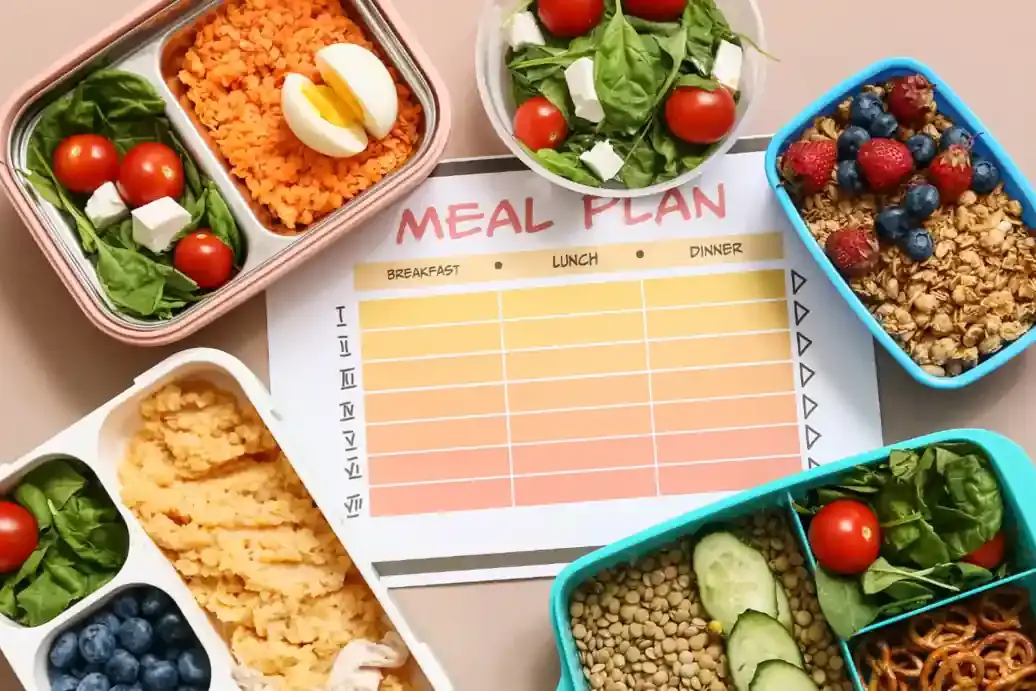
Sample Low-Fiber Meal Plan For Colonoscopy Prep
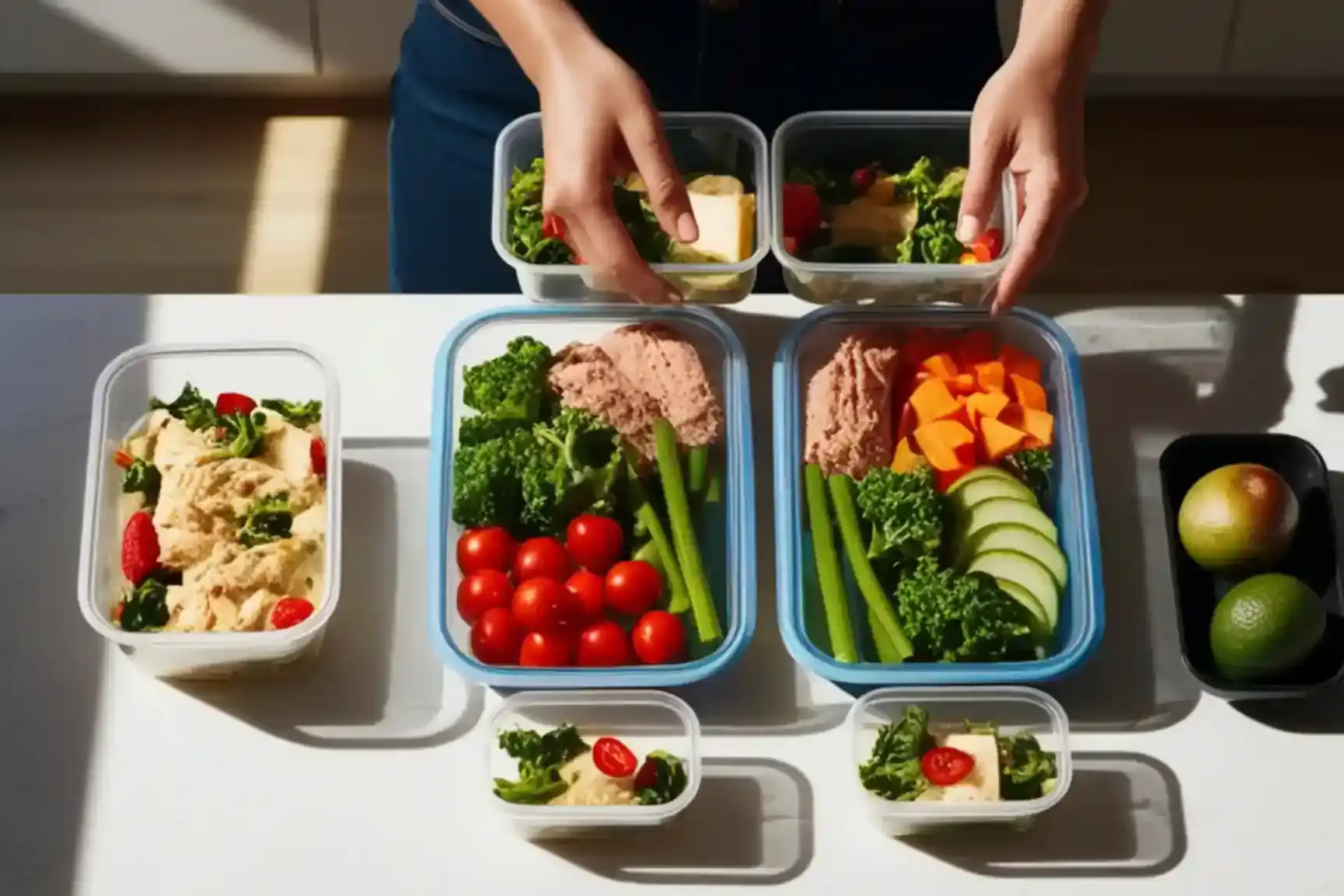
Structure prevents mistakes. People who plan meals ahead have better prep results and less stress. This section shows how timing works in real life.
3-Day Low Fiber Meal Example
The 3 low-fiber diet days before colonoscopy usually start three days before the test.
- Day one includes eggs for breakfast, white toast, chicken with rice for lunch, pasta for dinner, and yogurt as a snack.
- Day two repeats similar foods with smaller portions. Avoid trying new foods.
- Day three keeps meals light. Eggs, white bread, mashed potatoes, and clear juices work well.
This approach supports a low fiber diet for colonoscopy by gradually reducing residue without causing hunger or weakness.
Day-Before Colonoscopy Food Adjustments
The day before the exam is different. Solid foods usually stop by midday, depending on your doctor’s plan. After that, you switch to clear liquids only. Broth, strained juice, plain tea, and gelatin without red or purple dye are standard.
Laxative solutions usually begin later that day. The low-fiber diet for colonoscopy makes these solutions work better and faster, which improves bowel cleanliness.
Common Mistakes During Low-Fiber Colonoscopy Prep
Most prep failures come from avoidable errors. These mistakes show up repeatedly in hospital quality reports.
Eating Hidden Fiber Foods
Many foods contain fiber without obvious warning. Sauces may include vegetable pulp. Soups may contain blended beans. Flavored yogurts often include fruit fibers. Always read labels during a low-fiber diet for colonoscopy .
Portion Size Errors
Even safe foods can cause problems if portions are too large. A large bowl of rice digests slower than a small serving. Smaller meals move faster through the gut and reduce residue during the 3 low-fiber diet days before the colonoscopy.
Not Following Prep Instructions
Diet alone does not clean the bowel. Skipping laxatives or changing timing ruins results. Incomplete prep is the top reason for repeat colonoscopy. Follow instructions exactly. The low-fiber diet for colonoscopy supports the process but does not replace it.
How a Low-Fiber Diet Improves Colonoscopy Results
Diet quality directly affects what your doctor can see during the test.
Cleaner Bowel Preparation
Less fiber means less stool. Imaging studies show clearer views of the colon wall when residue is minimal. A low-fiber diet for colonoscopy improves the detection of small polyps that may otherwise be hidden.
Reduced Need For Repeat Colonoscopy
Poor prep leads to missed findings or cancelled exams. Repeat procedures increase cost, stress, and risk. Following a low fiber diet for colonoscopy lowers repeat rates and improves overall exam quality, according to multi-center audits.
FAQs
Can I Eat Eggs On A Low Fiber Diet Before Colonoscopy?
Yes. Eggs contain zero fiber and digest easily. Doctors commonly recommend them during a low-fiber diet for colonoscopy because they provide protein without leaving residue.
Is Rice Allowed On A Low-Fiber Diet?
White rice is allowed and commonly used. Brown rice is not allowed because it contains bran. White rice fits low fiber foods for colonoscopy prep guidelines well.
Can I Drink Milk Before Colonoscopy Prep?
Small amounts are often allowed early on. Some people need limits due to slow digestion. Follow your doctor’s advice, especially if you are on a low-residue diet before colonoscopy .
What Happens If I Eat Fiber Accidentally?
One small mistake may not ruin prep. Repeated fiber intake increases residue. If it happens, return to your low-fiber diet for colonoscopy immediately and inform your doctor if concerned.
Is A Low Fiber Diet The Same As Clear Liquid Diet?
No. A low-fiber diet for colonoscopy allows solid foods early on. A clear liquid diet starts later, usually the day before the test.
Can I Drink Coffee During Low-Fiber Prep?
Yes, if it is plain. Avoid creamers with additives. Coffee without pulp or seeds fits the foods allowed on a low-fiber diet before colonoscopy rules.
How Do I Manage Hunger on a Low-Fiber Diet?
Eat protein at each meal. Use small, frequent meals. Drink fluids often. This approach helps during the 3 low-fiber diet days before colonoscopy .
Can Diabetics Follow A Low-Fiber Diet Safely?
Yes, with monitoring. Blood sugar may change due to refined carbs. Adjust meals as needed while staying within foods allowed on low fiber diet before colonoscopy .
Are Protein Shakes Allowed Before Colonoscopy?
Only if they contain no fiber and no color. Many shakes include fiber additives. Always check labels under foods to avoid on low-fiber diet colonoscopy rules.
When Should I Stop Solid Foods Completely?
Most people stop the day before the test. Timing varies by prep plan. Follow medical instructions to complete your low fiber diet for colonoscopy correctly.
About The Author

Medically reviewed by Dr. Nivedita Pandey, MD, DM (Gastroenterology)
Dr. Nivedita Pandey is a U.S.-trained gastroenterologist and hepatologist with extensive experience in diagnosing and treating liver diseases and gastrointestinal disorders. She specializes in liver enzyme abnormalities, fatty liver disease, hepatitis, cirrhosis, and digestive health.
All content is reviewed for medical accuracy and aligned with current clinical guidelines.