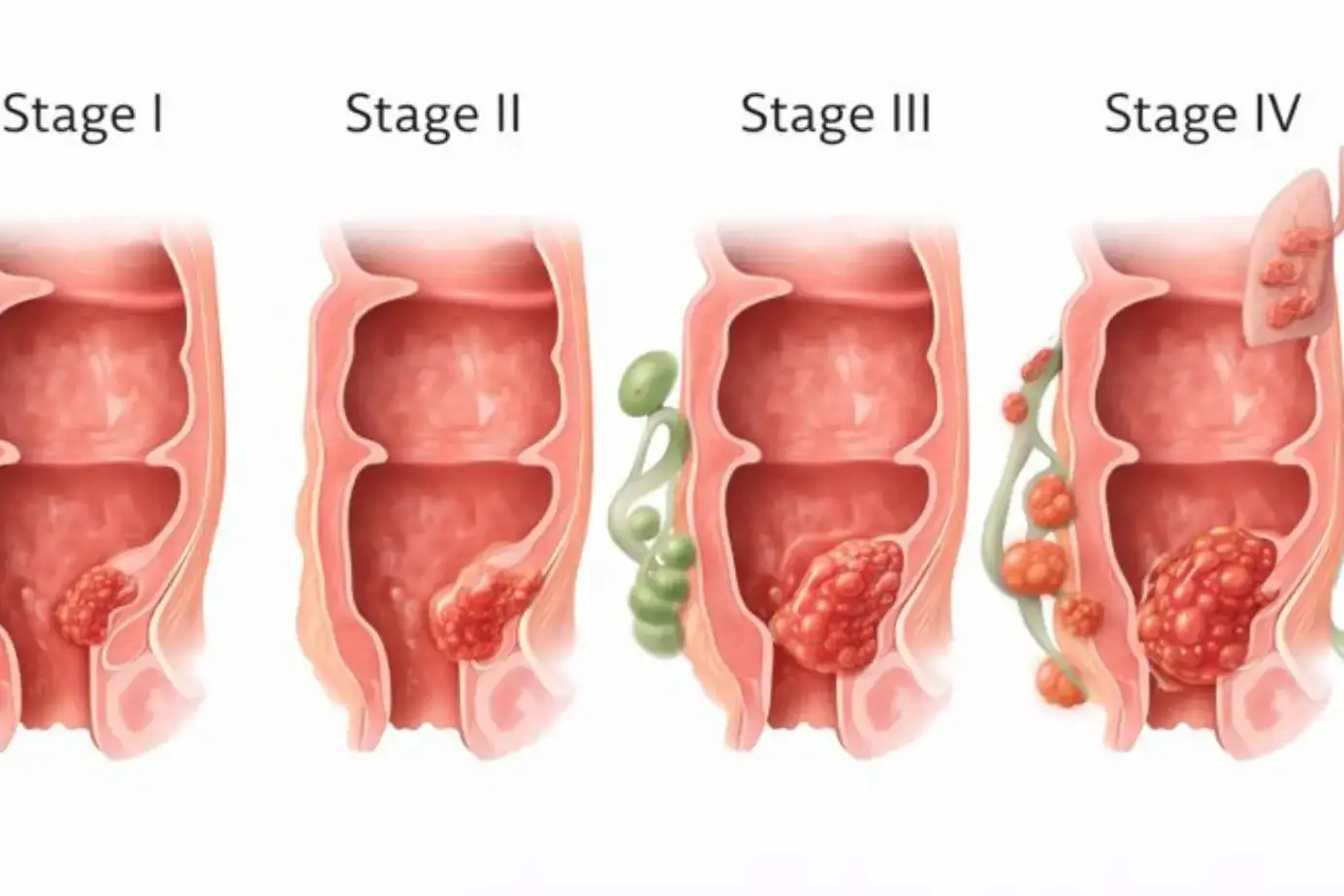
A colonoscopy is a medical test that lets a doctor look inside your large intestine using a thin, flexible tube with a tiny camera on the end. It helps find problems like bleeding, inflammation, polyps, and early signs of colorectal cancer.
Doctors perform it by gently guiding the scope through your rectum and along the colon while you are under sedation, so you stay relaxed and comfortable. The test matters because polyps can turn into cancer over many years, and removing them early greatly lowers your risk.
A colonoscopy also helps explain symptoms like belly pain, changes in stool, or unexplained anemia. Even though the process sounds complex, the duration of colonoscopy itself is usually short, often around 20 to 45 minutes, depending on your anatomy and whether polyps need removal.
Colonoscopy Procedure Time
For most healthy adults, duration of colonoscopy is about 20 to 45 minutes, and many centers quote 30 minutes as typical.
The colon has several bends and turns. Your doctor needs time to move the scope up to the start of the colon, inspect the lining, then pull the scope back while looking for small growths called polyps. Guidelines from expert groups say doctors should spend at least 6 minutes on the withdrawal phase alone, and many studies suggest 6 to 10 minutes or more gives better polyp detection.
Because of this, a safe duration of colonoscopy is never just a “quick peek”. A careful exam takes time, even if your colon looks normal.
Your doctor or nurse may also use the phrase colonoscopy procedure time . That often includes a bit more than scope in and scope out. It can cover the final checks in the procedure room, the start of sedation, the full scope exam, and a brief period while you start to wake up. Different hospitals define it in slightly different ways, so you can always ask what they mean when they use that term.
Average Duration Of The Colonoscopy
If your bowels are clean and your anatomy is straightforward, the duration of a colonoscopy often looks like this:
You spend about 5 to 10 minutes while the scope moves up to the beginning of the colon, another 10 to 20 minutes while the scope comes back down, and a few extra minutes if your doctor washes or suctions fluid for a better view.
That gives an average range of 20 to 45 minutes. Some doctors work faster, some a bit slower. Longer time does not always mean a problem. It often means your doctor takes a careful look, which can help find more polyps and early cancers.
Medical groups like the American College of Gastroenterology and world guidelines on colorectal cancer screening support the idea that proper inspection time matters for cancer prevention, not just the raw duration of colonoscopy .
How Biopsy Or Polyp Removal Affects The Length
During your test, your doctor may see polyps or patches of tissue that look different from the rest of the lining. Small tools pass through the scope to remove these polyps or to take tiny samples, called biopsies.
Each removal or biopsy adds a few minutes to the duration of colonoscopy . Small, simple polyps often need only a short snip. Larger or flat polyps may need more steps, like cutting them into pieces or adding clips to reduce bleeding. Studies and expert opinion suggest that complex polyp work can stretch a procedure out toward the 45 to 60 minute mark, especially when several growths appear in different parts of the colon.
Even if the clock runs longer, this extra time lowers your future risk of colorectal cancer because most cancers grow from polyps over the years.
Why Bowel Preparation Quality Impacts Procedure Duration
Bowel prep means cleaning your colon with a special laxative drink and diet changes. This step matters as much as any device in the room. If stool or thick liquid covers the lining, your doctor cannot see small polyps. They may need to wash and suction repeatedly, which slows the exam and can make the duration of the colonoscopy much longer than planned.
Good prep gives a clear, pale yellow fluid in your stool. Bad prep leaves brown liquid or chunks of stool. With poor cleaning, your doctor may miss lesions or even stop the test and ask you to repeat it on another day. That means a second full duration of colonoscopy plus another round of laxatives, which no one enjoys.
Health agencies like the CDC and cancer societies now stress prep quality as a key part of screening success, not just as a “pre-step” to the scope.
What “Procedure Time” Includes Vs Excludes
It helps to separate the three clocks in your mind.
The duration of a colonoscopy is the scope time. The colonoscopy procedure time often includes the sedation start and quick post-scope checks in the room. The total visit time includes check-in, pre-procedure assessment, scope time, recovery, and discharge.
Recovery Time After Colonoscopy
The recovery time after a colonoscopy begins when the scope comes out and sedation starts to wear off. You usually stay in a recovery area for 30 to 60 minutes, while nurses monitor your blood pressure, breathing, and level of alertness.
Most people then go home with a responsible adult. Your brain and reflexes may stay slower for the rest of the day, even if you feel “mostly fine”. Because of this, major medical sites advise you not to drive, use heavy machines, or sign legal papers until at least the next day.
In many studies, patients report mild bloating or tiredness for a few hours after the test, and most feel normal again by the next morning, although full recovery always varies from person to person.
Post-Procedure Monitoring Time
Right after your duration of colonoscopy ends, the staff move you to a quiet recovery bay. You usually lie on your side or back with a monitor on your finger and a cuff on your arm. Nurses check your vital signs at regular intervals and watch your breathing pattern, color, and level of wakefulness.
Early recovery period usually lasts 30 to 60 minutes for a routine case, although it can run longer if you had deeper sedation or health issues that need closer follow up.
This time is part of your recovery time after a colonoscopy , not part of the scope time. You may not remember much of it because the medicine can affect short-term memory.
When Patients Usually Feel Fully Alert
You often open your eyes and answer simple questions within 15 to 30 minutes after the scope. But feeling fully clear is a different story. Sedation drugs stay in your system for hours. You might feel slow, unsteady, or extra sleepy even after you stand up and drink something.
Studies on sedation in endoscopy show that many people need the rest of the day to get back to normal reaction speed, especially older adults or those who take other medicines that affect the brain.
So the real recovery time after a colonoscopy often extends through the evening. You should plan gentle activity only, clear fluids at first, and an early night if you can.
Expected Short-Term Side Effects (Bloating, Gas, Fatigue)
During the colonoscopy , your doctor pumps air or carbon dioxide into your colon to open the space and see the wall better. That air needs to come out afterward. It usually comes out as gas, sometimes with cramping.
Common short-term effects include a swollen belly, passing gas often, mild cramps, and feeling drained. These symptoms are normal and short-lived, usually settling within a few hours. Walking, changing position, and sipping warm fluids can help the gas move along.
If your doctor removed polyps, you may notice a streak of blood on the toilet paper once or twice. Light bleeding like this usually stops quickly. Heavy bleeding or clots, on the other hand, are not normal and need fast medical care.
When You Can Drive, Eat, And Resume Normal Activity
Your doctor will give you written instructions, but most large centers follow similar rules.
You do not drive for the rest of the day. You wait until the next day to get behind the wheel, because the medicines can still slow your reflexes even if you feel fine.
You usually start with water, clear juice, or broth in the recovery area. If your stomach feels calm, you can move to light solid food later in the day, such as toast, rice, or yogurt. By the next day, many people return to their usual diet, unless the doctor suggests a short-term change because of large polyp removal or another finding.
Light walking is safe on the same day. Hard exercise, heavy lifting, or contact sports often require at least 24 hours. If you had many polyps removed, your doctor may ask you to avoid heavy strain for a few days to lower bleeding risk. There is no single duration of colonoscopy rule for activity, so you follow the specific advice in your report.
Warning Signs During Recovery
Most people leave the unit and complete their recovery time after a colonoscopy at home without problems. Still, you watch for danger signs. These include strong belly pain that grows worse, a belly that feels very hard, heavy rectal bleeding, fever, chills, chest pain, or trouble breathing.
Complications such as bleeding or a small tear in the bowel wall are rare, but they can happen. If you notice any of these warning signs, you should contact your doctor or go to urgent care or an emergency department right away. Early help reduces the chance of serious harm.
How Long To Wake Up After Colonoscopy Sedation
For many people, the duration of a colonoscopy feels shorter than the time it takes to fully wake up. You usually start to rouse within 10 to 20 minutes after the medicine stops. You may open your eyes, answer questions, and sit up with help in that time frame.
Yet your brain still clears the drugs for hours. This is why providers tell you that you are “legally impaired” for the day, even if you walk out of the clinic on your own. Medical groups base this advice on safety data from anesthesia research, which shows slower reaction times and changes in judgment for many hours after sedation, especially with stronger drugs or higher doses.
How long you to wake up depends on age, liver and kidney function, body weight, type of sedation, and other medicines you use. Evidence on exact times in each scenario is still limited and often based on small studies, so doctors use safety margins rather than fixed promises for everyone.
How Different Sedation Types Affect Wake-Up Time
Some centers use “conscious” or “moderate” sedation. You receive medicine that relaxes you and may make you sleep, but you still breathe on your own. Others use deep sedation with propofol, often managed by an anesthesia provider, which brings a deeper level of sleep.
With lighter drugs, many people feel more alert by the time they leave the unit, although they still should not drive. With deeper sedation, you might wake quickly but feel washed out for a longer part of the day. In both cases, the clock on the duration of the colonoscopy does not tell the full story of how your brain will feel for the rest of the day.
Factors That Delay Waking Up (Age, Weight, Medications)
You may take longer to wake if you are older, have extra body fat, live with liver or kidney disease, have sleep apnea, or use regular medicines that slow the brain, such as opioids, anxiety pills, or some allergy drugs.
These factors change how your body handles sedation. Doctors usually adjust your dose, and they may watch you longer in recovery. This does not mean you cannot have a colonoscopy. It simply means your personal duration of colonoscopy day includes a longer, safer wake-up period.
Why Some Patients Feel Groggy For Hours
Grogginess comes from the way sedation drugs act on receptors in your brain. Even after the medicine level in your blood drops, your brain needs time to reset. Many patients describe a “fog” that lasts for much of the day.
You can plan for this by arranging no serious tasks after your test. Drink fluids, eat light food, and rest. Most people feel back to baseline by the next morning. If grogginess lasts longer than a day, or if you have new confusion or a severe headache, you should contact your doctor.
Safety Checks Before Discharge
Before the staff let you go home, they go through a checklist. You need stable vital signs, steady breathing, the ability to sit or stand with help, and enough alertness to understand basic instructions. You also need a responsible adult to escort you.
These checks protect you during the last part of your clinic-based duration of colonoscopy and the start of your home recovery. Rules can differ slightly between countries or hospitals, and they change over time as research grows, so it always makes sense to follow the latest written advice from your own care team.
How Long Does A Colonoscopy Take Including Recovery
For most people, the full visit from arrival, duration of colonoscopy and discharge lasts about two to three hours, sometimes a bit more if the schedule runs behind.
You also invest the rest of the day in resting, eating gently, and letting sedation fade. When you add bowel prep the day before and the day of easy activity after, the duration of colonoscopy in your life covers parts of two days, even though the scope itself stays on the shorter side.
Full Appointment Timeline: Arrival To Discharge
Your full visit covers much more than the scope. Even though the duration of a colonoscopy is short, the steps around it take time. Most centers ask you to arrive 60 to 90 minutes early. You check in, change clothes, meet the nurse, and answer final questions about medicines and allergies. A quick exam may include blood pressure, oxygen level, and heart rate.
After this, your nurse places an IV line. This lets the team give you fluids and sedation. Once the doctor and anesthesia provider review your chart, you move to the procedure room. The colonoscopy procedure time starts once your sedation begins and ends when the team finishes their checks.
You then enter recovery for 30 to 60 minutes. Even though the duration of a colonoscopy may be 30 minutes, the entire visit often stretches to 2 to 3 hours. Different clinics may move faster or slower, depending on patients ahead of you or the need for extra polyp removal.
How Long Should You Plan To Be At The Facility
Most people plan half a day for a colonoscopy. Even if your duration of colonoscopy is short, delays can happen. Emergency cases, slower wake-up time, or many polyps can extend the stay.
Doctors prefer you plan more time than less. A calm schedule helps you manage the process without rushing. If you finish early, great. If not, you still have the space you need. This also protects you from stress, which helps during sedation and recovery. Your recovery time after a colonoscopy also continues at home, so plan for light activity for the rest of the day.
Differences Between Fast-Track And Standard Recovery
Some centers use a “fast-track” recovery pathway. If you had light sedation, wake easily, and have no pain or dizziness, nurses may clear you sooner. In these cases, your duration of colonoscopy does not change, but your discharge time shortens.
If you receive deeper sedation or have several polyps removed, the team may keep you longer. Standard recovery also applies to older adults or patients with heart or lung conditions. This does not mean there is a problem. It simply means you need more time for safe awakening. Your health history, your sedation type, and how your body reacts guide this plan.
First-Time Vs Repeat Patient Timelines
Your first colonoscopy usually takes longer from check-in to discharge because the staff explain each step. They review bowel prep results, teach safety rules, and answer many questions. The actual duration of colonoscopy stays similar for most people, but the pre-procedure time grows.
Repeat patients already know the prep, the position on the table, and what recovery feels like. Their flow feels smoother. Yet the procedure itself does not shorten unless your anatomy allows quicker movement. Skilled teams still take the time they need to inspect safely.
How Long Does A Colonoscopy And Endoscopy Take

An upper endoscopy checks the throat, stomach, and the first part of the small intestine. Many clinics offer both tests in one visit. This saves you an extra prep day and another sedation event.
Procedure Time For Colonoscopy And Endoscopy Individually
A standard upper endoscopy usually takes 10 to 20 minutes. The duration of a colonoscopy stays around 20 to 45 minutes. Even with both tests, total scope time often fits within 30 to 60 minutes if there are no surprises.
The colonoscopy procedure time still depends on visibility, polyps, and anatomy. Endoscopy adds only a small amount of extra time because the team already has your IV, monitors, and sedation ready.
Combined Procedure Duration When Done Together
When both tests happen at once, you remain asleep throughout. The doctor performs an endoscopy first, then begins a colonoscopy. This adds one continuous block of sedation instead of two separate appointments.
Combined procedures usually add 10 to 20 minutes to your scope time. This makes the total duration of colonoscopy plus endoscopy manageable. Recovery stays similar because sedation is given once.
Whether Combining Procedures Extends Recovery
Most people have the same recovery time after a colonoscopy, whether they do one test or both. You may feel mild throat soreness from endoscopy in addition to gas from the colon exam. Both settle quickly.
The sedation effect remains the main factor. You still need the rest of the day to recover, avoid driving, and rest. Combining procedures does not double sedation time. It simply stacks two exams into a single appointment.
Advantages Of Doing Both Under One Sedation
You complete bowel prep once. You take one day off work. You get one ride to and from the center. You also avoid a second round of sedation, which many patients find helpful.
If you have symptoms in both the upper and lower digestive tract, combining the tests gives a full picture in one day. Many doctors offer this when clinically reasonable.
Factors Affecting Colonoscopy Duration
The duration of colonoscopy can change because of your anatomy, your medical history, your sedation needs, or what the doctor finds inside your colon.
Anatomical Factors
Some colons have sharp turns or loops. Others are longer than average. Doctors call a winding colon “tortuous.” These shapes slow the scope, and extra maneuvers add minutes to the exam.
Narrow spots, called strictures, can also slow progress. Your doctor may need more time to pass through safely.
Medical Conditions
Conditions like diverticulosis, inflammatory bowel disease, and past abdominal surgery can create twists or pockets along the colon. Scar tissue can also change the way the colon bends. These issues make movement slower, not unsafe.
Inflamed or swollen tissue may need more careful inspection. This extends the duration of colonoscopy without raising risk.
Sedation Type And Team Workflow
Deep sedation often requires extra monitoring. The anesthesia team adjusts your breathing support, medicine levels, and position. This can add a few minutes to setup and recovery.
Light sedation moves faster but may not suit every patient. Your medical history guides this choice.
Physician Skill And Equipment Quality
Experienced doctors handle challenging anatomy better. High-quality scopes show sharper images, helping the doctor find small polyps faster. Good equipment shortens time while maintaining safety.
When A Colonoscopy Takes Longer Than Expected
Even if you follow all instructions, your exam may take longer if the doctor finds many polyps, if your colon has tight turns, or if visibility is poor. A longer time often means a more thorough exam.
What To Expect During The Colonoscopy Timeline
Pre-Procedure Steps
You arrive fasting. You change clothes and remove jewelry. Nurses review your medicine list, allergies, and prep results. They check your blood pressure and heart rate. You get an IV line for fluids and sedation.
Step-By-Step Breakdown During The Scope
You lie on your left side. Monitors track your heartbeat and oxygen. Sedation flows through your IV. You relax into sleep.
The doctor inserts the scope gently. They inflate the colon to improve visibility. They inspect the full lining, remove polyps if needed, and take biopsies if something looks unusual. This forms the core duration of a colonoscopy.
Immediate Post-Procedure Monitoring
You move to recovery while still sleepy. Nurses watch your breathing, blood pressure, and alertness. They help you pass gas to ease bloating. Once you sit up and sip water, the doctor reviews findings with you and your escort.
Typical Same-Day Delays And Why They Happen
Busy days, emergency add-ons, slow wake-up times, and extra polyp removal can delay your discharge. These delays do not mean something went wrong. They reflect the needs of each patient ahead of you.
How To Prevent Delays And Speed Up The Appointment
Completing Bowel Prep Correctly
A clean colon helps your doctor finish the exam safely and quickly. Good prep shortens the duration of a colonoscopy because the view stays clear.
Medication Adjustments
Blood thinners, diabetes medicines, and heart drugs need specific timing. Follow instructions carefully to avoid last-minute cancellation.
Arrival Time, Paperwork, And Fasting Tips
Arrive early. Bring ID, a full medication list, and your escort. Do not eat or drink past the instructed time.
When To Call The Facility Before Arriving
Call if your stool is still brown, if you vomited much of your prep, or if you took a medicine you were told to skip. This prevents wasted trips and helps the team adjust your care.
FAQs
How long is the total visit vs the procedure time?
The procedure itself is short, but the full visit often takes two to three hours because pre-checks and the recovery time after a colonoscopy take longer.
How long will I be groggy after sedation?
Most people feel sleepy for several hours. Even if the duration of colonoscopy is short, sedation stays in your system throughout the day.
When can I drive after a colonoscopy?
You should not drive the same day. Even with a short colonoscopy procedure time , sedation affects reflexes for many hours.
How soon can I return to work or exercise?
Light work is fine the next day. The recovery time after colonoscopy affects heavy exercise, which should wait at least 24 hours.
Will I be able to eat right after the procedure?
Many people start with clear fluids, then light meals. This depends on your duration of colonoscopy , sedation, and whether polyps were removed.
Does polyp removal extend the procedure?
Yes, removing many polyps can add minutes. This can increase the duration of colonoscopy but improves long-term safety.
Is same-day discharge safe?
Yes, as long as you pass safety checks. Your recovery time after a colonoscopy continues at home with rest.
Can colonoscopy and endoscopy be done the same day?
Yes, many centers offer both. This combines your colonoscopy procedure time and sedation into one visit.
Why do some people take longer to wake up?
Age, medicines, and health conditions slow sedation clearance and extend your recovery time after a colonoscopy .
Are short-term side effects common?
Yes, mild bloating, gas, and tiredness are common. These fade within hours and relate to the air used during the duration of the colonoscopy .
About The Author

Medically reviewed by Dr. Nivedita Pandey, MD, DM (Gastroenterology)
Dr. Nivedita Pandey is a U.S.-trained gastroenterologist and hepatologist with extensive experience in diagnosing and treating liver diseases and gastrointestinal disorders. She specializes in liver enzyme abnormalities, fatty liver disease, hepatitis, cirrhosis, and digestive health.
All content is reviewed for medical accuracy and aligned with current clinical guidelines.