Intermittent fasting and gut health is now one of the most talked-about topics in wellness and medical science. People want to know if changing when we eat can reset our gut. The gut is home to trillions of bacteria. These tiny organisms affect digestion, immunity, weight, and even mood.
The timing of meals directly influences how they work. That is why intermittent fasting for gut health has become a popular research subject. In this guide, you will learn how fasting changes digestion, what happens to the gut microbiome, and who should consider fasting.
What Is Intermittent Fasting?


Intermittent fasting is a style of eating where you cycle between eating and fasting periods. Instead of focusing on what foods you eat, intermittent fasting focuses on when you eat them. Scientists believe this pattern affects metabolism, hormones, and gut bacteria.
Many people use intermittent fasting for health goals such as weight control, improved digestion, and energy balance. Unlike traditional diets, fasting allows flexibility. You can eat your normal foods but within a controlled eating window.
Types Of Intermittent Fasting
There are several ways to practice fasting. Each method affects the gut differently.
| Type of Fasting | Eating Window | Fasting Window | Effect on Gut |
| 16:8 Method | 8 hours | 16 hours | Supports microbial balance, helps digestion rest |
| 5:2 Diet | 5 normal days | 2 low-calorie days | May improve gut motility and reduce bloating |
| Alternate-Day Fasting | Normal eating every other day | Fasting on alternate days | Can shift gut bacteria and improve metabolic markers |
| Ramadan Fasting | Sundown to sunrise | Daytime fasting | Alters gut microbiota diversity temporarily |
| 12-Hour Fast | 12 hours eating | 12 hours fasting | Gentle introduction for beginners, supports digestion |
Each method of intermittent fasting has different effects depending on your lifestyle, age, and gut health.
Intermittent Fasting For Health And Digestion
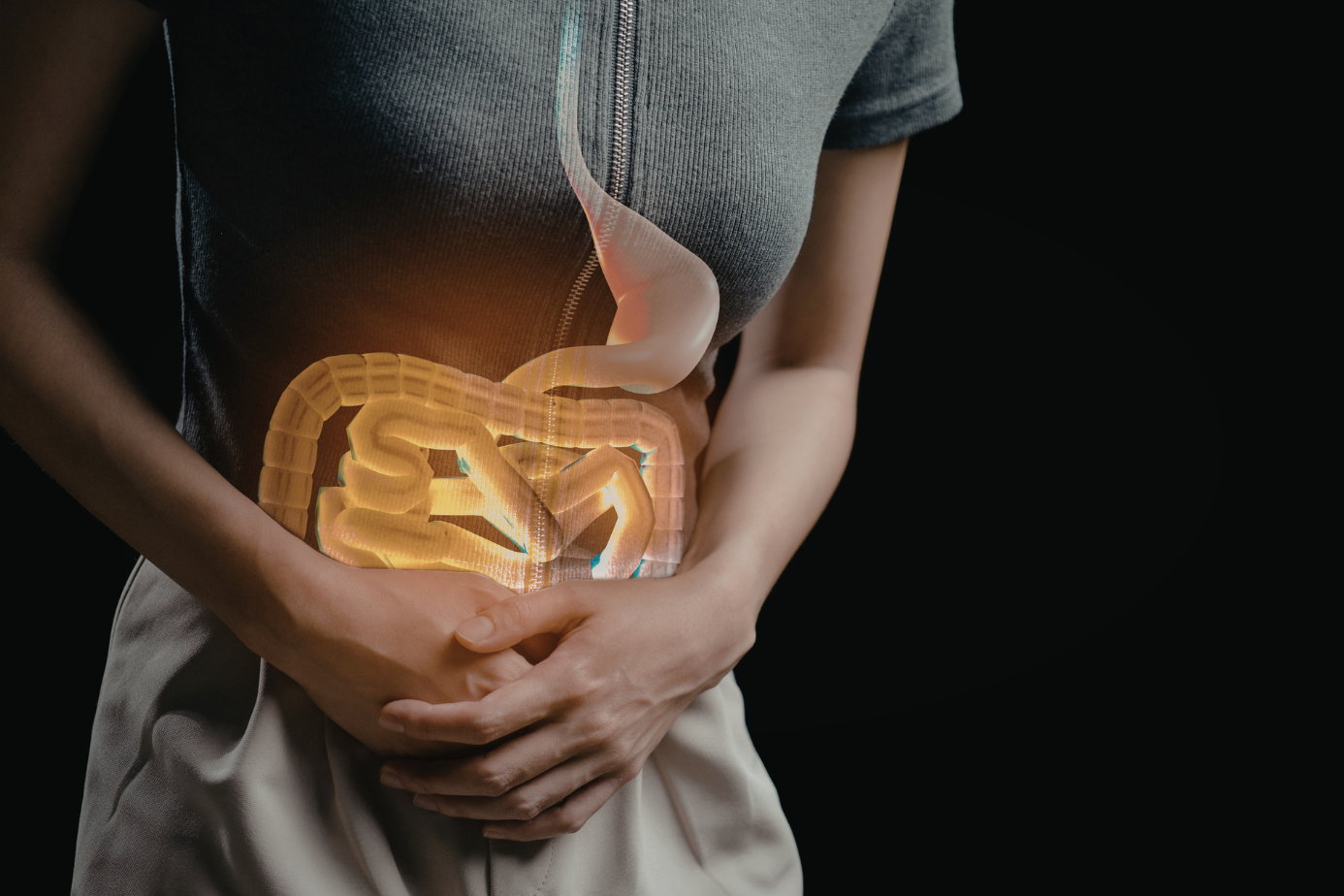
The gut is like a busy highway. Food moves along, microbes break it down, and waste gets cleared. If you constantly eat, the highway gets clogged. Intermittent fasting and digestion allows breaks in this traffic, giving the gut time to clean itself. This self-cleaning process reduces bloating, supports smoother bowel movements, and lowers the risk of indigestion.
Many people also report that their stomach feels lighter when they try intermittent fasting for health. This happens because the migrating motor complex, a natural cleaning wave in the intestines, works best when the gut is empty.
How Diet And Intermittent Fasting Affect Gut Health?

Food and meal timing shape the gut more than we realize. Every bite you eat feeds not only your body but also your microbes. Skipping meals for specific hours changes their feeding cycles, which can either help or harm them.
The Role Of The Gut Microbiome In Digestion
The gut microbiome is a collection of trillions of microorganisms. These bacteria, fungi, and viruses play a huge role in breaking down food, absorbing nutrients, and training the immune system.
They also produce short-chain fatty acids (SCFAs) like acetate, propionate, and butyrate. SCFAs strengthen the gut lining, lower inflammation, and even talk to the brain through the gut-brain axis. When the microbiome is balanced, digestion feels smooth. When disturbed, dysbiosis can cause bloating, diarrhea, or constipation.
Intermittent Fasting And Gut Bacteria Balance
Intermittent fasting gut bacteria studies show that fasting changes the type and number of microbes present. Some helpful bacteria grow during fasting, while harmful ones may reduce. This leads to better microbiota balance.
People who follow fasting windows often see increased gut bacteria diversity, which is linked to stronger immunity and better metabolism. Combined with fiber-rich meals, fasting becomes a tool for microbiome restoration.
Benefits Of Intermittent Fasting On Gut Health
Does Intermittent Fasting Help Gut Health?
So, does intermittent fasting help gut health? Yes, studies show that fasting can reduce inflammation, improve bacterial balance, and promote gut healing. However, the benefits depend on diet quality, hydration, and individual health.
Does intermittent fasting help gut health for everyone? Not always. People with certain conditions may react differently. But for many, fasting provides a reset for digestion and microbial harmony.
Finally, does intermittent fasting help gut health long term? Research is ongoing, but results so far are promising when paired with healthy food habits.
Improved Digestion And Reduced Bloating
One major benefit of intermittent fasting and digestion is reduced bloating. Longer breaks between meals allow gas to pass more easily. This helps with smoother digestion. People often report less heaviness after meals once they adopt fasting.
Supporting Healthy Gut Bacteria
When paired with a plant-rich diet, fasting supports bacteria that produce SCFAs. These compounds feed the gut lining, protect against leaky gut, and help with digestive system reset. Fermented foods such as yogurt or kimchi act as probiotic foods during fasting windows, further boosting gut health.
Potential Impact On Irritable Bowel And Inflammation
For those with IBS, results vary. Some experience relief from cramps and bloating during fasting. Others may find fasting difficult. Still, studies suggest fasting may reduce fasting and inflammation markers in the gut. This could benefit people with autoimmune gut issues.
How Intermittent Fasting Remodels The Gut Microbiota
Fasting Cycles And Microbial Diversity
Cycles of eating and fasting create new conditions for bacteria. Some microbes thrive on fasting periods, increasing diversity. Greater gut bacteria diversity means stronger digestion, better immune defense, and balanced weight.
Resetting Circadian Rhythms In The Gut
The gut follows its own clock. Meal timing helps align this clock. Disrupted eating patterns can confuse microbes. Aligning meals with daylight supports circadian rhythm and gut microbiome health. This improves sleep, digestion, and energy.
The Bottom Line On Intermittent Fasting And Gut Health
Who Should Try Intermittent Fasting?
People looking to support intermittent fasting gut health can start if they are healthy adults. Those who want weight control, reduced bloating, or better digestion may benefit most. But children, pregnant women, or those with chronic illnesses should not fast without medical guidance.
Precautions Before Starting Intermittent Fasting
Fasting is not safe for everyone. People with diabetes, low blood pressure, eating disorders, or gut disease should seek medical advice. Always start with shorter fasts. Watch for dizziness, fatigue, or pain.
Long-Term Outlook For Intermittent Fasting And Digestion
Research on intermittent fasting and gut health is still growing. Long-term studies suggest fasting can help reduce obesity, improve microbiome composition, and lower inflammation. However, lasting results depend on overall diet, sleep, and lifestyle.
How Intermittent Fasting Might Work – Simple Mechanisms
Fasting impacts the body in multiple ways.
- It promotes autophagy and gut repair, where cells clean themselves.
- It supports microbiome restoration by increasing helpful microbes.
- It influences the gut-brain axis, improving mood and focus.
- It changes food / nutrition breakdown by bacteria, leading to better digestion.
Together, these mechanisms explain why fasting may lead to lasting health benefits.
Practical Steps To Try Intermittent Fasting Safely
- Begin with a 12-hour fast and increase gradually.
- Focus on fiber-rich meals with legumes, vegetables, and whole grains.
- Drink water, herbal teas, or black coffee during fasting hours.
- Avoid sugary drinks and processed snacks.
- Support microbes with prebiotics and gut flora such as garlic, bananas, or oats.
Tracking bowel health and energy levels is key. If symptoms like constipation, extreme fatigue, or sharp pain appear, stop fasting and consult a doctor.
FAQs
Does intermittent fasting improve the gut microbiome?
Yes. Intermittent fasting changes bacterial balance, improves diversity, and reduces inflammation. Combined with healthy meals, it supports stronger gut lining and digestion. Research shows promising results in both animals and humans.
How many hours of fasting to heal a gut?
Healing is not about exact hours. Most people start with 12 to 16 hours. Gut repair also requires fiber, probiotics, hydration, and enough sleep for effective recovery.
Can you clean your gut by fasting?
Fasting helps natural gut cleaning through the migrating motor complex. It clears waste, prevents bacterial overgrowth, and supports smoother bowel function. It is not a substitute for medical treatment.
What is the fastest way to heal gut microbiome?
A mix of intermittent fasting, fiber-rich foods, fermented products, enough sleep, and reduced stress helps restore the microbiome. No single shortcut works, but lifestyle changes together bring strong results.
Does intermittent fasting affect bowel movements?
Yes. Intermittent fasting may reduce frequency at first, then normalize bowel movements. Results depend on hydration, fiber intake, and meal quality. Temporary constipation or looseness may occur in some individuals.
Is fasting good for IBS?
Fasting may calm gut motility and reduce bloating for some people with IBS. Others may feel worse. Results vary. Always consult a doctor before trying fasting for irritable bowel syndrome.
Can intermittent fasting cause digestive problems?
In some cases, fasting leads to constipation, gas, or cramps. This often improves once the body adapts. If discomfort persists, stop fasting and seek medical advice for safer options.
About The Author

Medically reviewed by Dr. Nivedita Pandey, MD, DM (Gastroenterology)
Dr. Nivedita Pandey is a U.S.-trained gastroenterologist and hepatologist with extensive experience in diagnosing and treating liver diseases and gastrointestinal disorders. She specializes in liver enzyme abnormalities, fatty liver disease, hepatitis, cirrhosis, and digestive health.
All content is reviewed for medical accuracy and aligned with current clinical guidelines.