What Are Ultra-Processed Foods?
Ultra processed foods are products that go far beyond simple cooking. You wouldn’t find the ingredients used to make them in a typical kitchen. These consist of industrial additives such as artificial colors, flavors, sweeteners, and preservatives.
If you’re wondering what is ultra processed food, think about things like:
- Soft drinks
- Packaged cookies
- Instant noodles
- Flavored chips
- Sugary breakfast cereals
In other words, what foods are considered ultra processed are often the ones that have been heavily modified for taste, shelf life, or convenience. These are different from simple processed foods like frozen vegetables or canned beans.
The difference lies in the level of alteration and the number of added chemicals.
What is a Gut Microbiome?
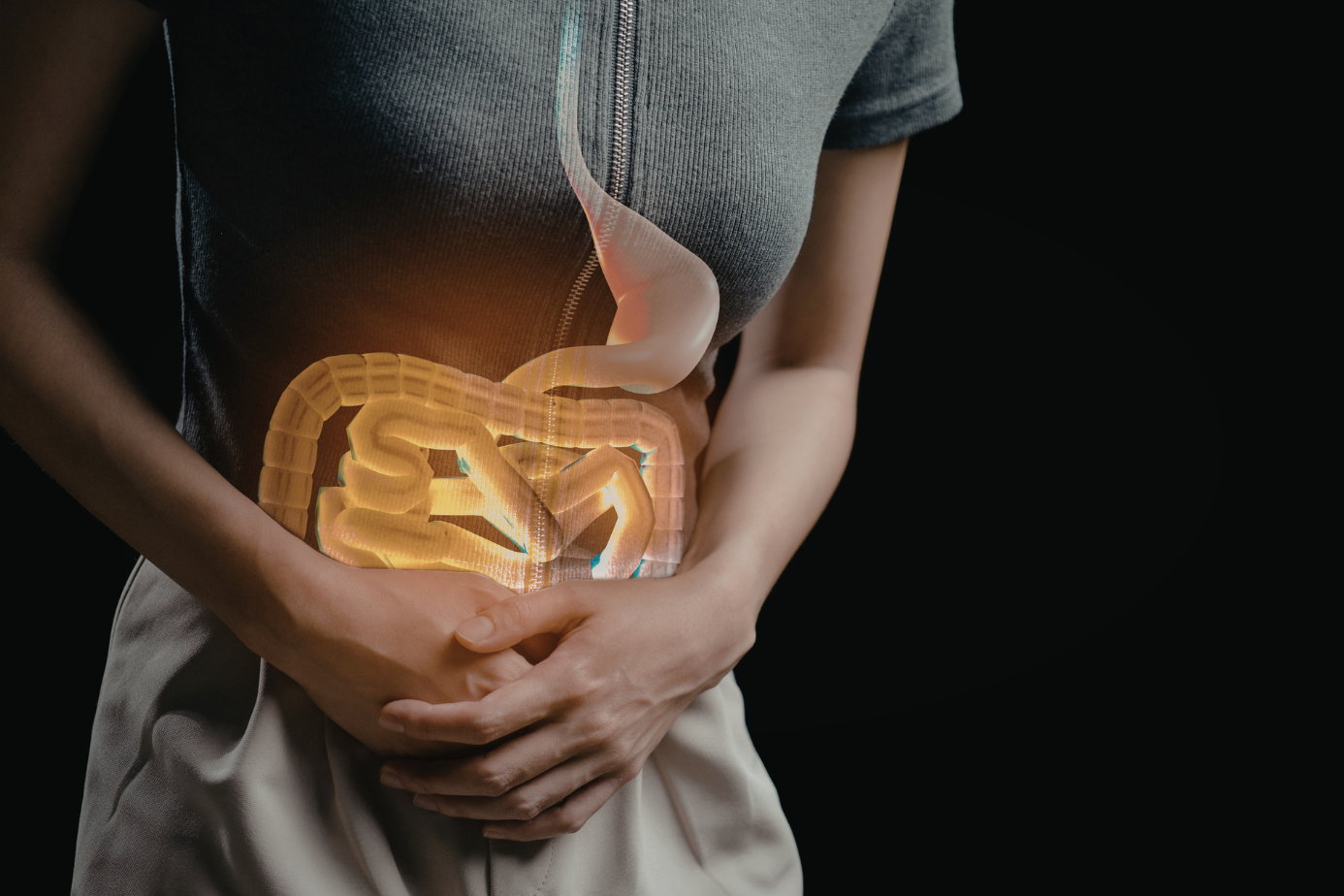
Trillions of bacteria, fungus, and other microorganisms make up your gut microbiome, which primarily resides in your intestines. If you’re asking, what is a microbiome or what is gut microbiome, it’s basically the ecosystem of helpful and harmful organisms inside your gut.
When this ecosystem is balanced, it supports digestion, strengthens your immune system, and even helps control weight. But when it gets out of balance, something called microbiota imbalance, your health can take a serious hit.
The Gut Microbiome and Why It Matters
The human microbiome is more than just a passive passenger in your body. It:
- Helps break down food and absorb nutrients
- Produces vitamins like B12 and K
- Trains your immune system to fight off infections
- Keeps harmful bacteria in check
- Communicates with your brain through the gut-brain axis
A healthy microbiome acts like a protective shield. But how processed foods affect microbiomes can be damaging enough to weaken that shield, leading to problems that go far beyond stomach discomfort.
How Ultra-Processed Foods Harm Your Gut Microbiome
High Levels of Sugar and Artificial Sweeteners
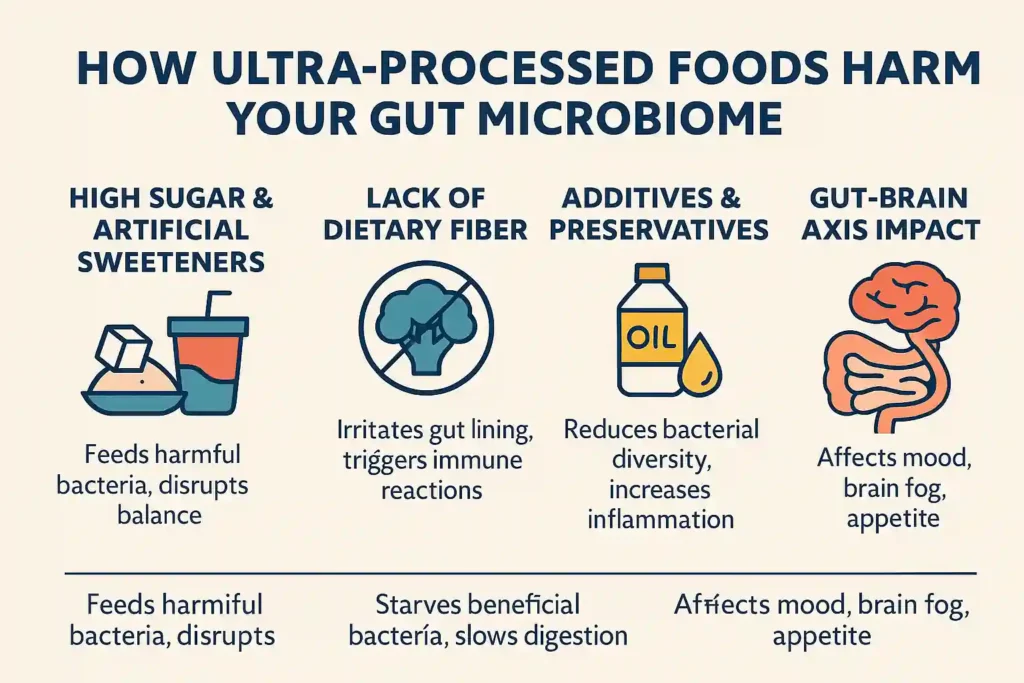
Many ultra processed foods examples contain excessive sugar or artificial sweeteners. These can nourish harmful bacteria, which can lead to the displacement of beneficial bacteria. This shift in balance can trigger chronic inflammation and weaken your immune system. High sugar also encourages yeast overgrowth, which further disrupts gut health.
Lack of Dietary Fibre
Most processed foods examples are stripped of natural fiber. If you’ve wondered, “Why is fiber removed from processed food?”, the answer is that fiber can shorten shelf life and change texture, making products less appealing to mass markets.
Without fiber, gut bacteria lose their main fuel source, which leads to beneficial bacteria loss. Over time, this results in poor digestion, constipation, and weaker gut lining.
Additives and Preservatives
Color enhancers, flavor boosters, and preservatives may keep food looking fresh, but they can irritate your gut lining and trigger immune reactions. In the battle of prebiotics vs processed foods, additives tip the scale in favor of harmful microbes, making it harder for your gut to repair itself.
Trans Fats and Highly Processed Oils
Many snack foods are made with cheap, refined oils and trans fats. A high-fat high-sugar diet can harm the diversity of gut bacteria, creating an environment that favors harmful species. These unhealthy fats also make your body more prone to inflammation, which can damage the gut wall.
Impact on Gut-Brain Axis
The gut is often called the “second brain” because it’s linked to mood and mental health. When ultra processed food disrupts your microbiome, it can also disturb the gut-brain connection. This may lead to anxiety, brain fog, and even changes in appetite.
Signs Your Gut Microbiome May Be Out of Balance
If you’re curious about how to fix gut microbiome, the first step is knowing when something’s wrong. Watch for these warning signs:
- Frequent bloating or gas
- Unexplained fatigue
- Food intolerances
- Skin issues like eczema
- Mood swings or low mood
- Poor concentration
These can signal that your microbiome has shifted in the wrong direction.
How to Reduce the Damage
Increase Intake of Whole Foods
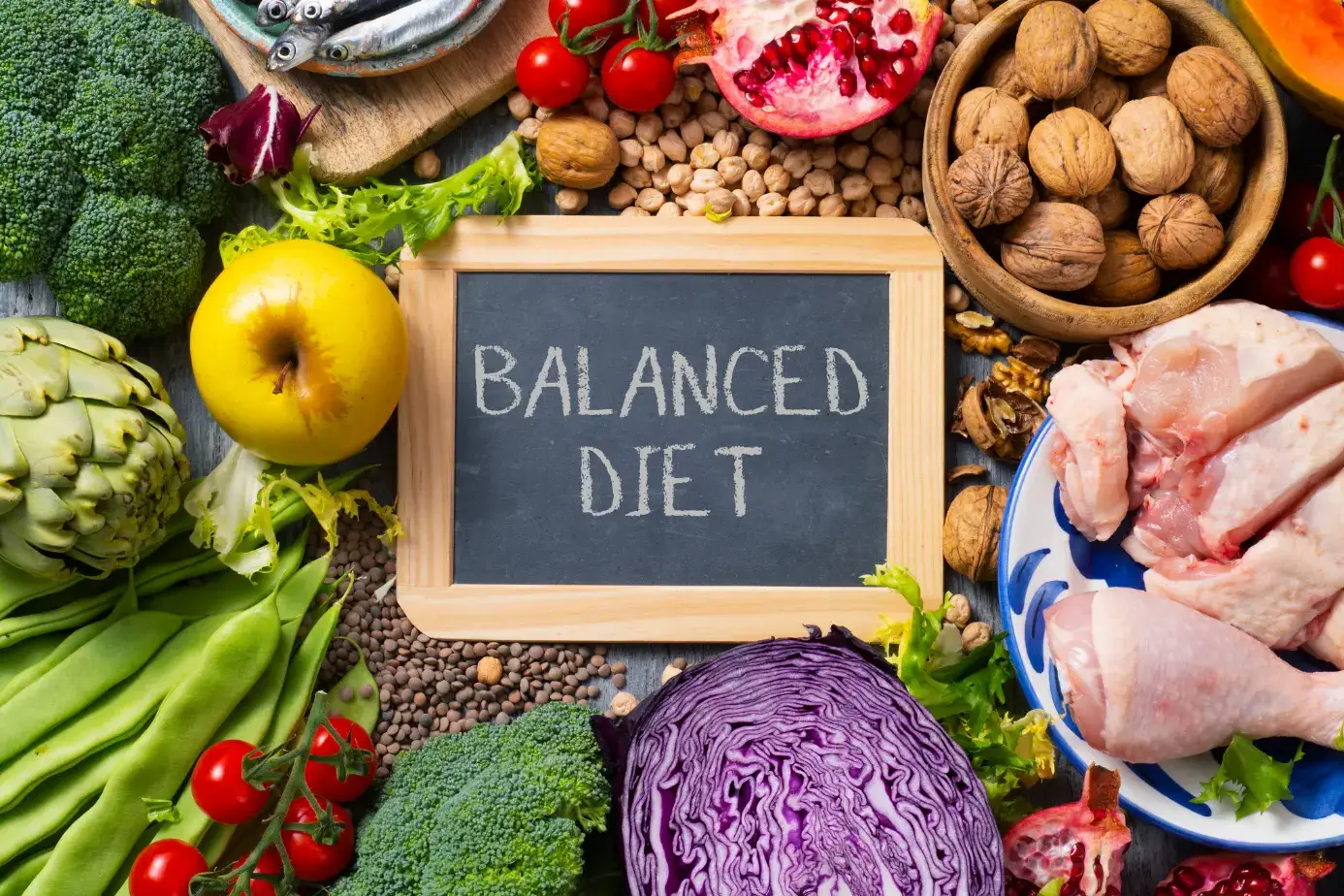
If you want to protect your human microbiome, start filling your plate with whole foods for gut repair like fresh fruits, vegetables, whole grains, legumes, nuts, and seeds. These foods are naturally rich in fiber, which feeds good gut bacteria and supports better digestion.
Unlike most processed foods examples, whole foods give your microbes real fuel to thrive, helping restore balance and reduce microbiota imbalance caused by ultra processed foods.
Include Fermented Foods
Fermented foods like yogurt, kefir, kimchi, sauerkraut, and miso are natural sources of probiotics. They help replace beneficial bacteria loss caused by how processed foods affect microbiome over time.
Adding a small portion daily can improve digestion, strengthen immunity, and support the gut microbiome. These foods work best when combined with high-fiber meals, giving your healthy microbes a stable environment to grow.
Cut Back on UPFs Gradually
If you’ve been eating ultra processed foods daily, don’t quit cold turkey. Reduce them step by step to avoid cravings and fatigue. Replace water with soda, full grain pasta with quick noodles, and packaged snacks with fresh fruit.
Gradual changes give your human microbiome time to adapt and recover, making it easier to fix gut microbiomes without feeling deprived.
Stay Hydrated
Water is essential for moving nutrients and waste through the digestive system. Staying hydrated supports gut lining health and reduces irritation from artificial sweeteners, additives, and excess salt in what are ultra processed foods. Aim for 8–10 cups daily, more if you’re active, to help your human microbiome stay in balance.
Consider Prebiotic Supplements
If you’re low on dietary fiber, prebiotic supplements can help feed healthy bacteria in your gut. This is the other side of prebiotics vs processed foods — prebiotics fuel growth, while ultra processed food often starves it. Look for supplements containing inulin, fructooligosaccharides (FOS), or resistant starch to support the human microbiome naturally.
Get Professional Guidance
Consult a nutritionist or gastroenterologist if you experience persistent stomach symptoms, such as bloating, ir regular stools, skin issues, or mood fluctuations. They can test for microbiota imbalance, explain how processed foods affect microbiome in your case, and give a personalized ultra processed food definition in terms of your diet. Professional help ensures you follow the safest, most effective path to how to fix gut microbiome.
The Bottom Line
The ultra processed food definition is simple, foods that are more lab-made than farm-grown. But their effect on your microbiome is anything but simple. Too much of them can mean microbiota imbalance, loss of good bacteria, and even mental health effects.
Eating more whole and fermented foods is the most effective answer to how to fix gut microbiomes. Small daily choices, like swapping soda for water or chips for nuts can protect your gut in the long run.
Frequently Asked Questions
How does processed food affect the microbiome?
Processed foods examples often lack fiber and contain additives that feed harmful bacteria. Over time, this reduces diversity, triggers chronic inflammation, and disrupts your human microbiome.
How does food affect our microbiome?
Every bite you eat feeds certain microbes. Whole, fiber-rich foods boost good bacteria, while ultra processed foods promote harmful ones and can weaken the human microbiome.
What happens when processed foods low in fiber affect gut bacteria?
Low-fiber ultra processed food starves beneficial bacteria, leading to beneficial bacteria loss and slower digestion. Over time, this creates a microbiota imbalance that harms your overall health.
What happens to your body when you eat processed foods?
Frequent intake of what foods are considered ultra processed can cause bloating, poor digestion, weight gain, and reduced immunity due to how processed foods affect microbiome.
Why is fiber removed from processed food?
In many processed foods examples, fiber is removed to improve texture, taste, and shelf life. Unfortunately, this also removes key nutrients your human microbiome needs.
What happens if we don’t eat enough fiber to feed gut microbes?
Without fiber, beneficial bacteria starve, causing microbiota imbalance. This leads to slower digestion, lower nutrient absorption, and higher risk of chronic inflammation.
Can processed foods cause gut inflammation?
Yes. Ultra processed foods often contain sugar, additives, and trans fats that irritate the gut lining, reduce healthy microbes, and trigger long-term chronic inflammation.
How does sugar in processed foods affect gut health?
Sugar in ultra processed foods feeds harmful bacteria and yeast. This crowds out healthy microbes, disrupts balance, and weakens the human microbiome.
About The Author

Medically reviewed by Dr. Nivedita Pandey, MD, DM (Gastroenterology)
Dr. Nivedita Pandey is a U.S.-trained gastroenterologist and hepatologist with extensive experience in diagnosing and treating liver diseases and gastrointestinal disorders. She specializes in liver enzyme abnormalities, fatty liver disease, hepatitis, cirrhosis, and digestive health.
All content is reviewed for medical accuracy and aligned with current clinical guidelines.