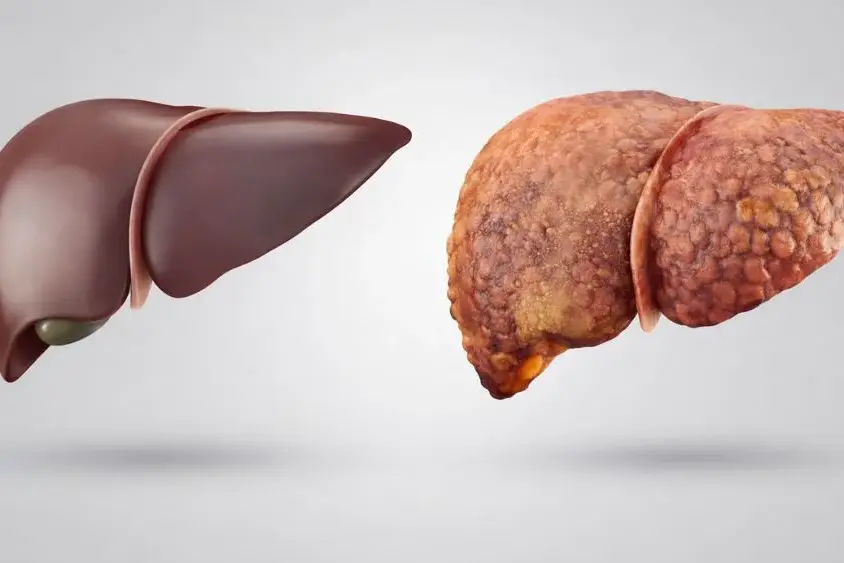
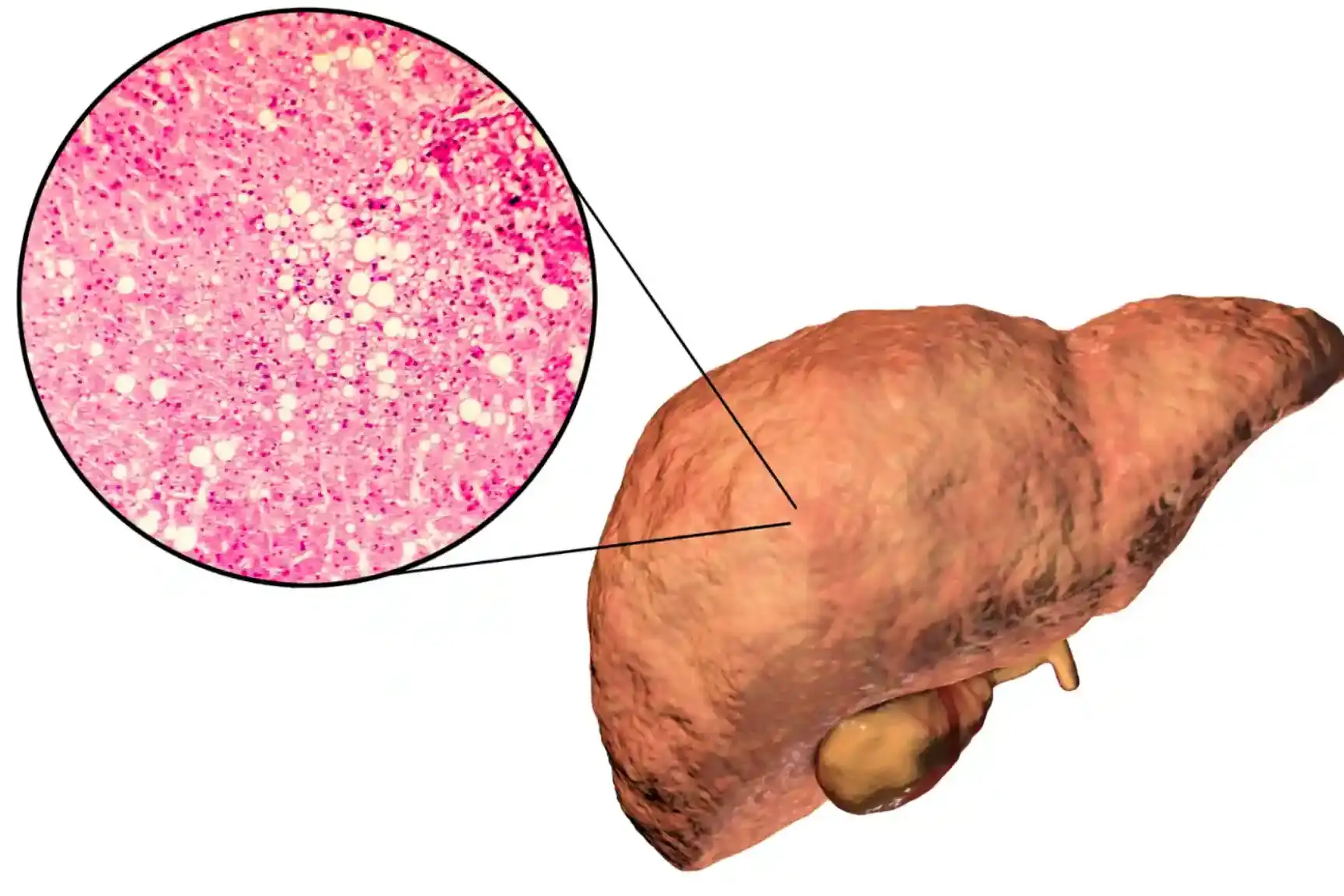
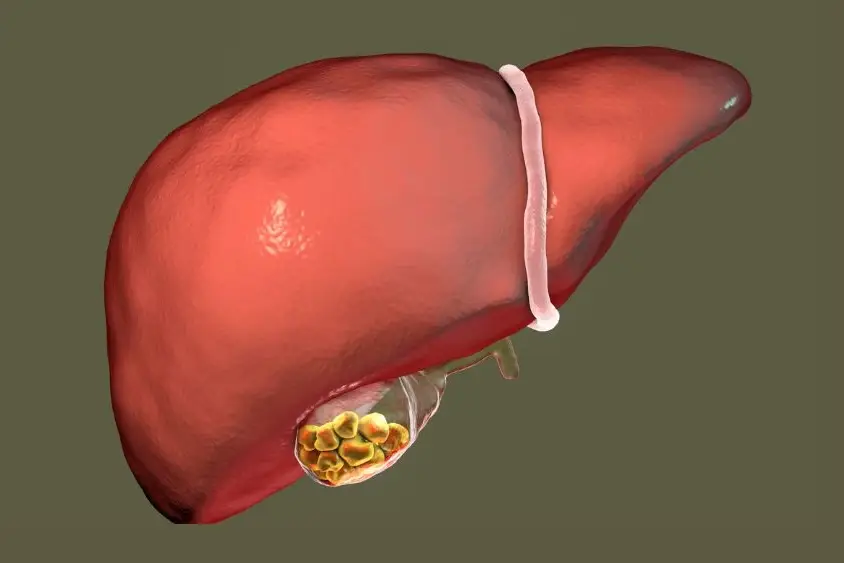
A gallbladder diet is not only about avoiding fried food or cutting down on oil. It is a complete eating pattern that supports bile flow, protects digestion, and prevents stones. Since the gallbladder stores bile which helps digest fat, what you eat has a direct effect on its health.
Understanding which foods ease digestion and which foods strain it can protect you from pain, inflammation, and surgery.
Gallbladder-Friendly Foods


The safest rule is simple. Choose low-fat meals that are high in fiber. These choices reduce strain on bile flow and prevent gallstones. A steady supply of gallbladder friendly foods such as vegetables, fruits, whole grains, beans, and lean proteins is essential. A balanced plan allows the gallbladder to release bile without getting overloaded.
Eating smaller meals throughout the day is more advantageous than omitting meals. Long fasting periods cause bile to stay in the gallbladder, which may lead to stone formation. Let us look at specific foods and diets that support gallbladder health.
Best Diet For Gallbladder Health: Mediterranean And DASH Diets
The best diet for gallbladder health is often one that is balanced, plant-forward, and low in saturated fat. Two eating patterns are proven to reduce gallstone risk: the Mediterranean diet and the DASH diet.
Both options are abundant in vegetables, fruits, beans, and whole grains. They focus on healthy fats like olive oil instead of butter. They also include lean proteins, fish, and nuts. These diets keep bile thin and flowing.
For example, people following the Mediterranean diet may eat grilled salmon with quinoa, a drizzle of olive oil, and a side of roasted vegetables. This meal is rich in omega-3s and fiber but very light in saturated fat. That balance protects the gallbladder.
Vegetables, Fruits, And Whole Grains For A Healthy Gallbladder
Vegetables and fruits are essential components of a safe gallbladder diet. Bright-colored produce supplies antioxidants that reduce inflammation (cholecystitis, cholangitis) inside bile ducts. Whole grains and gallbladder health are closely linked because whole grains improve digestion and reduce cholesterol buildup in bile.
Examples of helpful vegetables include spinach, carrots, broccoli, and pumpkin. Fruits like pears, apples, berries, and citrus support digestion. Whole grains (brown rice, oats, quinoa, etc.) work as fiber-rich foods for digestion. Oats with berries for breakfast or brown rice with lentils for dinner can reduce gallstone risk.
Healthy Fats And Gallbladder-Friendly Oils
Many people with gallbladder problems assume they must cut fat completely. This is not true. The gallbladder needs some fat to empty bile. The focus should be on healthy fats (olive oil, omega-3, etc.).
Moderate amounts of olive oil, flaxseed oil, or fatty fish supply omega-3s that help maintain thin bile. Avoid butter, ghee, or lard which are harder to digest. Too much saturated fat leads to stones.
Cooking with one teaspoon of olive oil instead of deep-frying foods is a simple adjustment. Adding chia seeds or walnuts as snacks gives healthy fats without stressing digestion.
Plant-Based Protein And Gallbladder Health
Protein supports repair and recovery. But the type of protein matters. Large amounts of red meat can trigger stones. Safer options include plant-based diet for gallbladder support with beans, lentils, tofu, and legumes.
These reduce cholesterol in bile and supply fiber. If you eat meat, select lean proteins (chicken, fish, turkey) and cook them grilled, steamed, or baked.
A chickpea salad dressed with olive oil and lemon or baked salmon served with quinoa is both light and beneficial.
Coffee And Its Role In Gallbladder Health
Regular coffee drinkers may have a lower risk of Gallstones. Research suggests that caffeine can stimulate gallbladder contractions, preventing bile from becoming stagnant. One to two cups daily may aid gallbladder function. However, excess coffee may irritate the stomach in sensitive individuals. Always balance coffee with water intake.
Alcohol And Gallbladder Health: Drink In Moderation
Alcohol can affect both the liver and gallbladder. Small amounts may not harm, but heavy drinking raises the risk of gallbladder disease. For those with stones or after Gallbladder surgery / removal, it is best to avoid alcohol altogether. If you drink, limit it to small servings and only occasionally.
Regular And Frequent Mealtimes For Gallbladder Function
The timing of meals is just as important as the food itself. Skipping meals leads to concentrated bile that may form stones. Eating three balanced meals with small snacks supports healthy bile flow. A pattern of breakfast at 8 am, lunch at 1 pm, and dinner at 7 pm helps prevent bile stasis.
Foods To Avoid For Gallbladder Problems
Understanding foods to avoid gallbladder problems is key. The most dangerous group is fried and fatty foods. Burgers, French fries, deep-fried snacks, and creamy desserts overload the gallbladder and may cause sharp pain known as biliary colic.
Other foods that trigger gallbladder attacks include red meats with high fat, processed meats like sausages, and baked goods with butter. Dairy and gallbladder issues are also linked. Whole milk, cream, cheese, and ice cream can worsen pain. Replace with low-fat dairy when tolerated.
Sugary drinks, cakes, and chocolates add fat and sugar that stress bile production. Alcohol and very spicy meals can trigger attacks in some people. Each person may react differently, so it is important to watch symptoms and eliminate personal triggers.
Gallbladder Diet After Surgery And Recovery
After gallbladder surgery, the body lacks a storage pouch for bile. Instead, bile flows directly into the intestine. This can cause diarrhea, bloating, or cramps in the first weeks. To recover, begin with bland, soft, low-fat meals. Slowly increase fiber and fat in small amounts. Avoid greasy foods during the first month.
A gentle recovery meal may be steamed rice, boiled carrots, and baked chicken breast. After two weeks, you can introduce more variety like whole wheat bread, yogurt, and grilled fish. Most people adapt in four to six weeks. A long-term plan should remain low in fatty foods to prevent digestive upset.
Causes Of Gallbladder Problems

Gallbladder disease develops when bile chemistry changes. Too much cholesterol or too little bile salts cause crystals to form. These crystals harden into stones. Risk factors include obesity, diabetes, rapid weight loss, and high-fat diets. Estrogen (pregnancy, HRT, birth control) also increases risk by slowing gallbladder emptying.
Family history matters. Women are more likely to develop stones than men. Sedentary lifestyle and poor diet add to risk. When stones block the bile ducts, severe inflammation (cholecystitis, cholangitis) may occur. In such cases, surgery is often needed.
Gallbladder Diet FAQs
What Foods Are Good For Gallbladder Pain And Inflammation?
Soft, low-fat foods like boiled vegetables, oatmeal, banana, or grilled fish reduce pain. Warm herbal teas and small portions of whole grains help during active inflammation.
What Foods Do You Avoid When You Don’t Have A Gallbladder?
Limit greasy food, large fried meals, butter, and fatty desserts. Avoid excessive dairy and high sugar drinks. Eat small balanced meals with vegetables, lean protein, and whole grains.
Gallbladder Cleanse Foods And Natural Detox Options
There is no proven quick cleanse. Natural support comes from high-fiber fruits, vegetables, and legumes. Hydration, regular meals, and exercise act as long-term detox for gallbladder function.
Meal Plan For Gallbladder Issues And Healthy Gallbladder Recipes
Breakfast: oats with banana. Lunch: grilled salmon with quinoa. Snack: almonds. Dinner: brown rice with steamed spinach. These healthy gallbladder recipes balance fiber, lean protein, and low fat cooking.
The Bottom Line
A gallbladder diet is not restrictive; it is protective. Choosing gallbladder friendly foods such as fruits, vegetables, beans, and whole grains keeps bile healthy. The best diet for gallbladder health includes Mediterranean or DASH patterns. Avoiding heavy fat, fried items, and processed sugar lowers attacks.
Regular meals, light cooking methods, and healthy gallbladder recipes help prevent gallstones and ease recovery after surgery. Protecting your gallbladder through smart food choices means better digestion, fewer emergencies, and a stronger future.
Quick FAQ
What foods are bad for your gallbladder?
Fried meals, processed meats, whole milk, butter, creamy desserts, and high sugar snacks raise risk and worsen pain.
What to eat with gallstones when pregnant?
Eat small low-fat meals with vegetables, fruits, whole grains, and lean protein. Avoid fried food. Speak with your doctor about safe diet adjustments during pregnancy.
Which fruit reduces gallstones?
No fruit dissolves stones. However apples, pears, and citrus fruits are high in fiber and may help reduce risk of new gallstone formation.
Can I take fish oil if I have gallstones?
Fish oil is rich in omega-3 fats that may support heart health. Some people tolerate it well. Always ask your doctor before adding supplements with gallstones.
What are the first signs of a bad gallbladder?
Right upper belly pain, nausea, bloating, vomiting, fever, yellow skin or eyes, and digestive upset after fatty meals are signs that need urgent attention.
What not to drink with gallbladder problems?
Avoid alcohol, sugary sodas, milkshakes, and full-fat dairy drinks. These beverages overload bile flow and can increase discomfort after meals.
Does an empty stomach affect the gallbladder?
Yes, skipping meals leaves bile sitting in the gallbladder for long periods. This can increase stone risk. Eating regular balanced meals prevents this build up.
About The Author

Medically reviewed by Dr. Nivedita Pandey, MD, DM (Gastroenterology)
Dr. Nivedita Pandey is a U.S.-trained gastroenterologist and hepatologist with extensive experience in diagnosing and treating liver diseases and gastrointestinal disorders. She specializes in liver enzyme abnormalities, fatty liver disease, hepatitis, cirrhosis, and digestive health.
All content is reviewed for medical accuracy and aligned with current clinical guidelines.