Stress does not usually cause true appendicitis. Appendicitis mainly develops when the appendix gets blocked by stool, swelling, or infection. Stress can still affect your gut and nerves, and those changes can produce strong cramps that feel similar to appendicitis.
Stress can also intensify pain if the appendix is already irritated. Because the symptoms overlap, it can be difficult to know which one you are facing. Knowing how the pain begins, how it moves, and what other signs appear helps you separate stress pain from a real appendix problem.
Stress And Appendicitis Connection
You may feel a tight belly when you are stressed. This feeling can be real and sharp. It comes from the brain and gut talking to each other. Stress ramps up hormones like cortisol and adrenaline. These hormones change gut movement and sensitize nerves. That can lead to cramps, gas, bloating, and pain.
Many conditions, like irritable bowel, react to stress. Yet most research does not show a direct cause between stress and true appendicitis. Chronic stress can raise inflammation markers. That may make the gut more reactive. But the usual cause of appendicitis is a physical blockage inside the appendix.
How stress acts on the gut
- Stress alters how food moves through the gut.
- Stress can change gut bacteria.
- Stress affects the immune system.
These effects can create symptoms that look like appendicitis. They do not equal a blocked appendix by themselves.
How Stress Affects Digestive Inflammation
When you stay stressed, your body keeps releasing stress hormones. These hormones can increase gut inflammation. The gut lining may become more leaky. White blood cell signals can shift. You may notice more cramps and bellyaches. These changes can raise pain sensitivity.
If you already have a mild infection or blockage, stress might make the problem feel worse. Still, stress alone rarely creates the blocked, infected appendix seen in classic appendicitis.
Immune Changes Linked To Appendicitis Risk
Appendicitis often follows obstruction by stool, swollen lymph tissue, or other blockages. When the lumen blocks, bacteria can multiply. The immune system then responds with inflammation.
Long-term stress can alter immune responses. That could, in theory, influence how infections behave. But the link remains theoretical. Most clinical sources list obstruction as the main cause. You should treat stress as a factor that may change symptoms, not as the root cause.
Stress-Related Abdominal Tension And Pain
When you worry, your abdominal muscles tense. You may feel sharp, cramp-like pain. This pain can sit near your belly button or the right lower belly. It can mimic early appendicitis. Stress pain often changes with breathing, movement, or calming exercises. If pain eases when you relax, stress likely plays a big role.
Chronic Stress And Organ Sensitivity
Chronic stress can make organs feel pain more easily. You may sense minor gut signals as strong pain. This oversensitivity can last days or weeks. That state makes it harder to tell stress pain from a real surgical problem without tests.
Causes Of Appendicitis Vs Stress
You need to know the main differences. One is mechanical. The other is functional.
Causes Of Appendicitis Vs Stress Mechanisms
Appendicitis cause: Most cases start when the appendix opening blocks. Blockage can come from hard stool (a fecalith), swollen lymph tissue, or rarely a foreign object or tumor. Once blocked, bacteria grow and cause inflammation. This process leads to steady and worsening pain.
Stress mechanism: Stress affects nerves, hormones, and gut movement. It can cause cramping, bloating, and diarrhea. It can change gut bacteria. Stress does not directly plug the appendix.
Infection And Blockage Vs Stress-Induced Cramping
In appendicitis, the pain becomes constant and worse over time. You may develop fever and a rise in white blood cell count. Stress-induced cramping often comes and goes. It may improve with rest, heat, or relaxation. Blood tests in stress pain usually look normal.
Bacterial Overgrowth Vs Anxious Gut Patterns
Stress can shift gut bacteria and allow overgrowth of some species. That can cause gas, worsening pain, and bloating. This pattern can overlap with infections but tends to be diffuse. Appendicitis pain is more focal and progressive.
How Stress Pain Can Resemble Infection Pain
Stress pain can start near the belly button and move. It can cause nausea and sweating. These features match early appendicitis signs. The key difference is how symptoms change over time. Appendicitis often localizes to the right lower belly and stays steady. Stress pain often changes with your mental state or after passing gas.
Can Stress Worsen Appendicitis Symptoms?
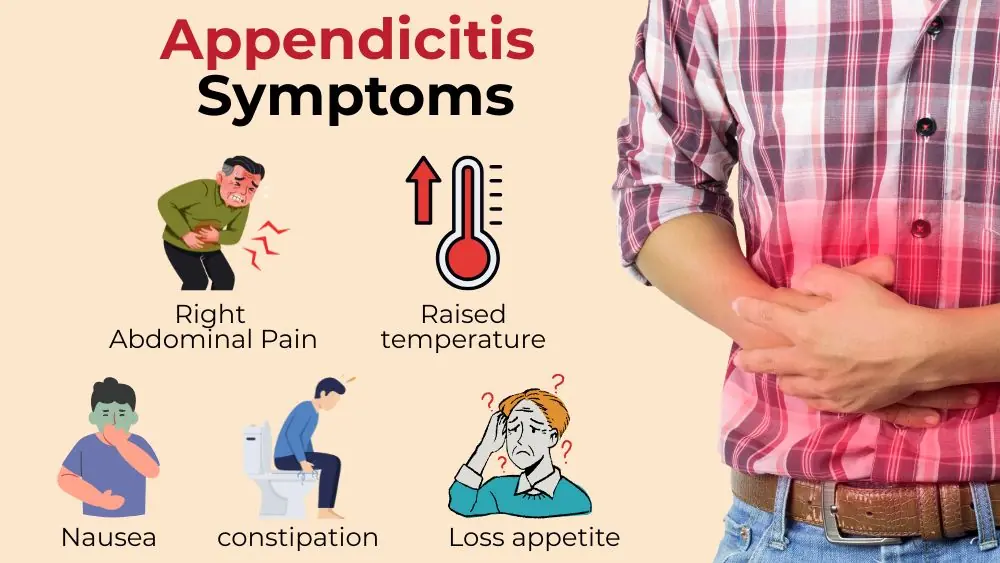
You must assume stress can increase the pain you feel. Stress does not replace medical care.
If you already have appendicitis, stress will likely raise your pain levels. Your brain amplifies pain signals under stress. You may feel more intense pain than another person with the same condition. Stress may also slow some immune responses. That could change how quickly you recover, but evidence is limited.
Elevated Cortisol Increasing Pain Perception
High cortisol and adrenaline change nerve wiring for pain. You become more sensitive. Small movements or coughs can feel worse. This effect can push you to seek care faster, or it can make you panic and avoid care. Both paths can be risky.
Stress Effects On Nausea, Appetite, And Cramps
Under stress, you may lose appetite. You may feel nauseous even without infection. You may get cramping that looks like early appendicitis. These symptoms alone do not prove appendicitis.
Anxiety-Worsening Lower-Right Abdominal Pain
Anxiety can make you focus on one area. That focus might magnify pain in the right lower belly. You may guard your muscles there. Guarding raises pain when a doctor presses the belly. Guarding from anxiety complicates the exam.
Stress Belly Pain Vs Appendicitis: Key Pain Differences
You may feel stress in your belly after a hard day. That feeling can mimic an emergency. Still, the two conditions behave differently.
Stress belly pain usually:
- Feels crampy or tight.
- Comes and goes.
- Improves if you breathe slowly or rest.
- Often links to bloating, gas, or loose stools.
Appendicitis pain usually:
- Begins near the belly button.
- Moves to the lower right abdomen.
- Becomes steady and sharp over hours.
- Worsens with movement, coughing, or sneezing.
If your pain eases after passing gas, it likely comes from the gut. If the pain centers and stays in the lower right, the cause may be the appendix. You must watch how the pain changes. That tells the doctor what to do next.
Stress Belly Pain Vs Appendicitis In Early Stages
Early appendicitis can be subtle. The first pain may feel like general belly ache. Stress belly pain often links to clear triggers. You may notice it after an exam, argument, or large caffeine drink. Early appendicitis starts without a clear emotional trigger. It grows worse even when you rest.
Gas, Bloating, And Intestinal Spasms From Stress
Stress can raise gut spasms. You can get loud bowel sounds and gas pains. These pains can move. They can feel sharp for minutes. They often lessen after a bowel movement. That pattern points to stress or functional gut problems.
How Appendicitis Pain Localizes Over Time
Appendicitis pain localizes to the lower right belly in many people within 6 to 24 hours. The pain then becomes constant. It gets worse with every step. This steady pattern is a key red flag.
Pressure, Movement, And Rebound Tenderness Signs
Doctors use simple tests. They press on the belly. They release quickly. If release hurts more, that is rebound tenderness. That sign suggests a true belly lining inflammation. Guarding and rebound point to appendicitis more than stress.
Stress Symptoms Of Appendicitis
You may confuse stress symptoms with early appendicitis signs. Here is why.
Stress Symptoms Of Appendicitis Confusion
Stress causes sweating, nausea, and a racing heart. These signs can match early appendicitis. The difference lies in the pattern. Stress symptoms often improve when you calm down. Appendicitis symptoms do not.
Nausea, Cramping, Sweating, And Anxiety Overlap
Both conditions can cause nausea. Both can cause cramping and sweating. Anxiety may make you more aware of small pain. If vomiting follows pain, suspect appendicitis. If food eases the pain, it is more likely a gut upset.
When Stress Mimics Early Appendicitis Signs
If you feel pain only in stressful moments, or the pain fades after breathing exercises, stress may be the cause. If pain grows worse across hours, appendicitis is more likely.
Differentiating Emotional Vs Infection Pain Triggers
Emotional pain links to events and improves with calm. Infection pain does not need a trigger. Infection pain grows even when you relax. Fever and lab changes favor infection over stress.
Diagnosis: Distinguishing Stress Pain From Appendicitis
A clear exam can separate the two. Doctors use history, physical exam, blood tests, and imaging.
Physical Exam Markers Of Appendicitis
Your doctor will look for:
- Point tenderness in the right lower belly.
- Rebound tenderness.
- Muscle guarding.
- Fever and rapid heart rate.
These signs raise the chance of appendicitis.
How Doctors Assess Stress-Related Pain
Doctors ask about sleep, anxiety, and recent stressors. They test if calm lowers your pain. They check bowel sounds and for tenderness in many spots. This helps spot functional pain.
Blood Tests And Inflammatory Markers
Blood testing shows white blood cell count and CRP. High values suggest inflammation or infection. Normal values do not rule out appendicitis. Serial tests help when the diagnosis is unclear.
Ultrasound And CT Imaging Accuracy
Ultrasound works well for children and pregnant people. CT scan best shows the appendix in adults. Imaging finds a swollen appendix, fluid, or an abscess. These findings confirm appendicitis. If imaging is normal and you still have clear signs, doctors will keep watching.
When Observation Is Required For Unclear Cases
If testing is mixed, doctors may observe you. They repeat exams and labs. They may repeat imaging. Many cases become clearer after a few hours.
Treatment For Stress Pain Vs Appendicitis
Treatment paths differ sharply. One needs urgent surgery often. The other needs stress care.
Appendicitis Treatment Steps And Surgery Types
If your appendix is inflamed, removal is common. Most cases use laparoscopic surgery. This method uses small cuts and a camera. Some cases need open surgery if the appendix ruptures. Doctors may give antibiotics before and after surgery. Quick surgery lowers the chance of a burst appendix and wider infection.
Managing Stress-Induced Abdominal Pain Safely
For stress pain, try:
- Deep breathing for five minutes.
- Applying warm heat to your belly.
- Drinking clear fluids slowly.
- Eating small bland meals.
- Practicing short relaxation breaks.
If anxiety drives symptoms, cognitive behavioral therapy or counseling can help. Medications for anxiety can also reduce gut symptoms if a doctor finds them needed.
Medications, Hydration, And Rest Recommendations
For stress belly pain, safe OTC remedies can calm cramps. Stay hydrated and rest. For suspected appendicitis, do not eat or drink much before surgery. Follow your doctor’s instructions closely.
Reducing Stress Flare-Ups That Mimic Appendicitis
Limit caffeine and nicotine. Keep regular meals and fiber. Sleep well and keep activity in your day. These habits lower gut spasms and reduce mimicry.
When To Seek Medical Help
Do not wait if you have warning signs. Quick care matters.
Red Flag Symptoms Of True Appendicitis
Seek immediate care if you have:
- Severe steady pain in the lower right belly.
- Fever over 38 degrees Celsius.
- Persistent vomiting.
- Inability to pass gas.
- Belly swelling.
These signs need emergency evaluation.
When Stress Pain Becomes Concerning
If your stress pain lasts many hours despite calm, see a doctor. If you cannot eat or drink, or you have worsening pain, seek care. Pain that limits walking or breathing is a warning.
Signs Of Appendix Rupture
A ruptured appendix causes sudden severe pain, high fever, and fast heartbeat. You may feel very ill. This is an emergency. Call emergency services right away.
Persistent Right-Lower-Abdomen Pain Signals
Any steady right-lower-belly pain that grows worse across hours should prompt urgent testing. Rapid diagnosis prevents complications.
Prevention: Reducing Stress And Appendicitis Risk
You can reduce both stress and some physical risks.
Stress-Management Habits To Prevent Abdominal Pain
Build daily habits:
- Sleep seven to nine hours.
- Exercise thirty minutes most days.
- Practice breathing for five minutes daily.
- Talk to someone you trust.
These habits lower stress and gut reactions.
Diet And Gut Health Practices
Eat fiber each day to prevent constipation. Stay hydrated. Avoid large fatty meals that can upset the gut. Good bowel habits may reduce the chance of stool causing appendix blockage.
Avoiding Triggers That Mimic Appendicitis
Know your triggers. Cut back on caffeine and heavy alcohol. Eat regular meals. Avoid sudden large meals that cause cramping.
Long-Term Emotional Health Strategies
If anxiety stays, seek therapy. A trained professional can teach tools that lower chronic stress. This move reduces long-term belly trouble.
FAQ
How can I tell stress pain from appendicitis?
You can tell by pattern. Stress pain changes with calm and often eases. Appendicitis pain becomes steady and worse over time. Fever and lab changes point to appendicitis.
What does early appendicitis feel like?
Early appendicitis starts as dull pain near the belly button. It then shifts to the lower right belly. The pain grows sharper and steadier within hours.
Can anxiety cause sharp abdominal pain?
Yes. Anxiety causes muscle tension and spasms. These spasms can be sharp. They often ease with breathing and rest, unlike true appendicitis pain.
How long can stress pain last?
Stress pain can last minutes to hours. It may repeat if you stay anxious. If it persists beyond a day, see a doctor to rule out other causes.
Does appendicitis pain move or stay in one spot?
Appendicitis pain usually moves. It starts central, then localizes to the lower right belly and stays there as the condition worsens.
Can stress delay appendicitis diagnosis?
Yes. If you believe pain comes from stress, you may delay care. Delays can allow the appendix to rupture. If pain grows worse, seek urgent evaluation.
What tests quickly confirm appendicitis?
CT scans in adults and ultrasounds in children often confirm appendicitis. Blood tests for white blood cells and CRP help support the diagnosis.
Should I go to the ER for stress-related pain?
Go if pain is severe or steady or if you have fever, vomiting, or swelling. When in doubt, get checked. Quick evaluation is safer.
Are digestive infections more common under stress?
Stress can change immunity and gut bacteria. This can increase susceptibility to gut infections. Still, stress alone rarely causes appendix infection.
Can stress cause chronic abdominal symptoms?
Yes. Chronic stress can make the gut oversensitive. You may have ongoing cramps, bloating, or bowel changes that need care.
About The Author

Medically reviewed by Dr. Nivedita Pandey, MD, DM (Gastroenterology)
Dr. Nivedita Pandey is a U.S.-trained gastroenterologist and hepatologist with extensive experience in diagnosing and treating liver diseases and gastrointestinal disorders. She specializes in liver enzyme abnormalities, fatty liver disease, hepatitis, cirrhosis, and digestive health.
All content is reviewed for medical accuracy and aligned with current clinical guidelines.