Introduction
Fermented foods and gut health have been linked for centuries, long before science explained why. From tangy yogurt to fizzy kombucha, these foods do more than please your taste buds, they nourish your inner ecosystem.
When you understand the link between the gut microbiome and fermented foods, you start to see why these foods have been part of human diets for thousands of years. They don’t just fill your stomach; they may help your digestion, support your immune system, and even improve how you feel daily.
Fermented Food
Fermentation is a natural process where microorganisms like yeast and bacteria change food into something more nutritious and flavorful.
Diversity of Fermented Food Types
Fermented foods come from almost every culture in the world. You’ll find kimchi, sauerkraut, kefir, kombucha in Asia and Europe, tempeh in Indonesia, miso in Japan, and yogurt with live active cultures in almost every supermarket. Each one offers different bacteria and unique tastes, but they all share the same basic process — natural fermentation.
Primary Food Fermentation Pathways
Most fermented foods rely on lactic acid bacteria or yeast. Lactic acid bacteria break down sugars in food into lactic acid, which acts as a natural preservative and gives a tangy flavor. This process can also improve the microbiota diversity in your gut, which helps digestion.
Microbiome of Fermented Foods
The microbes in fermented foods can be different depending on how they are made. Many contain live cultures in food that may reach your gut alive. These live cultures can interact with your gut bacteria and may help maintain balance in your microbiome.
Health Benefits of Fermented Foods

Human Dietary Studies
Clinical studies show the benefits of fermented foods include improved digestion, better nutrient absorption, and stronger immune function. Regular consumption increases good bacteria and reduces harmful strains, which helps maintain a balanced gut.
People in dietary trials who consumed fermented foods daily saw measurable changes in gut bacteria composition within weeks. These studies also showed reductions in inflammatory markers, making fermented foods a useful part of an anti-inflammatory diet.
Transformations in Food Arising from Fermentation
Fermentation changes the chemistry of food. During natural fermentation, bacteria like lactic acid bacteria break down sugars and starches, producing acids, gases, and beneficial compounds. This not only preserves the food but also increases its nutrient value.
Fermentation can create more bioavailable vitamins, especially B vitamins and vitamin K2. It also boosts digestive enzyme support, helping your body break down proteins, fats, and carbohydrates more efficiently.
Release of Bioactive Peptides
Proteins in foods like milk, soy, or grains are broken into smaller chains called bioactive peptides during fermentation. These peptides may lower blood pressure, support gut lining health, and reduce harmful bacterial activity.
Some peptides have antioxidant and anti-inflammatory properties, adding to the overall benefits of fermented foods beyond digestion. This is one reason fermented dairy and soy products are popular in functional nutrition.
Production of Exopolysaccharide
Certain bacteria in fermented foods produce sticky carbohydrate compounds called exopolysaccharides. These can protect friendly microbes during digestion and help them attach to the gut wall.
Research suggests exopolysaccharides may also feed beneficial gut bacteria, boost the fermented foods and immune system, and improve stool consistency. This means you get longer-lasting effects from probiotics in fermented foods.
Evidence of Fermented Foods That Modulate the Gut Microbiome
Multiple studies confirm the relationship between fermented foods and gut microbiome activity. Eating foods like kimchi, sauerkraut, kefir, kombucha can quickly increase microbiota diversity, introducing strains that help balance harmful bacteria.
Some changes happen within days, but consistent consumption creates more stable improvements. Scientists have observed better digestion, reduced gut inflammation, and stronger immune responses in people who consume fermented foods regularly.
Nutrients from Fermented Foods That Modulate the Gut Microbiome
In addition to live microorganisms, fermented foods provide vitamins, minerals, and plant chemicals that improve your gut in conjunction with probiotic meals. Natto and fermented dairy products include vitamin K2, which promotes heart and bone health.
Polyphenols from fermented teas like kombucha help regulate gut bacteria activity. Amino acids from fermented soy improve gut lining integrity. Together, they help maintain a healthy gut microbiome and fermented foods connection.
Potential of Fermented Food Microbiota to Survive and Modulate the Gut Microbiome
Not all bacteria in fermented foods survive your stomach acid, but many do, especially those from unpasteurized products and yogurt with live active cultures. These can temporarily join your gut community.
Even short-term visitors from fermented foods and gut health products can produce beneficial effects. They may boost your body’s natural defenses, generate vitamins, and push out dangerous microorganisms.
The Bottom Line
Fermented foods are a time-tested way to improve gut health. The mix of nutrients, bioactive compounds, and friendly microbes can make a real difference. If you want better digestion, stronger immunity, and a more balanced gut, adding fermented foods is a smart choice.
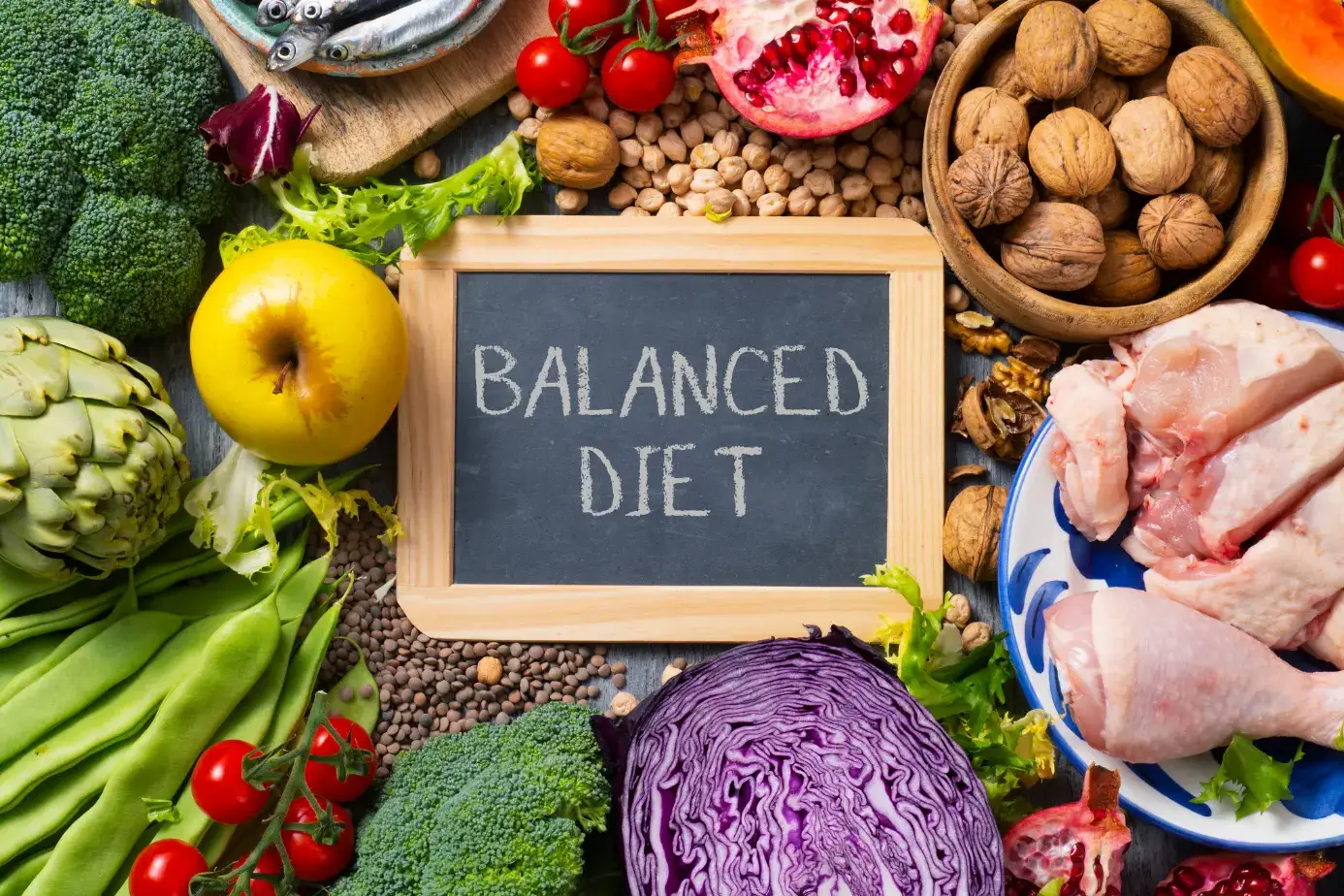
The best results come when you eat them regularly, vary your choices, and combine them with a balanced diet.
Frequently Asked Questions
Can fermented foods heal your gut?
They can help restore microbial balance, reduce inflammation, and support digestion, but they work best alongside a balanced diet and healthy lifestyle, not as a stand-alone cure.
What happens when you eat fermented food every day?
Daily intake can improve digestion, reduce bloating, increase nutrient absorption, and strengthen immunity through better fermented foods and gut microbiome diversity and balance over time.
How do fermented foods benefit gut health?
They provide good bacteria, produce beneficial compounds, and improve nutrient absorption, creating a more balanced environment for healthy microbes to thrive in the gut.
Do all fermented foods contain probiotics?
No. Some are pasteurized or heat-treated, which kills live bacteria. Fresh, unpasteurized options generally contain more probiotics in fermented foods that can benefit your gut.
Are homemade fermented foods safe to eat?
Yes, if prepared with clean tools, fresh ingredients, and correct salt ratios. To prevent the growth of dangerous germs during the procedure, adhere to safe natural fermentation rules.
Which fermented foods are best for digestion?
Kimchi, sauerkraut, kefir, kombucha and yogurt with live active cultures are top picks for improving digestion and supporting a healthy gut microbiome and fermented foods balance.
How do fermented foods benefit gut health?
They improve microbiota diversity, add live beneficial bacteria, support nutrient absorption, and help control harmful microbes, making digestion smoother and more efficient.
About The Author

Medically reviewed by Dr. Nivedita Pandey, MD, DM (Gastroenterology)
Dr. Nivedita Pandey is a U.S.-trained gastroenterologist and hepatologist with extensive experience in diagnosing and treating liver diseases and gastrointestinal disorders. She specializes in liver enzyme abnormalities, fatty liver disease, hepatitis, cirrhosis, and digestive health.
All content is reviewed for medical accuracy and aligned with current clinical guidelines.