Cholesterol and heartburn may seem like two very different issues, but they often share a surprising link through food, lifestyle, and digestion. When cholesterol levels are high, digestion slows down, bile flow changes, and the body produces more acid after heavy meals. These changes can set the stage for frequent heartburn. Understanding how heartburn and high cholesterol are connected can help people take better control of both.
This detailed guide explains how the two interact, what symptoms to watch for, and the best steps for treatment.
Cholesterol and Heartburn
Cholesterol is a waxy substance needed for hormone production, bile acids, and vitamin D. But too much of it in the blood increases the risk of heart disease and digestive issues. Cholesterol and heartburn often show up together because high cholesterol usually comes from diets loaded with fatty foods, and those same foods are common reflux triggers.
When we eat a meal high in saturated fats, the stomach takes longer to empty. Slow stomach emptying creates more acid buildup, leading to reflux symptoms. This is why people with heartburn and high cholesterol often notice burning discomfort after eating fried foods, butter-rich meals, or heavy meats.
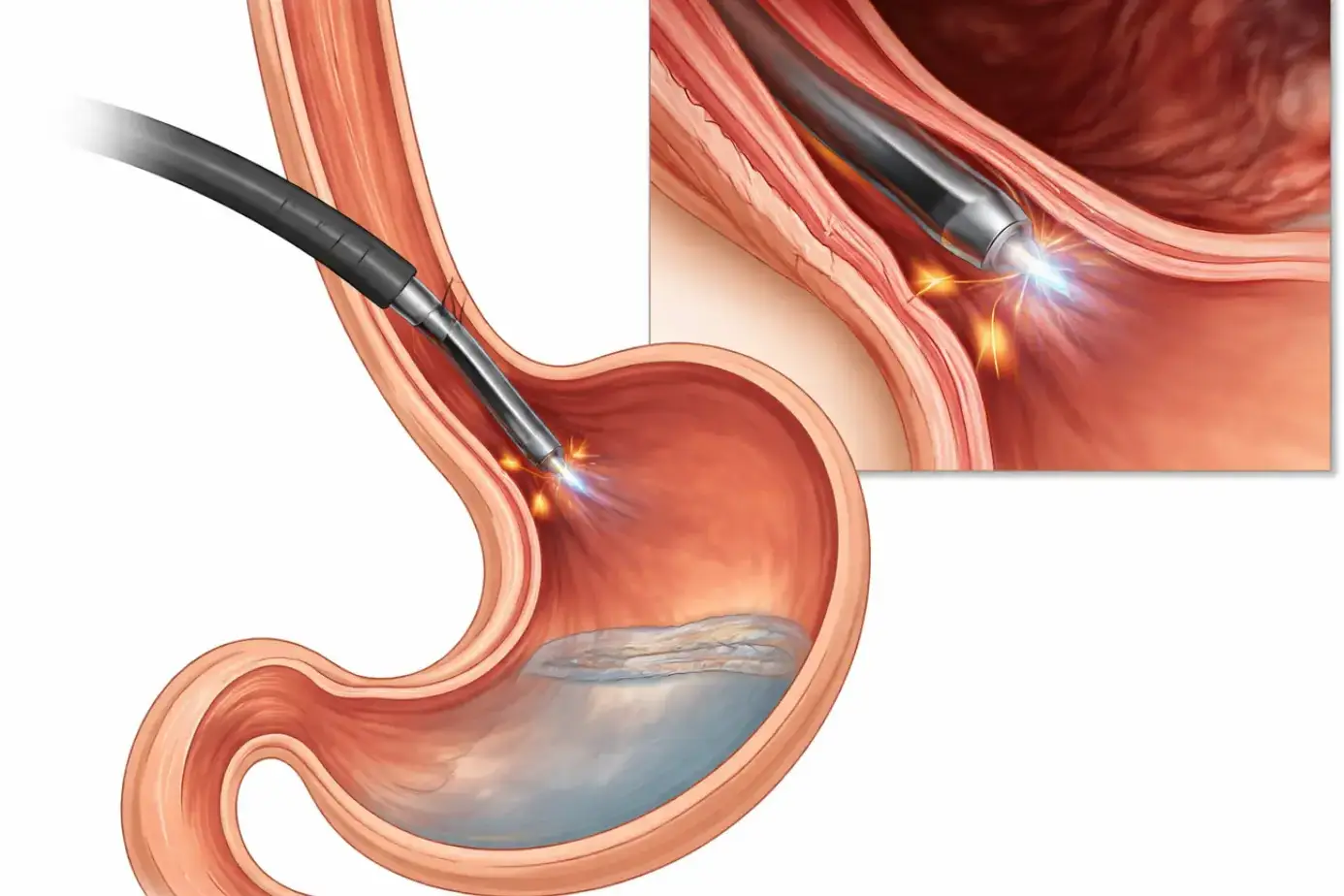
Some studies also suggest cholesterol affects the tone of the lower esophageal sphincter (LES), the valve that keeps stomach acid where it belongs. If cholesterol alters this valve’s function, reflux episodes can become more frequent.
How High Cholesterol Can Contribute to Heartburn and Acid Reflux?
The link between cholesterol and acid reflux is more complex than just food. Several mechanisms explain why high cholesterol can make reflux worse:
- Bile acid imbalance: Cholesterol is needed for bile production. If cholesterol levels rise too much, the bile composition changes. Instead of helping digestion smoothly, bile may irritate the stomach and esophagus.
- Valve relaxation: Fat-rich meals relax the LES. That allows acid to escape upward into the esophagus.
- Delayed emptying: Stomach contents linger for too long when cholesterol-rich meals are consumed, making reflux easier.
- Inflammation: High cholesterol causes systemic inflammation, which weakens digestive tissues. This increases sensitivity to acid reflux.
Example: If you’re eating a plate of deep-fried chicken with butter-laden mashed potatoes. The fat content raises cholesterol levels over time. But in the short term, it slows digestion and relaxes the LES, setting off a bout of heartburn.
Acid Reflux, GERD, and Cholesterol
Acid reflux occurs when stomach acid repeatedly enters the esophagus. When reflux happens often enough to damage the lining, it becomes gastroesophageal reflux disease (GERD).
The connection between GERD and cholesterol lies in lifestyle. People who consume high-fat diets are more likely to have both high cholesterol and reflux. Obesity, which worsens reflux, also raises cholesterol levels. This overlap explains why so many people with GERD also need cholesterol checks.
Certain cholesterol-lowering drugs, such as statins, can sometimes upset the stomach. They do not usually cause reflux, but some patients report mild digestive side effects. On the flip side, proton pump inhibitors (used for GERD) may slightly alter cholesterol metabolism. This shows how the two conditions sometimes influence each other even through medications.
Understanding the Link Between Acid Reflux and High Cholesterol
The relationship between acid reflux and cholesterol can be broken down into three main connections:
- Weight-related connection: Excess weight presses the stomach upward, forcing acid into the esophagus. At the same time, weight gain raises cholesterol.
- Bile connection: Abnormal bile flow due to cholesterol issues can lead to irritation. Some patients experience both bile reflux and acid reflux. Doctors sometimes explain this as bile reflux vs acid reflux to help patients understand the difference.
- Food-related connection: Foods that raise cholesterol, such as fatty meats, cheese, and fried snacks, also trigger reflux.
So while cholesterol itself is not acid, it shapes the environment in which reflux happens.
Causes of Heartburn and Cholesterol Issues


Both heartburn and high cholesterol share similar triggers. Understanding the causes of heartburn also helps in controlling cholesterol.
- Dietary habits: Greasy meals, processed foods, and excess sugar raise cholesterol and worsen reflux.
- Lack of exercise: Physical inactivity lowers good cholesterol and makes reflux more likely.
- Alcohol and smoking: Both lower HDL (good cholesterol) and weaken the LES.
- Stress: Stress does not directly raise cholesterol but changes eating habits and triggers acid reflux.
These shared triggers explain why lifestyle changes benefit both conditions.
Factors That Trigger Heartburn and Raise Cholesterol
Let’s look at common lifestyle patterns that link cholesterol levels and digestion:
- Fatty foods and heartburn: Deep-fried foods, cheese-heavy dishes, and butter sauces not only increase cholesterol but also trigger reflux.
- Obesity cholesterol heartburn: Being overweight squeezes the stomach, increasing reflux risk, while also raising cholesterol.
- Sedentary lifestyle: Sitting for long periods weakens metabolism, encourages fat buildup, and delays digestion.
- Late-night meals: Eating heavy meals before bedtime both raises blood fats and worsens reflux.
Example: A person who eats pizza late at night may feel burning in the chest due to reflux while their cholesterol slowly climbs over months.
Symptoms of High Cholesterol and Heartburn

Many confuse chest pain caused by reflux with heart-related chest pain. This makes it important to separate symptoms of high cholesterol from reflux signs.
Recognizing Heartburn Symptoms in People with High Cholesterol
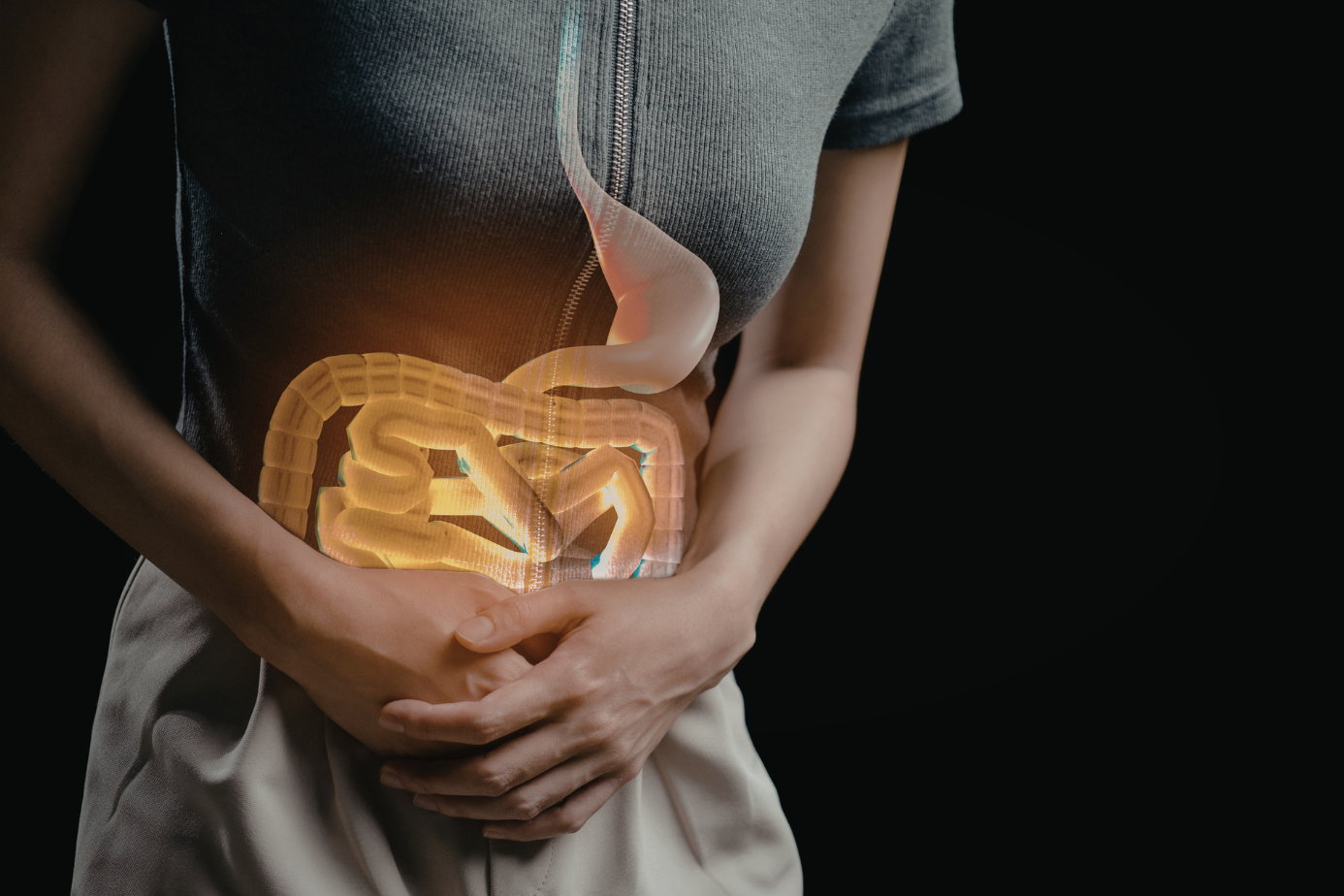
- Burning pain behind the breastbone after meals
- Sour taste in the mouth
- Belching or bloating after fatty meals
- Worsening of pain when lying down
If you already have high cholesterol, noticing these symptoms after greasy meals may point to heartburn and high cholesterol being linked.
Symptoms of High Cholesterol You Should Know
Unlike reflux, cholesterol has few early warning signs. Still, some high cholesterol symptoms to note include:
- Chest discomfort during exertion
- Pain or heaviness in the legs when walking
- Yellow fatty deposits near the eyelids (xanthelasma)
- Numbness or tingling in extremities due to blocked arteries
Because these signs appear late, regular cholesterol testing is vital.
Cholesterol, Gallbladder, and Gastritis
The gallbladder stores bile, which digests fat. Too much cholesterol in bile causes gallstones. Gallstones block bile flow, leading to bloating, indigestion, and pain that mimic reflux.
Patients with gallstones often report burning sensations after fatty meals. This overlap explains why cholesterol and acid reflux sometimes occur together.
Gastritis, which is stomach lining inflammation, can also link to cholesterol. High cholesterol alters bile and fat metabolism, which may worsen irritation. Over time, this irritation raises reflux symptoms.
How Cholesterol Impacts Digestive Health and Acidity?
Cholesterol is central to bile production. When levels are balanced, digestion works well. When levels rise, bile becomes thicker, stones may form, and stomach acid levels change.
This imbalance affects:
- Digestion: food breakdown slows, leading to bloating and reflux.
- Acidity: increased stomach acid worsens burning sensations.
- Esophagus health: frequent reflux can damage tissues, raising cancer risk over years.
So, high cholesterol is not just a heart issue but a digestive one too.
Treatment Options for High Cholesterol and Heartburn
Managing both problems requires lifestyle and medical support. Treating them together often gives better results than addressing them separately.
Lifestyle Changes and Medications for Managing Cholesterol and Acid Reflux
- Smaller meals: Large meals delay stomach emptying. Eating less helps reflux and cholesterol.
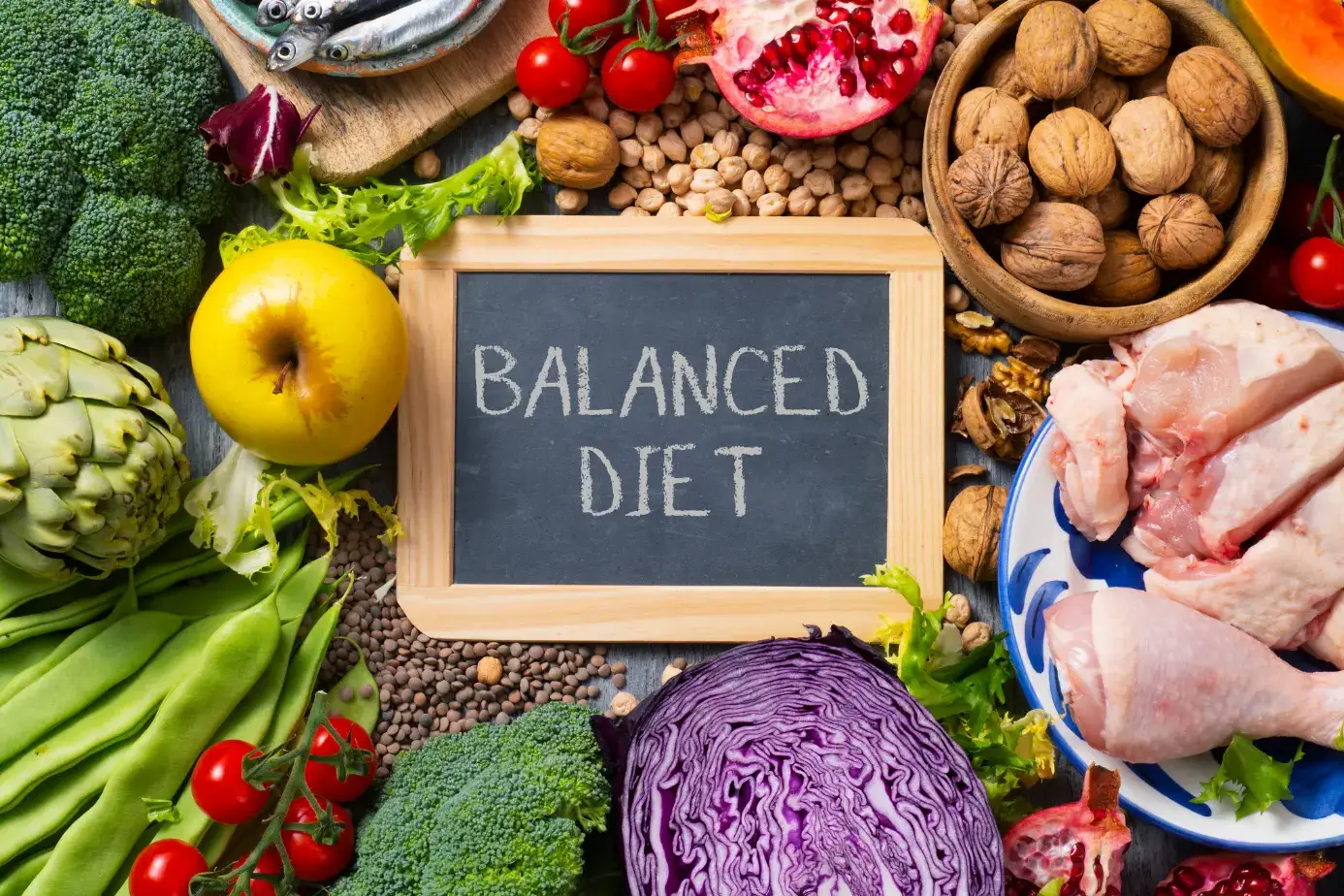
- Balanced diet: Focus on fruits, vegetables, lean proteins, and fiber. This improves diet and cholesterol management.
- Avoid triggers: Cut back on spicy, greasy, or fried foods. This counts as effective lifestyle changes for heartburn.
- Exercise: Even 30 minutes of brisk walking daily lowers cholesterol and reduces reflux frequency.
- Quit smoking and alcohol: Both worsen reflux and cholesterol levels.
Medications include statins for cholesterol and acid blockers for reflux. In severe cases, gallbladder surgery may be required if stones block bile flow.
The Bottom Line
Cholesterol and heartburn are connected in more ways than most people realize. High cholesterol alters digestion, bile flow, and stomach acid balance. At the same time, foods that raise cholesterol often trigger reflux. While both may seem separate, they share a common root in diet and lifestyle.
The good news is that smart daily choices reduce both. Smaller meals, less fried food, more physical activity, and regular health checkups can prevent long-term complications. Addressing one issue often improves the other.
FAQs
Does cholesterol make you have heartburn?
Cholesterol itself does not cause heartburn. But high-fat meals raise cholesterol and relax the esophageal valve, which makes acid reflux more likely after eating.
Can high cholesterol cause gastric issues?
Yes. High cholesterol can lead to gallstones, slow digestion, and bile imbalance. These changes may trigger bloating, abdominal pain, and acidity similar to reflux symptoms.
How do you feel when your bad cholesterol is high?
Most people feel no symptoms. When levels are very high, chest pain, leg cramps, or fatigue during activity may appear due to reduced blood flow.
Is heartburn common during pregnancy?
Yes. Hormones relax the esophageal valve, and the uterus presses on the stomach. These changes make reflux common, especially in the second and third trimesters.
Is heartburn a symptom of heart problems?
Not always, but chest pain can be misleading. If pain occurs with exertion or radiates to the arm or jaw, it may be cardiac. Always get medical evaluation.
How to check cholesterol at home?
You can use finger-prick test kits that measure basic cholesterol values. For detailed results, a fasting lipid profile at a clinic is more accurate.
What is the first noticeable symptom of cholesterol clogging?
The first clue may be angina, or chest pain with activity. Some notice leg cramps while walking. But many people show no early signs until arteries are significantly narrowed.
About The Author

Medically reviewed by Dr. Nivedita Pandey, MD, DM (Gastroenterology)
Dr. Nivedita Pandey is a U.S.-trained gastroenterologist and hepatologist with extensive experience in diagnosing and treating liver diseases and gastrointestinal disorders. She specializes in liver enzyme abnormalities, fatty liver disease, hepatitis, cirrhosis, and digestive health.
All content is reviewed for medical accuracy and aligned with current clinical guidelines.