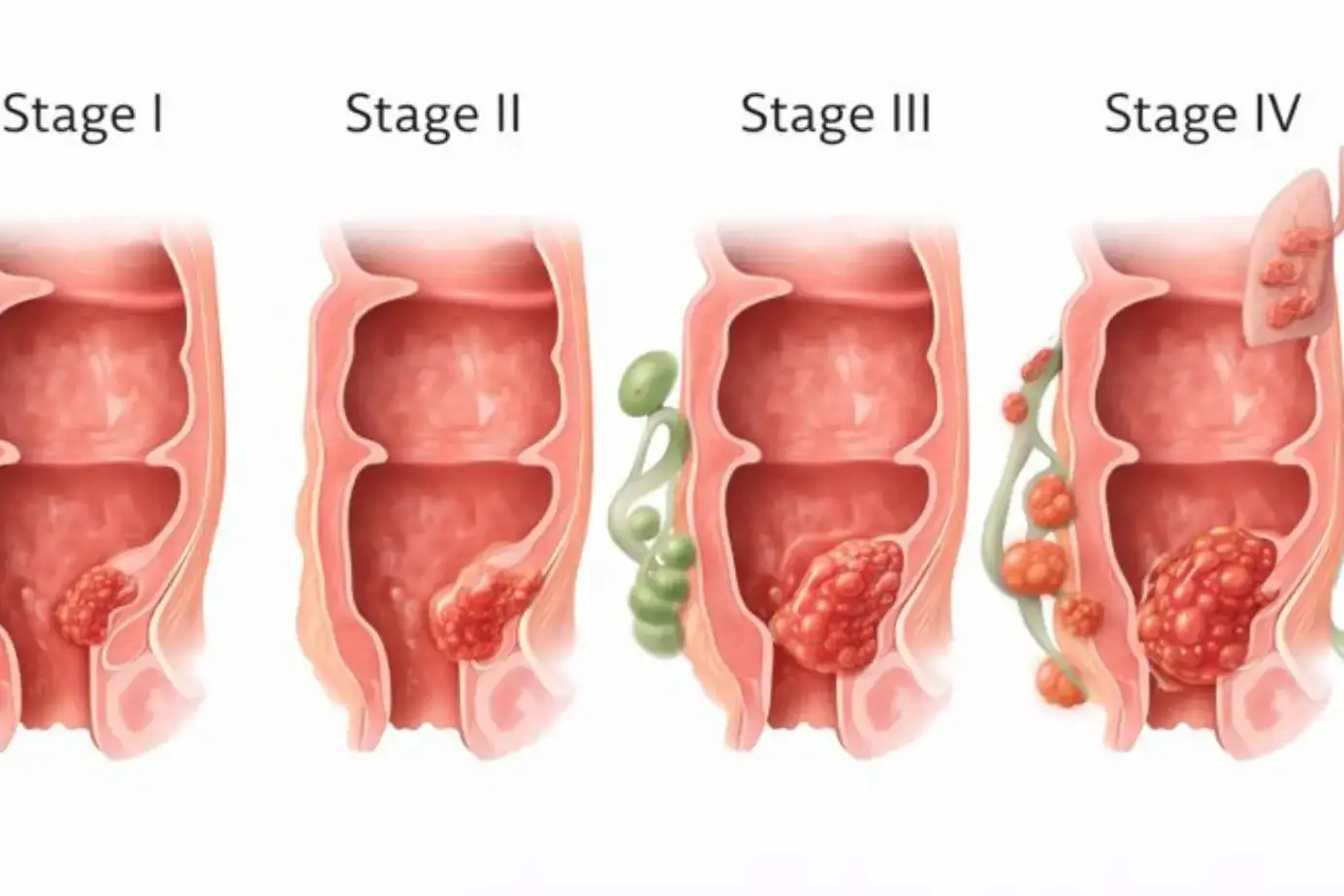
Hemorrhoids can last for a short time if they are mild. They can also last longer when swelling, clotting, or pressure stays high. The timing depends on the type of hemorrhoid you have, how fast you change your habits, and whether you follow good care at home. Internal, external, and pregnancy-related hemorrhoids all have different healing speeds.
You may notice that symptoms come and go. This is common because the swollen veins react to your bowel habits. When you strain less and keep your stool soft, healing becomes faster. When you strain more, the tissue stays swollen. Understanding the timing helps you reduce fear and plan the right steps.
How Long Do Internal Hemorrhoids Last

Internal hemorrhoids can bleed without causing much pain. These hemorrhoids sit inside the rectum. You often cannot see them, but you may see bright red blood after a bowel movement. For mild internal hemorrhoids, symptoms may settle in a few days when you improve stool softness.
If the swelling is larger, internal hemorrhoids can last one to two weeks. Some people deal with them for several weeks when the veins prolapse. Prolapse means the vein bulges out of the anus. When this happens often, healing takes longer. Hemorrhoids last more than once because the flare returns.
Healing Time For Internal Hemorrhoids
Internal hemorrhoids heal faster when stool moves without force. Mild cases often improve in three to seven days when you use more fiber and drink enough water. If bleeding keeps showing up, it may take two to four weeks for the veins to relax.
If you push hard during bowel movements, the thin lining over the hemorrhoid tears. This slows healing. You may notice blood on the paper again and wonder how long hemorrhoids last before they stop bleeding. The key is a softer stool and less strain.
How Severity Affects Duration
The severity of swelling and bleeding changes the healing time.
- Small internal hemorrhoids often settle in a week.
- Medium hemorrhoids may take two weeks.
- Larger prolapsing hemorrhoids may take several weeks.
If you keep straining, the tissue stays irritated. This makes you feel like the flare never ends. When you bring stool changes early, the timing becomes much shorter. The more swollen the vein, the longer the swelling needs to drain.
When Internal Hemorrhoids Become Chronic
Internal hemorrhoids become chronic when they last longer than a month or keep coming back. You may notice bleeding on and off, mucus leaking, or a lump that slips out when you go to the toilet. These signs show that the tissue stays weak. Chronic cases often make hemorrhoids last longer because the symptoms settle, then return.
Chronic hemorrhoids may need treatment from a doctor. Office treatments can help shrink the veins and shorten your healing time.
Factors That Slow Internal Hemorrhoid Healing
Several factors slow healing.
- Hard stool that scrapes the lining
- Long toilet time
- Strain during each bowel movement
- Not drinking enough water
- Sitting for long hours
Each of these keeps pressure on the veins. If these habits stay the same, hemorrhoids last longer, and symptoms return again. Fixing stool softness is the most important step.
How Long Do External Hemorrhoids Last
External hemorrhoids last longer because these lumps near the anus feel painful and itchy. External hemorrhoids sit under the skin. You may feel a bump when you wipe. Mild cases may go down in a week. The lump may shrink slowly over two to three weeks.
If the swelling is strong, healing takes longer because the skin around the anus is sensitive. External hemorrhoids are more painful than internal ones because they sit on the skin with many nerves. This makes you feel pain when sitting or walking.
Duration Of Swollen External Hemorrhoids
Swollen external hemorrhoids often improve within seven to ten days. The pain is usually highest in the first few days. As the swelling goes down, the pain fades. You may still feel a soft lump, but the discomfort becomes less. If you avoid straining and keep the area clean, healing improves.
Thrombosed Hemorrhoid Duration
A thrombosed hemorrhoid means a blood clot forms inside the swollen external vein. This clot causes sudden pain and a firm, dark lump. In people with this condition, hemorrhoids last longer because the pain increases quickly.
A thrombosed hemorrhoid can take two to three weeks to fully fade. Pain often gets better after five to seven days as the clot softens. Sometimes a doctor removes the clot, which gives fast relief.
When External Lumps Shrink Or Fade
External lumps shrink as the body absorbs the clot and fluid. This can take time. At first, the lump feels firm. Later, it becomes softer. Finally, it becomes a small skin tag that no longer hurts. Skin tags may stay even after the swelling goes away. This is normal.
How Inflammation Affects Recovery Time
Inflammation makes the area red, swollen, and tender. If inflammation stays strong, healing slows. When you clean the area gently and avoid rubbing, the inflammation goes down. Warm water soaks also calm the skin. This helps shorten the duration of hemorrhoids .
How Long Do Hemorrhoids Last After Pregnancy
Hemorrhoids last after pregnancy because pregnancy increases pressure in the pelvis. Hormones also relax the muscles. These changes make hemorrhoids more common. After birth, hemorrhoids often last two to four weeks. Some may last longer when constipation stays, or the veins are badly stretched.
Postpartum Pressure And Delayed Healing
During pregnancy, the baby presses on the lower veins. This increases swelling. During labor, pushing adds more pressure. In pregnant women, hemorrhoids last after birth because the pain feels worse when sitting. Postpartum healing can be slow because you may rest more, move less, or avoid bowel movements due to fear of pain.
Hormonal Effects On Hemorrhoid Recovery
Hormones loosen blood vessel walls. This makes swelling easier. After birth, hormone levels shift slowly. The veins need time to tighten again. These changes affect how long hemorrhoids last for new mothers.
Managing Hemorrhoids During Breastfeeding
Many mothers avoid medicine during breastfeeding. You can still use sitz baths, cold packs, soft wipes, and doctor-approved creams. These steps help shorten the duration of hemorrhoids after pregnancy without affecting breastfeeding.
How Long Do Hemorrhoids Bleed Last
Bleeding is one of the most common signs of hemorrhoids. You may see bright red blood on the paper or in the bowl. Hemorrhoids bleed longer, and the sight of blood can be stressful. Bleeding can last a few days in mild cases. In larger cases, bleeding may show up on and off for two to three weeks.
Bleeding happens when the swollen vein rubs against stool. When stool is hard, the thin tissue tears more. A softer stool helps stop bleeding faster. If you bleed daily for more than two weeks, you should check with a doctor.
When Bleeding Is Normal Vs Concerning
Light bleeding with bowel movements can be normal with hemorrhoids. This includes:
- a few drops in the bowl
- streaks on stool
- blood on the tissue
This type of bleeding often settles in days.
Bleeding becomes concerning if it is heavy, daily, or happens without a bowel movement. If you feel weak, dizzy, or have dark blood, this is not normal. At that point, you should stop wondering how long hemorrhoids last and get checked.
Signs Of Excessive Or Persistent Bleeding
Bleeding is excessive when you need to change pads, when blood drips into the bowl with no stool, or when blood appears even when you are not in the bathroom. If blood shows up in most bowel movements for weeks, this is persistent bleeding. This can mean the hemorrhoid is larger or more inflamed.
Bleeding In Internal Vs External Hemorrhoids
Internal hemorrhoids bleed more because the lining inside the rectum is thin. You may not feel pain even when bleeding. This makes internal hemorrhoids last longer, since blood keeps showing.
External hemorrhoids bleed less but can bleed when the skin cracks or when a clot drains. This bleeding usually stops faster.
When Bleeding Indicates Complications
Bleeding can point to other issues like a fissure, a polyp, or a more serious problem. A fissure is a small tear that causes sharp pain. A polyp is a small growth that may bleed. If bleeding changes, grows heavier, or lasts longer than expected, you should speak to a doctor.
Factors That Affect Hemorrhoid Duration
The habits you follow daily shape how long hemorrhoids last . Some habits support healing while others slow it.
Bowel Habits And Stool Consistency
Soft stool moves easily and does not hurt the swollen veins. Hard stool scrapes the surface and makes bleeding last longer. You should aim for soft stool that does not hurt to pass. This helps shorten the healing time.
Straining, Constipation, And Pressure
Straining builds pressure inside the bottom area. Constipation makes you strain more. This keeps the veins swollen. When you stop straining, healing becomes much faster. You should take your time on the toilet, but avoid pushing.
Diet, Hydration, And Fiber Intake
Fiber keeps stool soft. Water helps fiber work. The duration of hemorrhoids reduces, and you can notice a fast improvement once you increase fiber. You can eat oats, apples, beans, and vegetables. If needed, you can use a fiber supplement.
Sitting Time And Physical Activity
Long sitting slows blood flow. This makes swelling last longer. You should take breaks if you sit at work. Short walks help the veins relax. Light movement also supports better bowel habits.
Chronic Inflammation And Recurrence
If inflammation stays, hemorrhoids can come back. If you return to straining, symptoms return too. Good habits can keep flare-ups short. Poor habits can make hemorrhoids recur .
Symptoms That Suggest Longer Healing
Some symptoms show that your healing may take more time.
Severe Swelling Or Thrombosis
A thrombosed hemorrhoid with a clot takes longer to heal. The lump may stay for weeks even after the pain eases. Strong swelling also slows healing because the tissue needs more time to recover.
Persistent Itching Or Burning
If the skin stays irritated, itching stays too. Scratching can make the skin break. This adds more time to your healing. Keeping the area clean and dry helps.
Ongoing Bleeding Or Mucus Discharge
If bleeding stays or if you see mucus in your underwear, the hemorrhoid may be larger. A prolapsed hemorrhoid can leak mucus because it rubs against your clothes.
Prolapse Severity And Recovery Impact
When the hemorrhoid slips out often, the tissue takes longer to heal. Mild prolapse may go back on its own. A larger prolapse needs your hand to push it back. This slows the healing process.
Pain Intensity And Duration
Mild pain fades fast. Strong pain lasts longer and often means more swelling. If pain stays for more than a week, a doctor may need to check the area.
Diagnosis And When To See A Doctor
A doctor can confirm if the issue is a hemorrhoid or something else. This helps guide treatment and shortens healing. If symptoms stay more than two or three weeks, you should see a doctor.
Tests To Evaluate Internal Hemorrhoids
A doctor may look inside the rectum using a small tube. This test can show the size and grade of the hemorrhoid. It helps the doctor choose the right treatment.
Ruling Out Fissures, Polyps, Or Infections
Bleeding or pain may not come from hemorrhoids alone. A fissure causes sharp pain. A polyp may bleed. An infection may cause discharge. A doctor can tell the difference.
When Imaging Or Anoscopy Is Needed
If symptoms are unclear, the doctor may use anoscopy. This tool lets them see the lower rectum. Some cases need a colon check, especially if bleeding does not match common hemorrhoid signs.
Evaluating Chronic Or Recurrent Hemorrhoids
If hemorrhoids return often, your doctor may suggest treatments that shrink the veins. This can stop the cycle of swelling and bleeding.
Treatment That Can Shorten Hemorrhoid Duration
Good treatment can make a big difference in how long hemorrhoids last . Early action brings faster relief.
Medical Treatment For Internal Hemorrhoids
Doctors may use rubber band ligation, injections, or heat therapy to shrink internal hemorrhoids. These methods cut blood flow to the swollen vein so it shrinks.
Treatment Options For External Hemorrhoids
External hemorrhoids may need pain relief, warm water soaks, or creams. A thrombosed hemorrhoid may need the clot removed by a doctor. This can ease pain fast.
Managing Postpartum Hemorrhoids Safely
Hemorrhoids last after pregnancy when sitting or feeding the baby, and can be painful. Sitz baths, soft wipes, and safe creams help reduce pain. Stool softeners are often safe and help a lot.
Creams, Suppositories, And Procedures
Creams reduce itching. Suppositories help internal swelling. When these do not work, office procedures can shrink the veins faster. This helps shorten the time you deal with symptoms.
When Surgery Becomes Necessary
Surgery may be needed when hemorrhoids are very large or keep returning. It removes the swollen tissue. Recovery takes time, but many people feel much better once healing is complete.
Home Care And Lifestyle Support
Daily care matters as much as treatments. Good habits help shorten the duration of hemorrhoids .
Sitz Baths, Warm Compress, And Hygiene
Warm sitz baths relax the muscles and calm swelling. You can take them a few times a day. Soft cleaning with water helps avoid irritation.
Fiber Intake And Stool Softeners
Fiber-rich foods and safe stool softeners help keep stool soft. This stops strain and cuts healing time.
Activity Adjustments For Faster Healing
Short walks and gentle movement help blood flow. Avoid heavy lifting. Too much pressure makes swelling worse.
Reducing Pressure From Long Sitting
You should stand and stretch every hour. A soft cushion can help when sitting hurts.
Preventing Recurrence Through Routine
You should build a routine with good toilet habits. Go when your body tells you. Do not wait. Do not strain. This keeps flare-ups short.
Prevention Strategies
Prevention helps reduce hemorrhoids duration in the future.
Long-Term Bowel Habit Regulation
Regular bowel habits help stool move smoothly. This reduces strain and pressure.
Hydration And Dietary Changes
Water and fiber work together to soften stool. This lowers swelling and bleeding.
Reducing Straining And Toilet Time
You should avoid sitting too long on the toilet. Straining makes the veins swell more.
Maintaining Healthy Body Weight
A healthy weight lowers pressure in the pelvic area. This reduces flare-ups.
Posture And Exercise For Rectal Health
Straight posture and regular walks help blood flow and digestion. This supports rectal health.
FAQ
Do hemorrhoids go away on their own?
Yes, many mild hemorrhoids go away on their own when you soften stool and stop straining. The timing for hemorrhoids depends on habits and swelling around the veins.
Can hemorrhoids last for months?
Hemorrhoids can last for months when constipation persists or when the veins are badly swollen. When symptoms keep returning, hemorrhoids last longer.
Does thrombosis increase healing time?
A thrombosed hemorrhoid has a clot that takes longer to absorb, so healing time increases. You may feel strong pain at first.
How long should postpartum hemorrhoids last?
Postpartum hemorrhoids may last two to four weeks. Some may stay longer depending on strain and swelling.
Why do hemorrhoids keep coming back?
Hemorrhoids return when constipation, strain, long sitting, or poor habits continue. Fixing stool softness can change how long hemorrhoids last during each flare.
Does fiber really reduce hemorrhoid duration?
Fiber reduces hemorrhoid duration because it softens stool and cuts strain. This helps the swollen veins heal and shortens the time you deal with symptoms.
When should I see a doctor?
You should see a doctor if symptoms last more than two or three weeks, if bleeding is heavy, or if pain increases.
Can hemorrhoids bleed for days?
Yes, hemorrhoids can bleed for days when the stool is hard. A softer stool helps stop bleeding. You should see a doctor if hemorrhoids that bleed last longer than expected.
What speeds up healing the fastest?
Soft stool, sitz baths, rest, and gentle cleaning speed up healing. These steps can shorten the duration of hemorrhoids and reduce swelling.
Do creams and suppositories shorten duration?
Yes, they can shorten the duration by reducing swelling and itching. They work best with stool changes. They can make hemorrhoids last much shorter.
How long do hemorrhoids last without treatment?
Without treatment, hemorrhoids can last many weeks. Strain and hard stool make them worse. Hemorrhoids last until proper care is taken.
About The Author

Medically reviewed by Dr. Nivedita Pandey, MD, DM (Gastroenterology)
Dr. Nivedita Pandey is a U.S.-trained gastroenterologist and hepatologist with extensive experience in diagnosing and treating liver diseases and gastrointestinal disorders. She specializes in liver enzyme abnormalities, fatty liver disease, hepatitis, cirrhosis, and digestive health.
All content is reviewed for medical accuracy and aligned with current clinical guidelines.