Naturally, detox liver plan starts with understanding that your liver already does this job. It doesn’t need juices, teas, or expensive supplements to clean itself.
Your liver filters 1.4 liters of blood every single minute. It converts alcohol into harmless substances, breaks down medications, and neutralizes chemicals from your food and environment. This happens automatically whether you help it or not.
Key Takeaways
- Your liver self-cleans without special drinks or diets
- Support it by cutting alcohol, eating fiber-rich foods, and staying hydrated
- Weight loss of 7-10% reverses fatty liver in most cases
- Real improvement takes months, not days
- Skip detox supplements because many damage the liver they claim to heal
Can You Really Detox Your Liver Naturally?
Your liver is the detox machine, and it doesn’t need detoxing.
The liver has two main detox phases. Phase 1 uses enzymes (special proteins that speed up chemical reactions) to break down toxins. Phase 2 attaches molecules to these broken-down substances, making them water-soluble so they exit through urine or bile. Both phases run constantly.
Your liver processes toxins immediately or stores them temporarily in fat cells throughout your body (not inside the liver itself). Supporting liver function means giving it the nutrients and coditions it needs to work efficiently.
What actually blocks liver function:
|
You can’t undo years of damage with a three-day cleanse. You can improve liver function through sustained lifestyle changes that remove these obstacles.
Liver Detox Naturally at Home — What Helps
Alcohol reduction matters most. Your liver treats alcohol as poison because it is. When you drink, your liver drops everything else to process it.
| Did you know? Heavy drinking (more than 2 drinks daily for men, 1 for women) keeps your liver in constant crisis mode. It never gets a chance to handle its other 500+ metabolic jobs properly. |
Stopping alcohol completely for just 4-6 weeks allows liver inflammation to drop significantly. Blood tests show measurable enzyme improvements in this timeframe. Your liver cells start regenerating almost immediately once alcohol stops damaging them.
Blood sugar control protects liver cells. When you eat too much sugar or refined carbs, your blood sugar spikes. Your liver converts excess glucose into fat and stores it. This is non-alcoholic fatty liver disease, and it affects roughly 1 in 4 adults worldwide.
You don’t need diabetes for this to happen. Regular consumption of soda, white bread, pastries, and sugary snacks does the damage.
| Note: Your liver can only process about 25 grams of fructose per day without converting the excess to fat. One can of soda contains 23 grams. |
Simple food swaps work: brown rice instead of white, whole fruit instead of juice, oatmeal instead of sugary cereal. Your liver responds to these changes within 2-3 weeks. Fat deposits start shrinking when you consistently keep your blood sugar stable.
Movement reduces liver fat even without weight loss. Exercise triggers cellular changes that help your liver burn stored fat for energy. Moderate activity (walking, swimming, cycling) for 150 minutes weekly improves liver enzymes in people with fatty liver disease. Regular light exercise reduces liver fat by 20-30% over three months.
Sleep affects liver metabolism more than most people realize. Your liver does heavy metabolic work while you sleep. Poor sleep (less than 6 hours nightly) disrupts hormones and directly impacts liver health.
Medication awareness prevents accidental damage. Many common medications stress the liver when taken long-term or in high doses. Acetaminophen (Tylenol) causes liver damage when you exceed 3,000-4,000 mg daily. Some antibiotics, cholesterol medications, and antifungal drugs require liver monitoring.
15 Foods That Are Good for Your Liver
No food actively detoxes your liver, but 15 foods that are good for your liver make its job easier by providing specific nutrients and compounds.
High-Fiber Foods
Vegetables like spinach, carrots, and bell peppers slow down how fast sugar enters your bloodstream. Fiber also feeds beneficial gut bacteria that produce compounds that reduce liver inflammation.
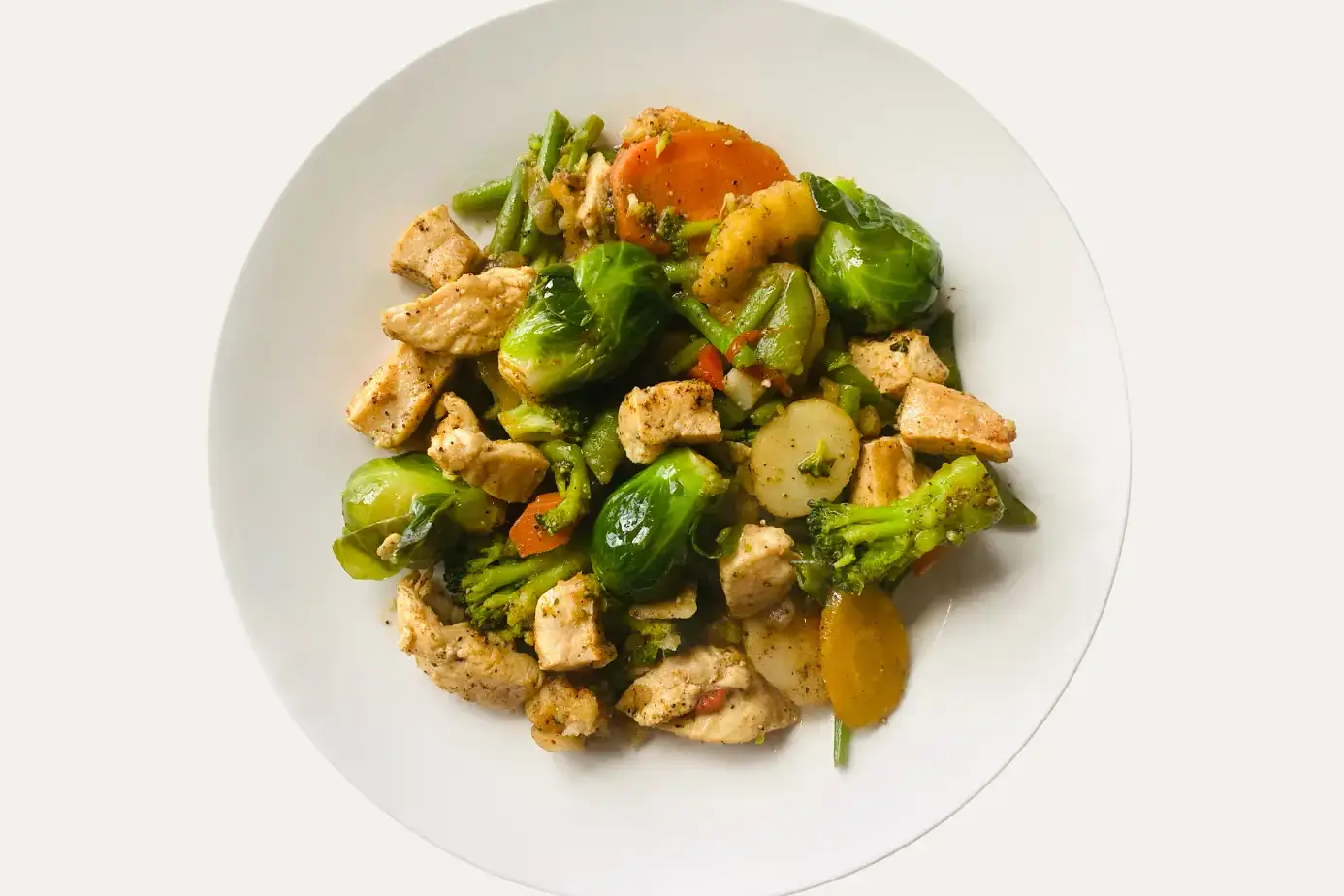
Cruciferous vegetables (broccoli, cauliflower, Brussels sprouts) contain sulfur compounds that boost your liver’s production of detox enzymes.
Whole grains like oatmeal, quinoa, and brown rice provide B vitamins (B6, B12, folate) that liver enzymes need to function. Refined grains like white bread and white rice lack these protective compounds.
Legumes (lentils, chickpeas, black beans) combine fiber with plant protein. One cup of cooked lentils provides 16 grams of fiber (half your daily need) plus folate and iron.
Antioxidant-Rich Foods
Berries, apples, and grapes contain polyphenols that reduce oxidative stress in liver cells.
Grapefruit specifically contains naringenin, a flavonoid that activates liver enzymes responsible for burning fat. It may help reduce liver fat accumulation, though eating whole grapefruit works better than drinking juice.
Coffee deserves special mention. Three cups daily correlate with 25-70% lower rates of liver cirrhosis, liver cancer, and chronic liver disease. Both caffeine and chlorogenic acid (an antioxidant) appear protective.
Healthy Fats & Proteins
Fatty fish (salmon, sardines, mackerel) provide omega-3 fatty acids that reduce liver inflammation and improve insulin sensitivity.
| Did you know? Eating fatty fish twice weekly reduced liver fat by 30% over eight weeks in people with fatty liver disease. |
Nuts and seeds (walnuts, almonds, flaxseeds) offer both omega-3s and vitamin E. Just one ounce of walnuts daily shows measurable effects on liver enzyme levels within four weeks.
Lean proteins like chicken breast, turkey, and tofu supply amino acids your liver needs to produce antioxidants.
Drinks to Detox Liver Naturally
Water does the heavy lifting when it comes to drinks to detox the liver naturally . Your liver converts fat-soluble toxins into water-soluble ones that leave your body through urine.
Without enough water, this process slows down dramatically. Dehydration thickens your blood, making it harder for your liver to filter effectively. Aim for pale yellow urine throughout the day (your best indicator of proper hydration).
Regular coffee drinkers show 40% lower rates of liver cancer and 25% lower rates of chronic liver disease compared to non-drinkers. The protective effect shows up at three cups daily. Both caffeinated and decaf versions work, though caffeinated coffee shows slightly stronger benefits.
Green tea contains antioxidants that reduce fat accumulation in liver cells. Drinking 2-3 cups daily for 12 weeks reduced liver enzymes in people with fatty liver disease.
What won’t help your liver:Lemon water, cranberry juice, apple cider vinegar, or detox tea blends. These drinks to detox the liver naturally offer nothing beyond basic hydration.
Note: If you want fruit benefits, eat whole fruit instead. |
Herbal Liver Detox: What to Know
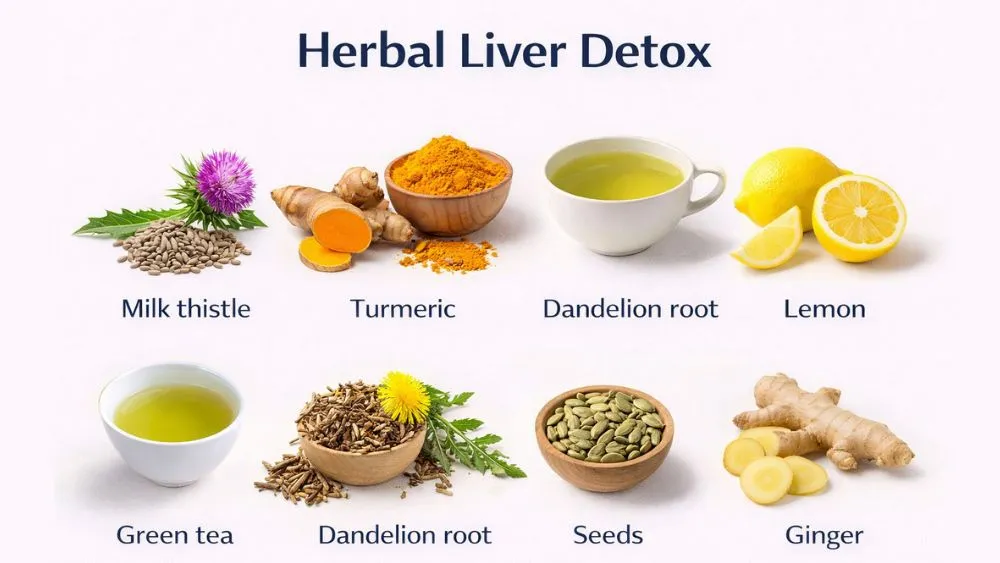
Milk thistle is the most researched liver supplement. It contains silymarin, which shows antioxidant effects in lab studies. Some research suggests benefits for people with alcohol-related liver disease or hepatitis C. Other studies show zero effect.
| Note: The European Association for the Study of the Liver doesn’t recommend Milk thistle because benefits haven’t been proven conclusively. |
Turmeric supplements have caused acute liver injury in at least 20 documented cases. The problem is concentrated curcumin extracts in pills. Your liver has to metabolize these high doses, and some people’s livers react badly.
Dandelion root, artichoke extract, and burdock root lack quality clinical trials. Your liver evolved to handle these plants in food amounts, not concentrated pill form.
Green tea extract in supplements has triggered liver failure requiring transplants. The concentrated EGCG doses in pills (400-800mg) far exceed what you’d get from drinking tea (90-150mg per cup). Your liver can handle the lower food-based amounts but sometimes fails under supplement loads.
If you have existing liver disease, supplements can worsen it. If your liver is healthy, you don’t need them.
Signs Liver Detox Is Working
Most signs liver detox is working that people notice aren’t liver-specific.
Better digestion after meals happens when you reduce processed foods and increase fiber. Less bloating occurs because you’re eating fewer foods that cause gas and inflammation. More stable energy throughout the day reflects better blood sugar control.
Clearer skin might result from drinking more water, eating more vegetables, and cutting sugar.
Your liver doesn’t send obvious signals when it’s working well. It processes toxins silently. Liver damage progresses without symptoms for years. By the time you feel liver problems—yellowing skin, dark urine, abdominal swelling—the damage is already significant.
Real improvement shows up in blood tests. ALT and AST are liver enzymes that leak into blood when liver cells are damaged. Normal levels of are below 40 units per liter. Elevated levels above 100 indicate active liver damage. When you naturally detox liver function through lifestyle changes, these numbers drop over weeks to months.
GGT (gamma-glutamyl transferase) is another enzyme that rises with liver inflammation, especially from alcohol. It’s more sensitive than ALT or AST for detecting early alcohol-related damage. Normal is below 50 units per liter.
Bilirubin measures how well your liver processes waste from old red blood cells. High bilirubin causes jaundice (yellowing of skin and eyes). Normal levels run 0.1-1.2 mg/dL.
Imaging studies like ultrasound or FibroScan show liver fat content directly. A FibroScan gives a “CAP score” measuring liver fat. Scores below 238 dB/m are normal. Scores above 280 indicate significant fatty liver.
These measurements take months to improve. Anyone claiming their product works in 48 hours is measuring placebo effects or temporary water weight changes.
What Will NOT Detox Your Liver
- Juice cleanses starve your liver of protein it needs to produce detox enzymes while flooding it with fructose that converts to fat
- Detox teas containing senna cause diarrhea by irritating your colon
- Apple cider vinegar protocols have zero evidence for liver benefit and high doses erode tooth enamel while burning your esophagus
- Liver flushes using olive oil and Epsom salts produce “stones” that are actually saponified oil mixed with bile
- Activated charcoal binds to substances in your digestive tract but doesn’t reach your liver or bloodstream to affect detoxification
People drink massive amounts of olive oil mixed with lemon juice and Epsom salts. They pass green “stones” and believe they’ve expelled liver toxins. Honestly, these stones are saponified oil (essentially soap created when oil mixes with digestive juices). Your gallbladder can’t physically pass stones this large without excruciating pain.
How Long Does It Take to See Liver Improvement?
Improvement timelines depend entirely on what you’re fixing and how damaged your liver is when you start.
Fatty liver disease reverses when you lose 7-10% of body weight. For a 200-pound person, that’s 14-20 pounds. At a safe rate of 1-2 pounds weekly, expect 3-6 months.
Alcohol-related inflammation drops within 4-6 weeks after stopping alcohol completely. Advanced fibrosis (scar tissue) takes 6-12 months of abstinence to potentially reverse.
Medication-induced liver injury improves once you stop the offending drug. Enzyme levels may normalize in 2-8 weeks depending on the medication and damage severity. Acetaminophen overdose can cause permanent damage or require a transplant if caught too late.
Blood sugar improvements affect liver fat within 2-3 weeks. Existing fat deposits shrink gradually as your liver burns them for energy.
You can’t rush liver healing. Your liver regenerates impressively; it can regrow to full size from just 25% of its original tissue. But this regeneration requires time, proper nutrition, and removal of whatever was causing damage.
FAQ
Can you naturally detox your liver?
Your liver detoxifies itself automatically. You support this by cutting alcohol, losing weight if needed, eating fiber-rich whole foods, and staying hydrated. No product or cleanse can speed this up beyond what healthy habits provide.
Do foods detox the liver?
No food removes toxins from your liver. Foods like vegetables, whole grains, fatty fish, and coffee provide nutrients that support liver enzyme function and reduce inflammation. They help your liver work efficiently, but they don’t actively cleanse anything.
Are detox drinks necessary?
No. Water is the only drink required to naturally detox liver function. Coffee and green tea provide additional protective compounds, but specialized detox drinks offer nothing beyond hydration and often contain harmful laxatives or excessive sugar.
Can herbs cleanse the liver?
Herbs cannot cleanse your liver. Milk thistle shows inconsistent benefits after decades of research. High-dose herbal supplements like turmeric and green tea extract have caused liver failure requiring transplants in documented cases. Risk exceeds any unproven benefit.
Does drinking more water detox the liver?
Adequate water helps your liver convert fat-soluble toxins to water-soluble forms that exit through urine. Drinking enough to keep urine pale yellow supports this process. Excessive water beyond this provides no additional liver benefit.
How long does liver recovery take?
Fatty liver improves in 3-6 months with 7-10% weight loss. Alcohol-related inflammation decreases in 4-6 weeks after stopping drinking. Fibrosis reversal takes 6-12 months of abstinence. Cirrhosis rarely reverses completely even with perfect lifestyle changes.
Is natural detox safe for fatty liver?
Safe approaches include gradual weight loss (1-2 pounds weekly), reducing sugar and refined carbs, exercising 150 minutes weekly, and limiting alcohol. Unsafe approaches include fasting, detox supplements, and juice cleanses which may worsen liver fat accumulation.
Should I avoid medical care and detox naturally?
Never replace medical care with natural approaches. If you have yellowing skin, dark urine, abdominal pain, or unexplained fatigue, see a doctor immediately. Natural methods support medical treatment but cannot replace diagnosis and monitoring through proper testing.
About The Author

Medically reviewed by Dr. Nivedita Pandey, MD, DM (Gastroenterology)
Dr. Nivedita Pandey is a U.S.-trained gastroenterologist and hepatologist with extensive experience in diagnosing and treating liver diseases and gastrointestinal disorders. She specializes in liver enzyme abnormalities, fatty liver disease, hepatitis, cirrhosis, and digestive health.
All content is reviewed for medical accuracy and aligned with current clinical guidelines.