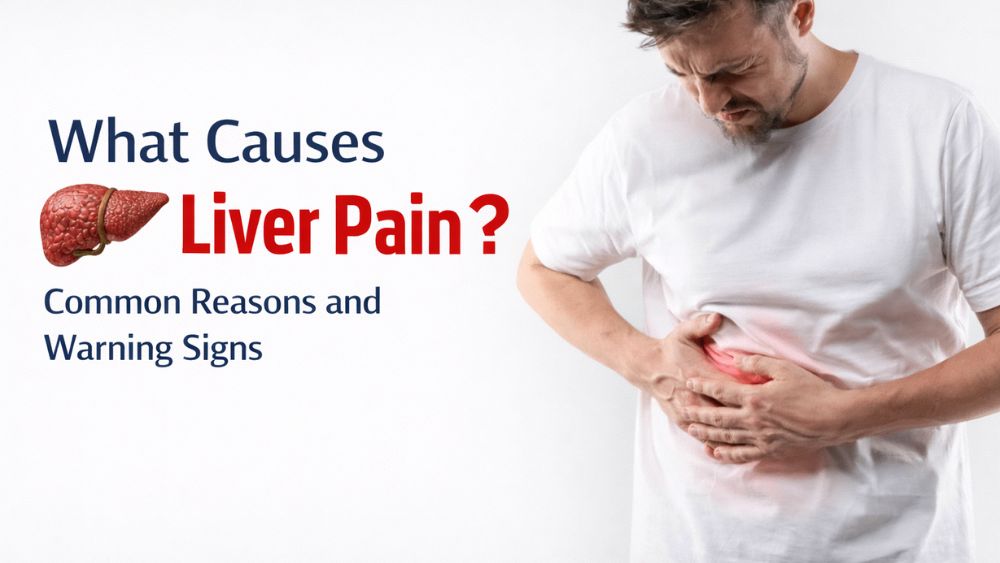
Causes of liver pain range from temporary swelling to serious liver disease. When liver damage occurs, you feel it as a dull ache, sharp jab, or constant pressure in your upper right abdomen.
Your liver doesn’t have pain sensors. The discomfort comes from the thin membrane wrapping around it, called the liver capsule. When your liver swells, inflames, or stretches this capsule, you feel pain.
About 1 in 4 adults worldwide has fatty liver disease. You don’t know it until pain shows up. Others experience discomfort from hepatitis, cirrhosis, or infections that went unnoticed.
Key Takeaways
- Liver pain stems from inflammation, swelling, or stretching of the liver capsule, not the liver itself
- Causes of liver pain include fatty liver disease, hepatitis, cirrhosis, infections, and liver congestion
- Right upper abdomen discomfort needs medical evaluation if persistent or worsening
- Pain intensity doesn’t always match disease severity
Can the Liver Actually Feel Pain?
Your liver weighs roughly 3 pounds and handles over 500 different jobs. But it can’t feel pain.
Liver tissue contains zero pain receptors. You could cut into healthy liver tissue (during surgery, with anesthesia, obviously), and the organ itself wouldn’t register pain. Your liver constantly regenerates cells and repairs minor damage.
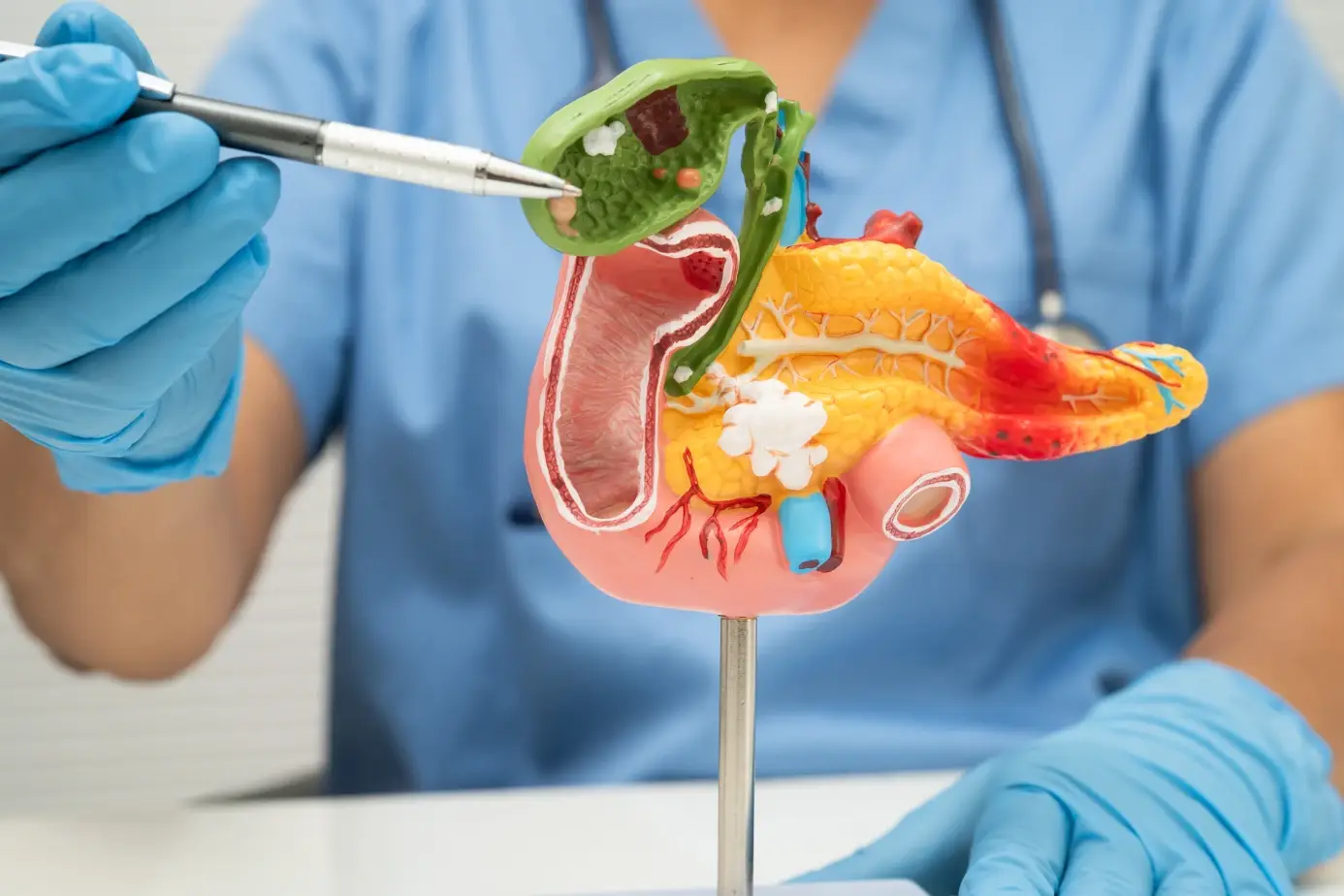
So the liver pain comes from Glisson’s capsule (a thin, fibrous covering surrounding your entire liver). This capsule is packed with nerve endings that feel pain when stretched, inflamed, or irritated.
| Note: The liver pain severity doesn’t match liver damage severity. You can have advanced cirrhosis with barely any pain because the liver enlarged slowly, giving the capsule time to stretch gradually. Meanwhile, sudden inflammation (from viral hepatitis) creates intense pain even though the damage might reverse completely with treatment. |
Where Is Liver Pain Felt?
Your liver occupies the right upper quarter of your abdomen, mostly hidden beneath your rib cage. Liver pain under the ribs causes discomfort in predictable patterns.
Most people feel it directly under the right ribs. Press your fingers just below your right breast (for women) or right pectoral muscle (for men), moving toward your side. That’s prime liver pain territory.
You might feel pain in your mid-back on the right side, between your spine and shoulder blade. This happens when your enlarged liver presses backward against the back muscles and tissues.
You may feel liver pain radiating toward the center of the abdomen, just below the ribcage. This confuses you because you expect right-sided pain only. But liver enlargement can push the organ’s left portion toward the middle, creating central discomfort.
The pain pattern shifts with body position. Lying on your right side often worsens the ache because your body weight compresses the already-swollen liver. Sitting upright or lying on your left side provides relief. Deep breathing sometimes intensifies pain as your diaphragm pushes down on the liver capsule.
Sharp pain with breathing suggests capsule inflammation. Dull, constant ache points toward chronic enlargement. Pain that moves with your heartbeat indicates liver congestion from heart problems.
10 Causes of Liver Pain
Inflammatory Causes
Hepatitis means liver inflammation, regardless of the cause. Viral hepatitis (types A, B, C, D, and E) attacks liver cells directly. Your immune system floods the area with inflammatory cells trying to fight the virus. This creates rapid swelling and intense pain.
Hepatitis A spreads through contaminated food and water. The infection arrives suddenly. Within days, your liver swells, you feel exhausted, and pain develops under your ribs. Most people recover completely within weeks.
Hepatitis B and C spread through blood and bodily fluids. Some weeks you feel fine. Other weeks, inflammation flares and pain returns.
Autoimmune hepatitis happens when your immune system mistakenly attacks your own liver cells. This affects women more than men, often starting in the 40s or 50s.
Alcoholic hepatitis develops after heavy drinking episodes. The liver becomes tender, swollen, and painful. Even gentle pressure on your right side feels uncomfortable.
Drug-induced hepatitis occurs when medications overwhelm your liver’s detoxification capacity. Acetaminophen (Tylenol) causes this if you take more than 3,000-4,000 mg daily.
Certain antibiotics , cholesterol drugs, and even herbal supplements can inflame liver tissue. The pain usually resolves once you stop the offending medication.
Fat Accumulation and Swelling
Fatty liver disease affects roughly 25% of adults globally. Fat droplets infiltrate liver cells when you consume more calories than you burn.
Non-alcoholic fatty liver disease (NAFLD) progresses through stages. Simple fatty liver (steatosis) involves fat accumulation without inflammation. You feel nothing at this stage. But as fat builds up, the liver enlarges. When enlargement happens rapidly, the capsule stretches quickly, creating pain.
Metabolic dysfunction drives fatty liver disease. Insulin resistance, high blood sugar, elevated triglycerides, and abdominal obesity all contribute.
Structural and Chronic Damage
Cirrhosis represents the end stage of liver disease. Healthy liver tissue gets replaced by scar tissue (fibrosis) that contracts and hardens. The liver shrinks and becomes nodular (bumpy rather than smooth).
Causes of liver pain in cirrhosis include the irregular surface pulling on the capsule continuously. This creates constant tension that feels like dull, persistent aching.
Advanced cirrhosis causes portal hypertension (high blood pressure in liver vessels). This increases pressure inside the liver, stretching the capsule further.
Liver congestion : When your heart fails to pump blood efficiently, blood backs up into your liver. The organ becomes engorged, swelling like a sponge soaked with water.
Congestive heart failure patients often report persistent right upper abdomen pain that worsens when lying flat. The liver balloons rapidly over days, causing intense pain that doesn’t respond to typical pain relievers.
Infections and Collections
Liver abscesses form when bacteria, parasites, or fungi create pus-filled pockets inside liver tissue. These infections cause severe, throbbing pain that intensifies with movement.
Bacterial abscesses usually develop after abdominal infections spread through your bloodstream. Appendicitis, diverticulitis, or infected gallbladders sometimes seed bacteria into liver tissue. The pain arrives suddenly alongside high fever and chills.
Amoebic liver abscesses affect travelers to tropical regions. The parasite Entamoeba histolytica burrows from your intestines into liver tissue. You might notice weight loss, night sweats, and right shoulder pain before the diagnosis becomes clear.
Tumors and Masses
Liver cysts are fluid-filled bubbles that form within liver tissue. Small cysts (under 4 cm) rarely symptoms in liver . Larger cysts compress surrounding tissue, creating dull pressure sensations. Polycystic liver disease runs in families.
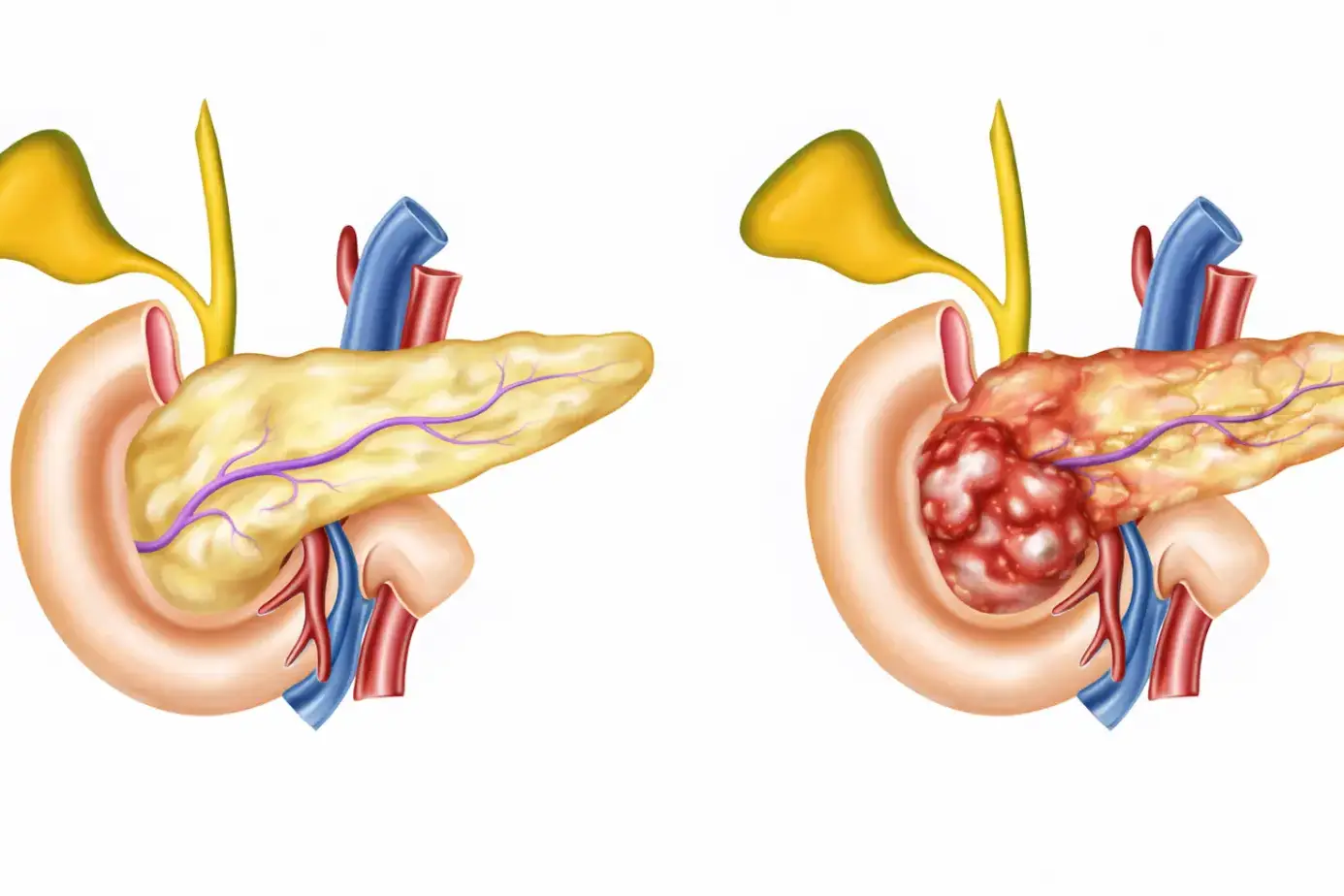
Liver cancer (hepatocellular carcinoma) develops primarily in damaged livers. Cirrhosis creates the perfect environment for cancer cells. Early tumors don’t hurt. Advanced cancer causes pain when tumors grow large enough to stretch the capsule or invade nearby blood vessels.
Metastatic cancer spreads to the liver from colon, breast, lung, or pancreatic tumors. Your liver becomes spotted with cancerous nodules. As these nodules multiply, the liver enlarges rapidly, creating progressive pain over weeks.
Liver Pain After Eating
Liver pain after eating confuses you because the liver doesn’t digest food directly. But eating triggers bile production, and that’s where problems start.
Your liver manufactures bile continuously (about 500-600 ml daily). Bile breaks down dietary fats into absorbable molecules. When food hits your small intestine, hormones signal your gallbladder to contract and release stored bile. This process increases blood flow to your liver by 30-50%. An already inflamed or swollen liver struggles with this extra workload.
- Fatty meals demand more bile production. Liver pain after eating causes an intensification after greasy burgers, fried chicken, or creamy pasta.
- Pain within 15-30 minutes of eating points toward liver or gallbladder issues.
- Pain developing 2-3 hours later suggests small intestine problems instead.
- Immediate pain after fatty foods specifically indicates bile production struggles.
- Protein-heavy meals create less liver stress than fat-heavy meals.
- Carbohydrates trigger the smallest response.
If your pain follows every meal regardless of content, you’re probably dealing with something besides the simple causes of liver pain .
When Liver Pain Signals a Serious Problem
Pain with fever means infection until proven otherwise. Liver abscesses, acute hepatitis, or cholangitis (bile duct infection) all combine pain with temperatures above 100.4°F. This combination requires urgent medical evaluation.
Pain with jaundice (yellowing skin and whites of eyes) indicates bile flow obstruction or severe liver dysfunction. Gallstones blocking bile ducts, advanced hepatitis, or cirrhosis all cause jaundice.
Unexplained weight loss alongside liver pain raises cancer concerns. Losing more than 10 pounds in a month without dieting signals is a warning sign in liver damage. Liver tumors have high metabolic demands.
Abdominal swelling (ascites) combined with pain indicates advanced liver disease. Cirrhosis causes most ascites cases.
Confusion or personality changes signal hepatic encephalopathy. You might notice hand tremors, slurred speech, or difficulty concentrating. This represents a medical emergency requiring immediate hospitalization.
Conditions That Cause Liver Pain Without Severe Damage
Fatty liver with acute stretching creates temporary discomfort. But losing 7-10% of body weight reverses fat accumulation in most people.
Temporary inflammation from viral illnesses can irritate your liver as collateral damage. Your body fights off influenza or COVID-19, and inflammatory chemicals circulate everywhere. The inflammation resolves within 2-3 weeks as your immune system calms down.
Drug-induced liver irritation happens with medications metabolized heavily by your liver. High-dose acetaminophen, certain antibiotics (amoxicillin-clavulanate), or statins (cholesterol medications) can inflame liver tissue. Medication reactions that reverse completely once you stop the drug.
Pregnancy-related liver stretching affects some women in the third trimester. Your growing uterus pushes your liver upward and outward. The capsule stretches. You feel right upper abdomen pressure that worsens when the baby kicks. This resolves after delivery without treatment.
When to See a Doctor for Liver Pain
Persistent pain lasting more than 5-7 days needs professional evaluation.
Worsening pain despite rest and hydration suggests progressive disease. Pain that forces you to stop normal activities or disrupts sleep requires urgent attention.
Associated symptoms like fever over 100.4°F, jaundice, dark urine (tea-colored), pale stools (clay-colored), severe fatigue, or unexplained bruising warrant immediate medical evaluation. These indicate complications beyond simple liver enlargement.
Known liver disease with new pain patterns means your condition may be advancing. If you have hepatitis or fatty liver disease and suddenly develop different or worse pain, see your doctor promptly.
FAQs: What Causes Liver Pain?
What causes liver pain under the ribs?
Liver enlargement from fatty deposits, hepatitis inflammation, or cirrhosis scarring stretches the liver capsule, creating right upper abdomen pain. The capsule contains nerve endings that fire when pulled tight. Liver pain under ribs causes include infections, tumors, and blood congestion backing up from heart failure.
Does fatty liver cause pain?
Yes, but only when fat accumulation enlarges your liver enough to stretch the capsule. Simple fatty liver without inflammation rarely hurts. Non-alcoholic steatohepatitis (NASH), where fat triggers immune responses, causes more pain because inflammation compounds the stretching effect.
Can liver pain occur after eating?
Liver pain after eating causes include increased bile production demands and temporary liver expansion during fat digestion. Fatty meals require 40-50% more bile output, forcing your liver to work harder.
Is liver pain always serious?
No. Temporary inflammation from viral illness or drug reactions can hurt significantly but resolve without permanent damage. However, persistent causes of liver pain lasting over a week require medical evaluation to rule out hepatitis, cirrhosis, or tumors that need treatment.
Does liver pain mean liver failure?
Pain doesn’t equal liver failure. Advanced cirrhosis sometimes causes minimal discomfort because the liver shrinks gradually. Conversely, acute hepatitis creates intense pain despite being reversible. Blood tests and imaging determine liver function better than pain severity alone.
Can the liver hurt without disease?
The liver itself never hurts because it lacks pain nerves. What causes liver pain is capsule stretching, which can happen temporarily during pregnancy, rapid weight gain, or medication reactions. These resolve without causing true liver disease.
Is liver pain sharp or dull?
Usually dull, constant, and achy. Sharp, stabbing pain suggests gallbladder stones, kidney stones, or muscle strain rather than liver problems. Liver inflammation pain causes persistent, grinding discomfort that worsens with pressure but doesn’t come in cramping waves.
Should liver pain be ignored?
Never ignore pain lasting more than 5 days or pain with fever, jaundice, or weight loss. Single brief episodes might not need immediate attention, but recurring causes of liver pain warrant blood tests and imaging to catch hepatitis, fatty liver disease, or cirrhosis early, when treatment works best.
About The Author

Medically reviewed by Dr. Nivedita Pandey, MD, DM (Gastroenterology)
Dr. Nivedita Pandey is a U.S.-trained gastroenterologist and hepatologist with extensive experience in diagnosing and treating liver diseases and gastrointestinal disorders. She specializes in liver enzyme abnormalities, fatty liver disease, hepatitis, cirrhosis, and digestive health.
All content is reviewed for medical accuracy and aligned with current clinical guidelines.