What Is Liver Failure?
Symptoms of liver failure appear when your liver stops working. Liver failure means your liver has lost at least 75% of its working ability.
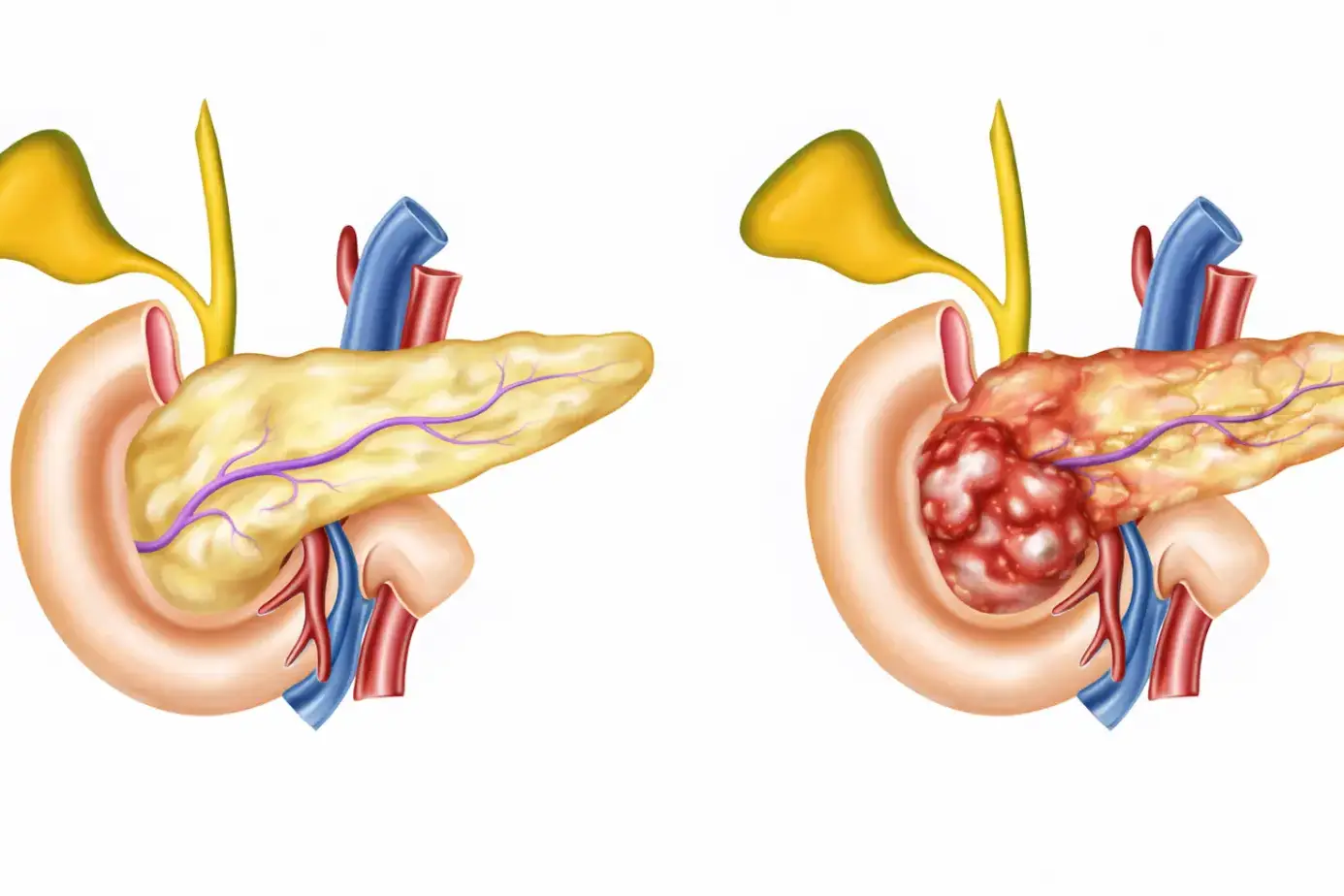
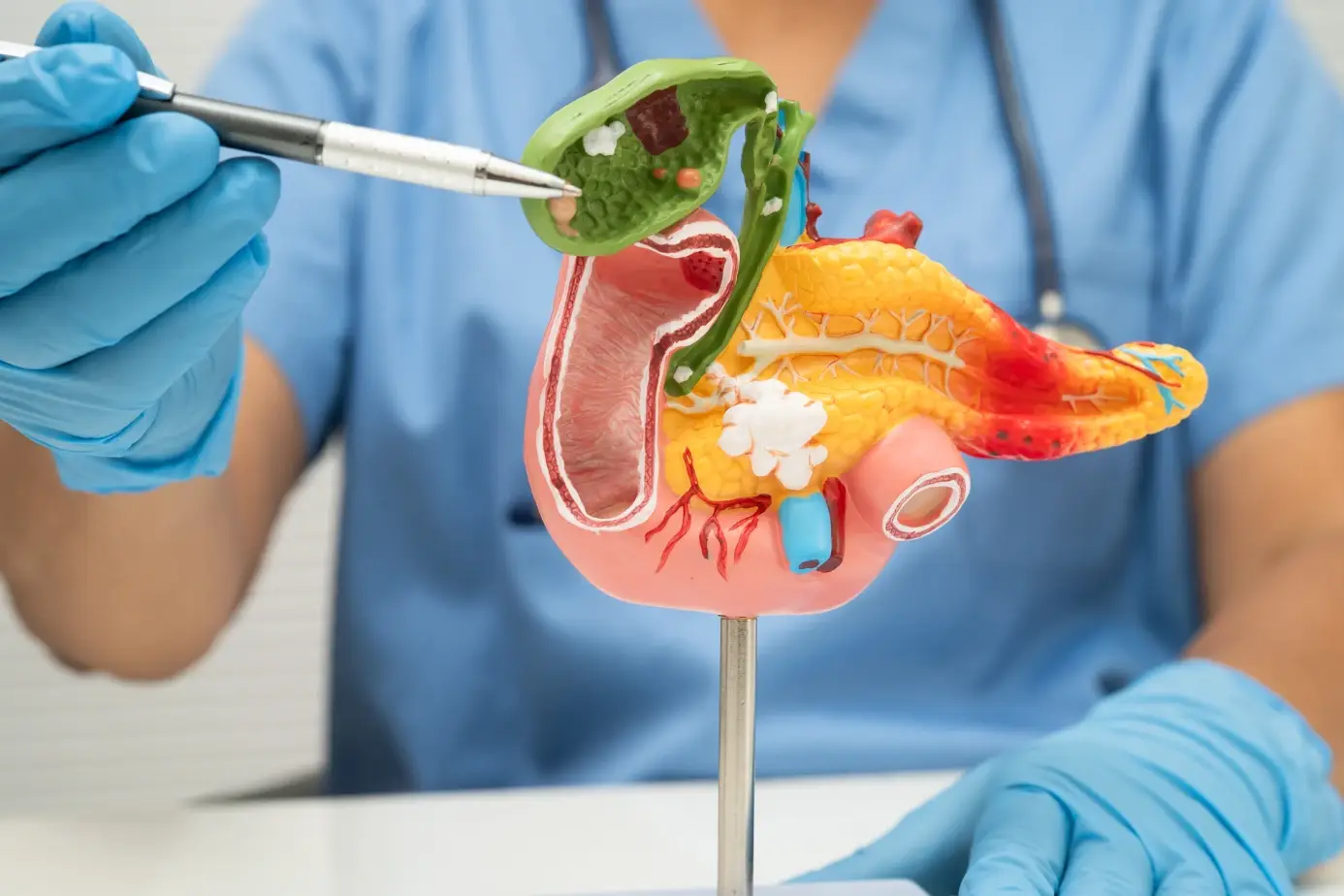
Your liver is a 3-pound organ tucked under your right ribcage, and it handles over 500 different tasks every single day. It cleans your blood, makes proteins that help wounds heal, stores energy, and breaks down everything you eat or drink.
Key Takeaways
- Symptoms of liver failure happen when your liver loses its ability to filter toxins and perform vital functions
- Early warning signs include constant fatigue, appetite loss, nausea, and mild belly pain
- Advanced symptoms of liver failure include yellow skin (jaundice), mental confusion, uncontrolled bleeding, and a swollen abdomen
- You need immediate medical care if you notice yellowing eyes or sudden confusion
Acute Liver Failure & Chronic Liver Failure
Acute liver failure strikes fast, sometimes within 48 hours. You had a healthy liver on Monday, and by Friday, it’s shutting down. This usually happens from drug overdoses (especially acetaminophen), severe infections, or poisoning.
Chronic liver failure takes years or even decades. Your liver gets damaged slowly from alcohol, hepatitis viruses, or fat buildup. Scar tissue slowly replaces healthy liver cells. You might not notice anything wrong until 80% of your liver is already damaged.
Early Symptoms of Liver Failure
The early symptoms of liver failure feel like a hundred other minor problems, which is why you ignore them for months.
You’re exhausted all the time. This is “I slept 10 hours and still can’t get off the couch” tired. When the liver fails to release glucose, your energy supply becomes unreliable.
Food stops appealing to you. Your favorite meals suddenly seem disgusting. You might eat half a sandwich and feel full. You may lose 10-15 pounds without trying.
Nausea becomes your daily companion. It hits you in waves, sometimes right after eating, sometimes on an empty stomach. This happens because toxins that your liver should filter start building up in your bloodstream.
Your upper belly feels uncomfortable. There’s a dull, persistent ache just below your right ribs. It’s more like someone’s pressing on that area constantly. As your liver swells from inflammation, it pushes against surrounding tissues.
Signs of Liver Failure as the Disease Progresses
When your liver continues breaking down, the signs of liver failure become impossible to miss.
Digestive and Metabolic Signs
Your weight drops rapidly, but you’re losing muscle, not fat. You might drop 20-30 pounds in a few months. Without a working liver, your body starts eating its own muscle tissue for energy.
Every meal brings bloating, gas, or stomach cramps. A slice of greasy food (pizza or a burger) can leave you nauseated for hours. Your stools might turn pale or clay-colored because your liver isn’t producing enough bile.
Blood sugar swings make you feel crazy. One hour, you’re shaky and confused from low blood sugar. The next hour, you feel exhausted from a sugar spike.
Skin and Appearance Changes
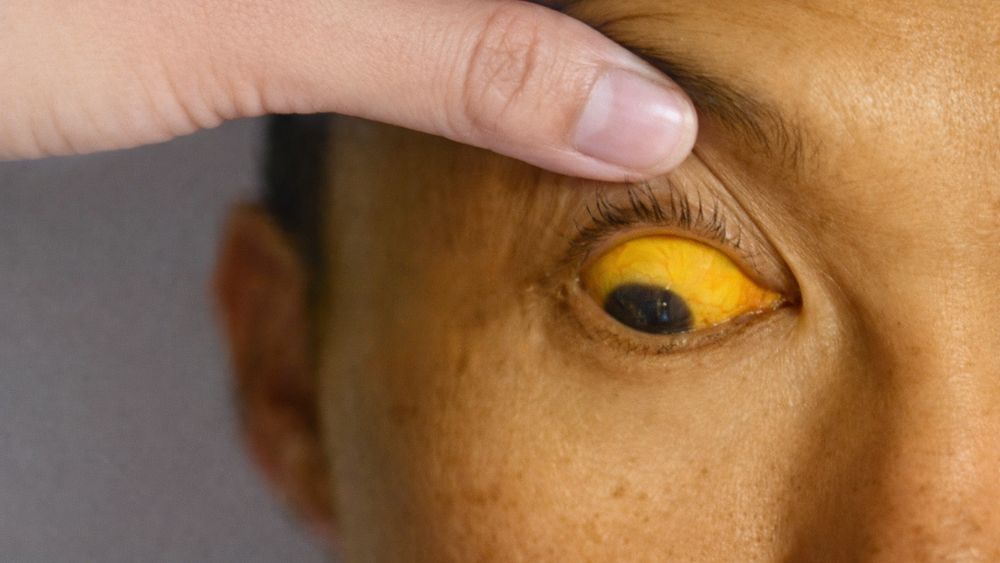
Yellow skin appears due to jaundice , one of the most recognizable symptoms of liver failure . Your eyes might look slightly yellow in bright light. Then your skin follows, turning anywhere from pale yellow to deep orange-yellow. Some people’s palms and feet turn yellow while their face stays normal.
Your whole body itches, especially at night , particularly your arms, legs, and back. Scratching brings no relief. You may scratch until you bleed. This happens because bile salts accumulate under your skin when your liver can’t process them. No cream or lotion helps.
You bruise from barely touching anything. You might notice tiny red or purple dots (petechiae) on your skin. Your gums bleed when you brush your teeth. Without the liver’s clotting factors, your blood stays thin and won’t clot properly.
Spider veins appear on your chest and face. These look like tiny red spiders with legs radiating out from a central point. Doctors call them spider angiomas.
Jaundice in Liver Failure
Every day, your body destroys about 1% of your red blood cells and makes new ones. When red blood cells die, they release hemoglobin, which breaks down into bilirubin. Your liver grabs this bilirubin, processes it, mixes it with bile, and pushes it into your intestines. You get rid of it when you poop.
When your liver fails, bilirubin builds up in your blood. Normal bilirubin levels are under 1.2 mg/dL. When levels hit 2-3 mg/dL, you start looking yellow. At 10-15 mg/dL, you’re deeply jaundiced.
Jaundice in liver failure almost always means your liver has lost significant function. By the time yellow appears, you’re dealing with serious liver disease. Your urine turns dark brown or orange because your kidneys try to filter out excess bilirubin.
| Note: Not all jaundice means liver failure. Newborn babies get jaundice because their livers aren’t fully developed yet. Some people have Gilbert’s syndrome, a harmless genetic condition that causes mild jaundice. |
Liver Disease Stages and Symptom Progression
Liver disease stages show exactly how damage progresses and what you’ll experience at each level.
Stage 1: Inflammation. Your liver cells are injured but still functioning. Blood tests show elevated liver enzymes (ALT and AST above 40 U/L). You feel nothing or just vague tiredness. The symptoms of liver failure aren’t obvious because your liver compensates by overworking healthy cells.
Stage 2: Fibrosis. Scar tissue starts forming permanently. Your liver stiffens. You notice the early symptoms of liver failure : persistent fatigue, nausea, reduced appetite. FibroScan imaging can detect this scarring early.
Stage 3: Cirrhosis. Scar tissue replaces healthy liver tissue significantly. The signs of liver failure are jaundice, belly with fluid, and the beginning of confusion. Varicose veins form in your esophagus (varices) and can rupture, causing life-threatening bleeding.
Stage 4: End-Stage Disease. Your liver stops working. Symptoms of liver failure are deep jaundice, constant confusion from ammonia buildup, uncontrolled bleeding, kidney failure. Without transplant, survival is months or weeks.
What Causes Liver Failure?
Causes of liver failure differ between acute and chronic types, but both destroy liver cells.
Alcohol abuse is the top cause of chronic failure. Drinking heavily for 10-20 years poisons liver cells.
| Did you know? Women develop liver damage faster than men due to different alcohol metabolism. Just 2-3 daily drinks for women or 3-4 for men can cause cirrhosis over time. |
Viral hepatitis, like hepatitis B and C viruses, lives in liver cells and multiplies, causing inflammation and scarring. Hepatitis C stays silent for 20 years before causing symptoms of liver failure .
Fatty liver disease (NAFLD) (too much fat in liver cells) affects people with obesity, diabetes, or metabolic syndrome. About 20% progress to liver failure over 10-20 years.
Drug-induced injury triggers acute failure. Acetaminophen overdoses (more than 4,000 mg daily) kill liver cells within hours. Some antibiotics, anti-seizure medications, and herbal supplements cause toxicity. Mixing medications with alcohol multiplies damage.
Other causes of liver failure include autoimmune hepatitis (your immune system attacks your liver), hemochromatosis (iron overload), and Wilson’s disease (copper buildup).
Can Liver Failure Symptoms Be Reversed?
Catching liver disease in Stage 1 or 2 offers real improvement chances.
Acute liver failure sometimes reverses. If acetaminophen overdose is caught within 8-10 hours, N-acetylcysteine (NAC) antidote can save your liver. Antiviral medications help virus-caused failure.
Chronic liver failure is harder. Cirrhosis never reverses. Scar tissue stays forever. But you can stop progression. Quit all alcohol. If you have hepatitis C, antiviral drugs cure it in 95% of cases. For fatty liver disease, losing 7-10% of body weight reduces liver fat and inflammation.
Some symptoms of liver failure respond to treatment. Jaundice fades when the underlying cause is controlled. Doctors drain belly fluid (paracentesis) to relieve swelling. Lactulose clears ammonia from blood, reducing confusion. Blood transfusions and vitamin K help bleeding.
If your liver is over 80% scarred, symptom management is your only option besides transplant.
When Should You See a Doctor?
Go immediately if you see yellow in your eyes. This is non-negotiable. Jaundice in liver failure signals serious liver damage. Even mild yellowing needs urgent evaluation.
Confusion or personality changes require emergency care. If you’re forgetting things constantly or acting weird, your brain is being poisoned by toxins. This is hepatic encephalopathy. Get to an ER.
Vomiting blood or black stools means internal bleeding. Varices (enlarged veins) have ruptured. You can bleed to death quickly. Call 911.
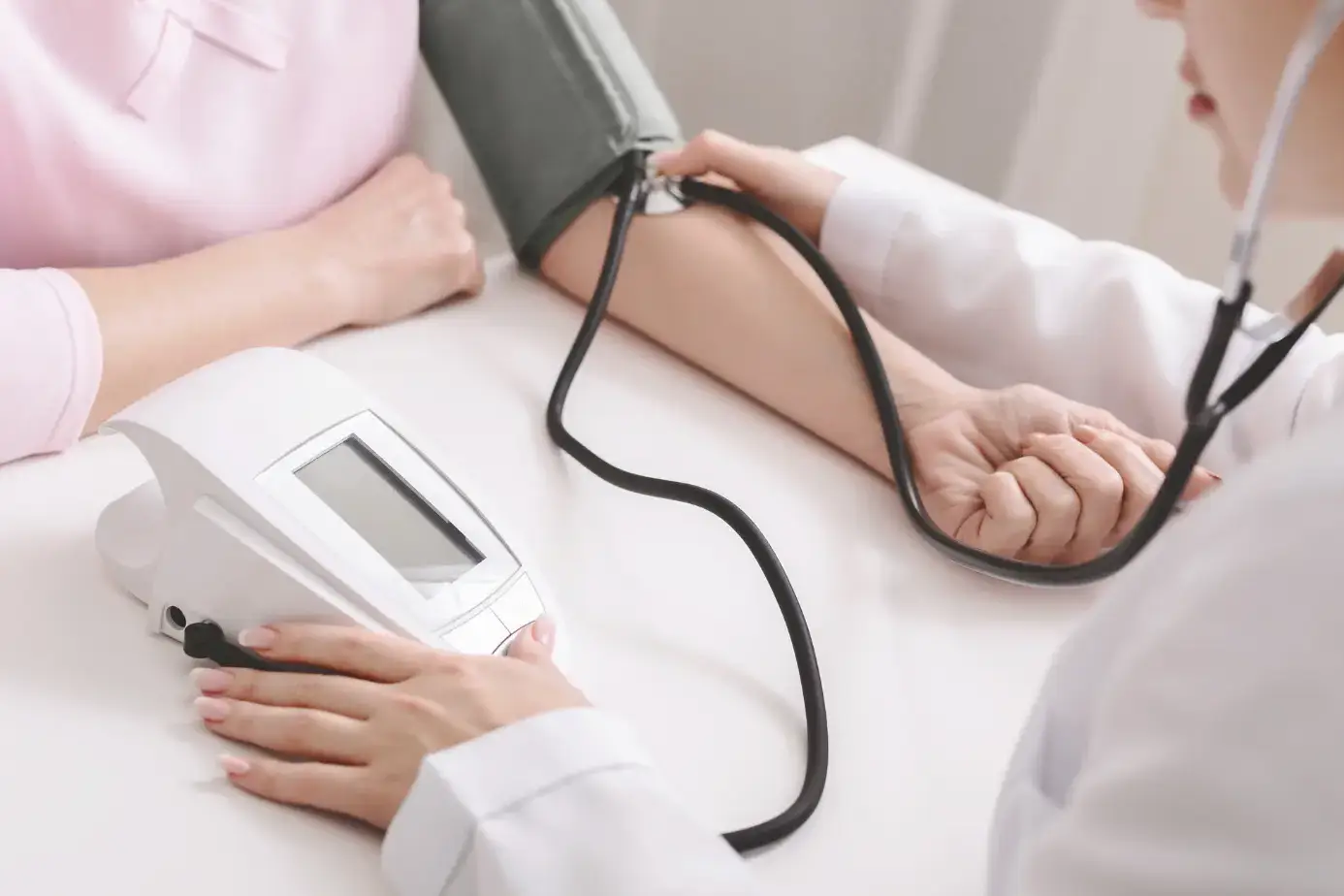
Persistent symptoms lasting 2-3 weeks deserve attention. If fatigue, nausea, or appetite loss won’t go away, get blood work. A simple liver panel checks ALT, AST, bilirubin, and albumin levels.
If you have risk factors, get screened regularly. Heavy drinkers need annual liver tests. People with hepatitis need monitoring every 6 months. Those with diabetes or obesity should check for fatty liver disease.
FAQs: Symptoms of Liver Failure
What are the first symptoms of liver failure?
The first symptoms of liver failure are constant exhaustion that sleep doesn’t fix, appetite loss where food seems disgusting, waves of nausea throughout the day, and dull pain below your right ribs. These appear when your liver loses about 60-70% of function but you might ignore them for months, thinking it’s stress.
Does liver failure always cause jaundice?
No. Early symptoms of liver failure rarely include jaundice. Yellow skin and eyes typically appear only when bilirubin levels exceed 2-3 mg/dL, which happens in advanced stages after 75-80% of liver function is lost. You can have significant liver damage with normal skin color.
Can liver failure occur suddenly?
Yes. Acute liver failure develops within 48-72 hours from acetaminophen overdose (taking more than 4,000 mg), toxic mushroom poisoning, severe hepatitis A infection, or certain drug reactions. Your liver crashes from healthy to failing in days, unlike chronic failure, which takes years.
Is confusion a symptom of liver failure?
Yes. When your liver fails, ammonia and other toxins accumulate in your bloodstream and cross into your brain, causing hepatic encephalopathy. You experience confusion, personality changes, slurred speech, trembling hands, and eventually coma. This happens because symptoms of liver failure include lost detoxification ability.
Is liver failure life-threatening?
Yes, always. Without treatment, liver failure kills you within days (acute) or months (chronic). Your liver controls blood clotting, toxin removal, protein production, and glucose regulation. When it stops, your brain swells, kidneys fail, you bleed uncontrollably, and organs shut down sequentially.
Can symptoms improve with treatment?
Sometimes. If you catch the causes of liver failure early and address them (quit alcohol, cure hepatitis C, lose weight for fatty liver) symptoms often improve. Jaundice can fade, energy returns, nausea stops. But cirrhosis (scar tissue) never reverses. Treatment prevents worsening, not complete healing.
Do symptoms differ between acute and chronic failure?
Yes dramatically. Acute failure hits violently within days: sudden jaundice, severe confusion, bleeding, massive belly swelling. Chronic failure causes gradual fatigue, slow weight loss, mild symptoms that progressively worsen. Both end at the same deadly point but acute gives you no warning.
Should mild symptoms be ignored?
Never. The early symptoms of liver failure like fatigue and nausea seem minor but they signal 60-70% liver damage already. Your liver compensates silently until it can’t anymore. By the time symptoms feel “serious,” you’re in advanced disease. Get blood tests for persistent symptoms lasting three weeks.
About The Author

Medically reviewed by Dr. Nivedita Pandey, MD, DM (Gastroenterology)
Dr. Nivedita Pandey is a U.S.-trained gastroenterologist and hepatologist with extensive experience in diagnosing and treating liver diseases and gastrointestinal disorders. She specializes in liver enzyme abnormalities, fatty liver disease, hepatitis, cirrhosis, and digestive health.
All content is reviewed for medical accuracy and aligned with current clinical guidelines.