A 7-day liver cleanse diet won’t detoxify your liver because your liver already does that job 24/7. What it can do is reduce the workload on your liver by cutting out foods that make it work overtime. Your liver filters about 1.4 liters of blood every minute, breaks down fats, stores vitamins, and manages blood sugar.
When you eat processed foods, added sugars, and drink alcohol, your liver has to process all of that on top of its regular duties. This seven-day plan gives your liver breathing room by eliminating what stresses it most.
Key Takeaways
- Your liver cleans itself continuously through two-phase detoxification
- A 7-day liver cleanse diet reduces liver stress through better food choices
- Eat fiber-rich vegetables, lean proteins, whole grains, and drink plenty of water
- Skip added sugars, alcohol, refined carbs, and processed foods completely
- 7-day liver cleanse diet won’t cure liver disease, but can lower inflammation markers
- Safe for healthy adults when done without extreme calorie restriction
What Is a 7-Day Liver Cleanse Diet?
A 7-day liver cleanse diet is a structured eating pattern that removes foods known to stress liver function while providing nutrients your liver needs to work efficiently. You’re not cleansing anything. You’re just making your liver’s existing job easier.
Liver cleanses don’t involve drinking special juices or taking expensive supplements that somehow “flush out toxins.” Your liver has built-in detoxification pathways.
- Phase 1 detoxification uses enzymes called cytochrome P450 to break down harmful substances into intermediate compounds.
- Phase 2 takes those intermediates and attaches molecules to them (a process called conjugation), so they become water-soluble, and your body can eliminate them through urine or bile.
- This happens constantly without any special intervention.
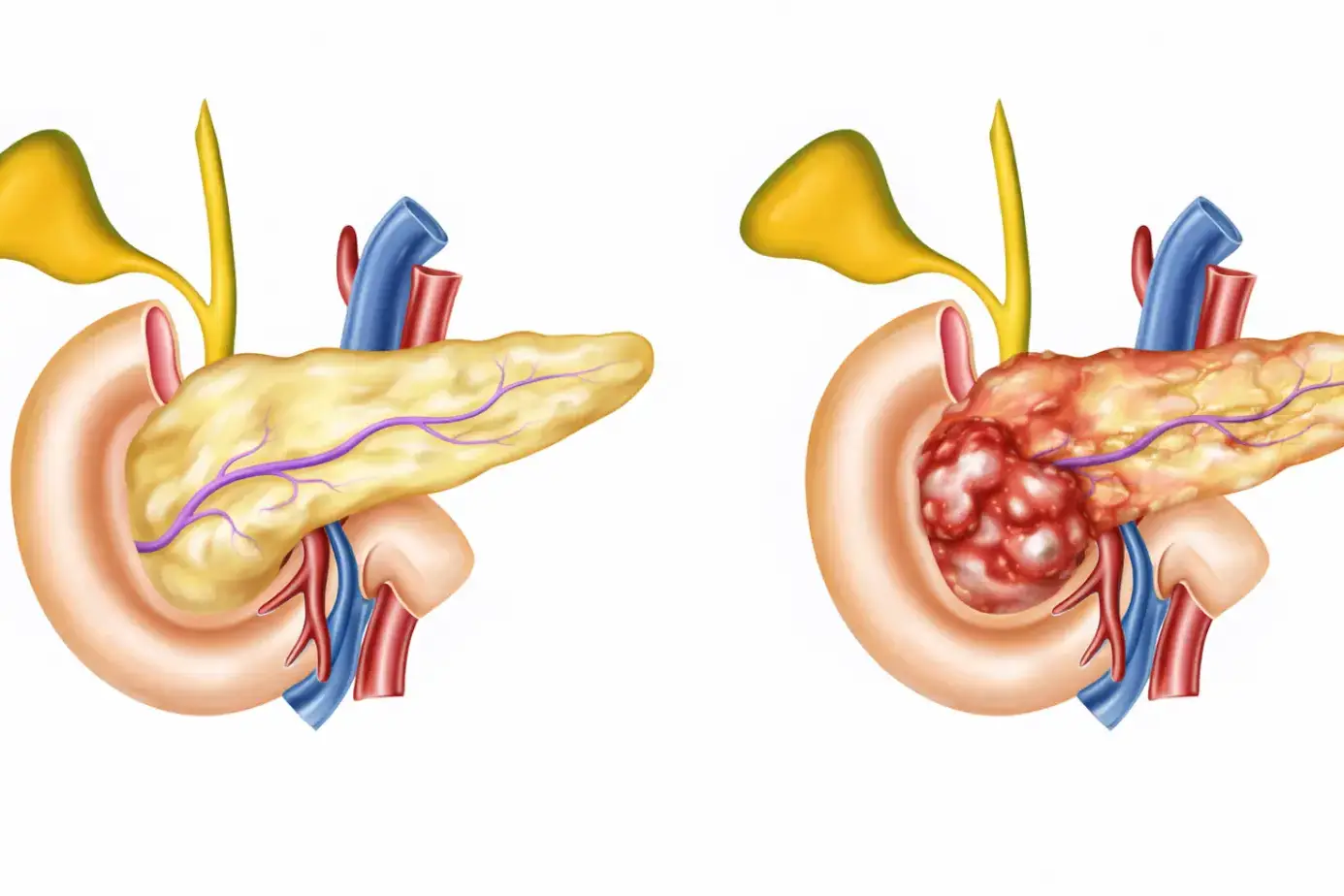
Toxins don’t accumulate in your liver tissue and need removal. Your liver processes toxins and sends them out. The closest thing to liver “buildup” is fat accumulation in liver cells, which happens with fatty liver disease. But that’s fat, not toxins, and it takes months of lifestyle changes to reduce it.
In the 7-day liver cleanse diet , you reduce inflammatory foods, stabilize insulin levels, and give your digestive system a break from processing junk.
Liver Detox Plan at Home 7 Days Explained
Seven days isn’t enough time to reverse liver damage or cure a disease. But inflammatory markers (like C-reactive protein) can drop noticeably within 5-7 days of dietary improvement. Your gut microbiome starts shifting within 3-4 days of changing what you eat. Blood sugar stability improves within the first week of cutting refined carbohydrates. These changes create momentum.
This 7-day liver cleanse diet accomplishes reduced bloating, steadier energy levels throughout the day, improved bowel movements (fiber does this), less brain fog after meals, and sometimes minor weight loss (mostly water weight and reduced inflammation, not fat).
This 7-day liver cleanse diet won’t reverse years of poor eating, eliminate existing liver fat, cure hepatitis or cirrhosis, or permanently change your health without continued effort.
Liver Detox Diet Chart 7 Days
This phased approach gradually reduces liver stress, then stabilizes your eating patterns for long-term maintenance.
Day 1-2: Reducing Liver Load
Your liver processes everything you consume. These first two days focus on elimination.
Cut out all added sugars immediately. No soda, candy, pastries, sweetened coffee drinks, or flavored yogurt. Check labels because sugar hides in bread, pasta sauce, salad dressing, and supposedly “healthy” granola bars.
Remove alcohol completely. Even moderate drinking interferes with liver function.
Eliminate fried foods and processed meats. Processed meats contain nitrates and nitrites that your liver has to detoxify.
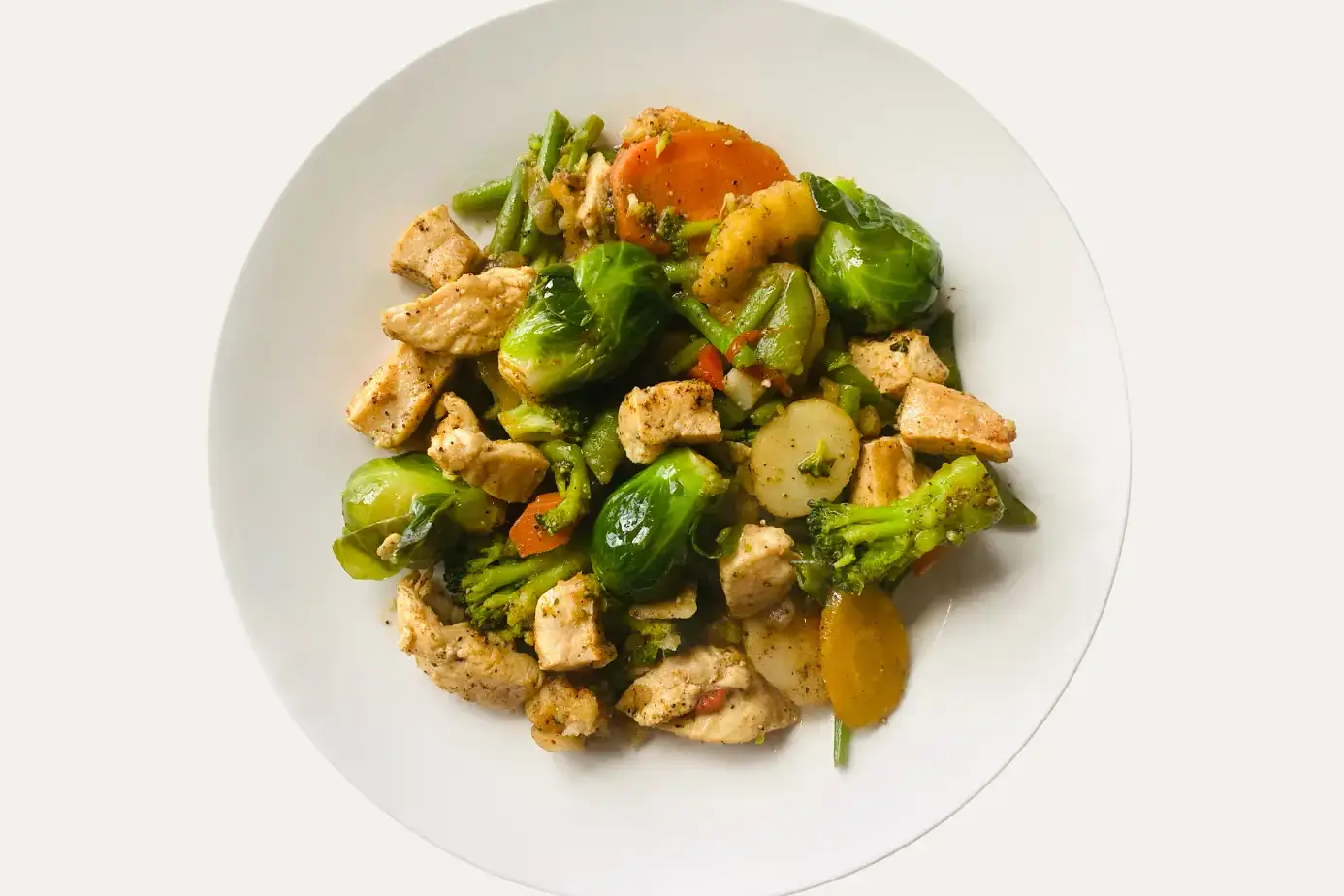
Eat simple, whole foods. Oatmeal with berries for breakfast. Grilled chicken with steamed broccoli for lunch. Lentil soup with brown rice for dinner.
Drink 8-10 glasses of water daily. Your kidneys eliminate the water-soluble waste products your liver has already processed.
| Note: You might feel tired or get headaches on day one or two. That’s not “toxins leaving your body.” It’s caffeine withdrawal if you quit coffee, sugar withdrawal if you ate a lot of sweets, or simple calorie adjustment if you were overeating. It passes quickly. |
Day 3-5: Supporting Fat Metabolism
Add cruciferous vegetables: broccoli, cauliflower, Brussels sprouts, cabbage, kale. These contain compounds called glucosinolates that break down into substances like sulforaphane, which activates Phase 2 detoxification enzymes. Your liver uses these enzymes to neutralize potential carcinogens.
Increase fiber intake to 25-30 grams daily. This is one mechanism by which fiber lowers blood cholesterol naturally.
Include lean proteins at every meal. Good sources: fish (salmon provides omega-3 fatty acids that reduce liver inflammation), chicken breast, turkey, eggs, tofu, lentils, chickpeas, and Greek yogurt.
Add moderate amounts of healthy fats. Your gallbladder (which stores bile your liver produces) needs some fat in your diet to contract and release bile properly. Use olive oil for cooking, add a quarter avocado to salads, or eat a small handful of walnuts or almonds.
Day 6-7: Stabilization Phase
Combine food groups smartly. Breakfast might be scrambled eggs with spinach and whole-grain toast. Lunch could be a quinoa bowl with grilled chicken, mixed vegetables, and tahini dressing. Dinner might include baked fish, roasted sweet potatoes, and a side salad.
| Watch portion sizes without obsessing: Use your hand as a portion guide: protein the size of your palm, carbohydrates the size of your fist, and fats the size of your thumb. |
Avoid rebound eating. After seven days of cleaner eating, don’t immediately return to your old habits.
Foods for a 7 Day Liver Cleanse
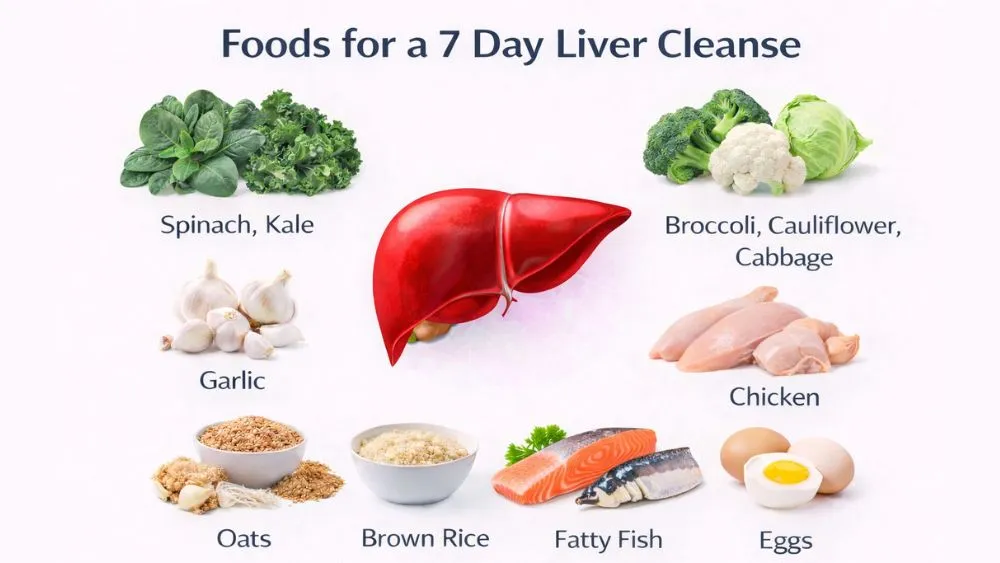
Your liver needs specific nutrients to run its detoxification enzymes efficiently. liver diet plan for a 7-day liver cleanse means choosing items that provide those nutrients without adding inflammatory compounds or excess calories your liver has to process.
Leafy greens like spinach, kale, and arugula contain chlorophyll, which binds to heavy metals and helps eliminate them through your digestive tract.
Cruciferous vegetables (broccoli, cauliflower, cabbage, Brussels sprouts) activate enzymes that break down estrogen metabolites, reducing hormonal load on your liver.
Beets contain betaine, a compound that helps your liver cells eliminate toxins and protects against fatty buildup. Garlic has sulfur compounds (allicin and selenium) that activate liver enzymes responsible for flushing out toxins. Just two cloves daily can activate these enzymes significantly.
Whole grains like oats, quinoa, and brown rice stabilize blood sugar, preventing insulin spikes that tell your liver to convert excess glucose into fat. They also provide B vitamins your liver needs for energy metabolism. Steel-cut oats contain beta-glucan fiber that binds to cholesterol in your digestive tract.
Fatty fish (salmon, mackerel, sardines) provide omega-3 fatty acids (EPA and DHA) that reduce inflammation in liver cells. Omega-3s can lower liver fat percentage when consumed regularly.
Lean proteins from chicken, turkey, eggs, and legumes supply amino acids your liver needs to produce glutathione.
| Did you know? One egg provides about 147 mg of choline (prevents fat accumulation in liver cells); you need roughly 400-550 mg daily, depending on your sex. |
Walnuts contain arginine (an amino acid) that helps your liver detoxify ammonia, a toxic byproduct of protein metabolism. Green tea has catechins (antioxidants) that protect liver cells from oxidative damage and improve liver enzyme levels.
Citrus fruits like lemons, limes, and grapefruit are high in vitamin C, which helps produce glutathione. Grapefruit contains naringenin, an antioxidant that activates chemicals responsible for fatty acid oxidation (fat burning) in the liver.
Turmeric contains curcumin, which protects liver cells from damage and helps regenerate healthy liver cells. It also increases bile production.
| Note: Curcumin (turmeric) absorbs poorly without black pepper (which contains piperine that increases absorption by 2000%). |
Foods to Avoid With Fatty Liver
Added sugars and high-fructose corn syrup hit your liver hard. When you consume large amounts (like from soda, candy, or sweetened coffee drinks), your liver converts excess fructose into fat. This fat accumulates in liver cells, causing non-alcoholic fatty liver disease.
| Did you know? One 20-ounce soda contains about 65 grams of sugar, mostly high-fructose corn syrup. Your liver has to process all of it at once. |
Refined carbohydrates like white bread, white rice, regular pasta, and crackers spike your blood sugar rapidly. Your pancreas releases insulin to lower that sugar. Repeated insulin spikes create insulin resistance, where your cells stop responding to insulin properly. Your liver then stores even more fat.
Alcohol is a direct hepatotoxin (liver poison). When you drink, your liver prioritizes metabolizing alcohol over everything else. Chronic drinking leads to alcoholic fatty liver, hepatitis, fibrosis, and eventually cirrhosis. Even moderate drinking (1-2 drinks daily) increases liver fat in some people.
Foods to avoid with fatty liver include fried foods because reheated cooking oils form trans fats and acrylamide (a carcinogen). Your liver has to detoxify these compounds, creating oxidative stress. French fries, fried chicken, and donuts are the worst offenders.
Processed meats (bacon, sausage, hot dogs, deli meat) contain nitrates and nitrites (preservatives) that damage liver cells.
Full-fat dairy products in large quantities overload your liver with saturated fat. While small amounts are fine, drinking whole milk daily or eating cheese at every meal forces your liver to process excess fat.
Ultra-processed foods (anything with more than five ingredients or words you can’t pronounce) contain additives, artificial colors, preservatives, and emulsifiers. Some emulsifiers damage your gut lining, allowing bacterial toxins into your bloodstream. Your liver then has to filter those toxins.
| Did you know? Excess salt (more than 2,300 mg daily) can worsen liver fibrosis (scarring) in people who already have liver disease. Most ultra-processed foods contain massive amounts of sodium. |
What This 7-Day Liver Cleanse Diet Will NOT Do
A 7-day liver cleanse diet will not “flush toxins” from your liver. Your liver doesn’t accumulate toxins that need flushing. It processes them continuously into water-soluble compounds that your kidneys eliminate. There’s no toxic buildup sitting in your liver cells waiting to be released. Anyone claiming you’ll “expel toxins” after drinking their special juice is selling snake oil.
A 7-day liver cleanse diet will not cure fatty liver disease, hepatitis, cirrhosis, or any diagnosed liver condition. Fatty liver takes months to years to develop and requires months of sustained dietary change plus weight loss (if you’re overweight) to reverse. Hepatitis is a viral or autoimmune condition requiring medical treatment. Cirrhosis involves permanent scarring that diet cannot undo.
A 7-day liver cleanse diet will not replace medical care or medication for liver disease, high cholesterol, diabetes, or any condition; keep taking it. Diet supports medical treatment but never replaces it.
A 7-day liver cleanse diet will not make you lose significant body weight. You might drop 2-4 pounds, but that’s mostly water weight from reduced sodium intake and less glycogen storage (glycogen holds water). Fat loss requires a sustained calorie deficit over weeks and months.
A 7-day liver cleanse diet will not eliminate years of alcohol damage or poor eating habits. If you’ve been drinking heavily or eating processed foods for decades, seven days of clean eating won’t erase that history.
Is a 7-Day Liver Cleanse Safe?
A 7-day liver cleanse diet is safe for most healthy adults because you’re eating regular meals with adequate nutrients. You’re not fasting, taking sketchy supplements, or restricting calories dangerously.
However, people with diabetes need careful blood sugar monitoring when changing their diet significantly. Cutting carbs suddenly can cause hypoglycemia (low blood sugar) if you’re on diabetes medication. Talk to your doctor first.
Pregnant or breastfeeding women have different nutritional requirements. Restricting any food groups or changing eating patterns can affect fetal development or milk production. Pregnancy is not the time for dietary experiments.
If you are taking medications metabolized by the liver (statins, blood thinners, antidepressants, or birth control pills), you might see changes in how those drugs work when you change your diet.
| Example: Grapefruit blocks an enzyme called CYP3A4 that metabolizes many medications, causing drug levels to rise dangerously. |
If you are diagnosed with liver disease (cirrhosis, hepatitis, fatty liver disease), your doctor might recommend specific dietary changes based on your condition.
Warning signs to stop the 7-day liver cleanse diet immediately:
Severe fatigue that doesn’t improve after day two, persistent headaches unrelieved by hydration, dizziness or lightheadedness, nausea that lasts more than a day, abdominal pain, yellowing of skin or eyes (jaundice), dark urine, or pale stools. These symptoms indicate potential liver problems requiring medical attention.
FAQs – 7-Day Liver Cleanse Diet
Does a 7-day liver cleanse detox the liver?
No, because your liver detoxifies itself constantly through enzymatic processes. A 7-day liver cleanse diet reduces foods that stress liver function (added sugars, alcohol, trans fats), allowing your liver to work more efficiently, but it doesn’t “detox” anything your liver wasn’t already handling.
Can this help fatty liver?
Yes, but only as a starting point. Reducing sugar and refined carbs lowers insulin levels, which decreases fat storage in liver cells. Weight loss of 7-10% over several months is needed to reduce liver fat significantly. This 7-day liver cleanse for fatty liver begins that process but won’t reverse the condition alone.
Is fasting required?
No, fasting is counterproductive. Extended fasting breaks down muscle protein for energy, depleting amino acids your liver needs to produce glutathione and detoxification enzymes. This 7-day liver cleanse diet uses regular meals with whole foods instead of calorie restriction or juice fasts.
Will liver fat disappear in 7 days?
No, liver fat takes months to reduce. Fatty liver develops over years and reverses slowly through sustained weight loss, improved diet, and exercise. Seven days reduces inflammation markers and blood sugar spikes, which helps long-term, but liver fat percentage won’t change noticeably in one week.
Is this safe for everyone?
No, people with diabetes, liver disease, pregnancy, or those taking liver-metabolized medications need medical clearance first. Healthy adults can safely follow this liver detox plan at home 7 days without medical supervision, but medical conditions require personalized guidance from healthcare providers.
Can I repeat the 7-day plan?
Yes, though making permanent dietary changes works better than cycling short-term plans. You can repeat this 7-day liver cleanse diet monthly while working toward sustainable eating habits. The real benefit comes from maintaining these food choices long-term, not from repeated seven-day cycles.
Does this replace medication?
No, never stop prescribed medications without your doctor’s approval. Diet supports medical treatment for conditions like fatty liver, high cholesterol, or diabetes, but it doesn’t replace medication. Continue all prescribed treatments while following this liver detox diet chart 7-day plan.
Is this better than detox drinks?
Yes, because detox drinks lack scientific basis and often contain high sugar loads that stress your liver. Real whole foods provide fiber, protein, vitamins, and minerals your liver actually uses for detoxification. The foods for the 7-day liver cleanse are evidence-based, unlike marketed detox beverages.
About The Author

Medically reviewed by Dr. Nivedita Pandey, MD, DM (Gastroenterology)
Dr. Nivedita Pandey is a U.S.-trained gastroenterologist and hepatologist with extensive experience in diagnosing and treating liver diseases and gastrointestinal disorders. She specializes in liver enzyme abnormalities, fatty liver disease, hepatitis, cirrhosis, and digestive health.
All content is reviewed for medical accuracy and aligned with current clinical guidelines.