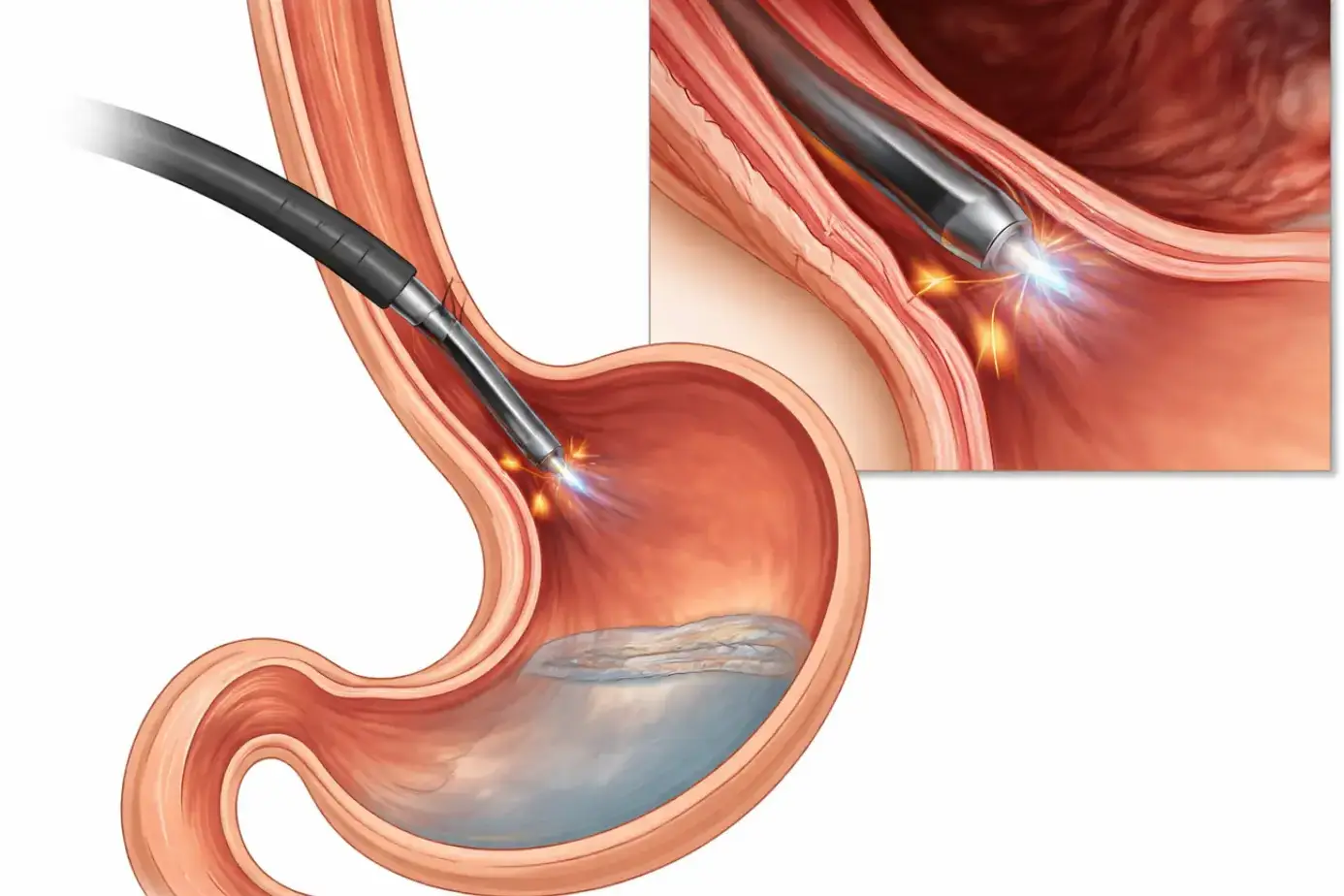
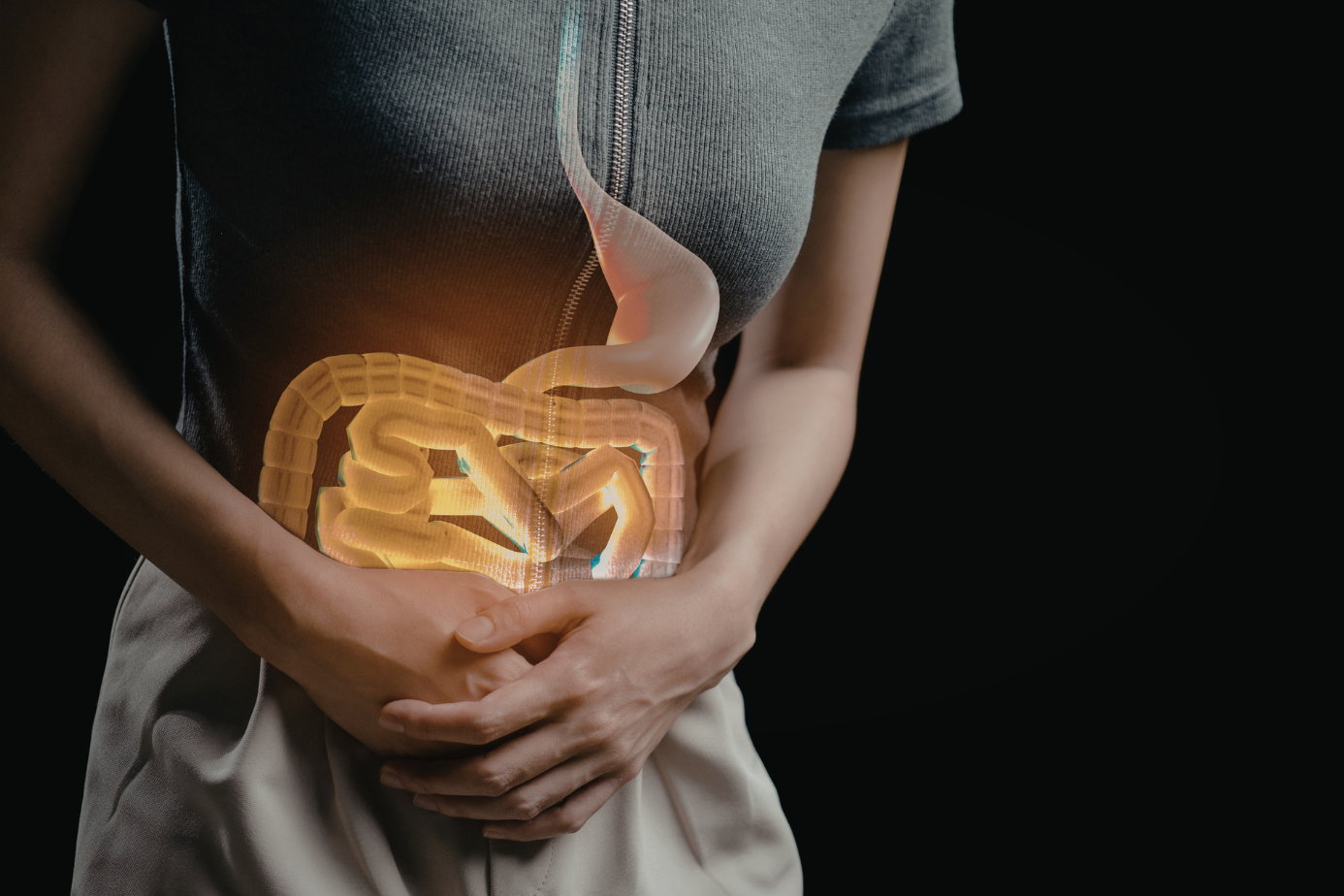
Signs of healthy gut are more than just about going to the bathroom without trouble. Your gut influences your energy, mood, skin, and immunity. When it’s in good shape, your whole body benefits.
This guide will show you the 7 common signs of a healthy gut and give you practical digestive health tips you can start using today. If you’ve ever wondered, “how do I know if my gut is healthy?”, this article is your checklist.
7 Common Signs of a Healthy Gut
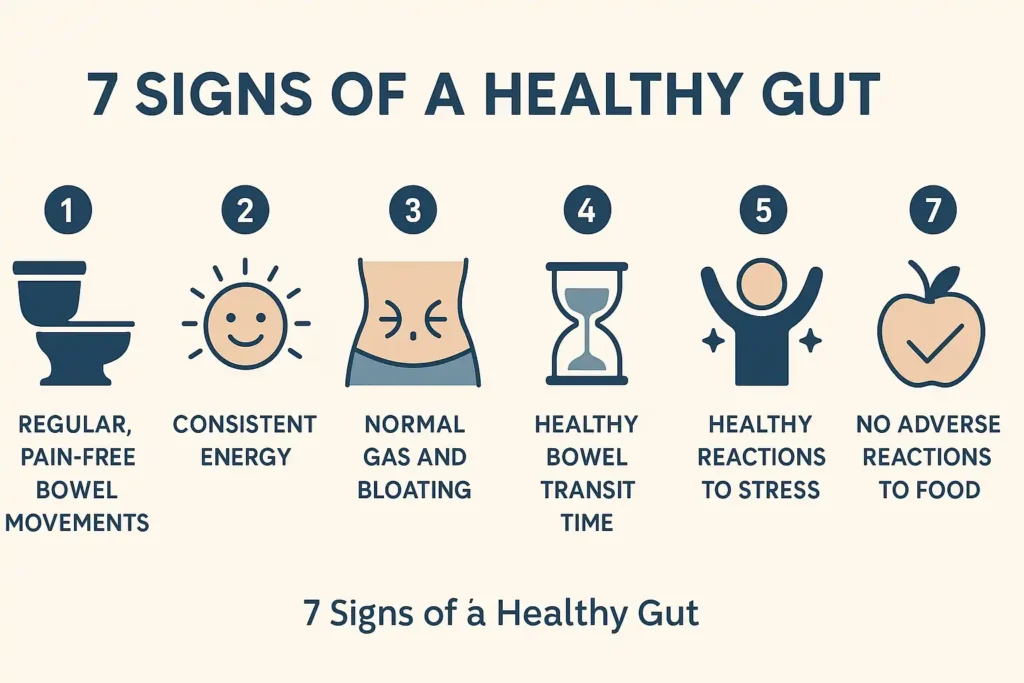
Knowing the signs of healthy gut can help you spot problems early and take steps to improve digestive health. A strong gut means your body digests food well, absorbs nutrients, and keeps harmful bacteria in check.
1. Regular and Pain-Free Bowel Movements
One of the clearest signs of healthy gut is going to the bathroom regularly without pain. Healthy bowel movement patterns are soft, well-formed, and easy to pass. Constipation, diarrhea, or straining may indicate issues with your digestive system health.
Aim for at least one comfortable bowel movement daily.
2. Consistent Energy
A healthy gut microbiome breaks down food efficiently, giving your body steady fuel. If you don’t have frequent energy crashes, it’s a sign your digestion and nutrient absorption are working well.
Low energy after meals may signal the need to improve gut health.
3. Normal Amount of Gas and Bloating
Gas is normal, but constant bloating isn’t. Balanced intestinal flora process food without producing excessive gas.
If your gut bacteria balance is healthy, you’ll feel comfortable most of the day, even after meals. Sudden changes in bloating may point to food intolerances.
4. Healthy Bowel Transit Time
Food should pass through your system in about 12–24 hours. Too slow means waste sits too long; too fast means poor absorption.
Balanced transit time supports colon health and overall digestive wellness. Drinking enough water and eating fiber helps keep this balance.
5. Mental Clarity
A well-functioning gut transmits fewer inflammatory signals to the brain, which helps in alleviating brain fog. If you are able to think clearly and retain information effectively, it is likely that your gut health is optimal.
6. Healthy Reactions to Stress
Stress can upset your gastrointestinal health. If you can manage stress without stomach pain, diarrhea, or nausea, that’s a positive sign. Stress resilience often means your gut lining and bacteria are balanced.
7. No Adverse Reactions to Food
If you can enjoy different foods without bloating, cramps, or heartburn, your gut likely has strong microbiota diversity. A healthy gut can handle occasional treats without major discomfort.
What Causes Poor Gut Health?
Poor gut health happens when the natural balance of bacteria is disturbed.
Common causes include:
- Diets high in processed foods and sugar
- Low fiber intake
- Chronic stress and poor sleep
- Frequent antibiotic use
- Not eating a variety of foods
- Dehydration
These factors damage beneficial bacteria and weaken the gut lining, making it harder to digest food and absorb nutrients.
How To Improve Your Gut Health
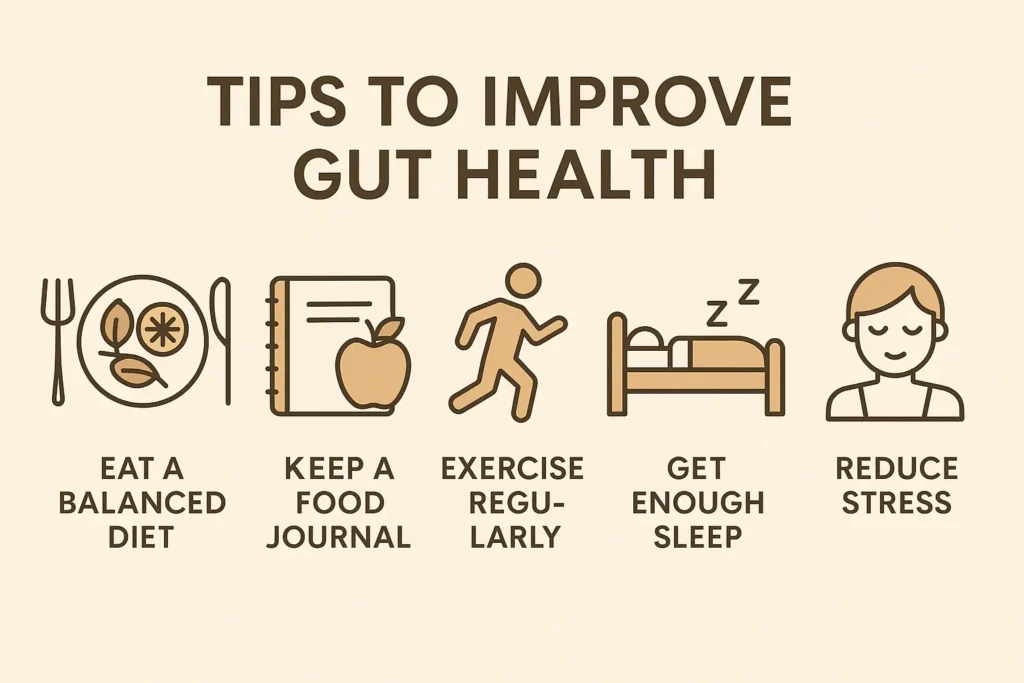
Improving your gut doesn’t require fancy supplements. Small, consistent changes work best. Here are some proven ways to improve digestion and boost overall health:
Eat a Balanced Diet
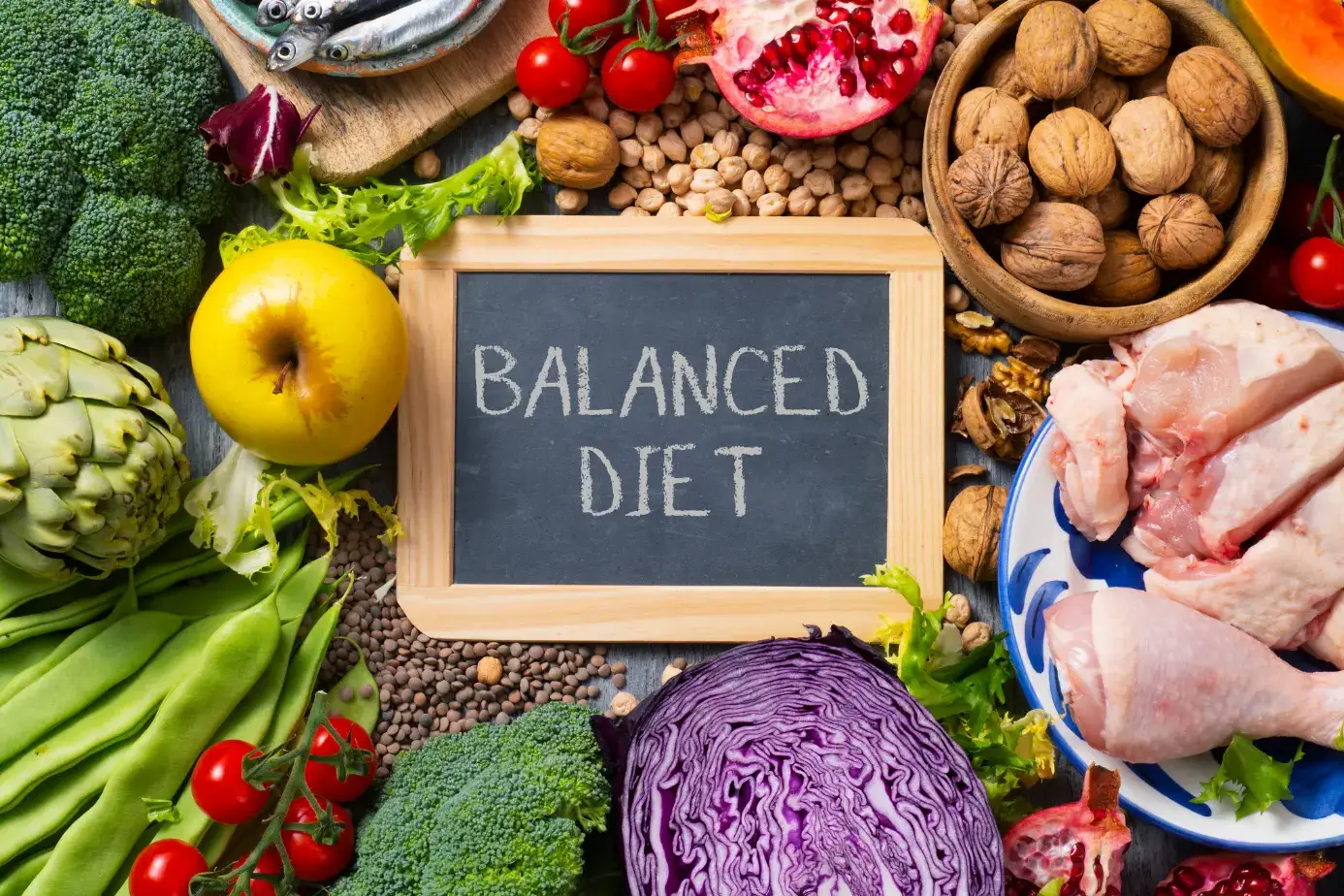
A diet rich in fruits, vegetables, whole grains, lean protein, and healthy fats helps maintain gut bacteria balance.
Focus on fiber-rich foods. They promote digestive health and nourish your beneficial gut flora.
Keep a Food Journal
You can discover trigger foods by keeping a record of your food intake and subsequent feelings. This makes it easier to spot patterns and take action to improve gut health without guesswork.
Exercise Regularly
Movement stimulates your digestive system. Even light activity like walking improves bowel regularity and supports colon health. Try to engage in moderate activity for at least half an hour every day.
Get Enough Sleep
Your body, especially your digestive system, heals itself while you sleep. Poor sleep can disrupt hormone balance and affect gastrointestinal health. Try to get 7–9 hours of restful sleep each night.
Reduce Stress
High stress levels can damage your gut lining and upset bowel movement patterns. Relaxation techniques like meditation, breathing exercises, or spending time in nature can protect your gut.
Testing for Food-Related Issues
If symptoms persist, consider:
- Elimination diet to identify triggers
- Stool testing for bacteria and yeast imbalances
- Breath tests for lactose or fructose intolerance
- Blood tests for food allergies
These can guide targeted digestive health tips for lasting improvement.
The Bottom Line
A healthy gut is more than just good digestion, it affects your mind, mood, and immunity.
You may enhance your digestive health naturally by identifying the symptoms of a healthy gut and adhering to basic guidelines. Remember, your gut thrives on balance, good food, rest, and low stress.
Make small, consistent changes, and your gut will thank you for years to come.
Frequently Asked Questions
How do I tell if my gut is healthy?
Regular, pain-free bowel movements, steady energy, clear thinking, and no extreme reactions to food are good signs your gut is working well.
What does “gut health” actually mean?
It’s the balance of bacteria, function of your digestive tract, and your body’s ability to digest, absorb, and eliminate food without discomfort.
What are the signs of an unhealthy gut?
Bloating, constipation, diarrhea, low energy, brain fog, frequent food sensitivities, and trouble sleeping can all signal poor gut health.
How long does it take to improve gut health?
Some notice changes within days of better diet and habits, but deeper healing and balance may take several weeks or months.
How do lifestyle factors like stress, diet, and antibiotics affect gut health?
They can upset good bacteria, damage the gut lining, and reduce diversity, leading to poor digestion and inflammation.
Can improving gut health help with mental clarity or mood?
Yes. A healthy gut supports better focus, mood stability, and reduced anxiety through the gut-brain communication pathways.
How does exercise affect gut health?
It speeds up bowel transit, improves circulation to digestive organs, and supports a balanced bacterial environment.
What foods support gut health, and which ones should be avoided?
Eat fiber-rich vegetables, fruits, legumes, and fermented foods. Limit processed items, refined sugar, and excessive alcohol for better gut balance.
About The Author

Medically reviewed by Dr. Nivedita Pandey, MD, DM (Gastroenterology)
Dr. Nivedita Pandey is a U.S.-trained gastroenterologist and hepatologist with extensive experience in diagnosing and treating liver diseases and gastrointestinal disorders. She specializes in liver enzyme abnormalities, fatty liver disease, hepatitis, cirrhosis, and digestive health.
All content is reviewed for medical accuracy and aligned with current clinical guidelines.