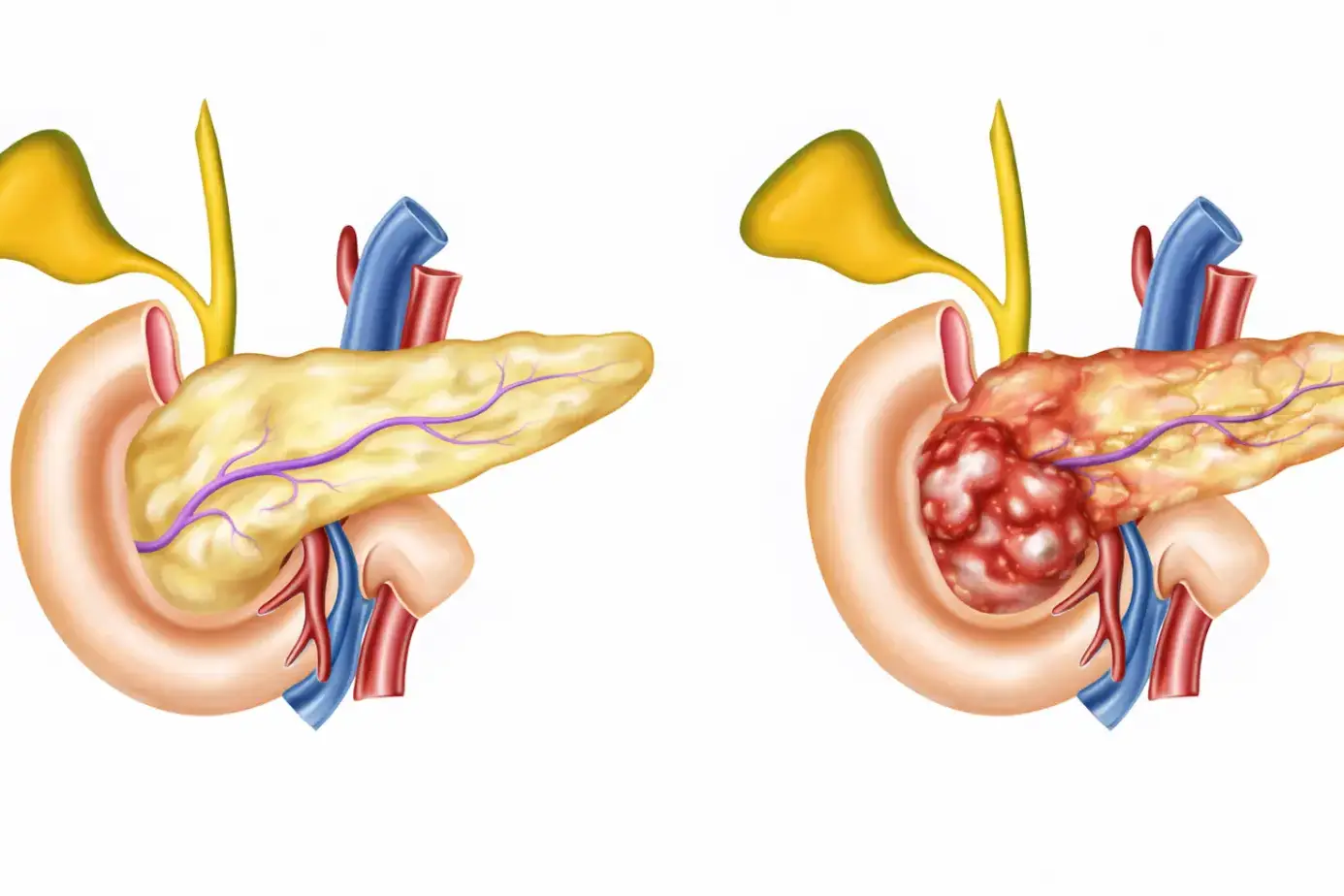
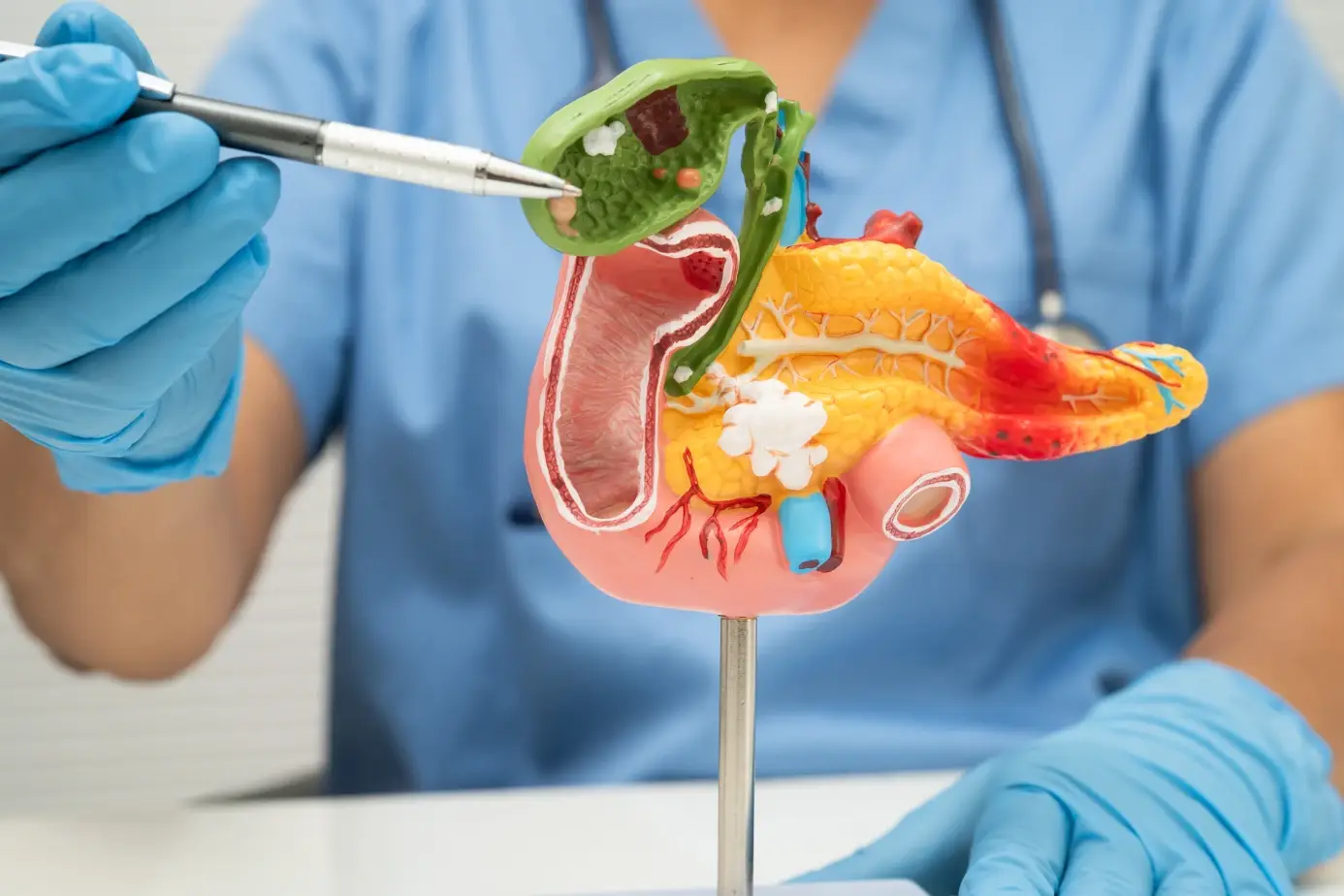
Signs your liver is healing from alcohol appear once drinking stops and the liver gets relief from constant toxin overload. You may feel more energy, less pain, clearer thinking, and better digestion. Blood tests may also improve. These changes show that liver cells can recover when damage is not severe. If drinking continues, healing stops. If abstinence continues, repair can progress.
Your liver filters toxins, balances sugars, manages fats, and helps digestion. Alcohol interrupts all of these jobs. When you stop drinking, your body starts fixing the damage step by step. Some changes are fast. Others take months.
10 Signs Your Liver Is Healing
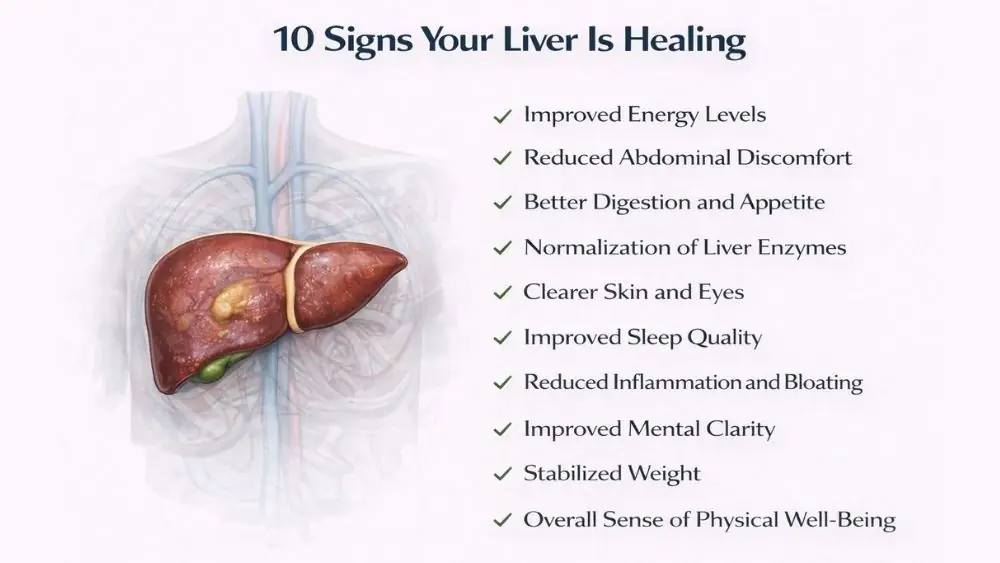
When alcohol stops, liver cells begin restoring energy balance, fat processing, and toxin clearance. These changes show up first as physical and mental improvements before lab results fully normalize. Seeing multiple signs together strengthens confidence that healing is active.
Improved Energy Levels
Alcohol blocks how your liver stores glucose (sugar used for energy). When you stop drinking, glucose control improves. You feel less drained during the day. Morning fatigue reduces. This is one of the earliest signs your liver is healing from alcohol .
Reduced Abdominal Discomfort
The liver sits under your right ribs. Alcohol causes liver swelling and capsule stretch. Healing reduces inflammation. Pressure eases. Dull pain or heaviness fades. This change suggests reduced liver stress.
Better Digestion and Appetite
Your liver produces bile, which helps digest fats. Alcohol disrupts bile flow. Healing restores this process. You feel less nausea. Your appetite returns. Fatty meals cause less discomfort. This improvement is a clear part of signs your liver is healing from alcohol .
Normalization of Liver Enzymes
Blood tests often show high ALT and AST during liver injury. These enzymes leak into blood when liver cells are damaged. With abstinence, cell injury slows. Enzyme levels fall. Doctors use this as a key marker among signs your liver is healing from alcohol .
Clearer Skin and Eyes
When the liver struggles, bilirubin and toxins build up. Skin may look dull. Eyes may yellow slightly. Healing improves toxin removal. Skin tone evens out. Eye whites brighten. This visible change reflects internal recovery.
Improved Sleep Quality
Alcohol disrupts deep sleep and hormone balance. Liver stress worsens this. Healing helps stabilize sleep rhythms. You fall asleep easier. Night waking reduces. Rest feels more refreshing.
Reduced Inflammation and Bloating
Alcohol increases gut and liver inflammation. Fluid may collect in the belly. Healing lowers inflammatory signals. Bloating decreases. Clothes feel looser around the waist.
Improved Mental Clarity
The liver clears ammonia and other waste that affect the brain. Damage allows these toxins to rise. Healing improves filtration. Brain fog lifts. Focus improves. Thinking feels sharper.
Stabilized Weight
Alcohol alters fat metabolism and insulin response. This causes weight swings. Healing improves metabolic balance. Weight changes slow down. This shows steady liver function.
Overall Sense of Physical Well-Being
You may feel more balanced overall. Pain decreases. Mood improves. Daily tasks feel manageable. This combined improvement strongly reflects signs your liver is healing from alcohol .
Common Symptoms of Alcohol Liver Damage
Alcohol damages liver cells by increasing inflammation, fat buildup, and oxidative stress. Symptoms appear when the liver struggles to process toxins, bile, and nutrients efficiently. Severity often reflects how long and how heavily alcohol exposure lasted.
Fatigue and Weakness
A damaged liver cannot manage energy well. You feel tired even after rest. Weakness may affect daily tasks.
Abdominal Pain and Swelling
Inflammation enlarges the liver. The belly may swell from fluid retention. Pain often sits on the right side.
Jaundice and Yellowing of Eyes
Bilirubin builds up when the liver cannot process it. Skin and eyes turn yellow. This signals significant liver stress.
Nausea, Vomiting, and Poor Appetite
Digestive signals break down. Food may trigger nausea. Appetite drops. Weight loss may follow.
Dark Urine and Pale Stools
Bile flow changes stool color to pale or clay-like. Urine darkens due to excess bilirubin.
Brain Fog and Poor Concentration
Toxins reach the brain when the liver fails to clear them. Thinking slows. Memory suffers.
When these symptoms ease after stopping alcohol, they support signs your liver is healing from alcohol .
Physical Signs of Liver Healing
As inflammation falls and liver blood flow improves, outward physical changes become noticeable. These signs reflect better protein production, fluid balance, and detox function.
Reduced Liver Tenderness
As inflammation drops, tenderness under the ribs decreases. The liver capsule relaxes. Pain on touch reduces.
Decreased Fluid Retention
The liver helps control protein balance in blood. Healing improves this balance. Swelling in legs or belly decreases.
Improved Skin Tone
Better toxin clearance improves blood flow to skin. Itching reduces. Skin looks healthier and more even.
Reduced Bruising
The liver makes clotting proteins. Damage causes easy bruising. Healing improves clotting. Bruises appear less often.
Normal Bowel Movements
Bile flow stabilizes stool color and consistency. Regular bowel habits return. Digestive comfort improves. These outward changes strengthen the evidence for signs your liver is healing from alcohol .
Timeline Of Liver Healing Signs
The timeline of liver healing signs depends on how long you drank, how much you drank, and whether other conditions exist. Healing follows a biological order based on inflammation reduction, fat clearance, and cell repair. Progress feels uneven, but patterns remain consistent across most people.
First 7 Days After Stopping Alcohol
During the first week, detox takes priority. Your liver shifts from processing alcohol to restoring basic metabolic balance. Inflammation begins to drop, but fatigue may feel worse at first. Sleep remains light, and appetite can fluctuate. Early signs your liver is healing from alcohol during this phase include reduced nausea and slightly clearer thinking, even if energy is still low.
2–4 Weeks Of Abstinence
By weeks two to four, liver cells reduce fat buildup and improve bile flow. Bloating decreases. Digestion improves. Liver enzyme levels often begin trending down on blood tests. You may notice steadier energy and less abdominal discomfort. These changes confirm the timeline of liver healing signs is moving forward.
1–3 Months Of Recovery
This phase marks structural repair. Fatty deposits shrink significantly. Inflammation continues to resolve. Skin tone improves, and brain fog often lifts. Blood sugar control becomes more stable. Many people feel close to normal. These are strong signs your liver is healing from alcohol , especially when labs support physical changes.
3–6 Months Of Liver Repair
Between three and six months, liver blood flow improves. Scar tissue may soften if damage is not advanced. Physical stamina returns. Exercise feels easier. Enzymes may normalize fully. At this stage, recovery depends heavily on strict abstinence and lifestyle consistency.
Long-Term Healing Beyond 6 Months
Beyond six months, improvement slows but continues. Risk of disease progression drops sharply. Some structural damage may remain. Long-term healing focuses on stability, not rapid change. Continued care protects gains and prevents relapse of injury.
Liver Regeneration After Alcohol Abuse
Liver regeneration after alcohol abuse is real. The liver can replace damaged cells when blood flow and structure remain intact. Regeneration works best in early disease stages where scarring is minimal. Once scar tissue disrupts circulation, repair becomes limited and incomplete.
How Liver Regeneration Works
Healthy liver cells divide to replace injured ones. Blood flow delivers oxygen and nutrients to support repair. This process works best when inflammation is low and toxins are absent. Abstinence allows regeneration to continue without interruption.
Conditions Where Regeneration Is Possible
Alcohol-related fatty liver often reverses fully. Mild alcoholic hepatitis may heal over months. Early fibrosis (thin scar bands) can improve if drinking stops early. These stages show strong signs your liver is healing from alcohol with proper care.
Limits Of Liver Regeneration
Once scar tissue thickens, blood flow becomes distorted. Regeneration slows. New cells cannot organize correctly. Function may improve, but structure does not fully return.
When Damage Becomes Irreversible
Cirrhosis causes permanent scarring. Regeneration cannot restore normal liver shape. Healing focuses on preserving remaining function and preventing complications, not reversal.
How To Support Liver Healing After Alcohol
Liver recovery improves when metabolic stress stays low and inflammation remains controlled. Diet, hydration, movement, and medication awareness directly affect how well liver cells repair.
Complete Alcohol Abstinence
No amount of alcohol is safe during recovery. Even small amounts restart inflammation and halt repair. Long-term healing requires zero intake.
Liver-Friendly Diet
Focus on vegetables, fruits, lean protein, and whole grains. Reduce sugar and fried foods. This lowers fat accumulation in liver cells and supports insulin balance.
Adequate Hydration
Water supports blood volume and toxin clearance. Dehydration slows bile flow and worsens fatigue. Regular hydration supports steady recovery.
Regular Physical Activity
Moderate exercise improves liver fat metabolism. It also reduces insulin resistance. Avoid extreme workouts during early recovery to prevent stress.
Avoiding Hepatotoxic Medications
Some pain relievers and supplements strain the liver. Use medications only when needed and under medical guidance.
Medical Monitoring And Follow-Up
Blood tests track enzymes and clotting. Imaging checks structure. Regular monitoring confirms real healing beyond symptoms.
When Liver Healing May Not Be Enough
Some liver damage progresses beyond natural repair capacity. Persistent symptoms despite sobriety suggest advanced fibrosis or cirrhosis. Early recognition allows timely management to prevent life-threatening complications.
Signs Of Advanced Liver Disease
Persistent jaundice, fluid buildup, confusion, or bleeding suggest severe disease. These signs require urgent evaluation.
Ongoing Symptoms Despite Sobriety
If pain, fatigue, or swelling persist after months of abstinence, advanced scarring may exist. Healing may stabilize but not reverse damage.
When To See A Doctor Immediately
Vomiting blood, black stools, sudden confusion, or severe swelling are emergencies. Immediate care can be life-saving.
FAQs
How Long Does It Take For The Liver To Heal From Alcohol?
Healing begins within days but continues for months. Fatty liver may improve in weeks, while inflammation and fibrosis take longer. Ongoing abstinence determines how far signs your liver is healing from alcohol progress.
Can The Liver Fully Recover After Years Of Drinking?
Full recovery depends on damage stage. Fat accumulation often reverses. Advanced scarring does not. Even without full reversal, stopping alcohol improves survival and quality of life.
Do Liver Enzymes Return To Normal After Quitting Alcohol?
In many people, yes. Enzymes often decline within weeks and normalize over months. Persistent elevation may signal fibrosis or other liver conditions.
Can Fatty Liver From Alcohol Be Reversed?
Yes. Alcohol-related fatty liver is one of the most reversible stages. Strict abstinence and diet changes often clear fat deposits completely.
Is Liver Healing Possible With Cirrhosis?
Cirrhosis scars remain. Function may stabilize, and complications can reduce. Regeneration is limited, but abstinence still prevents further decline.
What Are The Earliest Signs Of Liver Recovery From Alcohol?
Reduced nausea, better sleep, and less bloating appear early. These changes often occur before blood tests fully normalize.
Do Liver Enzymes Return To Normal When The Liver Is Healing?
Enzyme decline usually reflects reduced cell injury. Normal levels suggest healing but do not guarantee full structural recovery.
Can Fatigue Improve As The Liver Heals From Alcohol Damage?
Yes. Energy often improves as glucose control and toxin clearance recover. Persistent fatigue may indicate advanced disease.
Does Reduced Abdominal Pain Indicate Liver Healing?
Often yes. Less pain reflects reduced inflammation and swelling. Persistent pain needs evaluation.
Can Skin And Eye Color Improve When The Liver Recovers?
Yes. Improved bilirubin clearance restores normal skin tone and eye color as liver function improves.
About The Author

Medically reviewed by Dr. Nivedita Pandey, MD, DM (Gastroenterology)
Dr. Nivedita Pandey is a U.S.-trained gastroenterologist and hepatologist with extensive experience in diagnosing and treating liver diseases and gastrointestinal disorders. She specializes in liver enzyme abnormalities, fatty liver disease, hepatitis, cirrhosis, and digestive health.
All content is reviewed for medical accuracy and aligned with current clinical guidelines.