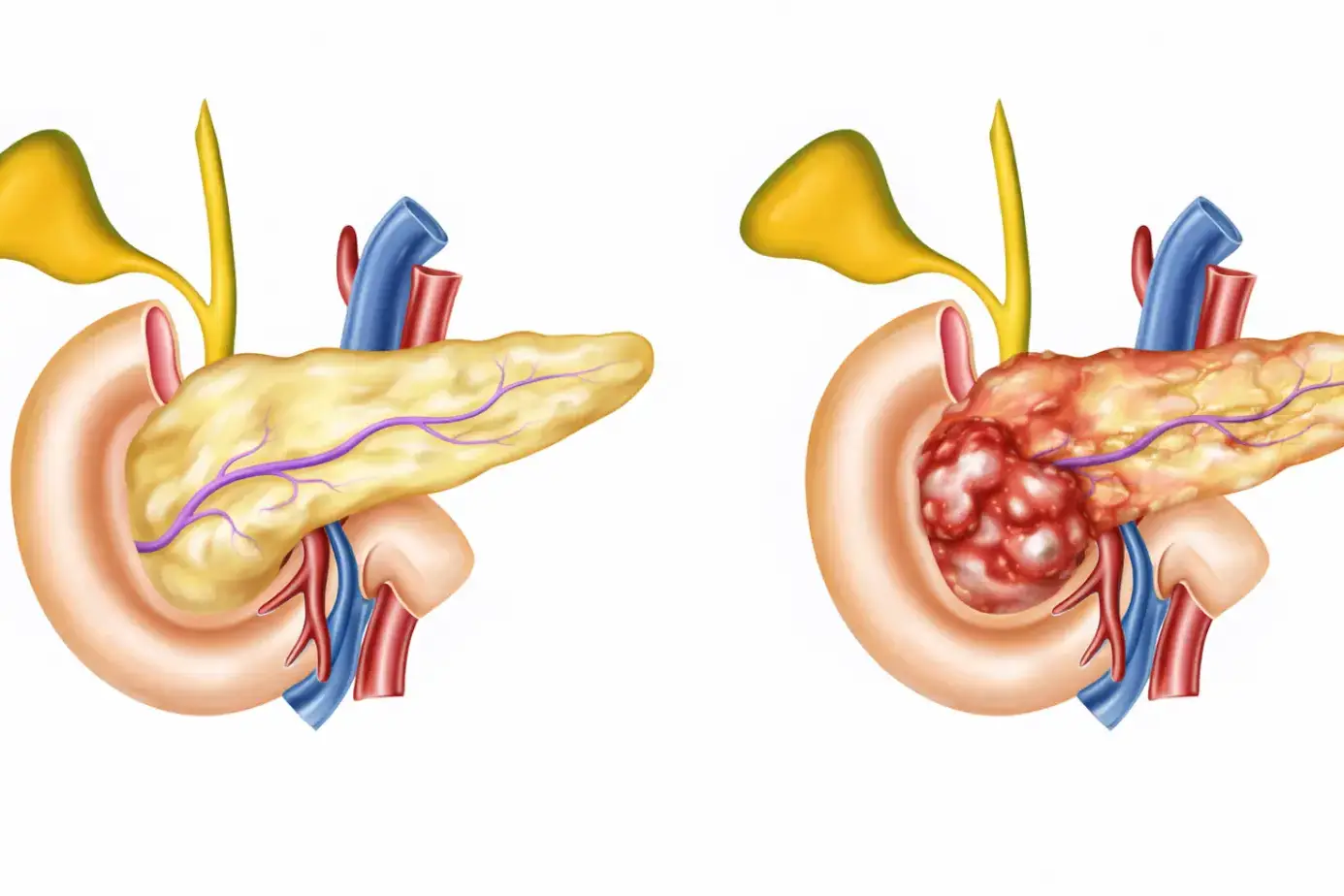
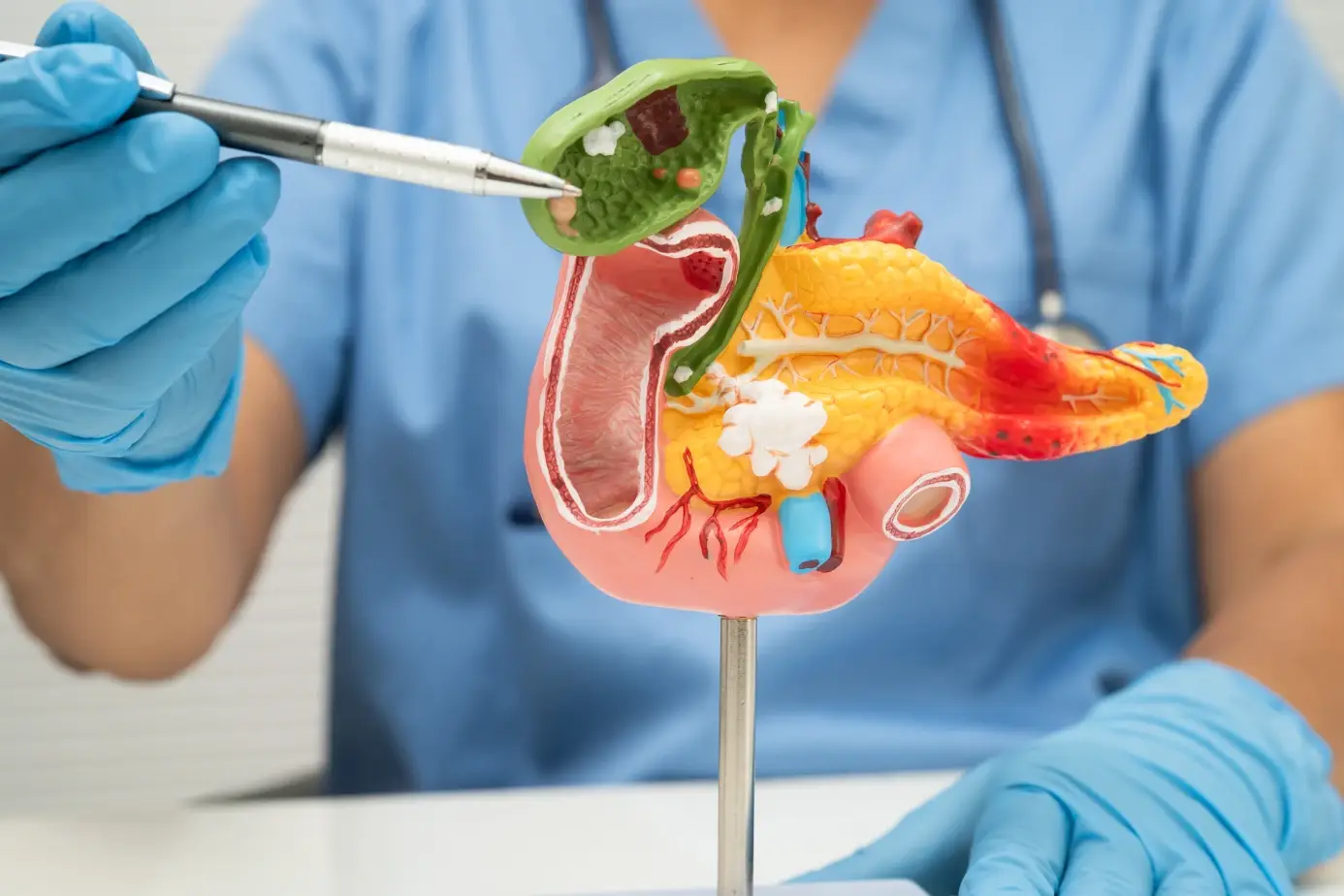
Signs your liver is healing appear when the organ starts working better after damage. The liver filters blood, stores nutrients, and breaks down harmful substances. When these tasks improve, you may notice body changes.
You might feel less tired or notice better digestion. Doctors also look at blood results and scans. These medical checks confirm whether signs your liver is healing reflect real functional improvement. Physical feeling alone cannot confirm progress.
Key Takeaways
- Signs your liver is healing show as physical changes and test results
- Energy, digestion, and sleep often improve first
- Blood tests confirm real progress
- Healing depends on injury level
- Many signs your liver is healing appear slowly and require monitoring
10 Signs Your Liver Is Healing
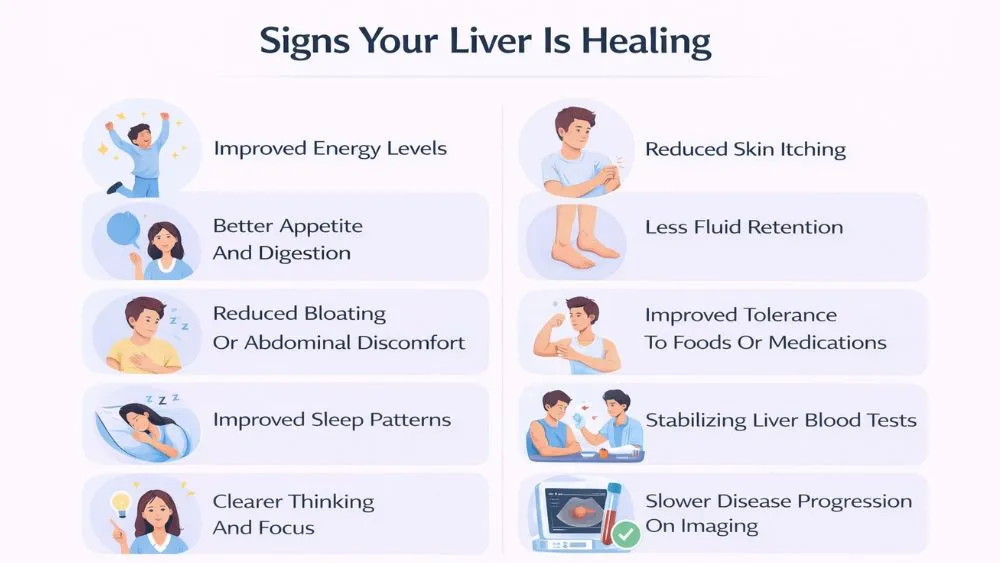
Doctors and patients often track 10 signs your liver is healing during recovery. These signs act as indicators, not guarantees. You may notice several at once. Some appear before others. Observing these signs your liver is healing helps measure direction.
1. Improved Energy Levels
When inflammation drops, your body uses fuel more efficiently. You may feel less drained during normal activities. Steady daily stamina ranks among the 10 signs your liver is healing seen early.
2. Better Appetite And Digestion
The liver helps process nutrients. Improvement often restores hunger signals. Meals cause less discomfort. You may notice steadier digestion patterns.
3. Reduced Bloating Or Abdominal Discomfort
Fluid and gas pressure sometimes ease as the function improves. A lighter abdominal feeling often appears among 10 signs your liver is healing in early stages.
4. Improved Sleep Patterns
Balanced hormone handling supports normal sleep cycles. You may fall asleep faster and wake less often during the night.
5. Clearer Thinking And Focus
Toxin filtering supports brain function. As this improves, concentration may sharpen. Mental fog may lessen gradually.
6. Reduced Skin Itching
Poor bile flow can irritate skin. Improved movement of bile reduces this irritation. Less itching is one of the 10 signs your liver is healing, reported by many patients.
7. Less Fluid Retention
Swelling in ankles or abdomen sometimes decreases when liver balance improves. This change requires medical confirmation.
8. Improved Tolerance To Foods Or Medications
Some foods or drugs may cause fewer side effects. Processing efficiency improves. This reflects internal functional adjustment.
9. Stabilizing Liver Blood Tests
Doctors check enzyme levels and protein markers. Stable or improving trends represent measurable signs your liver is healing rather than subjective feelings.
10. Slower Disease Progression On Imaging
Scans may show reduced fat or stable tissue condition. This completes the list of 10 signs your liver is healing, used in clinical monitoring.
These 10 signs your liver is healing should always be interpreted together. A single sign alone cannot confirm progress.
Can Your Liver Heal Itself?
Yes, but there are limits. The liver can repair damage and replace lost cells. This ability depends on injury severity. Understanding: Can your liver heal itself? means knowing three processes.
- Repair happens when cells fix minor stress damage. Function improves as inflammation decreases.
- Regeneration occurs when remaining cells grow to replace lost ones. This supports recovery capacity.
- Irreversible scarring develops after long injury. Scar tissue does not function normally.
Diet and Detox
Early injury often improves strongly. Severe scarring limits restoration. Even then, measurable signs your liver is healing may appear as stability and functional support.
Stages Of Liver Healing
Recovery usually follows predictable stages of liver healing . Each stage reflects internal changes in function and structure. Observing signs your liver is healing becomes easier when you understand these stages of liver healing .
Early Recovery Phase
Inflammation begins decreasing. Blood chemistry may improve. Energy steadiness often appears first. These changes mark early signs that your liver is healing as stress reduces.
Functional Improvement Phase
Digestion support strengthens. Waste filtering improves. Hormone and nutrient handling stabilize. Many daily comfort improvements occur during the middle phase of liver healing .
Stabilization Phase
Symptoms remain controlled. Imaging shows slowed worsening. Progress plateaus at a stable level. Final signs your liver is healing during this stage reflect disease control rather than a cure.
Understanding stages of liver healing helps set realistic expectations. Healing develops step by step. Tracking signs your liver is healing across these stages gives accurate progress awareness.
How Long Does Your Liver Take To Heal?
Healing time depends on what caused the pain and how severe it was. There is no fixed timeline. Watching signs your liver is healing across weeks or months gives better insight than expecting quick change.
Mild fat buildup may improve within several weeks if body weight stabilizes and stress on the liver reduces. Liver caused by alcohol may show in blood tests after one to three months of stopping intake. Viral or long-term metabolic injury takes longer. These factors shape the real answer to how long does your liver take to heal?
Physical symptoms often improve before structural changes appear. Scans and imaging may require months before showing measurable shifts. Because of this delay, early signs your liver is healing should be confirmed with repeated testing rather than assumptions.
Personal health factors also influence timelines. Age, blood sugar control, medication use, and overall nutrition affect recovery speed.
Factors That Support Liver Healing
Removing the cause of injury provides the strongest support for recovery. Alcohol cessation, stable body weight, and medical follow-up reduce ongoing stress. These actions encourage stable signs your liver is healing instead of short-term improvement that fades.
Doctors monitor progress through routine blood panels. These tests check protein production and clotting ability, which reflect functional capacity. Medication plans are adjusted when needed. Doctors usually prescribe doses based on individual response, not fixed amounts for everyone.
Consistency supports long-term progress. Returning to harmful patterns can reverse gains quickly. Maintaining stable habits helps preserve signs your liver is healing and reduces the risk of worsening disease.
When Can Liver Damage Be Reversed?
Understanding when liver damage can be reversed depends on identifying the stage of injury. Early fat buildup and mild irritation often improve when the underlying cause is addressed. These situations produce measurable signs your liver is healing that reflect real functional gain.
Early scar formation may show limited improvement, but advanced scarring rarely reverses. Cirrhosis represents permanent structural change. In such cases, treatment aims for stability rather than restoration.
Doctors determine stage using imaging and blood testing trends. Reversal potential becomes clearer after reviewing repeated data. Even when reversal is not possible, improved stability may still generate signs your liver is healing that reduce complication risk.
When To Recheck Liver Health
Regular monitoring ensures improvement continues. Blood tests show enzyme activity, protein levels, and metabolic balance. Imaging evaluates tissue structure. These checks identify signs your liver is healing that may not produce noticeable symptoms.
Symptoms alone do not provide reliable measurement. Feeling well does not confirm internal progress. Providers often schedule testing every few months depending on severity and past results. This routine ensures accurate tracking of signs your liver is healing .
Consistent reassessment supports early detection of negative changes. Adjusting treatment based on findings protects long-term health and maintains stable signs your liver is healing.
FAQs – Signs Your Liver Is Healing
Can the liver fully heal itself?
Yes, full recovery may occur in early stages without scarring. When permanent scar tissue exists, function can improve, but structure will not normalize. Monitoring signs your liver is healing through blood protein levels provides reliable confirmation.
Do symptoms improve before tests normalize?
Yes. Energy and digestion often improve weeks before enzyme levels stabilize. Early signs your liver is healing reflect functional shifts, while laboratory markers require longer cellular adjustment before showing consistent change.
How soon can liver healing begin?
Yes, recovery processes start within days after removing harmful exposure. Detectable signs your liver is healing in blood markers commonly appear within two to four weeks depending on inflammation level and metabolic health.
Does feeling better mean the liver is cured?
No. Symptom relief reflects improved function, not structural restoration. Only imaging and repeated testing confirm lasting signs your liver is healing , making medical monitoring necessary even when comfort improves.
Can cirrhosis heal?
No. Scar tissue cannot return to normal tissue. However, treatment can stabilize function. Some signs your liver is healing may still appear through improved protein production and toxin handling.
Do liver enzymes always improve with healing?
No. Enzymes fluctuate due to exercise, stress, or medication. Sustained trends matter more than single readings. Doctors confirm signs your liver is healing using repeated measurements and broader clinical patterns.
Is liver healing permanent?
No. Improvement lasts only if harmful triggers remain controlled. Alcohol exposure or metabolic imbalance can reverse signs your liver is healing , leading to renewed damage even after earlier progress.
Can imaging show healing?
Yes. Imaging may reveal reduced fat levels or stable tissue condition after months. These structural changes provide objective signs your liver is healing , though they appear slower than symptom improvement.
About The Author

Medically reviewed by Dr. Nivedita Pandey, MD, DM (Gastroenterology)
Dr. Nivedita Pandey is a U.S.-trained gastroenterologist and hepatologist with extensive experience in diagnosing and treating liver diseases and gastrointestinal disorders. She specializes in liver enzyme abnormalities, fatty liver disease, hepatitis, cirrhosis, and digestive health.
All content is reviewed for medical accuracy and aligned with current clinical guidelines.