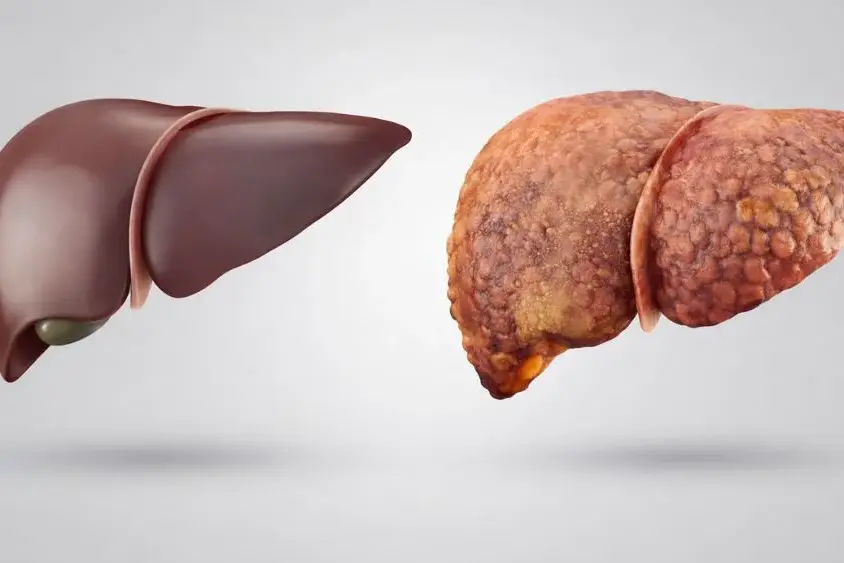
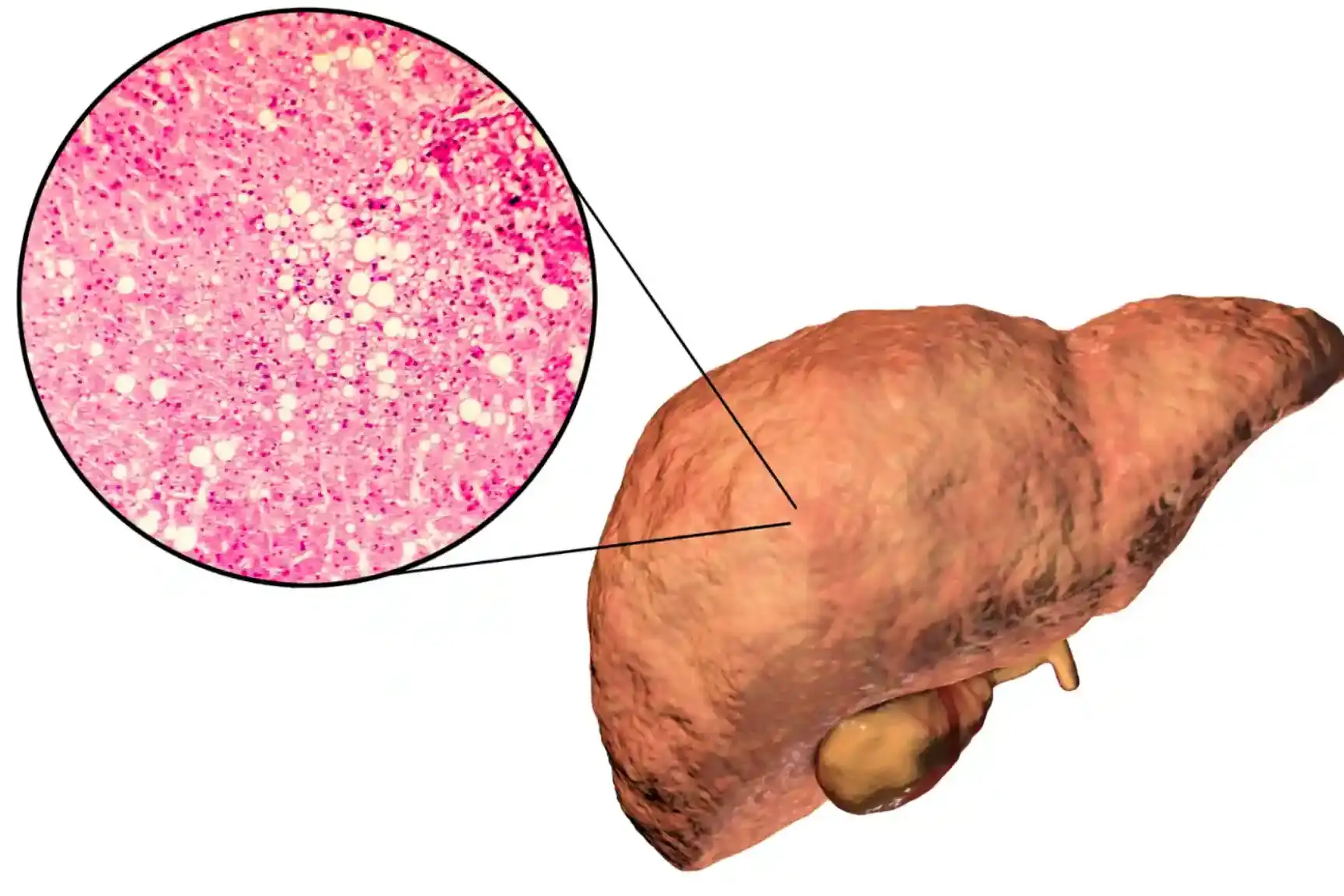
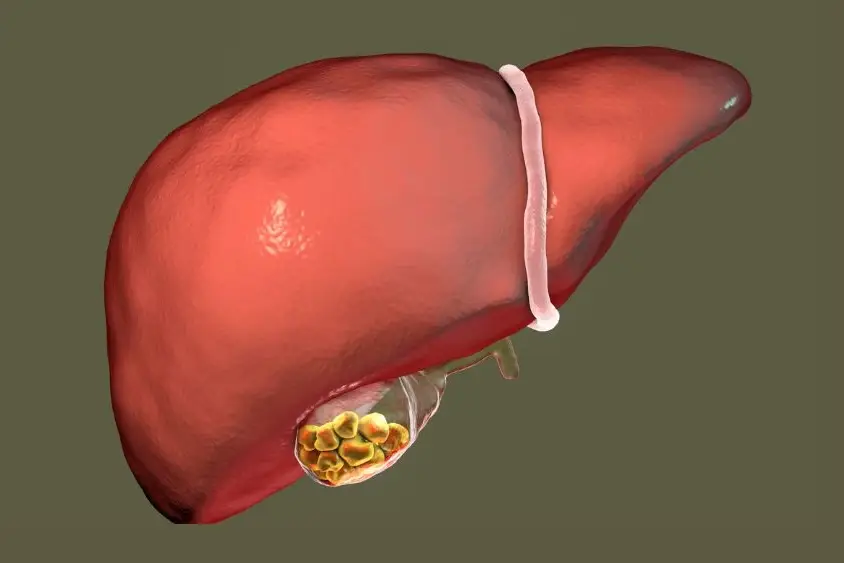
Post-liver transplant care starts the moment your new liver begins working inside you. Your body just received an organ it sees as a threat. The transplant fixed your liver failure, but now you must keep that liver healthy while your immune system tries to destroy it.
You’ll take medications that deliberately weaken your immunity. You’ll change how you eat, move, and live. Blood tests become routine, and clinic visits fill your calendar for months. But you can manage this successfully and live for decades with your transplanted liver.
Key Takeaways
- Post-liver transplant care involves lifelong medical follow-up to prevent organ rejection, infections, and complications.
- Recovery includes medication adherence, diet changes, physical activity, and regular monitoring.
- Proper post-liver transplant care is essential for long-term survival and quality of life.
What is Post-Liver Transplant Care?
Post-liver transplant care means protecting your new liver through medications, monitoring, and lifestyle changes that continue forever.
Your body’s immune system evolved to attack foreign invaders. Your new liver qualifies as foreign. Even if the organ matches your blood type, your immune cells recognize it as an invader. Without intervention, they’ll destroy your new liver within days.
This is where your transplant team becomes a permanent partners in your health. You’ll work with
- Hepatologists who specialize in liver disease
- Transplant surgeons who performed your operation
- Immunologists who manage your medication balance
- Nutritionists who rebuild your strength through food
- Pharmacists who ensure your drugs don’t interact dangerously.
Post-liver transplant care is permanent because your immune system will always see the new liver as foreign. Twenty years from now, if you stop your medications, rejection starts within days. If you think you’re “cured” after a few good years and stop taking pills, you’ll lose your transplants.
Post Liver Transplant Recovery Timeline
Immediate Recovery Phase (First 3 Months)
Your hospital stay lasts 7-14 days, typically. Your new liver could fail, be rejected, or develop clots in these early days. So, nurses wake you every few hours to check vitals and draw blood to catch problems early.
Pain dominates your first weeks. Moving, breathing deeply, and coughing hurt. But you must do all these things to prevent fluid from pooling in your lungs and causing pneumonia.
You’ll have multiple drain tubes removing fluid from your abdomen. A catheter handles urination. An IV delivers medications directly to your bloodstream.
Going home, you’ll return to the clinic twice weekly for the first month. Your doctors adjust immunosuppressant doses constantly during this phase, checking if your liver isn’t rejecting, and your infection risk stays manageable.
Post-liver transplant recovery in these early months means accepting extreme fatigue as normal. You’ll sleep 12-16 hours daily. Walking to your bathroom exhausts you. Your body is healing from trauma while fighting to accept a foreign organ. That consumes massive energy.
You can’t drive for 6-8 weeks because pain medications cloud judgment, and turning your torso to check blind spots hurts too much. You’ll need help with basic tasks (cooking, cleaning, even showering initially). Plan for this dependence before surgery.
Intermediate Phase (3-12 Months)
Around month three, you’ll notice you can stay awake for full days. You’ll have good days where you feel almost normal. This is progress.
Clinic visits drop to monthly. Medication doses stay consistent for weeks instead of changing after every test.
Post-liver transplant recovery accelerates during this phase if you follow instructions. If you skip medications “just once” or eat risky foods, you may end up hospitalized.
You’ll regain physical abilities gradually.
- Month four might bring the strength to walk a mile.
- Month six, you might climb stairs without stopping halfway.
- Month eight, you might return to work part-time.
Infections remain your biggest threat after liver transplantation:Your immune system runs at roughly 50% capacity because medications deliberately suppress it. A cold that sidelines healthy people for two days can put you in the hospital for a week with pneumonia. You’ll learn to avoid sick people aggressively. |
Long-Term Phase (Beyond 1 Year)
After year one, post-liver transplant care becomes routine. You see your medical team every 3-4 months. Labs happen quarterly instead of weekly.
But the medications keeping your liver healthy cause long-term side effects you must now manage.
- High blood pressure develops in 60-80% of transplant patients because immunosuppressants constrict blood vessels. You’ll likely need blood pressure pills.
- Diabetes appears in 20-30% of patients because some immunosuppressants interfere with insulin function.
- Kidney function slowly declines because these powerful drugs stress your kidneys. Regular monitoring catches this early.
- Your cancer risk increases. Skin cancer rates jump dramatically. You’ll need annual full-body skin checks and must wear sunscreen religiously.
Rejection risk never disappears. Patients 15-20 years post-transplant can suddenly reject if you miss medications, develop antibodies, or experience immune changes.
Diet After Liver Transplant
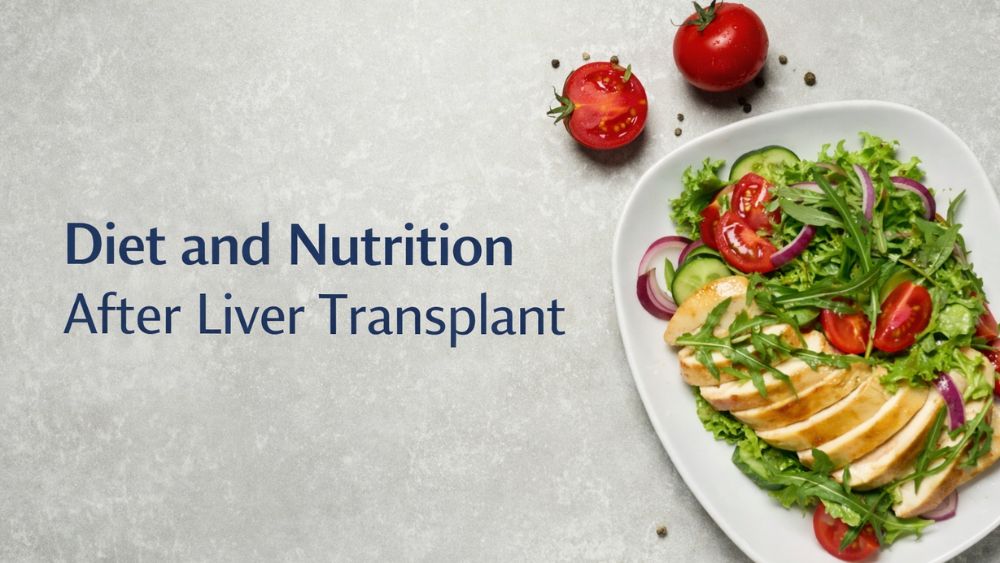
Your post-liver transplant diet rebuilds your body while protecting you from serious infections your weakened immune system can’t fight.
You need roughly 80-100 grams of protein daily during the first year, double what you ate before. Chicken breast, salmon, eggs, Greek yogurt, and lentils deliver protein without overwhelming your digestive system.
Calories matter too. You’ll burn 2000-2500 calories daily just healing, so eating 30-35 calories per kilogram of body weight keeps your energy up.
Food safety becomes life-or-death after liver transplantation:Your suppressed immune system can’t kill simple bacteria like salmonella or listeria.
Grapefruit and pomegranate are permanently banned.
Check ingredient lists carefully. Your post-liver transplant diet also means zero alcohol forever. Even one beer damages your new liver. |
Exercise After Liver Transplant
Exercise after liver transplant starts with walking laps around your hospital room the day after surgery. This sounds impossible when you’re in pain and exhausted, walk 50 feet today, 100 feet tomorrow, gradually building distance.
You can’t do formal exercise for 6-8 weeks minimum. Lifting anything over 10 pounds risks tearing the surgical site open. Even carrying groceries is banned initially.
After your surgeon clears you, start resistance training carefully. Wall pushups, chair squats, and using resistance bands.
Swimming is excellent after 10-12 weeks post-surgery. Water supports your weight while you build strength. Avoid public pools during flu season when infections spread easily through shared water.
Exercise after liver transplant delivers benefits beyond muscle strength. Physical activity improves your immune function within the limits your medications allow. It fights the bone density loss that immunosuppressants cause. Movement also battles the depression and anxiety.
| Contact sports are banned forever. A football tackle or basketball elbow to your abdomen could rupture your new liver or damage blood vessels connecting it. Stick to solo activities or non-contact group exercise like swimming, cycling, or walking groups. |
Signs of Liver Transplant Rejection
Liver transplant rejection signs are mandatory to monitor.
- You’ll feel exhausted in a way that sleep doesn’t fix (example: brushing your teeth makes you tired).
- Fever appears without an obvious cause. You’re not coughing or sneezing, but your temperature is 100-101°F consistently.
- Jaundice shows up when rejection advances. Your skin and the whites of your eyes turn yellowish. Your urine darkens to tea or cola color. Your stools turn pale, almost clay-colored.
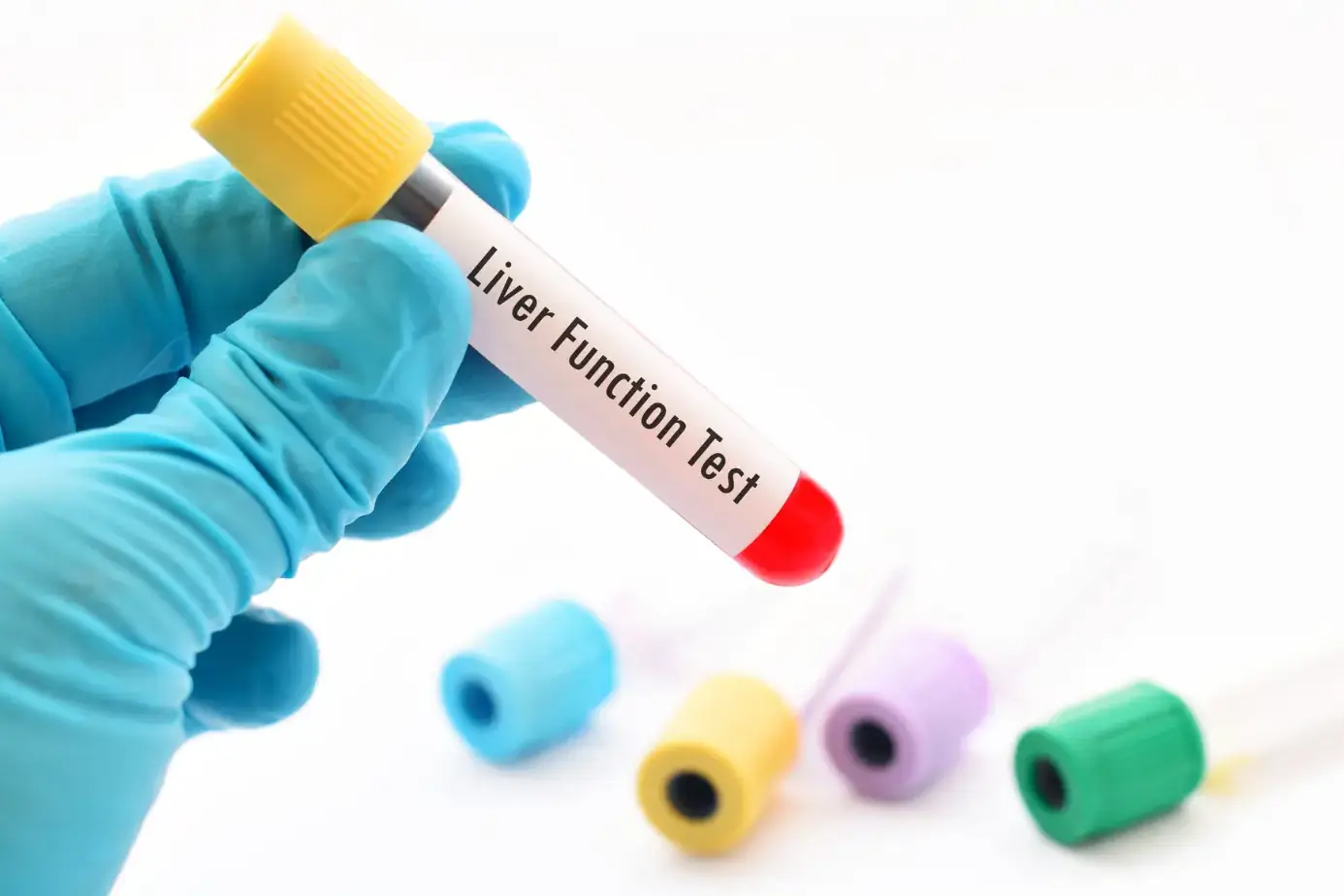
- Blood tests catch rejection before you feel sick, which is why you get labs drawn so frequently. Rising AST and ALT enzymes alert your team to problems.
Some liver transplant rejection signs mimic other problems. Fever could mean infection, not rejection. Fatigue might be anemia from medications. This is why you never self-diagnose. Call your transplant coordinator immediately with any new symptoms. They’ll order tests to determine the cause.
Acute rejection happens in 15-25% of patients, usually within the first six months. It’s treatable. Your doctors increase immunosuppressant doses or add stronger medications temporarily. Most rejection episodes resolve completely when caught early.
Infections After Liver Transplant
Infections after liver transplant spike in the first six months when your immunosuppression runs strongest.
- Bacterial infections hit first and most frequently. Pneumonia develops from bacteria you’d normally fight off easily.
- Urinary tract infections appear without the usual warning symptoms.
- Your surgical incision site can get infected weeks after it looks healed.
You’ll take antibiotics preventatively for the first 3-6 months. Trimethoprim-sulfamethoxazole prevents a specific pneumonia type (PCP) that attacks immunosuppressed patients. You might take antifungal medications too if you’re at high risk.
CMV (cytomegalovirus) lurks dormant in 60-70% of adults’ bodies. Immunosuppression wakes it up. CMV causes fever, fatigue, low white blood cell counts, and liver inflammation. You’ll take valganciclovir or similar antivirals for 3-6 months post-transplant to prevent CMV from activating.
Fungal infections are rare but deadly. They attack patients on the highest immunosuppression levels. Coughing up blood, severe shortness of breath, and persistent fever above 102°F suggest fungal infection. These require hospitalization and IV antifungals for weeks.
Medications After Liver Transplant
Post liver transplant care centers on medications you’ll take forever. You’ll take 15-25 pills daily initially. Missing even one dose risks rejection.
Tacrolimus and mycophenolate are the most common immunosuppressants. Together, they prevent rejection while allowing enough immune function to fight some infections.
Tacrolimus works in a narrow range (too much causes kidney damage and dangerous infections, too little allows rejection). Your team checks levels weekly at first, then monthly, eventually every few months. They adjust doses constantly based on results.
Side Effects are Guaranteed due to Post-Liver Tranplant MedicationsTacrolimus causes hand tremors in 30-50% of patients. Your hands shake when holding a cup or writing. It raises blood pressure in 60-80% of patients. It increases diabetes risk. Mycophenolate causes diarrhea and nausea. You’ll take medications to manage these side effects (blood pressure pills, anti-nausea drugs, anti-diarrhea medications). |
Lifestyle Changes After Liver Transplant
Post-liver transplant care demands permanent lifestyle adjustments.
- Alcohol is banned forever, no exceptions.
- Weight control becomes critical. Immunosuppressants increase appetite and slow metabolism. Patients commonly gain 20-40 pounds in year one. Excess weight causes fatty liver disease in your transplant.
Sun Exposure Now Carries Serious Cancer Risk After Post-Liver TransplantationImmunosuppression multiplies your skin cancer risk by 65-100 times compared to the general population.
|
- Smoking accelerates every complication transplant patients face. If you smoke, quit immediately. Your transplant team offers cessation programs because this matters that much.
- Mental health deserves active management. Depression hits 25-40% of transplant recipients. Therapy helps. Sometimes antidepressants are necessary.
When to Contact Your Doctor After Transplant
Call your transplant coordinator immediately for fever above 100.4°F. Don’t wait to see if Tylenol brings it down. Your team needs to know now.
Contact them for any liver transplant rejection signs , such as yellowing skin or eyes, dark urine, pale stools, right-side abdominal pain, or unusual fatigue that sleep doesn’t help.
Vomiting or diarrhea that prevents you from keeping down medications requires immediate attention.
New medications from other doctors need transplant team approval before you take them. A simple antibiotic for a tooth infection could spike your tacrolimus to toxic levels or drop it to nothing, both scenarios being dangerous.
FAQs – Post Liver Transplant Care
How long does recovery take after a liver transplant?
Basic recovery takes 3-6 months before you resume most normal activities. Full strength returns in 12-18 months. However, post-liver transplant care continues for life with regular monitoring, medications, and clinic visits that never stop.
Is diet important after liver transplant?
Your post-liver transplant diet directly impacts survival. You need 80-100 grams of daily protein and must avoid raw seafood, unpasteurized products, deli meats, and undercooked foods that carry infection risks your suppressed immune system can’t fight.
Can rejection happen years later?
Yes. Rejection occurs in patients 10-20 years post-transplant if they miss medications or develop antibodies. This is why post-liver transplant care with regular blood tests and clinic visits remains mandatory forever, even when you feel healthy.
Is exercise safe after liver transplant?
Exercise after liver transplant is safe after 6-8 weeks when your surgeon clears you. Start with walking, add resistance training gradually, and avoid contact sports forever. Exercise strengthens muscles, fights bone loss, and improves mental health.
Why are infections common after transplant?
Infections after liver transplant occur frequently because immunosuppressants deliberately weaken your immune system to prevent rejection. Your body fights bacteria, viruses, and fungi 50% less effectively, making you vulnerable to infections healthy people defeat easily.
Do transplant patients take medicines forever?
Yes. You’ll take immunosuppressants for life because your immune system will always recognize your liver as foreign. Stopping medications triggers rejection within days, even decades after transplant. Skipping doses destroys transplants regularly.
Can liver disease come back after transplant?
Some diseases recur. Hepatitis B can reinfect your new liver. Autoimmune hepatitis returns in 20-30% of patients. Fatty liver disease develops if you gain excessive weight. Alcohol-related damage returns if you drink. Vigilant post-liver transplant care monitors for recurrence.
Is long-term survival possible after transplant?
Yes. You may live 20-30+ years with your transplanted liver. Five-year survival rates exceed 75% at major transplant centers. Success depends entirely on medication adherence, lifestyle choices, infection prevention, and consistent post-liver transplant care follow-up.
About The Author

Medically reviewed by Dr. Nivedita Pandey, MD, DM (Gastroenterology)
Dr. Nivedita Pandey is a U.S.-trained gastroenterologist and hepatologist with extensive experience in diagnosing and treating liver diseases and gastrointestinal disorders. She specializes in liver enzyme abnormalities, fatty liver disease, hepatitis, cirrhosis, and digestive health.
All content is reviewed for medical accuracy and aligned with current clinical guidelines.