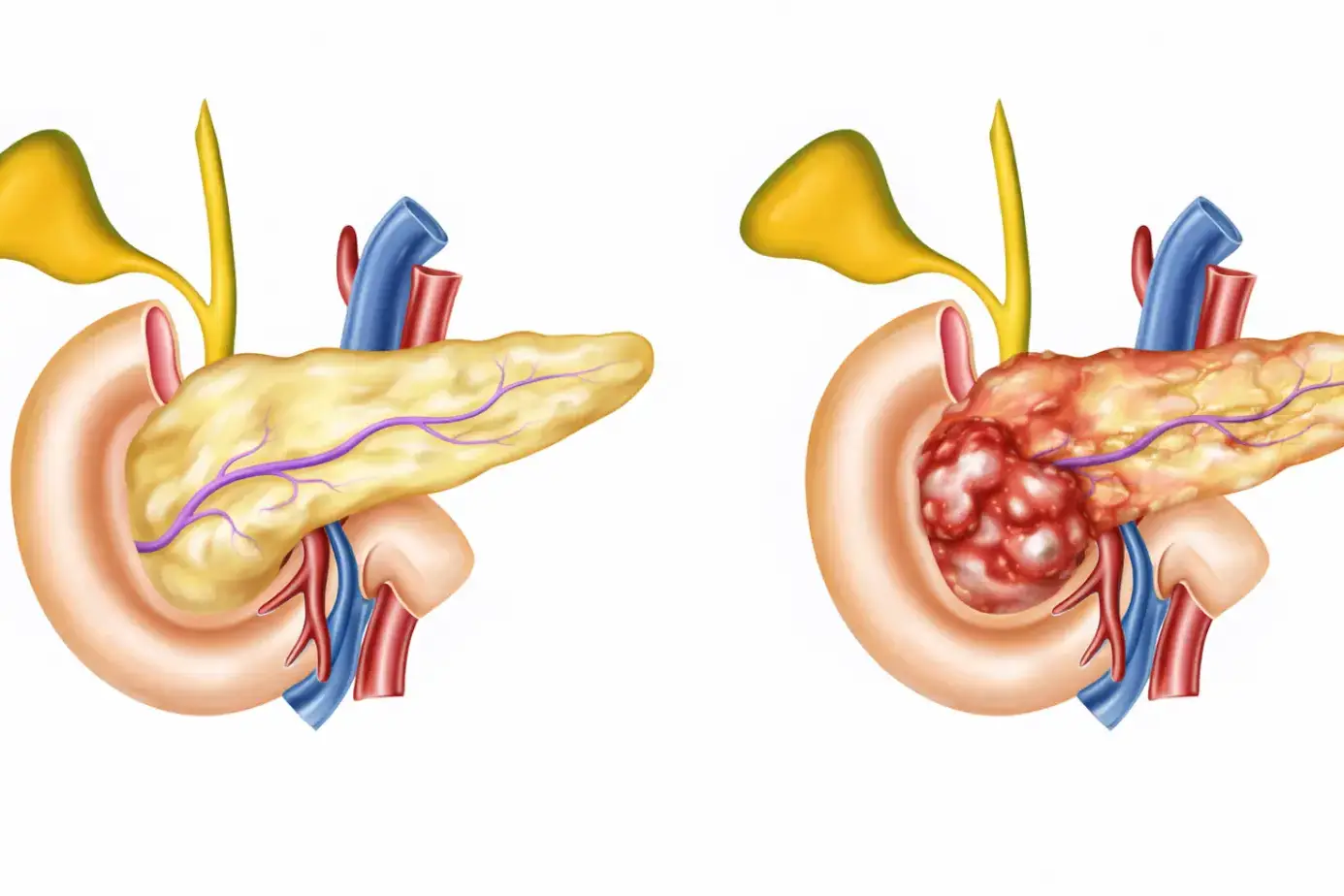
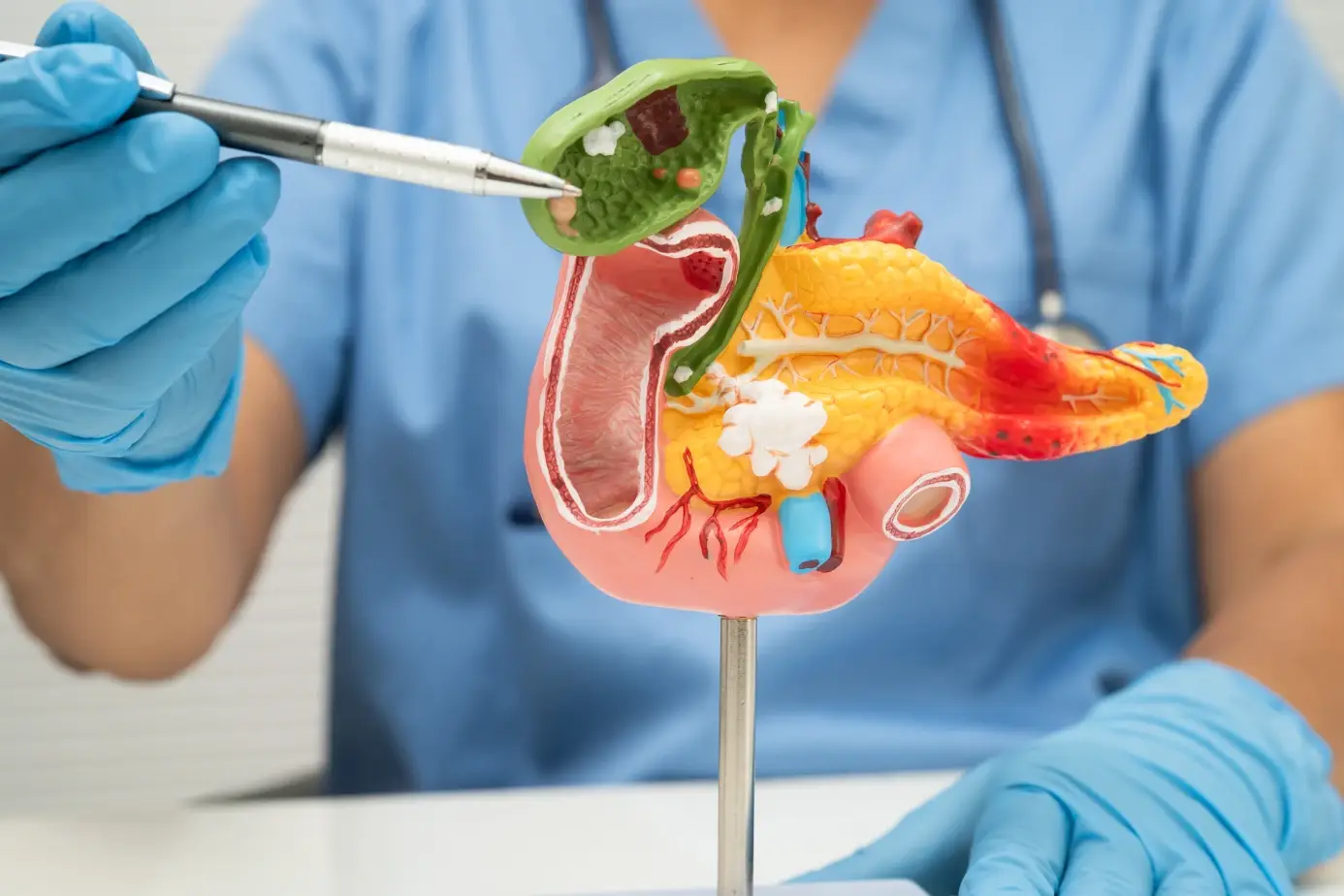
Liver health is central to overall survival and long-term wellness, yet it often receives attention only after significant damage has already occurred. The liver is a powerful organ responsible for detoxifying harmful substances, producing bile for digestion, regulating metabolism, and supporting immune function. When liver health declines, its effects are not limited to one system—the entire body begins to suffer.
Unhealthy lifestyle habits, rising alcohol intake, metabolic disorders, and infections are among the leading contributors to liver damage today. Many liver conditions progress silently, showing few or no symptoms in the early stages. This makes early awareness essential. This comprehensive guide explains liver health in depth—from understanding what is a liver , what does the liver do , and where is the liver located in the body , to recognizing symptoms, diagnosis, treatment, and prevention—so action can be taken before damage becomes irreversible.
What Is Liver Health?
Liver health refers to the liver’s ability to perform its vital functions efficiently without inflammation, fibrosis, or failure. A healthy liver filters toxins from the blood, produces bile to digest fats, stores essential vitamins, and helps regulate blood sugar and cholesterol levels.
To fully appreciate why liver health matters, it is important to understand what is a liver and how its structure enables these life-sustaining processes. When liver function is compromised, toxins accumulate, digestion becomes inefficient, and multiple organs begin to malfunction. Early impairment may not be obvious, but the damage continues quietly unless addressed.
Causes & Risk Factors Affecting Liver Health
Several medical and lifestyle-related factors can gradually damage liver health. Excessive alcohol consumption is a major cause, but it is far from the only one. Metabolic conditions such as obesity and diabetes are strongly linked to fatty liver disease , now one of the most common liver disorders worldwide.
Genetic conditions can also impair liver function. One such condition is hemochromatosis , where excess iron accumulates in the liver and causes progressive damage if left untreated. Certain childhood liver conditions, such as biliary atresia , affect bile flow and can lead to early liver failure without timely management.
Inflammatory and infectious conditions involving the bile ducts are another significant risk factor. Understanding cholangitis causes symptoms is crucial, as untreated bile duct infections can rapidly worsen liver health and result in severe complications. In addition, conditions such as liver infection may trigger inflammation that accelerates long-term damage.
Symptoms & Early Warning Signs
One of the greatest challenges in protecting liver health is that early liver disease often produces no noticeable symptoms. However, early signs of liver damage may include persistent fatigue, reduced appetite, nausea, bloating, or vague abdominal discomfort.
As damage progresses, warning signs become more apparent. Yellowing of the skin and eyes—commonly referred to as what is jaundice —indicates impaired bile processing by the liver. Other symptoms include dark urine, pale stools, abdominal swelling, leg edema, and easy bruising. Disorders affecting bile flow, highlighted by bile duct disorder symptoms , often intensify these manifestations and signal worsening liver dysfunction.
If disease progression continues unchecked, patients may develop complications associated with end stage liver disease symptoms , such as fluid accumulation in the abdomen, bleeding tendencies, and mental confusion. Recognizing these signs early can be lifesaving.
Diagnosis & Tests for Liver Health
Evaluating liver health requires a combination of clinical assessment and diagnostic testing. Blood tests, commonly referred to as a liver function test , measure liver enzymes, bilirubin, and protein levels to assess how well the liver is functioning.
Imaging studies such as ultrasound, FibroScan, CT scans, or MRI help detect fat accumulation, fibrosis, or structural abnormalities such as Liver leisons . These investigations are essential in identifying conditions that may progress into serious liver diseases if not diagnosed and managed early.
Treatment Options for Liver Conditions
Treatment depends on the underlying cause and severity of liver damage. Early-stage conditions such as fatty liver disease can often be managed with weight reduction, metabolic control, and strict avoidance of alcohol. Viral infections may require antiviral therapy, while autoimmune and genetic disorders need targeted medical management.
Infections involving the bile ducts require urgent treatment, particularly in cases related to cholangitis causes symptoms , as delayed care can rapidly worsen liver function. Advanced liver disease often requires long-term medical management, and in severe cases, liver transplantation may become the only viable option.
Prevention, Lifestyle & Diet for Better Liver Health
Protecting liver health largely depends on daily lifestyle choices. A structured liver diet plan rich in fruits, vegetables, whole grains, lean proteins, and healthy fats supports liver repair and regeneration. Reducing sugar intake, processed foods, and saturated fats is equally important.
Lifestyle measures such as regular physical activity, avoiding unnecessary medications, and vaccination against hepatitis viruses significantly reduce liver-related risks. Alcohol deserves special attention, as the effects of alcohol on body extend far beyond the liver and contribute to progressive organ damage over time.
When to See a Doctor
You should consult a liver specialist if you experience persistent fatigue, jaundice, abdominal swelling, unexplained weight loss, or abnormal liver test results. Individuals with diabetes, obesity, alcohol exposure, or a family history of liver disease should undergo routine screening even in the absence of symptoms. Early intervention can prevent progression to serious liver diseases and improve long-term outcomes.
Frequently Asked Questions About Liver Health
Can fatty liver disease be reversed?
Yes. Early fatty liver disease is often reversible with weight loss, dietary changes, and alcohol avoidance. Delayed treatment may lead to permanent scarring.
Why is a liver function test important?
A liver function test helps detect liver damage early, often before symptoms appear, enabling timely treatment.
What are serious liver diseases?
Serious liver diseases include cirrhosis, liver failure, liver cancer, and advanced autoimmune or genetic liver disorders.
Is jaundice always related to liver disease?
Not always, but jaundice commonly signals liver or bile duct dysfunction and should never be ignored.
How does alcohol affect liver health?
Alcohol damages liver cells, promotes inflammation, and accelerates progression to cirrhosis and liver failure.
Conclusion
Liver health is a cornerstone of overall health and longevity. Because liver disease often progresses silently, awareness, preventive care, and early diagnosis are essential. Understanding risk factors, recognizing symptoms, and following a consistent liver diet plan can protect the liver from long-term damage.
If you have risk factors or warning signs affecting liver health, seek timely evaluation from a qualified liver specialist. Early care not only prevents irreversible damage but can also restore liver function and save lives.
About The Author

Medically reviewed by Dr. Nivedita Pandey, MD, DM (Gastroenterology)
Dr. Nivedita Pandey is a U.S.-trained gastroenterologist and hepatologist with extensive experience in diagnosing and treating liver diseases and gastrointestinal disorders. She specializes in liver enzyme abnormalities, fatty liver disease, hepatitis, cirrhosis, and digestive health.
All content is reviewed for medical accuracy and aligned with current clinical guidelines.