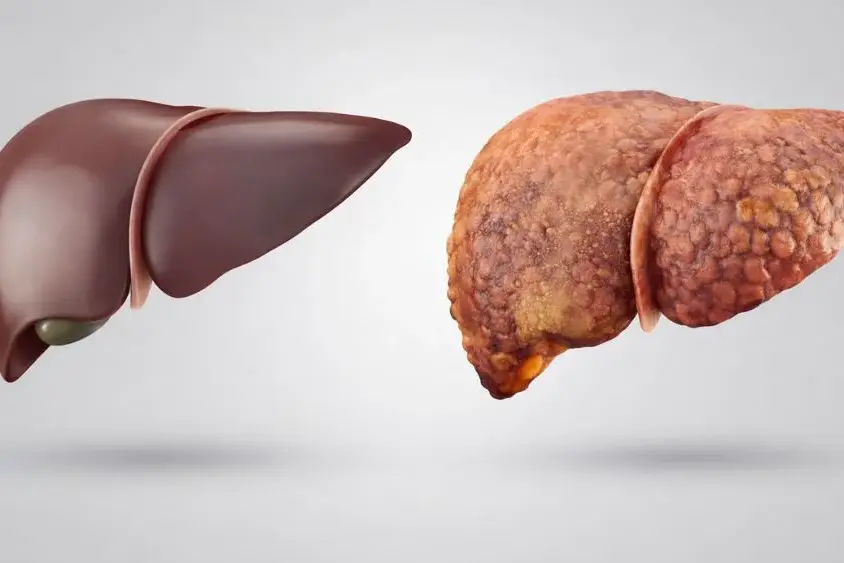
The normal range of liver function test values tells you how well your liver is working at the time of testing. These blood tests measure enzymes, proteins, and waste products that the liver handles every day.
When results stay within the normal range of liver function tests , your liver is usually doing its job. When numbers move outside that range, it signals stress, injury, or long-term disease. Doctors use these values to decide if you need follow-up, repeat testing, or further checks.
Types of Liver Function Tests
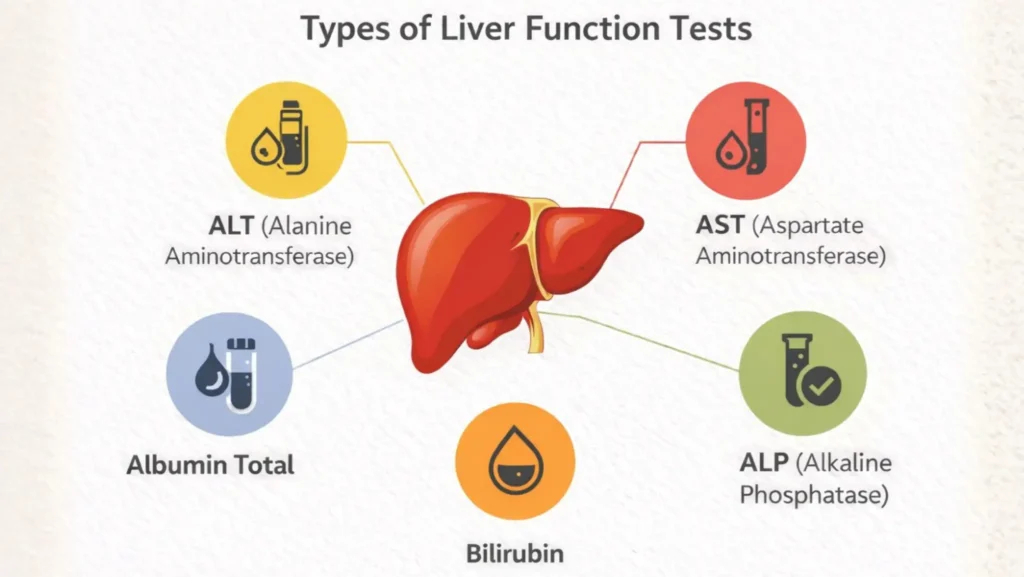
The liver performs multiple tasks at once, so doctors use several blood markers to assess different functions. Enzymes reflect liver cell injury, proteins show production capacity, and bilirubin reflects waste clearance. Reading these tests together prevents false conclusions from a single abnormal value.
ALT (Alanine Aminotransferase)
ALT is an enzyme found mostly inside liver cells. When liver cells get damaged, ALT leaks into the blood. That is why ALT is one of the most sensitive markers of liver injury.
A mild ALT rise often comes from fatty liver, short-term infection, or medication use. Very high ALT levels usually point to active liver inflammation, such as viral hepatitis. ALT mainly reflects liver-specific damage, unlike some other enzymes.
AST (Aspartate Aminotransferase)
AST is found in the liver, muscles, heart, and kidneys. Because of this, AST alone cannot confirm liver disease. Doctors compare AST with ALT to understand the source. When AST rises more than ALT, alcohol-related liver injury becomes more likely. Muscle injury and heavy exercise can also raise AST without liver disease.
ALP (Alkaline Phosphatase)
ALP comes from bile ducts in the liver and from bones. High ALP may suggest blocked bile flow or bile duct disease. In children and teens, ALP can be high due to bone growth. During pregnancy, ALP may also rise. Context matters when reading this value.
Bilirubin (Total and Direct)
Bilirubin forms when old red blood cells break down. The liver processes bilirubin and sends it into bile. High bilirubin causes yellow skin and eyes, called jaundice. Direct bilirubin rises when bile flow slows or stops. Total bilirubin rises when the liver cannot process waste properly.
Albumin
Albumin is a protein made only by the liver. It helps keep fluid inside blood vessels. Low albumin usually points to long-term liver disease, poor nutrition, or chronic inflammation. Albumin does not drop quickly, so it reflects ongoing liver health.
Total Protein
Total protein measures albumin plus other blood proteins. Low values may suggest liver disease, kidney loss, or poor nutrition. High values may reflect inflammation or infection. These types of liver function tests together give a clearer picture than any single result.
Liver Function Test Normal Values Chart
A value slightly outside range may still be healthy depending on age, sex, body weight, and recent activity. Doctors compare numbers with lab-specific ranges and clinical context before labeling results abnormal.
Normal ALT Range
ALT usually falls between 7 and 56 units per liter in adults. Many experts prefer values below 40 units per liter for better liver health. Staying within the normal range of liver function test for ALT suggests no active liver cell injury.
Normal AST Range
AST normal values often range from 10 to 40 units per liter. AST tends to stay lower than ALT in healthy people. Values near the upper limit may still be normal if you exercised hard or had a recent muscle strain.
Normal ALP Range
ALP typically ranges from 44 to 147 units per liter in adults. Children often have higher values due to bone growth. A sudden rise above the normal range of liver function tests may signal bile flow problems.
Normal Bilirubin Levels
Total bilirubin usually stays between 0.1 and 1.2 milligrams per deciliter. Direct bilirubin is often below 0.3. Higher levels may cause visible jaundice.
Normal Albumin Levels
Albumin normally ranges from 3.5 to 5.0 grams per deciliter. Low albumin suggests reduced liver protein production.
Normal Total Protein Levels
Total protein usually ranges from 6.0 to 8.3 grams per deciliter. This normal values chart for liver function test helps doctors spot patterns rather than focus on one number.
Normal Liver Report Values
A liver report becomes meaningful only when values are assessed together. Enzymes, bilirubin, and proteins often move in patterns that suggest specific conditions. A report can look abnormal yet still represent stable liver health for that individual.
Normal Liver Values in Adults
Healthy adults usually fall within standard lab ranges. Minor variations can occur due to diet, hydration, or recent illness. Values inside the normal range of liver function test usually mean no active liver damage.
Normal Liver Values in Males vs Females
Men often have slightly higher ALT and AST levels. Hormones and muscle mass play a role. Women tend to show lower enzyme values, which labs consider when setting normal liver report values .
Normal Liver Values by Age
Newborns may have higher bilirubin due to immature liver function. Children may show higher ALP from bone growth. Older adults may have mild enzyme changes without disease. Age-adjusted interpretation prevents overdiagnosis.
Acceptable Borderline Variations
Values just above normal do not always mean illness. Short-term infection, dehydration, alcohol intake, or exercise can raise enzymes. Doctors often repeat testing before labeling results as abnormal. Many borderline values return to the normal range of liver function test without treatment.
Liver Function Test Interpretation
Interpretation focuses on patterns, ratios, and trends rather than isolated numbers. Doctors assess whether changes suggest short-term stress, chronic disease, or active injury. Proper interpretation reduces unnecessary testing and avoids missed diagnoses.
What Mildly Elevated Liver Enzymes Mean
Mild elevation means ALT or AST is less than two times the normal range of liver function test . This often happens with fatty liver, short-term infections, dehydration, or recent alcohol intake. many causes in elevated liver enzymes , the liver heals on its own.
Doctors usually repeat the test after a few weeks. If values return to the normal range of liver function test , no treatment is needed. Mild elevations rarely signal permanent damage.
What High ALT and AST Levels Indicate
High ALT and AST levels, often three to ten times above the normal range of liver function tests , suggest active liver injury. Common causes include viral hepatitis, drug toxicity, or severe inflammation.
When levels rise very fast, doctors act quickly. They check medications, alcohol use, and infection markers. These numbers reflect liver cell injury, not how well the liver works long-term.
AST/ALT Ratio and Its Significance
The AST/ALT ratio compares two enzymes. A ratio above 2 often points toward alcohol-related liver damage. A ratio below 1 is more common in fatty liver disease. This ratio adds depth to the interpretation of liver function test results. It helps doctors narrow causes without invasive tests.
What Low Albumin Levels Suggest
Albumin drops slowly. Low levels usually mean long-term liver disease, poor nutrition, or chronic inflammation. Acute liver injury rarely lowers albumin right away.
An albumin level below the normal range of liver function test often signals reduced liver protein production. Doctors also check kidney loss and gut absorption before blaming the liver alone.
Patterns Seen in Fatty Liver and Hepatitis
Fatty liver often shows mildly high ALT with normal bilirubin. Viral hepatitis usually causes much higher ALT than AST. Alcohol-related injury often raises AST more than ALT. These patterns guide accurate interpretation of liver function test results and reduce unnecessary testing.
Factors That Affect Liver Function Test Results
Liver test values fluctuate due to lifestyle, medications, illness, and physical stress. Many abnormal results reflect temporary strain rather than disease. Identifying these factors helps avoid misdiagnosis and unnecessary anxiety.
Alcohol Consumption
Alcohol affects liver enzymes even without addiction. AST often rises more than ALT after drinking. Regular intake keeps enzymes above the normal range of liver function test .
Doctors often ask you to avoid alcohol before repeat testing. Enzymes may normalize within weeks if alcohol was the cause.
Medications and Supplements
Many drugs affect liver tests. Pain relievers, cholesterol drugs, antibiotics, and herbal supplements can raise enzymes.
Some medications cause temporary changes that resolve without harm. Others may need dose changes. Always share a full medication list before judging normal liver report values .
Fatty Liver Disease
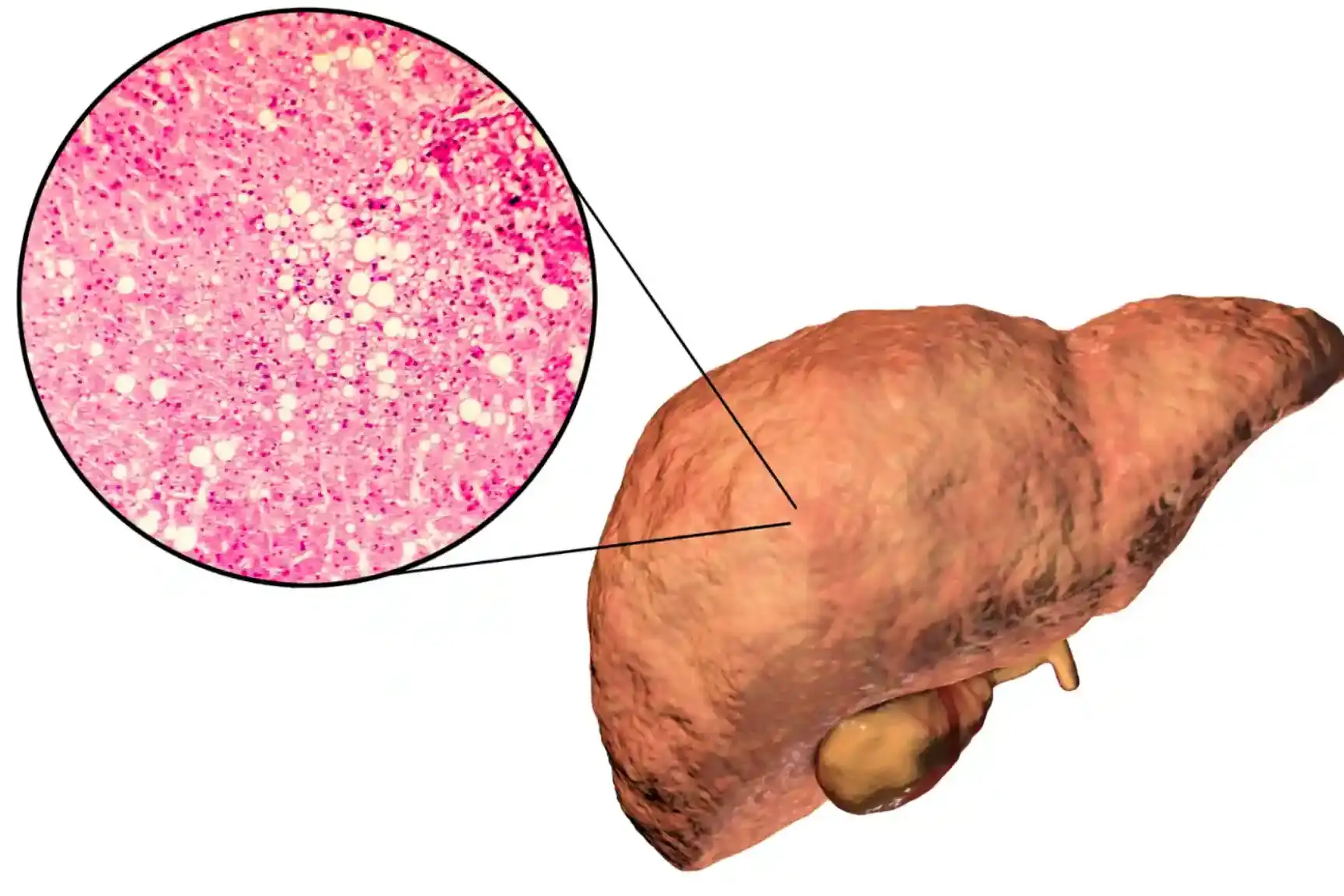
Fatty liver is one of the most common causes of abnormal tests. It often causes mild ALT elevation with few symptoms. Many people with fatty liver have normal bilirubin and albumin. This explains why some people feel well despite numbers outside the normal range of liver function test .
Viral Infections
Hepatitis viruses directly damage liver cells. This leads to sharp ALT rises. Other viral illnesses can also raise enzymes briefly. Once the infection clears, values often return to the normal range of liver function test .
Recent Illness or Exercise
Hard exercise can raise AST due to muscle strain. Fever, dehydration, and vomiting also affect results. These changes are temporary and often normalize without treatment.
When to Repeat or Follow Up a Liver Function Test
Repeat testing helps distinguish temporary changes from ongoing damage. Stable or improving values often require no treatment, while worsening trends prompt further evaluation. Follow-up timing depends on severity, symptoms, and risk factors.
Mild vs Persistent Abnormalities
Single mild abnormalities often resolve. Persistent elevations over months raise concern for chronic disease. Doctors repeat tests to see if values return to the normal range of liver function test or continue rising.
When Imaging or Biopsy Is Required
Ultrasound checks liver size, fat, and bile flow. It helps confirm fatty liver or blockage. Biopsy is rare. Doctors reserve it for unclear cases when blood tests and imaging do not explain abnormal liver function test values .
Monitoring Trends Over Time
Trends matter more than one result. Stable numbers suggest low risk. Rising values signal progression. Monitoring helps guide treatment and prevents late diagnosis.
FAQs
What Is the Normal Range for Liver Function Tests?
The normal range of liver function tests depends on the lab and the specific test. Doctors interpret results using lab ranges, symptoms, and trends rather than relying on one fixed number.
Can Liver Function Tests Be Normal With Liver Disease?
Yes, liver disease can exist even when results fall within the normal range of liver function tests . Early fatty liver and some chronic conditions may show normal blood tests.
What Is a Normal ALT Level?
Normal ALT usually stays below 40 units per liter in adults. Values within the normal range of liver function test suggest no active liver cell injury at that time.
What Does High AST and ALT Mean?
High AST and ALT indicate liver cell damage or stress. Causes include fatty liver, viral infection, alcohol use, or medications. Doctors assess patterns for accurate diagnosis.
How Do I Read My Liver Function Test Report?
Start by checking lab ranges. Compare ALT, AST, bilirubin in urine ,and albumin together. Doctors use patterns to define normal liver report values for your situation.
Do Liver Function Tests Detect Fatty Liver?
Blood tests suggest fatty liver, but cannot confirm it. Imaging is needed. Many people with fatty liver have mild enzyme changes within the normal range of liver function tests .
What Symptoms Indicate Abnormal Liver Tests?
Common symptoms of a liver disorder include fatigue, yellow skin, dark urine, pale stools, and abdominal swelling. Some people have abnormal tests without symptoms.
Can Medications Affect Liver Test Results?
Yes, many drugs and supplements alter liver enzymes. These changes may be temporary. Always report medication use when reviewing normal liver report values .
How Often Should Liver Function Tests Be Done?
Testing frequency depends on risk. Healthy people need testing only when symptoms or risk factors appear. Chronic disease requires regular monitoring.
When Should I See a Doctor for Abnormal LFT Results?
See a doctor if values stay outside the normal range of liver function test , rise over time, or if symptoms of a liver disorder develop alongside abnormal results.
About The Author

Medically reviewed by Dr. Nivedita Pandey, MD, DM (Gastroenterology)
Dr. Nivedita Pandey is a U.S.-trained gastroenterologist and hepatologist with extensive experience in diagnosing and treating liver diseases and gastrointestinal disorders. She specializes in liver enzyme abnormalities, fatty liver disease, hepatitis, cirrhosis, and digestive health.
All content is reviewed for medical accuracy and aligned with current clinical guidelines.