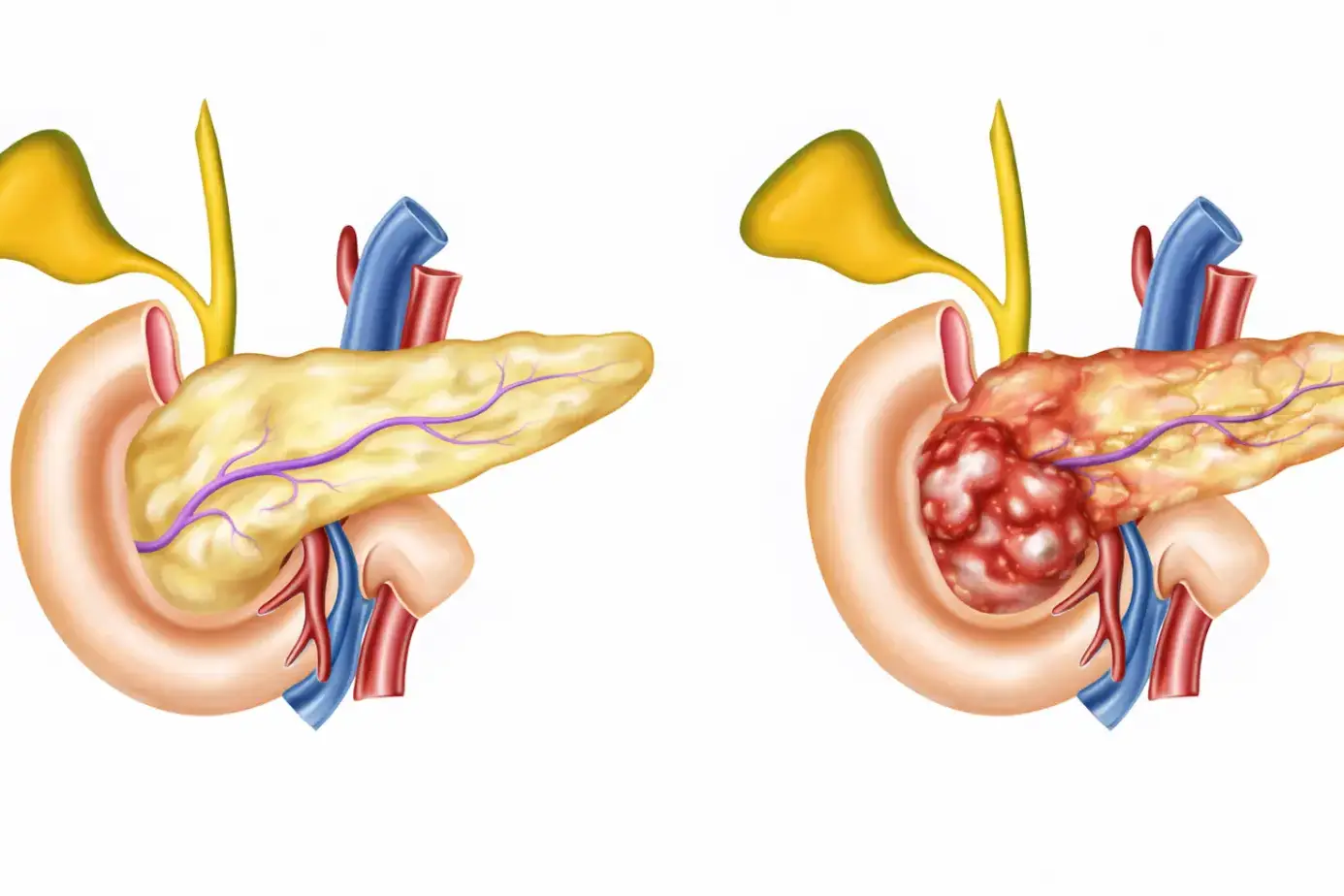
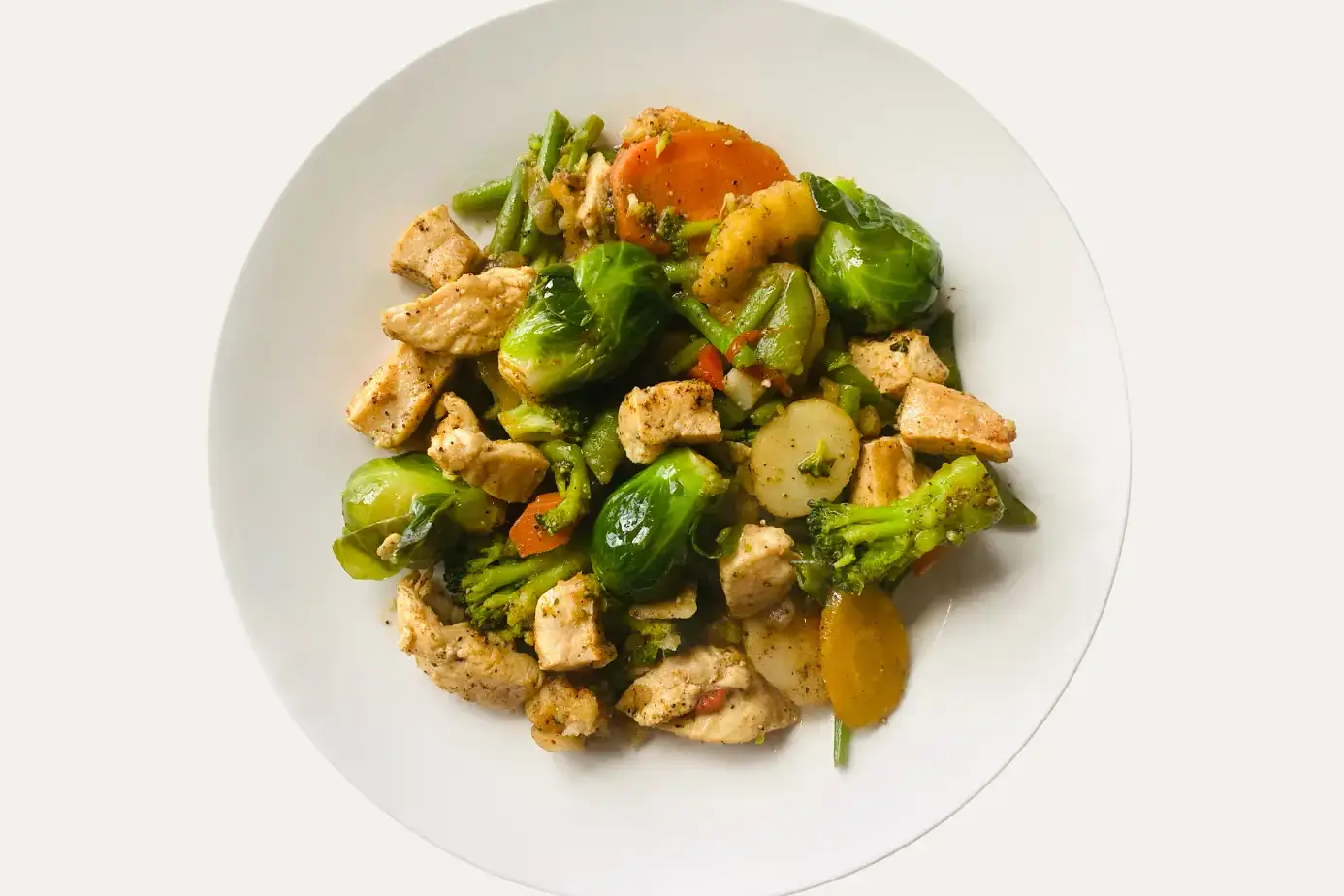
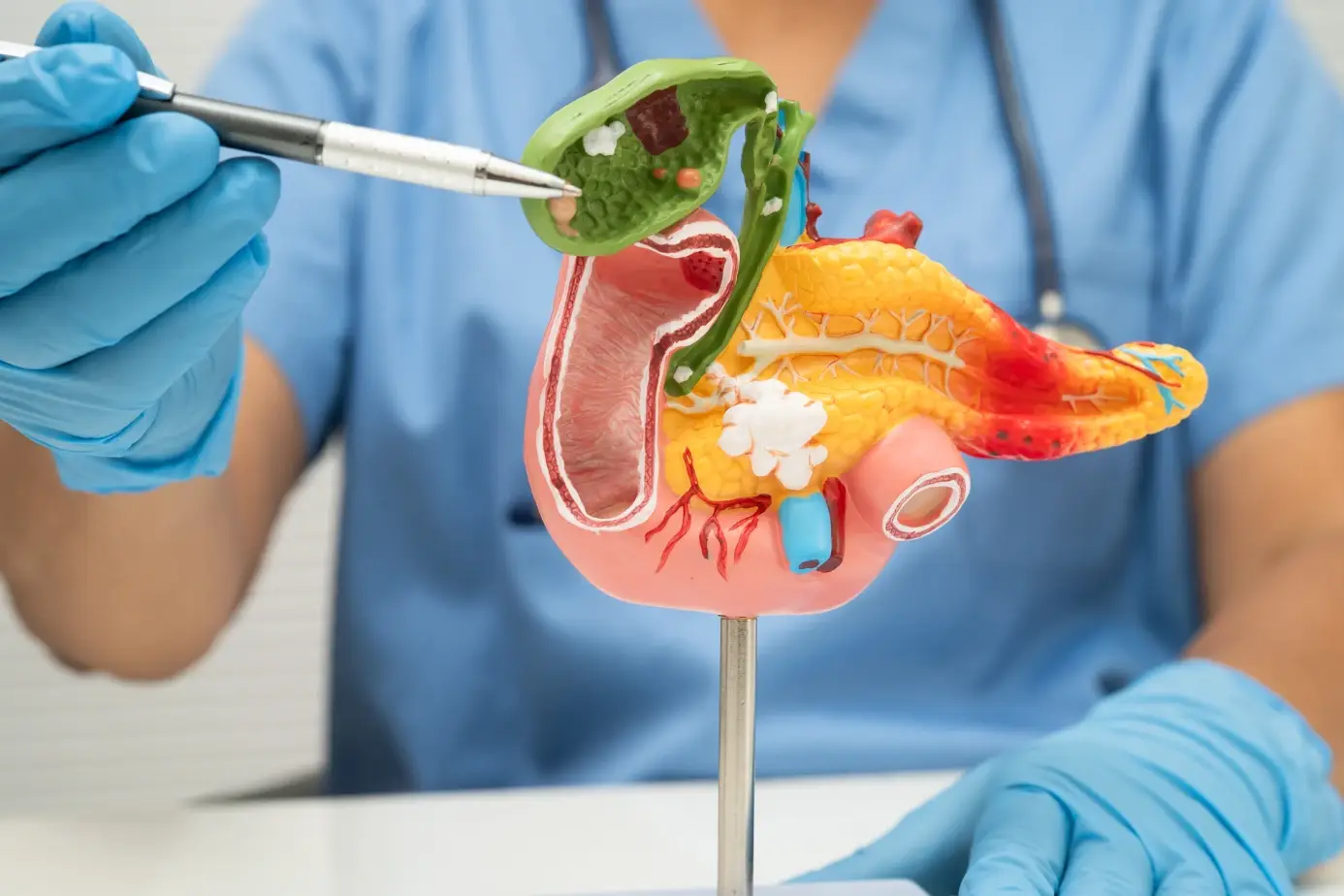
A liver detox diet is a food-based reset that lowers your liver’s daily workload. You do that by cutting alcohol, added sugar, and ultra-processed foods while eating more fiber, protein, and plant nutrients. This approach does not flush toxins in hours, because your liver already detoxes your blood all day. Additionally, marketed liver cleanses and detox products lack strong proof, and some can be risky.
What Is a Liver Detox Diet
A liver detox diet means you choose foods that support normal liver function. You avoid common triggers that push fat storage, inflammation, and poor blood sugar control. You also build meals that help your gut move waste out on time. This matters because bile and stool help carry waste out of your body.
Liver’s Natural Detoxification Role
Your liver works like a chemical processing center. It changes many fat-soluble chemicals into water-soluble forms, so you can remove them in urine or bile. The liver protects you by converting certain chemicals into forms your body can eliminate.
Detox is not one single switch. Your liver breaks down alcohol, drug leftovers, and normal waste from digestion. It also makes bile, which helps you digest fats and remove some waste. When your liver faces constant overload, it can store more fat and become inflamed.
Diet-Based Detox Vs Medical Detox
A liver detox diet uses normal food choices to support your liver. It focuses on meals, hydration, and cutting common stressors. Medical detox is different, and it can be urgent. Medical detox treats alcohol or drug withdrawal under medical supervision, because withdrawal can be dangerous.
We do not recommend liver cleanse products, as many products lack strong testing, and they are not regulated like medicines. There is little evidence that detox diets do what they promise. It states that your body detoxes daily through your organs.
Who Should Follow a Liver Detox Diet
Most adults can try a liver detox diet when it looks like a balanced eating plan. You may benefit if you drink often, rely on sugary drinks, or eat packaged snacks daily. You may also benefit if you have early signs of fatty liver risk, like high triglycerides or a large waist.
If you already have liver disease, you should not guess your way through a cleanse. Lifestyle changes can improve fatty liver, but your doctor should guide the plan based on your condition. If you feel yellowing skin, dark urine, or strong belly pain, you need medical care, not a diet trend.
Diet For Liver Detox: How It Works
A liver detox diet works by removing inputs that strain the liver and adding inputs that support repair. You are not forcing your liver to “dump toxins.” You are giving it fewer problems to handle and more raw materials to function well.
Phase I and Phase II Liver Detox Pathways
Your liver uses enzyme systems often described as Phase I and Phase II. Phase I changes compounds through reactions like oxidation or reduction. Phase II then attaches a helper molecule, so your body can remove the new compound more easily. These phase-based enzyme systems and how they help process chemicals.
Food supports these steps in practical ways. Protein gives amino acids that your liver uses for repair and enzyme building. Plants give vitamins and natural compounds that support normal enzyme activity. You should not treat this like a hack, because your body already runs these steps.
Role Of Fiber And Antioxidants
Fiber helps your digestive tract move waste out regularly. That matters because bile carries some waste into your gut for removal. When you eat more fiber, you often pass stool more easily, and waste exits faster.
Antioxidants are plant nutrients that help protect cells during normal stress. They do not “erase toxins,” but they support healthy cell function. When you build a diet for liver detox around vegetables, fruit, beans, and whole grains, you usually raise your fiber and antioxidant intake at the same time.
Effect Of Alcohol And Sugar On The Liver
Alcohol is a direct liver workload. Your liver prioritizes alcohol breakdown because alcohol can harm your body when it stays in the blood. Frequent drinking can increase fat build-up and inflammation over time.
Added sugar also matters, especially in liquid form. Sugary drinks deliver a lot of fast sugar without fullness. That pushes extra calories and can raise liver fat in some people. Cutting alcohol and sweet drinks often gives the biggest early change during a liver detox diet .
Liver Cleanse Diet Plan
A liver diet plan should feel boring in a good way. It should be simple, repeatable, and safe. Extreme fasting, harsh laxatives, and expensive powders do not add reliable value. Detox diets show little evidence for the claims they make, and the cleanse products can be unsafe and poorly tested.
Short-Term Liver Cleanse Approach
A short plan can help you reset habits without going extreme. A 7 to 14-day diet plan for liver cleanse can work well for many people. During this time, you remove alcohol, sweet drinks, and fried foods. You focus on home-cooked meals and steady sleep.
You should also set a clear goal that you can measure. For example, you can aim for two plates of vegetables daily. You can aim for one sugary drink per week, not per day. This makes the plan realistic.
Daily Meal Structure And Timing
Keep meals steady so your blood sugar stays stable. You can use three meals and one planned snack daily. Each meal should include protein, fiber, and at least one plant food.
At breakfast, you eat oats with berries and plain yogurt. At lunch, you eat a big salad with beans or chicken and olive oil. At dinner, you eat fish or tofu with vegetables and brown rice. This pattern supports a liver detox diet without weird rules.
Fluids Recommended During Cleanse
Water supports digestion and normal waste removal. You can also use unsweetened tea if you tolerate it. If you sweat a lot, soups and broths can help replace fluids.
You should avoid “detox drinks” loaded with sugar or strong stimulants. Those drinks often increase cravings and upset your stomach. If you want flavor, lemon slices in water can help you drink more without adding sugar.
Foods For Liver Detox
A liver detox diet becomes easier when your kitchen supports it. You do not need rare ingredients. You need repeatable foods that cover fiber, protein, and healthy fats.
Vegetables That Support Bile Flow
Vegetables support bile flow mostly through fiber and plant compounds. Leafy greens like spinach and arugula add folate and fiber. Beets and carrots add colorful plant nutrients that support overall health. Cruciferous vegetables like broccoli and cabbage also support normal enzyme activity. These options fit well in foods for liver detox choices.
If your stomach feels gassy, you can cook vegetables well at first. You can also start with smaller servings and increase slowly. This keeps you consistent, which matters more than perfect choices.
Fruits That Aid Detox Enzymes
Whole fruit gives you fiber plus vitamins like vitamin C. Berries give a lot of plant compounds in small servings. Apples and citrus fruits work well as easy snacks.
You should choose whole fruit more often than fruit juice. Juice removes much of the fiber and can spike blood sugar faster. Whole fruit supports your gut and keeps you fuller, which helps your plan last.
Protein Sources For Liver Repair
Your liver uses protein for repair and daily enzyme work. Choose fish, eggs, tofu, beans, lentils, and skinless chicken. If you eat dairy, plain yogurt can also help.
You should limit processed meats like sausages and deli meats. They often add extra salt and additives. If you build protein into each meal, your cravings often drop, and your liver detox diet feels easier.
You can also keep fatty liver in mind here. Gradual weight loss and healthy eating patterns can improve NAFLD, and losing even a modest percentage of body weight can reduce liver fat.
That is why a liver detox diet for fatty liver should focus on steady meals, not quick cleanses.
Liver Detox Foods List
A smart liver detox diet feels simple in your kitchen. You stock foods that help steady blood sugar, support bowel regularity, and lower liver fat risk. You also pick items you can repeat without boredom.
Cruciferous Vegetables
Cruciferous vegetables include broccoli, cauliflower, cabbage, kale, and Brussels sprouts. You can roast them for a sweet taste, or steam them for an easy side. These vegetables contain sulfur compounds that support normal liver enzyme activity in Phase I and Phase II.
Diet patterns rich in plants support better liver markers in many people, especially when you also cut added sugar.
If you feel bloated after eating cruciferous vegetables, you can eat half a cup daily, then increase slowly. Cooking them well also makes them easier to handle.
Healthy Fats And Oils
You do not need a fat-free plan for a liver detox diet . You need better fats in the right amounts. Olive oil, avocado, nuts, and seeds can replace butter-heavy and deep-fried foods. Fatty fish like salmon and sardines can also help, because they provide omega-3 fats.
For fatty liver risk, many clinical nutrition reviews favor Mediterranean-style patterns. These patterns focus on unsaturated fats, vegetables, whole grains, and fish. They often improve triglycerides and insulin resistance (poor insulin response).
Herbs And Spices For Liver Health
Spices help you reduce salt and still enjoy food. Garlic, turmeric, ginger, cumin, cinnamon, and black pepper add strong flavor. Use spices as food, not as high-dose pills. Herbal and dietary supplements cause a meaningful share of liver injury cases in the Drug-Induced Liver Injury Network.
So, you can cook with herbs freely, but you should think twice about concentrated extracts. If you take supplements, you should tell your doctor, especially if you also take medications.
Liver Detox Diet For Fatty Liver
A liver detox diet for fatty liver works best when you treat it like a long game. You lower liver fat by improving daily habits that drive fat storage. Weight loss, better food quality, and less alcohol do the heavy lifting. Weight loss can reduce liver fat and can also reduce inflammation and scarring in NASH.
Dietary Goals For Fatty Liver
Your main goals stay clear and practical. You aim for steady weight loss if you need it. You keep adding sugar low, especially in drinks. You build meals that keep you ful,l so you do not snack all evening.
Research summaries often cite a 7% to 10% sustained weight loss as a level that can improve liver fat and even inflammation in NAFLD and NASH.
Foods To Prioritize
Prioritize vegetables at most meals. Add beans, lentils, and whole grains for fiber. Choose fish, tofu, eggs, and lean poultry for protein. Use olive oil and nuts for fats in moderate portions.
If you follow a diet for liver detox with these foods, you often improve blood sugar swings. You also reduce cravings, because balanced meals keep you satisfied longer.
Foods To Strictly Avoid
If you want the biggest payoff from a liver detox diet for fatty liver , cut alcohol during your reset. Remove sugar-sweetened drinks, energy drinks, and sweet coffee drinks. Limit desserts, pastries, and candy to rare treats.
You should also limit ultra-processed snacks and fried foods. Those foods pack calories, salt, and refined starch in small portions. They also make it harder to stop eating once you start.
Foods To Avoid During Liver Detox
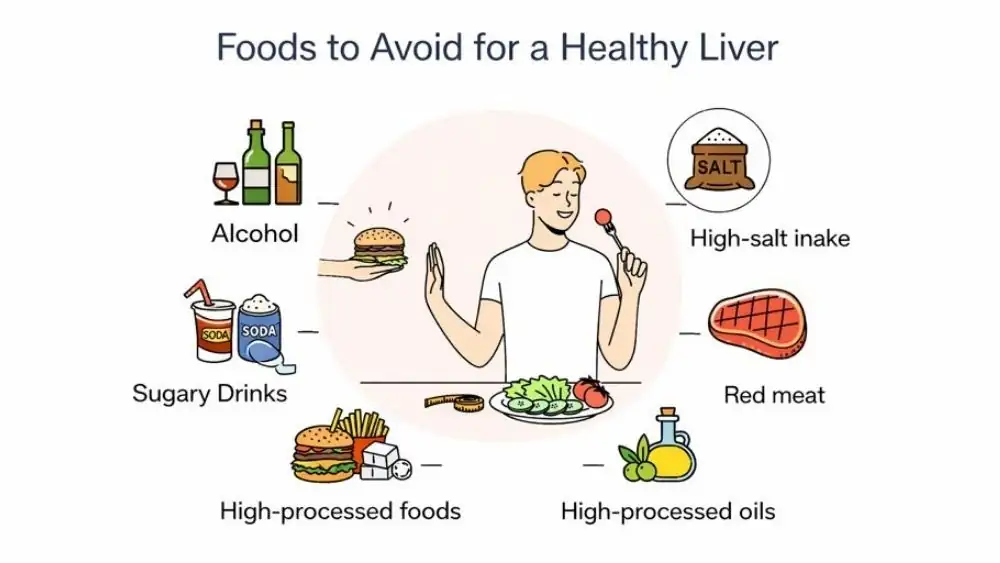
A liver detox diet works when you reduce the inputs that keep your liver busy. These three groups cause the most trouble for most people.
Alcohol And Sugary Drinks
Alcohol forces your liver to prioritize alcohol breakdown over other tasks. Sugary drinks add fast sugar without fullness. When you cut both, you often see fewer cravings within a week. You also support better sleep, which helps appetite control.
Fried And Ultra-Processed Foods
Fried foods absorb oils and add calories fast. Ultra-processed foods often include refined starch, added sugar, and high sodium. These foods can raise triglycerides and worsen fatty liver risk. You do better with simple meals you can recognize.
Excess Salt And Refined Carbs
Salt is not the enemy, but excess salt can cause water retention in some people. Refined carbs can raise hunger soon after eating. You can swap white bread for whole-grain bread. You can swap chips for nuts or fruit with yogurt.
This choice set makes foods for liver detox feel easier, because you stop fighting constant cravings.
Benefits Of A Liver Detox Diet
A liver detox diet does not act like a magic scrub brush. It helps because it improves inputs that drive liver fat and inflammation. Detox diets lack strong evidence for their marketed claims, and your body detoxes daily through normal organs.
Improved Digestion And Energy
When you eat more fiber, you often get more regular bowel movements. That supports waste removal through the gut. When you cut sugary drinks, you often reduce energy crashes. Hydration and balanced meals can make your days feel steadier.
Reduced Liver Inflammation
If you remove alcohol and cut added sugar, you lower common drivers of liver stress. If you also lose weight slowly, you often reduce liver fat. Weight loss is linked with lower liver fat and lower inflammation risk in NAFLD.
Support For Metabolic Health
Your liver connects to blood sugar and triglycerides. When you follow a steady diet plan for liver cleansing , you often improve these markers. Your waist size can drop, and your sleep can improve. Those changes help your liver and your heart together.
Is A Liver Detox Diet Safe
A liver detox diet stays safe when it looks like normal, healthy eating. Problems start when detox plans push extreme fasting, laxatives, or aggressive supplements. We do not recommend liver cleanses, partly because products lack uniform testing and regulation.
Who Should Avoid Detox Diets
You should avoid detox trends if you feel weak, underweight, or pregnant. Teens should not follow cleanse plans that cut calories too low. If you have diabetes, kidney disease, or known liver disease, you should ask your clinician first. If you use multiple medications, you should avoid random supplement stacks.
Common Detox Diet Myths
| Detox Myth | What Medical Evidence Actually Shows |
| Detox diets flush toxins fast | Your liver and kidneys already remove toxins every minute. Detox diets lack solid evidence for toxin removal. |
| Supplements detox the liver better than food | Many supplements cause liver injury. Food-based nutrition is safer and better studied. |
| Sweating removes most toxins | Most toxins leave through urine and stool, not sweat. Sweating mainly removes water and salt. |
| Extreme fasting rests the liver | Prolonged fasting can stress the liver and worsen blood sugar control, especially in diabetics. |
| Detox symptoms mean it is working | These symptoms often come from low calories, dehydration, or sugar withdrawal, not toxin release. |
| Everyone needs regular detox cleanses | Healthy organs detox daily. Routine cleanses are not required for healthy people. |
| Natural always means safe | Supplements are a common cause of drug-induced liver injury. |
When Medical Advice Is Needed
You should get medical help if you notice jaundice (yellow skin or eyes). You should also get help for dark urine, pale stools, or swelling in your belly. Severe right-upper belly pain needs evaluation. A liver detox diet can support health, but it cannot diagnose or treat disease.
FAQs
Can Diet Alone Detox The Liver?
Your liver detoxes your blood every day without special products. A liver detox diet supports that work by cutting alcohol and added sugar while raising fiber and protein. Doctors still matter when you have liver disease.
How Long Does A Liver Detox Take?
Detox is ongoing because your liver works nonstop. A practical diet plan for liver cleanse often lasts 7 to 14 days, but your best results come from habits you keep for months. Short plans help you start, not finish.
Can Fatty Liver Be Reversed With Diet?
Many people can improve fatty liver with sustained lifestyle changes. Weight loss can reduce liver fat and reduce inflammation and scarring in NASH. A liver detox diet for fatty liver works when you stay consistent.
Is Coffee Allowed During Liver Detox?
Many studies link coffee intake with better liver outcomes in population research, but research does not prove coffee fixes liver disease. You can include coffee in a liver detox diet if you keep sugar low and avoid heavy syrups.
Are Liver Detox Supplements Necessary?
You do not need supplements for most diets for liver detox goals. Herbal and dietary supplements make up a notable share of liver injury cases, and the risk varies by product and person. Food-first plans stay safer.
Does Lemon Water Detox The Liver?
Lemon water can help you drink more fluids, and hydration supports digestion. Lemon does not pull toxins out of your liver. Still, lemon water fits a liver detox diet when you skip added sugar and sweet syrups.
How Often Can You Do A Liver Cleanse?
You can repeat a gentle diet plan for liver cleanse whenever your habits drift. You should avoid harsh cleanses with fasting, laxatives, or high-dose powders. A simple reset works better when you can repeat it without stress.
Signs Your Liver Is Healing?
You may notice better energy, fewer cravings, and easier digestion first. Lab changes, like lower ALT or AST, can take weeks or months. Your clinician can track progress with labs and imaging when needed, especially for fatty liver.
Can Diabetics Follow A Liver Detox Diet?
Many diabetics can follow a liver detox diet when they keep carbs steady and avoid juice cleanses. You should pair carbs with protein and fiber at meals. You should ask your clinician if you take insulin or sulfonylureas.
What Is A Liver Detox Diet?
A liver detox diet is a balanced eating pattern that reduces liver stressors. You cut alcohol, sugary drinks, and ultra-processed foods. You add vegetables, whole foods, and protein to support normal liver function and steady metabolism.
About The Author

Medically reviewed by Dr. Nivedita Pandey, MD, DM (Gastroenterology)
Dr. Nivedita Pandey is a U.S.-trained gastroenterologist and hepatologist with extensive experience in diagnosing and treating liver diseases and gastrointestinal disorders. She specializes in liver enzyme abnormalities, fatty liver disease, hepatitis, cirrhosis, and digestive health.
All content is reviewed for medical accuracy and aligned with current clinical guidelines.