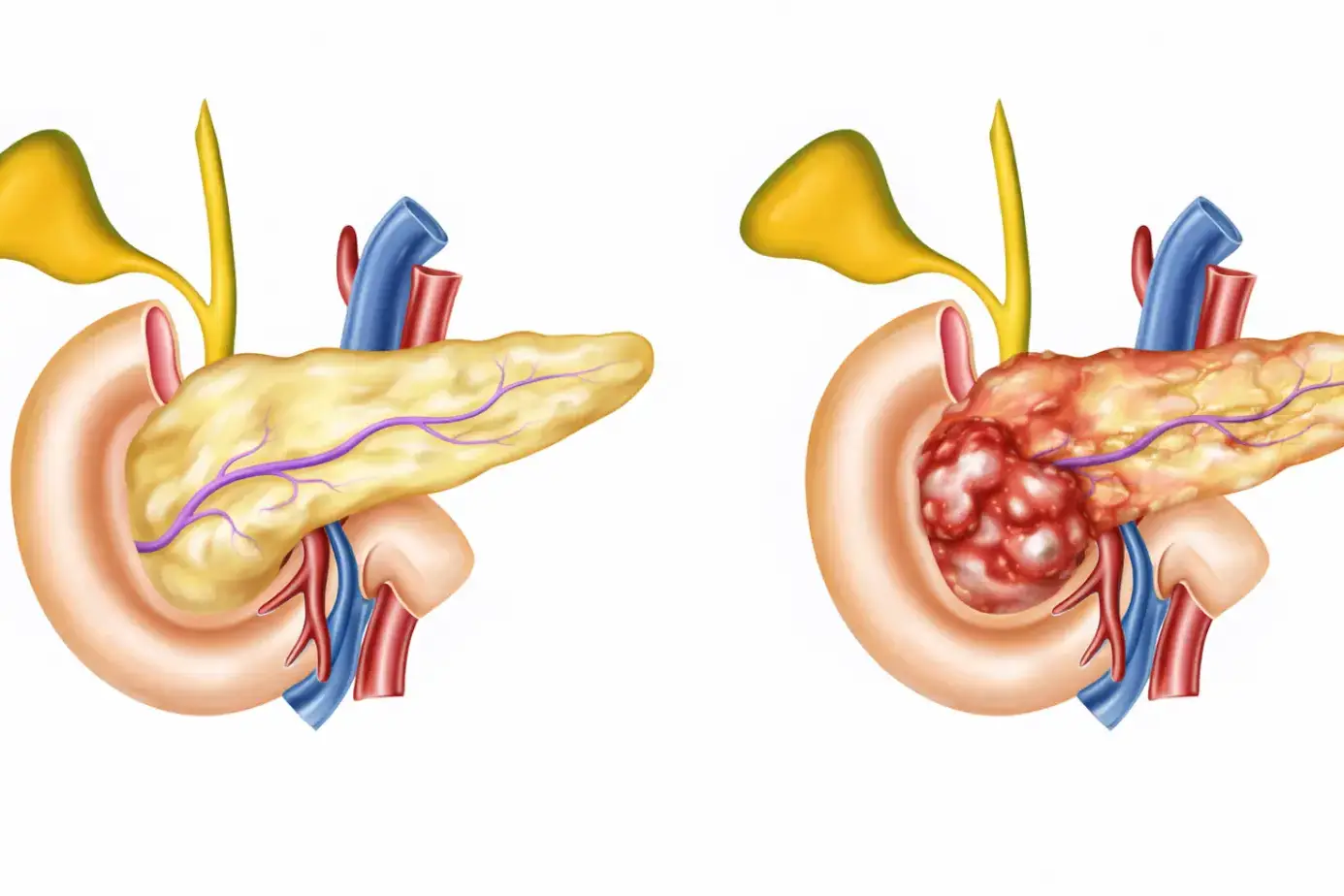
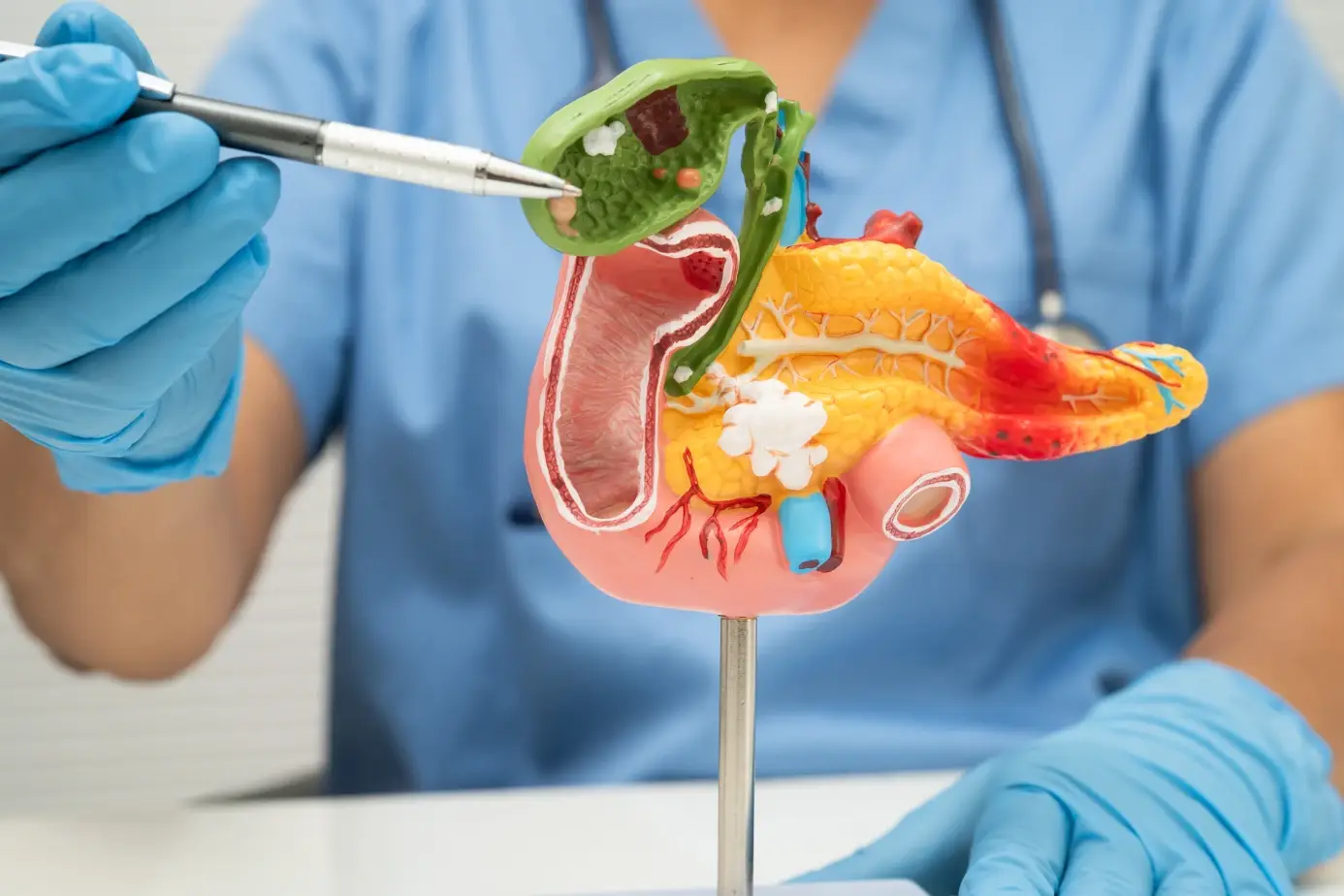
Enlarged liver causes are always linked to an underlying medical issue. A liver does not grow without reason. When your liver becomes larger than normal, it signals stress, injury, infection, fat buildup, blood congestion, or abnormal tissue growth. In many cases, you may not notice symptoms at first, which makes early detection difficult.
Doctors use the term “hepatomegaly” to describe liver enlargement. This condition is a clinical sign that points to deeper liver or systemic problems. Some enlarged liver causes are reversible with early treatment, while others require long-term medical care.
What Is an Enlarged Liver
Definition Of Hepatomegaly
Hepatomegaly means the liver has grown beyond its normal size. A healthy liver fits under the right rib cage and usually cannot be felt during a physical exam. When liver cells swell, store excess fat, fill with blood, or develop abnormal tissue, the organ expands.
From a medical standpoint, hepatomegaly reflects inflammation, congestion, infiltration, or abnormal cell growth. Doctors do not diagnose hepatomegaly by symptoms alone. They confirm it using physical examination findings and imaging studies.
Normal Liver Size Vs Enlarged Liver
In adults, a normal liver weighs about three pounds and measures roughly six inches vertically. It stays protected behind the rib cage. An enlarged liver extends below the ribs and may feel firm or tender when touched.
The difference between normal and enlarged liver size matters clinically. Even a mild increase can suggest early disease. Severe enlargement often points to advanced conditions such as cirrhosis (permanent liver scarring) or cancer.
How An Enlarged Liver Is Detected
Doctors often detect hepatomegaly during a routine physical exam. If the liver edge is felt below the ribs, further testing follows. Imaging tests confirm size and structure.
Ultrasound is usually the first imaging test because it is safe and quick. CT scans and MRI scans provide detailed views of fat content, blood flow, tumors, or blockages. Blood tests help identify enlarged liver causes by showing enzyme levels and liver function markers.
Causes Of Liver Enlargement
Fat Accumulation In The Liver
Fat buildup is one of the most common causes of enlarged liver today. When fat occupies more than 5% of liver tissue, the condition becomes fatty liver disease. Fat-filled liver cells swell, which enlarges the entire organ.
This process often develops silently. You may feel fine while fat continues to accumulate. Over time, fat triggers inflammation and cell injury, increasing the risk of scarring and liver failure.
Infections Affecting The Liver
Infections represent an important cause of liver enlargement . Viruses such as hepatitis A, B, and C directly infect liver cells, causing inflammation and swelling. Bacterial and parasitic infections can also invade liver tissue.
The liver enlarges as immune cells rush to fight infection. With timely treatment, infection-related enlargement often improves. Delayed care allows permanent damage to develop.
Blood Flow And Congestion Disorders
Blood flow problems are overlooked enlarged liver causes . When blood cannot drain properly from the liver, pressure builds up inside the liver vessels. This congestion causes swelling and pain.
Conditions such as heart failure or blocked hepatic veins often lead to congestive hepatomegaly. Treating the heart or circulation issue usually reduces liver size.
Metabolic And Storage Diseases
Some metabolic disorders force the liver to store substances it cannot process properly. These include iron, copper, or glycogen. Over time, stored material stretches liver tissue.
These causes of liver enlargement often appear gradually. Symptoms may start in childhood or adulthood, depending on the disorder. Early diagnosis is critical to prevent irreversible damage.
Cancerous And Non-Cancerous Growths
Tumors are a serious cause of enlarged liver. Benign growths like hemangiomas increase liver size without spreading. Malignant tumors, including primary liver cancer or metastases from other organs, also enlarge the liver.
Imaging tests help distinguish tumor types. In some cases, a biopsy is required to confirm the diagnosis.
Reasons For Enlarged Liver
Alcohol-Related Liver Disease
Alcohol remains one of the leading causes of enlarged liver worldwide. Alcohol damages liver cells directly. Repeated injury causes fat buildup, inflammation, and eventually scarring.
Early alcohol-related enlargement may reverse if you stop drinking. Continued alcohol use leads to permanent structural damage.
Medication-Induced Liver Enlargement
Certain medications strain liver metabolism. Pain relievers, antibiotics, seizure drugs, and steroids may cause liver swelling in some people.
These reasons for an enlarged liver depend on dosage, duration, and individual sensitivity. Doctors usually monitor liver enzymes when prescribing high-risk medications.
Autoimmune Liver Diseases
Autoimmune liver diseases occur when your immune system attacks healthy liver tissue. This immune response causes chronic inflammation and swelling. These enlarged liver cases often require lifelong treatment to control immune activity. Without treatment, progressive scarring develops.
Genetic Liver Conditions
Inherited disorders affect how the liver processes fats, sugars, or metals. These genetic reasons for an enlarged liver may appear early or later in life. Family history plays an important role in diagnosis. Genetic testing helps identify affected individuals early.
Fatty Liver And Enlarged Liver
How Fatty Liver Causes Liver Enlargement
A fatty liver enlarges because fat droplets fill liver cells and push against surrounding tissue. As fat accumulation increases, the liver becomes heavier and swollen.
An enlarged fatty liver also struggles to perform normal detoxification and metabolism tasks. Inflammation often follows fat buildup, accelerating damage.
Alcoholic Vs Non-Alcoholic Fatty Liver
Alcoholic fatty liver results from long-term alcohol use. Non-alcoholic fatty liver develops without alcohol and is linked to obesity, diabetes, and insulin resistance (poor insulin response).
Both conditions are major enlarged liver causes , but non-alcoholic fatty liver now affects more people worldwide. Lifestyle changes are central to treatment in both forms.
Risk Factors For Fatty Liver Hepatomegaly
Obesity increases fat delivery to the liver. Type 2 diabetes raises blood sugar and insulin resistance. High cholesterol promotes fat storage inside liver cells.
These factors strongly contribute to a fatty, enlarged liver . Addressing them early can prevent progression to inflammation or cirrhosis.
Enlarged Liver Infection Causes
Infections are medically proven enlarged liver because the liver filters blood, removes germs, and manages immune responses. When infections overwhelm this system, liver tissue swells due to inflammation, immune cell buildup, and fluid retention.
These causes of enlarged liver infection often develop faster than metabolic causes and usually come with clear warning signs.
Viral Hepatitis (A, B, C)
Viral hepatitis remains one of the most researched enlarged livers worldwide. Hepatitis A spreads through contaminated food or water. Hepatitis B and C are spread through blood or body fluids. All three viruses infect liver cells directly and trigger inflammation.
Hepatitis A usually causes short-term liver enlargement that resolves with rest and hydration. Hepatitis B and C may cause long-lasting enlargement due to ongoing immune attacks on liver cells. Chronic hepatitis can silently progress to scarring if untreated, which is why doctors stress early screening in high-risk individuals.
Parasitic Infections
Parasitic infections are less common but medically significant causes of an enlarged liver . Parasites enter the body through unsafe water, undercooked food, or insect bites. Once inside, some parasites settle in liver tissue and form cysts or inflammatory pockets.
These infections enlarge the liver by physically occupying space and triggering immune responses. Liver enlargement from parasites often occurs in regions with limited sanitation, but can also appear in travelers.
Bacterial Liver Abscess
A bacterial liver abscess is a pocket of pus inside the liver caused by bacterial invasion. This condition is a serious example of an enlarged liver that requires urgent treatment. Bacteria may reach the liver through the bloodstream, bile ducts, or nearby infections.
The liver enlarges rapidly due to swelling and fluid buildup. Symptoms often include fever, chills, and sharp right-sided abdominal pain. Drainage and antibiotics are essential to prevent rupture or bloodstream infection.
Systemic Infections Affecting The Liver
Some infections do not start in the liver but still cause enlargement. Severe blood infections place heavy stress on liver detoxification pathways. Immune activation and reduced blood flow lead to temporary liver swelling.
These systemic enlarged liver causes usually improve once the primary infection is controlled. However, prolonged illness may cause lasting damage.
Enlarged Liver Symptoms
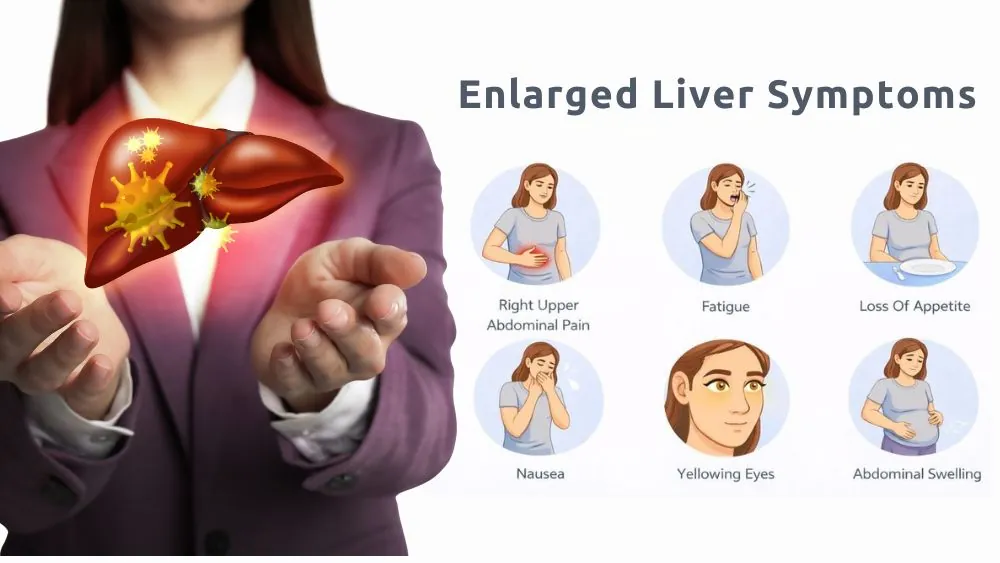
The symptoms of an enlarged liver vary depending on severity and cause. Early stages may feel mild, while advanced disease produces noticeable physical changes. Recognizing symptoms early improves treatment outcomes.
Right Upper Abdominal Pain Or Fullness
As the liver enlarges, it stretches its surrounding capsule. This stretching creates discomfort or a feeling of pressure under the right rib cage. Pain may worsen after eating heavy meals. This sensation is one of the earliest symptoms of an enlarged liver , especially in fatty liver and congestive liver conditions.
Fatigue And Weakness
The liver helps regulate energy, blood sugar, and toxin removal. When it struggles, energy levels drop. Fatigue linked to liver disease does not improve with rest alone. Persistent weakness is a key but often ignored symptom of an enlarged liver , particularly in chronic disease.
Loss Of Appetite And Nausea
An enlarged liver affects digestion by altering bile flow. This leads to early fullness, nausea, and reduced appetite. Fatty or fried foods often worsen symptoms. Digestive changes commonly appear as the liver continues to swell.
Jaundice And Itching
Jaundice causes yellowing of the skin and eyes due to bile buildup. Itching occurs because bile salts irritate nerve endings in the skin. These symptoms of an enlarged liver indicate impaired bile drainage and require immediate medical evaluation.
Abdominal Swelling
Fluid accumulation in the abdomen suggests reduced liver protein production and increased pressure in liver vessels. This sign often appears in advanced disease stages. Abdominal swelling signals serious progression and should never be ignored.
Is An Enlarged Liver Dangerous?
Whether hepatomegaly is dangerous depends on the cause, size, and duration. Some enlarged liver causes are reversible, while others progress silently.
When Enlarged Liver Is Mild
Mild enlargement often appears during early fatty liver disease or temporary infections. In these cases, lifestyle changes or short-term treatment may restore normal liver size. Regular monitoring ensures the condition does not worsen.
Warning Signs Of Serious Liver Disease
Serious Liver Disease Severe pain, confusion, easy bruising, internal bleeding, or sudden swelling indicate advanced liver damage. These signs reflect impaired detoxification and blood clotting. Such symptoms require urgent hospital care.
Complications Of Untreated Hepatomegaly
Untreated liver enlargement may progress to fibrosis (early scarring), cirrhosis (permanent scarring), liver failure, or cancer. Long-standing inflammation raises cancer risk significantly. Early identification of enlarged liver causes prevents irreversible complications.
Diagnosis Of Enlarged Liver
Doctors diagnose hepatomegaly through structured evaluation rather than symptoms alone.
Physical Examination Findings
Doctors gently press the abdomen to feel liver size, texture, and tenderness. A firm or irregular edge raises concern for chronic disease or tumors. Physical exams guide further testing but do not confirm the cause.
Blood Tests For Liver Function
Blood tests measure enzymes released when liver cells are damaged. Abnormal protein levels show impaired liver synthesis. Blood work helps narrow down an enlarged liver and track disease severity.
Ultrasound And Imaging Tests
Ultrasound is usually the first imaging choice. It shows fat, fluid, tumors, and bile duct blockages. CT and MRI scans provide detailed structural and vascular information. Imaging also helps rule out cancer and vascular disorders.
Liver Biopsy Indications
A biopsy removes a tiny tissue sample for microscopic examination. Doctors recommend a biopsy when imaging and blood tests cannot determine the cause. Biopsy confirms inflammation, fat levels, fibrosis, or cancer with high accuracy.
Treatment For Enlarged Liver
Treatment focuses on the root problem rather than liver size alone.
Treating The Underlying Cause
Managing diabetes, stopping alcohol, treating infections, or correcting blood flow problems reduces liver stress. As the course improves, liver size often decreases. Addressing an enlarged liver early prevents progression.
Lifestyle And Dietary Changes
Weight reduction lowers fat storage in liver cells. Balanced meals support liver repair and reduce inflammation. Physical activity improves insulin sensitivity. Lifestyle changes are essential for metabolic and fatty liver-related enlargement.
Medications And Medical Therapy
Doctors may prescribe antivirals, immune-modulating drugs, or supportive medications based on diagnosis. Medication choice varies by condition and patient profile. Self-treatment can worsen liver injury and should be avoided.
Monitoring And Follow-Up
Regular blood tests and imaging track liver response to treatment. Follow-up ensures early detection of complications or relapse. Long-term monitoring protects liver function.
Prevention Of Liver Enlargement
Preventive steps reduce the most common causes of an enlarged liver .
Limiting Alcohol Intake
Reducing alcohol prevents direct liver cell injury. Complete avoidance benefits those with existing liver disease. Alcohol control remains one of the most effective preventive measures.
Maintaining Healthy Body Weight
A healthy weight reduces fat delivery to the liver. Even modest weight loss improves liver enzyme levels and size. Sustained habits matter more than rapid changes.
Vaccination Against Hepatitis
Vaccination prevents hepatitis A and B infections. Preventing viral infections reduces future liver enlargement. Vaccination offers long-term protection.
Avoiding Unnecessary Medications
Using medications only when necessary limits toxic stress on the liver. Mixing drugs without guidance increases injury risk. Safe medication use preserves liver health.
FAQs
Can An Enlarged Liver Return To Normal Size?
Yes, an enlarged liver can return to normal size if the underlying cause is treated early. Fatty liver, infections, and alcohol-related enlargement often improve with proper care and lifestyle changes.
How Is an Enlarged Liver Detected?
Doctors detect hepatomegaly through physical exams, blood tests, and imaging such as ultrasound or CT scans. These tools confirm size changes and help identify an enlarged liver accurately.
What Are The Most Common Causes Of Liver Enlargement?
The most common causes of an enlarged liver include fatty liver disease, alcohol use, viral hepatitis, medication toxicity, and blood flow disorders affecting liver circulation.
Can Fatty Liver Cause An Enlarged Liver?
Yes, fat accumulation inside liver cells causes swelling and leads to a fatty, enlarged liver. This condition is now one of the leading causes of liver enlargement worldwide.
What Is The Difference Between Alcoholic And Non-Alcoholic Fatty Liver Enlargement?
Alcoholic fatty liver develops from alcohol use, while non-alcoholic fatty liver develops from obesity and insulin resistance. Both are common enlarged livers but require different management strategies.
Can Infections Cause the Liver To Enlarge?
Yes, infections such as viral hepatitis, bacterial abscesses, and parasites cause inflammation that enlarges the liver. These causes of enlarged liver infection often improve with timely treatment.
Which Viral Infections Are Linked to Enlarged Liver?
Hepatitis A, B, and C are the most common viral infections linked to hepatomegaly. Other systemic viral infections may also temporarily enlarge the liver.
Can Medications Cause Liver Enlargement?
Yes, certain medications strain liver metabolism and cause swelling. Doctors monitor liver function when prescribing drugs known to affect liver health.
Are Genetic or Metabolic Disorders Responsible For Enlarged Liver?
Yes, inherited metabolic disorders cause abnormal storage of fats, sugars, or metals in the liver. These conditions are well-established; an enlarged liver requires specialist care.
Can An Enlarged Liver Be a Sign of Cancer?
Yes, both primary liver cancer and cancer spreading from other organs can enlarge the liver. Imaging and biopsy help confirm whether cancer is present.
About The Author

Medically reviewed by Dr. Nivedita Pandey, MD, DM (Gastroenterology)
Dr. Nivedita Pandey is a U.S.-trained gastroenterologist and hepatologist with extensive experience in diagnosing and treating liver diseases and gastrointestinal disorders. She specializes in liver enzyme abnormalities, fatty liver disease, hepatitis, cirrhosis, and digestive health.
All content is reviewed for medical accuracy and aligned with current clinical guidelines.