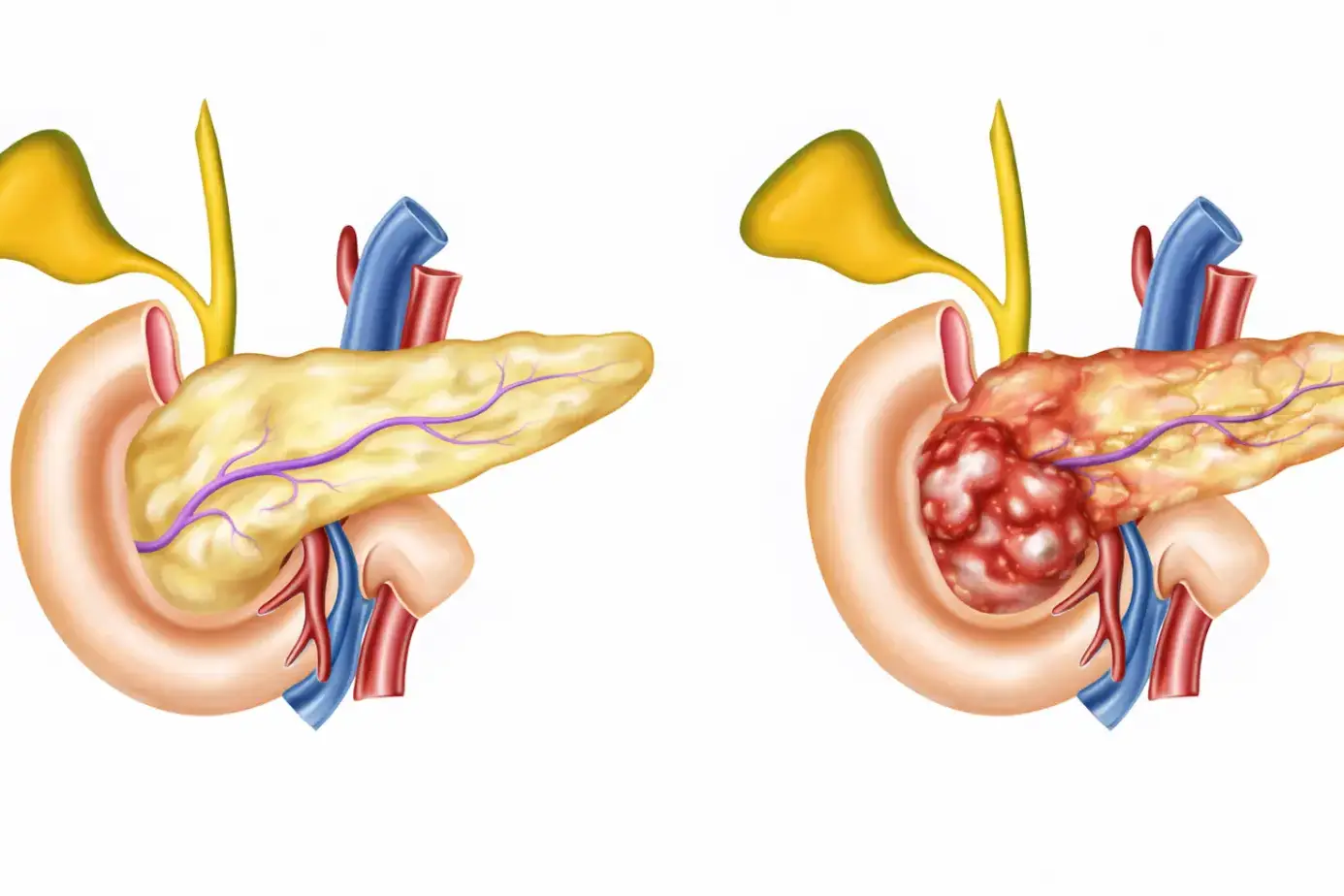
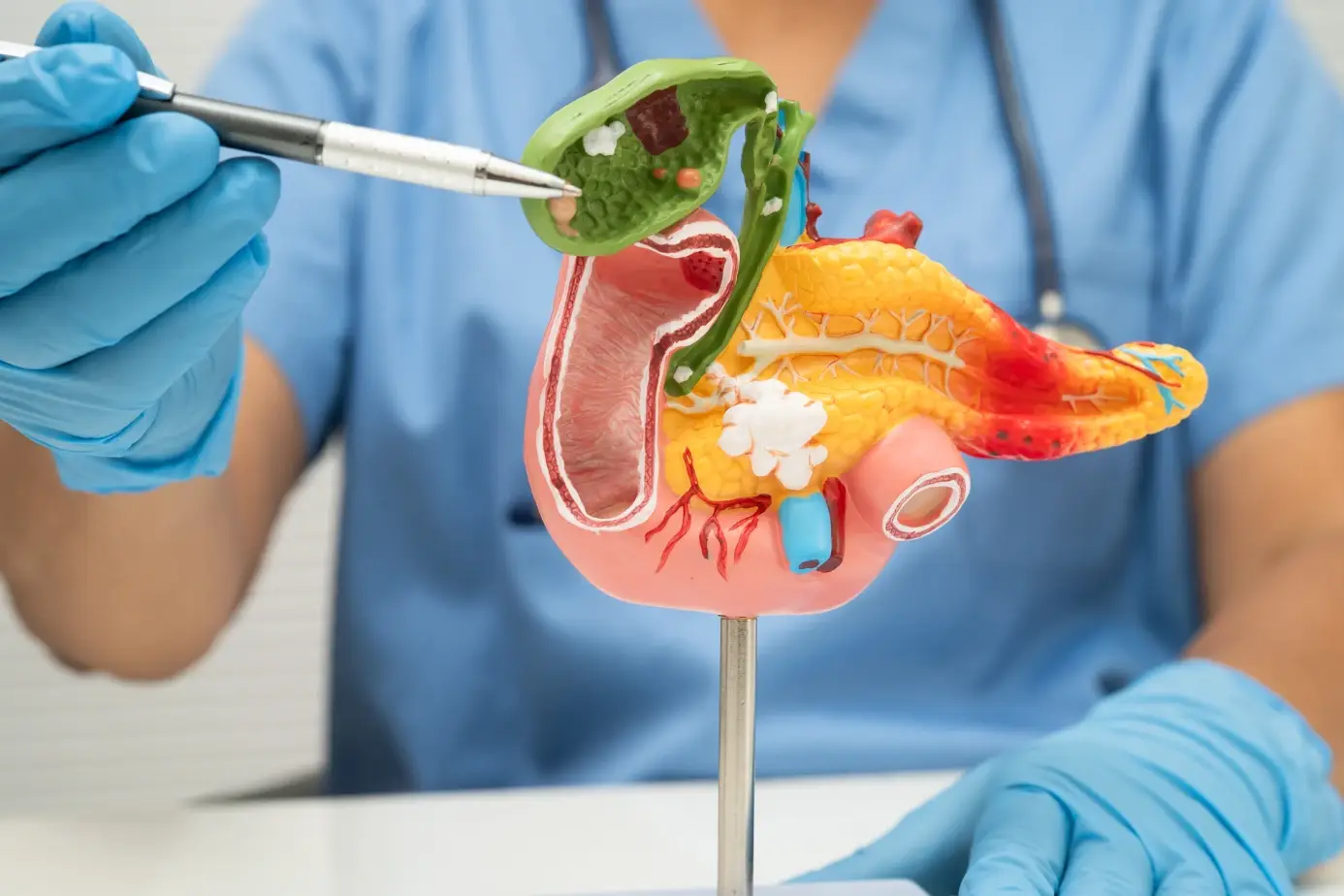
Early signs of liver damage appear when the liver struggles to clean blood, manage energy, and process nutrients. These signs often feel mild at first, which is why many people ignore them. Liver injury usually develops silently, long before pain or emergency symptoms occur. When you spot the warning signs early, lifestyle changes and medical care can slow or even stop progression.
The liver has strong repair ability, but that ability drops once scarring begins. Knowing symptoms early gives you control before permanent damage sets in.
15 Signs of Liver Damage
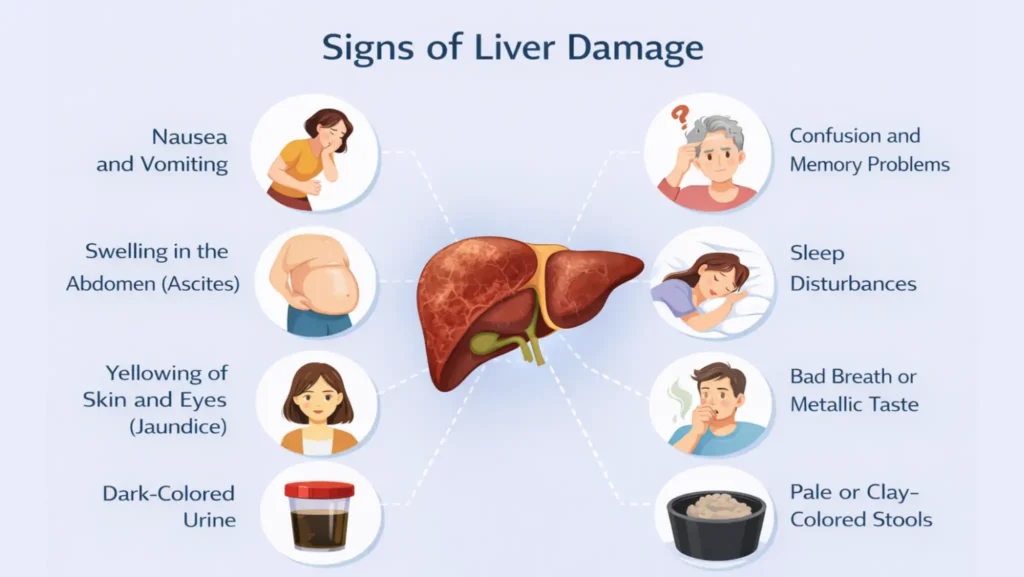
Liver injury affects energy, digestion, blood flow, hormones, and
at the same time. This is why symptoms appear across different body systems instead of one single area. The combination of these signs often matters more than one symptom alone.
Persistent Fatigue and Weakness
Constant tiredness is one of the most reported early signs of liver damage . Your liver helps store sugar for energy. When liver cells struggle, energy release drops. You may feel weak even after rest.
Loss of Appetite and Unexplained Weight Loss
Liver stress alters hunger signals and digestion. You may feel full after small meals. Unplanned weight loss happens because nutrients are not processed well.
Nausea and Vomiting
Toxins remain in the bloodstream longer when liver filtering slows. This irritates the stomach lining and triggers nausea, especially after eating fatty foods.
Abdominal Pain or Discomfort
Pain usually appears under the right rib cage. The liver stretches its outer covering when inflamed, causing pressure or dull pain.
Swelling in the Abdomen (Ascites)
Fluid can leak into the belly when liver pressure rises. This swelling often develops slowly and feels like tightness rather than pain.
Swelling in Legs and Ankles
The liver produces albumin, a protein that keeps fluid in blood vessels. Low albumin allows fluid to collect in lower limbs.
Yellowing of Skin and Eyes (Jaundice)
Bilirubin is a yellow waste product. When the liver cannot clear it, jaundice appears. This is a visible early signs of liver damage that needs testing.
Dark-Colored Urine
Excess bilirubin passes through urine, turning it dark brown or tea-colored even when you drink enough water.
Pale or Clay-Colored Stools
Stool color depends on bile flow. When bile cannot reach the intestines, stools lose their brown color.
Itchy Skin
Bile salts build up under the skin and irritate nerve endings. Scratching does not relieve the itch.
Easy Bruising and Bleeding
The liver makes clotting factors. When production drops, bruises appear after minor bumps and bleeding lasts longer.
Confusion and Memory Problems
Toxins like ammonia affect the brain when the liver fails to clear them. This leads to forgetfulness, slow thinking, or confusion.
Sleep Disturbances
Sleep cycles shift. Many people feel alert at night and sleepy during the day due to toxin buildup.
Red Palms or Spider-Like Blood Vessels
Hormone imbalance causes palm redness and small visible blood vessels on the skin surface.
Bad Breath or Metallic Taste
A sweet or metallic breath smell appears when toxins circulate in the blood and lungs.
What Causes Liver Damage
Liver damage usually develops from repeated stress rather than a single event. Alcohol, fat buildup, infections, medications, and immune reactions all harm liver cells through inflammation and toxin overload. Over time, this stress disrupts blood flow and cell repair.
Alcohol-Related Liver Damage
Alcohol directly injures liver cells. Frequent drinking overwhelms liver repair ability. Risk rises with daily use, binge patterns, and poor nutrition.
Fatty Liver Disease (NAFLD and AFLD)
Fat accumulates inside liver cells. Obesity, insulin resistance, and high triglycerides raise risk. Alcohol worsens fat-related injury even in small amounts.
Viral Hepatitis Infections
Hepatitis B and C cause long-term inflammation. Many infected people feel normal for years while damage quietly progresses.
Medication and Toxin-Related Liver Injury
High doses of common pain relievers can damage liver tissue. Herbal supplements and workplace chemicals also stress detox systems.
Autoimmune and Genetic Liver Conditions
The immune system may attack healthy liver cells. Some genetic conditions block normal bile flow or enzyme activity from birth.
Symptoms of Liver Damage
The liver supports digestion, hormone balance, and brain detoxification, so symptoms appear in multiple forms. Digestive upset, skin changes, mental slowing, and metabolic shifts often occur together. Severity depends on how much function is lost.
Digestive Symptoms of Liver Damage
These include bloating, gas, nausea, and fat intolerance. Poor bile flow makes digestion inefficient and uncomfortable.
Skin-Related Symptoms of Liver Dysfunction
Yellow skin, itching, spider veins, and bruising reflect bile buildup and hormone imbalance.
Neurological Symptoms Linked to Liver Damage
Confusion, slowed speech, poor focus, and mood changes occur when toxins affect brain cells.
Hormonal and Metabolic Symptoms
Men may notice breast tissue growth. Women may miss periods. Blood sugar control becomes unstable due to impaired glucose handling.
Can Liver Damage Be Reversed
Reversibility depends on whether liver cells are inflamed or replaced by scar tissue. Early injury can improve when the cause is removed, but advanced scarring limits recovery. Timing plays a larger role than treatment intensity.
Early-Stage Liver Damage and Reversibility
Inflammation and fat buildup are often reversible. Liver cells can regenerate when toxins, alcohol, or metabolic stress are removed. Blood tests often normalize within months if damage is caught early.
Lifestyle Changes That Support Liver Healing
Stopping alcohol completely is the most effective step. Gradual weight loss improves fat-related injury. Regular sleep, hydration, and balanced meals reduce metabolic strain on liver cells.
Medical Treatment for Reversible Liver Damage
Doctors treat liver infections, adjust medications, and manage blood sugar or cholesterol. Treatment focuses on removing stressors rather than forcing regeneration.
When Liver Damage Becomes Permanent
Advanced fibrosis and cirrhosis involve scar tissue that blocks blood flow. At this stage, treatment slows progression but cannot restore lost structure.
Stages of Liver Damage
Liver damage progresses in a predictable pattern from inflammation to scarring and then failure. Each stage reduces blood flow and detox capacity. Treatment effectiveness drops as structural damage increases.
Stage 1: Liver Inflammation
Cells swell due to injury or infection. Symptoms may be mild or absent. Treatment at this stage often leads to full recovery.
Stage 2: Liver Fibrosis
Scar tissue begins forming between healthy cells. Blood flow slows. Some reversal is possible if the cause is removed early.
Stage 3: Liver Cirrhosis
Scar tissue replaces large portions of the liver. Function drops sharply. Complications like fluid buildup and bleeding risk increase.
Stage 4: Liver Failure
The liver can no longer maintain essential tasks. Toxins build rapidly. This stage often requires transplant evaluation.
Diagnosis of Liver Damage
Doctors rely on patterns from blood tests, imaging, and clinical signs to assess severity and cause. Accurate diagnosis prevents unnecessary treatment or missed progression.
Blood Tests for Liver Function
Tests measure enzymes, bilirubin, clotting ability, and protein levels. Patterns matter more than single values.
Imaging Tests for Liver Damage
Ultrasound detects fat, swelling, and fluid. CT and MRI show scarring, blood flow changes, and structural damage.
Liver Biopsy and Advanced Diagnostics
A small tissue sample shows inflammation, fat, or fibrosis directly. Doctors reserve this for unclear cases or treatment planning.
Treatment Options for Liver Damage
Treatment focuses on stopping further injury rather than forcing rapid repair. Removing harmful triggers allows remaining healthy cells to liver function better. Long-term management reduces complications and slows decline.
Medical Treatment Based on Cause
Antiviral drugs target hepatitis. Immune-suppressing drugs treat autoimmune injury. Doctors adjust or stop harmful medications.
Diet and Lifestyle Management
Simple meals with fiber and lean protein reduce liver workload. Excess sugar and fried foods increase fat storage in liver cells.
Avoiding Alcohol and Liver Toxins
Alcohol worsens all stages of liver damage . Chemical exposure and unnecessary supplements add detox strain.
When to See a Doctor
Liver disease worsens quietly, so waiting for severe pain often delays care. Early evaluation improves outcomes and prevents sudden complications. Persistent or worsening symptoms should always be assessed.
Warning Signs That Need Urgent Care
Sudden jaundice, confusion, severe swelling, or vomiting blood require immediate medical attention.
Symptoms That Should Not Be Ignored
Persistent fatigue, dark urine, itching, or unexplained weight loss should trigger evaluation.
FAQs
What Are the Earliest Signs of Liver Damage?
The earliest signs include ongoing fatigue, appetite loss, mild nausea, and dark urine. These early signs of liver damage often appear before pain or visible swelling develops.
Can Liver Damage Occur Without Symptoms?
Yes. Many people have liver injury with no symptoms for years. Blood tests often detect damage before symptoms of liver damage appear.
What Causes Liver Pain Most Commonly?
Alcohol use and fatty liver disease are the leading causes of liver Pain , followed by viral hepatitis and medication-related injury.
Can Early Liver Damage Be Reversed?
Yes. When detected early, inflammation and fat buildup can improve with lifestyle changes and medical care before permanent scarring forms.
How Long Does It Take for Liver Damage to Develop?
Liver damage usually develops over years, but heavy alcohol use, toxins, or infections can accelerate progression through the stages of liver damage .
What Tests Confirm Liver Damage?
Doctors confirm damage using blood tests, imaging scans, and sometimes biopsy to assess severity and identify the cause.
Does Alcohol Always Cause Liver Damage?
Not always, but frequent or heavy use increases risk significantly. Genetics and nutrition also influence how alcohol affects the liver.
What Stage of Liver Damage Is Dangerous?
Cirrhosis and liver failure are the most dangerous stages of liver damage symptoms due to bleeding risk, infection, and toxin buildup.
Can Diet Improve Liver Damage?
Yes. Diet changes reduce fat accumulation and inflammation, especially in early disease linked to metabolic causes.
When Should You See a Doctor for Liver Symptoms?
You should see a doctor as soon as early signs of liver damage persist beyond a few weeks or worsen suddenly.
About The Author

Medically reviewed by Dr. Nivedita Pandey, MD, DM (Gastroenterology)
Dr. Nivedita Pandey is a U.S.-trained gastroenterologist and hepatologist with extensive experience in diagnosing and treating liver diseases and gastrointestinal disorders. She specializes in liver enzyme abnormalities, fatty liver disease, hepatitis, cirrhosis, and digestive health.
All content is reviewed for medical accuracy and aligned with current clinical guidelines.