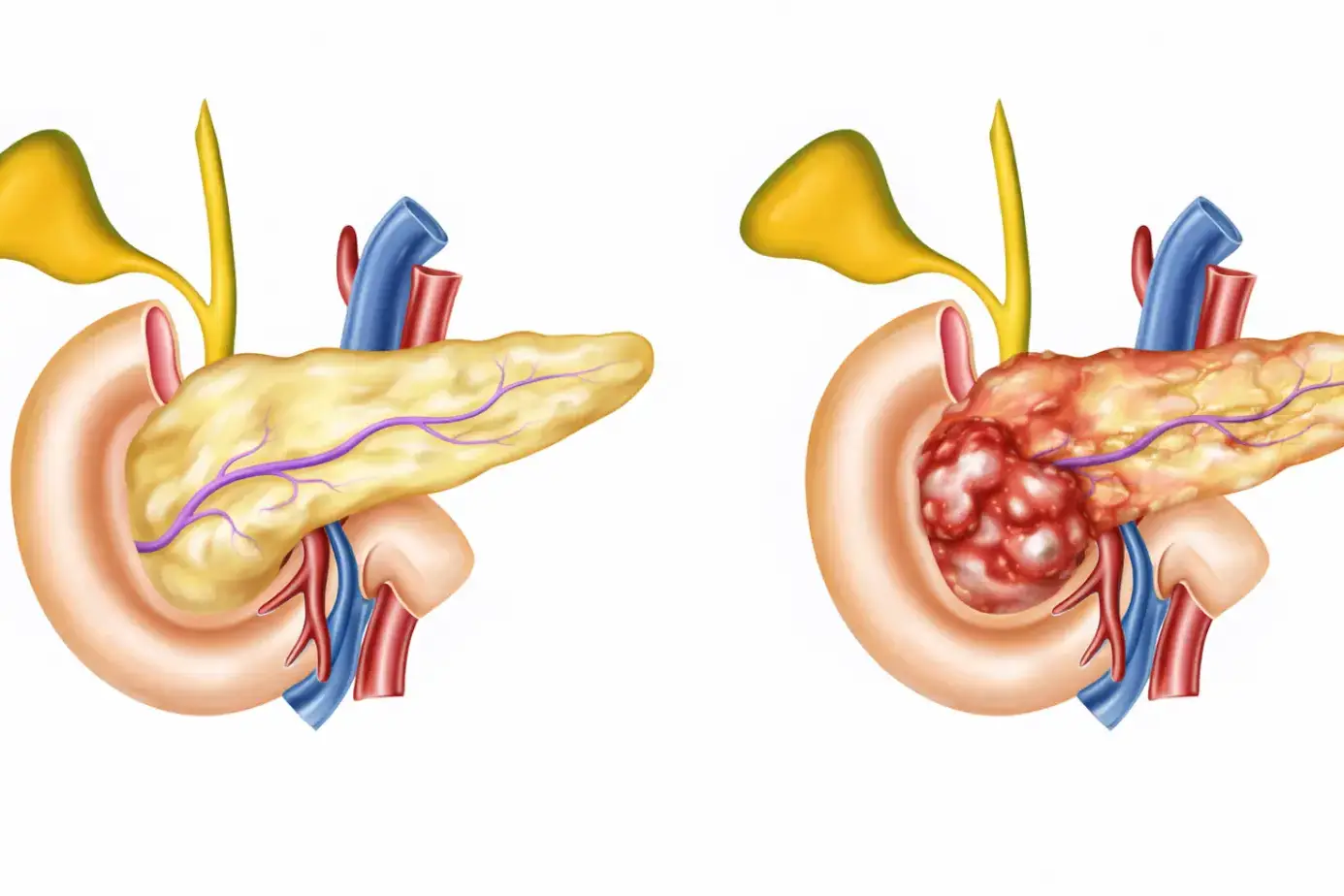
Alkaline phosphatase levels tell you how much of a key enzyme is in your blood right now. Most ALP comes from your liver, your bile ducts (the tubes that carry bile), and your bones. A single ALP number cannot name the exact problem by itself, so doctors read it with your symptoms and other labs. An ALP test alone cannot identify the source, so other tests often follow.
What Is Alkaline Phosphatase (ALP)?
ALP is an enzyme, which means it helps chemical reactions run smoothly. You make ALP in several places, but your liver and bones contribute the most. Several ALP types, including liver, bone, intestinal, and placental forms. That mix explains why alkaline phosphatase levels can change even when you feel fine.
Role Of ALP In Liver, Bone, And Bile Ducts
In the liver area, ALP rises when bile flow slows down or gets blocked. Bile is a digestive fluid, and it must move through tiny channels and larger ducts. When the duct lining gets stressed, more ALP enters your blood.
In bones, ALP rises when bone-building cells work harder, such as during growth or repair. That same biology can raise alkaline phosphatase levels during a teen growth spurt or after a fracture.
ALP Levels In Blood Test
What The Alkaline Phosphatase Blood Test Measures
Your lab reports ALP as enzyme activity, usually in units per liter. Many portals show it beside other liver markers and flag it as high or low. Because ALP can come from the liver or the bone, the number needs context.
Abnormal ALP may link to liver disease, bone disorders, and other conditions. When you see ALP levels in blood test results, treat them as a starting clue, not a final answer.
When Doctors Order An ALP Test
Doctors often order ALP when you have signs that point toward bile flow trouble. These signs can include yellow skin, dark urine, pale stools, or strong itching. Doctors also order ALP when you have bone pain, repeated fractures, or bone weakness.
A detail that surprises many people involves meals and blood type. Eating a fatty meal can raise ALP in people with blood type O or B. That kind of small lab shift matters when your rise looks mild and you feel well.
ALP Test As Part Of Liver Function Tests
ALP often comes with ALT, AST, bilirubin, and sometimes GGT. This group helps doctors sort liver-cell injury from bile-duct stress. Liver function tests need careful reading because abnormal results do not always mean liver disease. If alkaline phosphatase levels rise and ALT stays normal, your clinician may think about the bile ducts or bone first.
Alkaline Phosphatase Normal Range By Age
Normal ALP Range In Adults
There is no single universal “normal” ALP number. Each lab sets a reference range based on its method and local population. Adult ranges often sit around 30 to 120 IU/L or 44 to 147 IU/L, but your lab report matters most. Foods, drinks, and medicines can shift results, so your team may give prep instructions. When you track alkaline phosphatase levels , use the same lab when possible.
Normal ALP Levels In Children And Adolescents
Kids and teens often have higher ALP because their bones grow fast. Bone-building cells release more ALP during growth and remodeling (bone change). So higher alkaline phosphatase levels can match normal development, especially during puberty. This pattern becomes clearer when other liver markers look normal.
Age-Related And Pregnancy-Related Variations
Pregnancy can raise ALP because the placenta makes its own ALP type. Placental ALP, among the major forms, is found in serum. So a late-pregnancy rise can look scary on paper, but it can fit normal physiology. Your clinician still checks symptoms and other labs, because pregnancy can also bring liver conditions that need care.
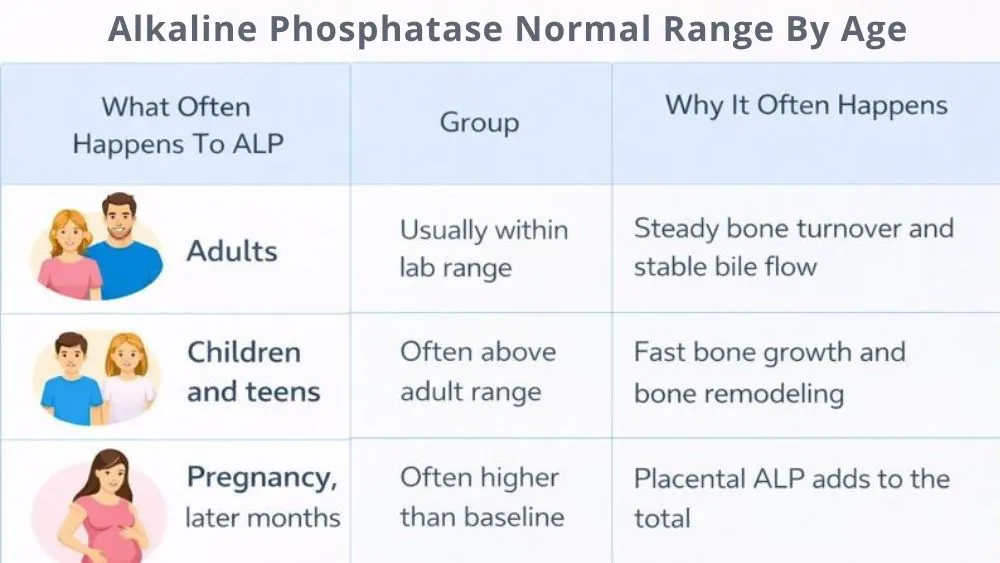
Here is a quick guide that helps when you skim. Your lab may use different cutoffs, so treat these as typical patterns, not fixed rules.
| Group | What Often Happens To ALP | Why It Often Happens |
| Adults | Usually within lab range | Steady bone turnover and stable bile flow |
| Children and teens | Often above adult range | Fast bone growth and bone remodeling |
| Pregnancy, later months | Often higher than baseline | Placental ALP adds to the total |
This table supports alkaline phosphatase normal range by age without locking you into one lab’s numbers.
Alkaline Phosphatase Test Results
How To Read ALP Values On A Lab Report
Start with the reference range printed on your report. Then look at nearby tests, especially bilirubin, ALT, AST, and GGT. ALP can rise from liver or bone conditions, so symptoms and history guide the next step. If alkaline phosphatase levels rise after a new medicine, share that timing with your clinician.
Mild Vs Significant ALP Elevation
Mild rises often come from temporary issues, meals, alcohol use, or healing bone. A big meal just before the test can cause a small, brief rise in ALP. Avoid alcohol for at least 24 hours before testing, because regular alcohol use can raise ALP. Those details can explain mild changes in alkaline phosphatase levels .
Higher or persistent rises push doctors to separate liver causes from bone causes. A well-known clinical step uses GGT or 5′-nucleotidase. These enzymes rise in hepatobiliary (liver and bile duct) disease and help confirm the ALP source. This step matters because a “high ALP” label alone cannot tell you where to look.
When Repeat Testing Is Needed
Repeat testing makes sense when you have a mild rise and no warning symptoms. It also helps after you stop alcohol, adjust a medicine, or recover from a short illness. If alkaline phosphatase levels stay high on repeat tests, your clinician may order tests that split ALP into types. An ALP isoenzyme test that can help separate bone-related and liver-related sources.
If you ate a fatty meal and you have blood type O or B, ALP may rise for that reason alone. That does not erase risk, but it can shape how your clinician reads your result.
High Alkaline Phosphatase Causes
Liver And Bile Duct Conditions
When bile cannot flow well, your liver releases more ALP. Bile is a digestive fluid that drains through ducts. A blockage often raises alkaline phosphatase levels more than ALT or AST. Common bile-flow problems include gallstones, bile duct narrowing, and bile duct swelling.
Some autoimmune liver diseases can also slow bile flow. Primary biliary cholangitis (immune attack on small ducts) often shows a cholestatic pattern. That pattern means ALP rises higher than liver-cell enzymes. Primary sclerosing cholangitis can also raise ALP and cause duct scarring. Doctors often pair ALP with GGT to confirm a bile-duct source.
Liver tumors and spread from other cancers can raise ALP, too. Doctors look for weight loss, loss of appetite, and persistent pain. They also use imaging, not blood tests alone. You should not assume cancer from one abnormal result. You should treat it as a reason for careful follow-up.
Bone Disorders Causing High ALP
Bones release ALP when bone-building cells work harder. A healing fracture can raise alkaline phosphatase levels for weeks. Osteomalacia (soft bones from low vitamin D or poor minerals) can raise ALP.
Paget’s disease can raise ALP because bone turnover speeds up. Bone spread from cancer can also raise ALP in some cases. Doctors use symptoms, X-rays, and special markers to confirm bone. They may also order a bone-specific ALP test.
Pregnancy, Growth Spurts, And Benign Causes
Children and teens often show higher ALP during rapid growth. That rise fits the alkaline phosphatase normal range by age patterns. Pregnancy can raise ALP because the placenta makes ALP, too. After a heavy meal, ALP may rise slightly in some people. Mild rises can also appear after intense exercise or recent illness. These benign reasons still need context and repeat testing.
Medications Linked To Raised ALP
Some medicines can stress the liver or slow bile flow. Certain seizure medicines, antibiotics, and hormone treatments can raise ALP. Some herbal supplements can also affect liver labs. You should share every pill and supplement with your clinician. Do not stop medicines without medical advice.
Low Alkaline Phosphatase Levels
Nutritional Deficiencies Linked To Low ALP
low alkaline phosphatase levels can appear when your body lacks key nutrients. Low zinc can lower ALP activity in the blood. Low magnesium can also reduce enzyme function. Very low protein intake can affect enzyme production over time. Poor absorption can cause these deficits even with normal eating. Doctors may check nutrition labs when ALP stays low.
Hypothyroidism And Genetic Causes
Hypothyroidism means low thyroid hormone, which slows body processes. Some people with hypothyroidism show low alkaline phosphatase levels on routine labs. A rare genetic condition, hypophosphatasia, can cause very low ALP. It can lead to weak bones, dental issues, or stress fractures. Doctors confirm it using symptoms and specialized testing.
When Low ALP Is Clinically Significant
A one-time low ALP often has little meaning by itself. Persistently low ALP needs a deeper look, especially with bone pain. It matters more when you have fractures, tooth loss, or muscle weakness. Doctors usually repeat testing and check for nutrition problems. They also review thyroid tests and family history.
ALP Levels And Liver Health
ALP Vs AST And ALT Differences
ALT and AST rise when liver cells are injured. ALP rises more when the bile ducts get irritated or blocked. This difference helps doctors interpret alkaline phosphatase levels in context. If ALP rises with high bilirubin, bile obstruction becomes more likely. If ALT rises far more than ALP, hepatitis becomes more likely.
ALP Patterns In Cholestasis
Cholestasis means reduced bile flow through the liver or ducts. In cholestasis, ALP often rises with High GGT and bilirubin. Symptoms can include itching, pale stools, and dark urine. Some people also feel fatigue and right-sided belly discomfort. Doctors may order an ultrasound as a first imaging step.
When High ALP Suggests Gallbladder Disease
Gallstones can block the common bile duct and raise ALP. You may feel sudden right upper belly pain after fatty meals. Nausea, fever, or yellow skin needs urgent evaluation. A clinician may order an ultrasound and repeat liver tests quickly. Do not ignore severe pain with vomiting or fever.
ALP Levels And Bone Health
ALP In Bone Growth And Remodeling
Bone constantly rebuilds, even in adults. Osteoblasts build bone and release ALP during that work. So alkaline phosphatase levels reflect bone activity as well as liver activity. Higher ALP can appear during puberty or after a bone injury.
Osteomalacia, Paget’s Disease, And Fractures
Osteomalacia is often linked to low vitamin D, low calcium, or poor absorption. You might notice bone pain, weakness, or frequent fractures. Paget’s disease can cause bone pain, bone shape changes, and hearing issues. Fractures raise ALP during healing, even with normal health. Doctors confirm these causes using imaging and mineral tests.
Distinguishing Bone ALP From Liver ALP
Doctors often use GGT to check if ALP comes from the liver. A normal GGT can point toward a bone source. An ALP isoenzyme test can split ALP types more directly. Your symptom pattern also matters for the final call.
How To Prepare For An ALP Blood Test
Fasting Requirements
Many labs do not require fasting for ALP alone. Some panels require fasting because they include cholesterol or glucose. You should follow your lab’s instructions exactly. If you ate a heavy meal, tell the clinician before testing.
Medications That Affect ALP Results
Bring a list of all medicines, vitamins, and herbal products. Some items can shift ALP levels in blood test results. Your clinician may ask you to pause nonessential supplements briefly. Do not pause prescription medicines without guidance.
Best Time To Test ALP Levels
Morning testing helps when fasting labs are needed. Using the same lab improves trend tracking for alkaline phosphatase levels . Try to keep similar routines before repeated tests.
When To See A Doctor For Abnormal ALP Levels
Symptoms That Need Urgent Evaluation
Seek urgent care for severe belly pain with fever or vomiting. Seek urgent care for yellow skin, confusion, or fainting. Call quickly for dark urine with pale stools, and strong itching. These signs can suggest bile blockage or serious liver stress.
Persistently High Or Low ALP Values
A mild one-time rise may resolve on its own. Persistently high alkaline phosphatase levels need evaluation for liver, bile duct, and bone causes. Persistently low alkaline phosphatase levels also need a workup, especially with bone symptoms. Doctors rely on patterns, not a single number.
Follow-Up Tests After Abnormal ALP
Follow-up often includes ALT, AST, bilirubin, and GGT tests. Bone workups may include vitamin D, calcium, phosphate, and thyroid tests. Imaging may include ultrasound for the bile ducts or X-rays for bone disease. Your clinician may also order an isoenzyme test for clarity.
FAQs
What Is The Normal Alkaline Phosphatase (ALP) Range?
Your normal range depends on your lab’s method and reference group. Adults often fall within a listed range on your report. You should compare your value to that range and track trends in alkaline phosphatase levels across time.
Do Normal ALP Levels Vary By Age And Gender?
Yes, normal ALP varies with age because bones change over time. Children and teens often show higher values during growth. Pregnancy can raise ALP due to placental ALP. These patterns fit the alkaline phosphatase normal range by age guides used in labs.
Why Are ALP Levels Higher In Children And Adolescents?
Bone growth speeds up during childhood and puberty. Bone-building cells release ALP when they form new bone. That process raises alkaline phosphatase levels even with normal liver health. Doctors confirm normal growth by checking symptoms and other labs.
Can Pregnancy Cause Elevated ALP Levels?
Yes, pregnancy can raise ALP, especially later in pregnancy. The placenta makes ALP that enters your bloodstream. Your clinician still checks symptoms and other liver tests. They separate normal pregnancy changes from cholestasis of pregnancy when itching appears.
What Does A High ALP Level Indicate?
High ALP can point toward bile-duct stress or increased bone turnover. It can also reflect normal growth, pregnancy, or fracture healing. Doctors interpret alkaline phosphatase levels with ALT, AST, bilirubin, and GGT. This approach narrows the true causes of high alkaline phosphatase .
What Liver Conditions Cause High Alkaline Phosphatase?
Bile duct blockage from gallstones can raise ALP quickly. Autoimmune bile duct diseases can raise ALP for months. Some liver tumors can also raise ALP. Doctors confirm liver-related causes of high alkaline phosphatase using imaging and follow-up labs.
Can Gallbladder Or Bile Duct Problems Raise ALP Levels?
Yes, gallstones and duct narrowing can block bile flow. That blockage can raise alkaline phosphatase levels more than ALT or AST. Pain after fatty meals, fever, or jaundice needs urgent care. Ultrasound often helps find the cause quickly.
Which Bone Disorders Are Associated With High ALP?
Paget’s disease, osteomalacia, and healing fractures can raise ALP. Some bone cancers or bone metastases can also raise it. Doctors separate bone from liver sources using symptoms and tests. Bone-related causes of high alkaline phosphatase often pair with normal GGT.
Can Medications Increase Alkaline Phosphatase Levels?
Yes, some medicines and supplements can raise ALP by stressing liver function. Seizure medicines, some antibiotics, and hormones can affect ALP levels in blood test results. You should share every product you take with your clinician. Never stop prescription drugs without medical guidance.
What Does A Mildly Elevated ALP Level Mean?
A mild rise can happen from meals, alcohol use, or recent exercise. It can also follow fracture healing or a short illness. Doctors often repeat testing to confirm the pattern. Mild changes in alkaline phosphatase levels still need context and follow-up.
About The Author

Medically reviewed by Dr. Nivedita Pandey, MD, DM (Gastroenterology)
Dr. Nivedita Pandey is a U.S.-trained gastroenterologist and hepatologist with extensive experience in diagnosing and treating liver diseases and gastrointestinal disorders. She specializes in liver enzyme abnormalities, fatty liver disease, hepatitis, cirrhosis, and digestive health.
All content is reviewed for medical accuracy and aligned with current clinical guidelines.