A gluten free diet means avoiding foods that contain gluten, a protein found in wheat, rye, and barley. For some, it is a medical necessity. For others, it is a choice to feel better.
What makes this eating style powerful is not just the foods you remove but how carefully you plan what you eat instead. Many beginners start with confusion, unsure about grains, snacks, and eating out. This guide takes away the guesswork. It explains everything you need, from a full gluten free meal plan to shopping tips.
What Is A Gluten-Free Diet?
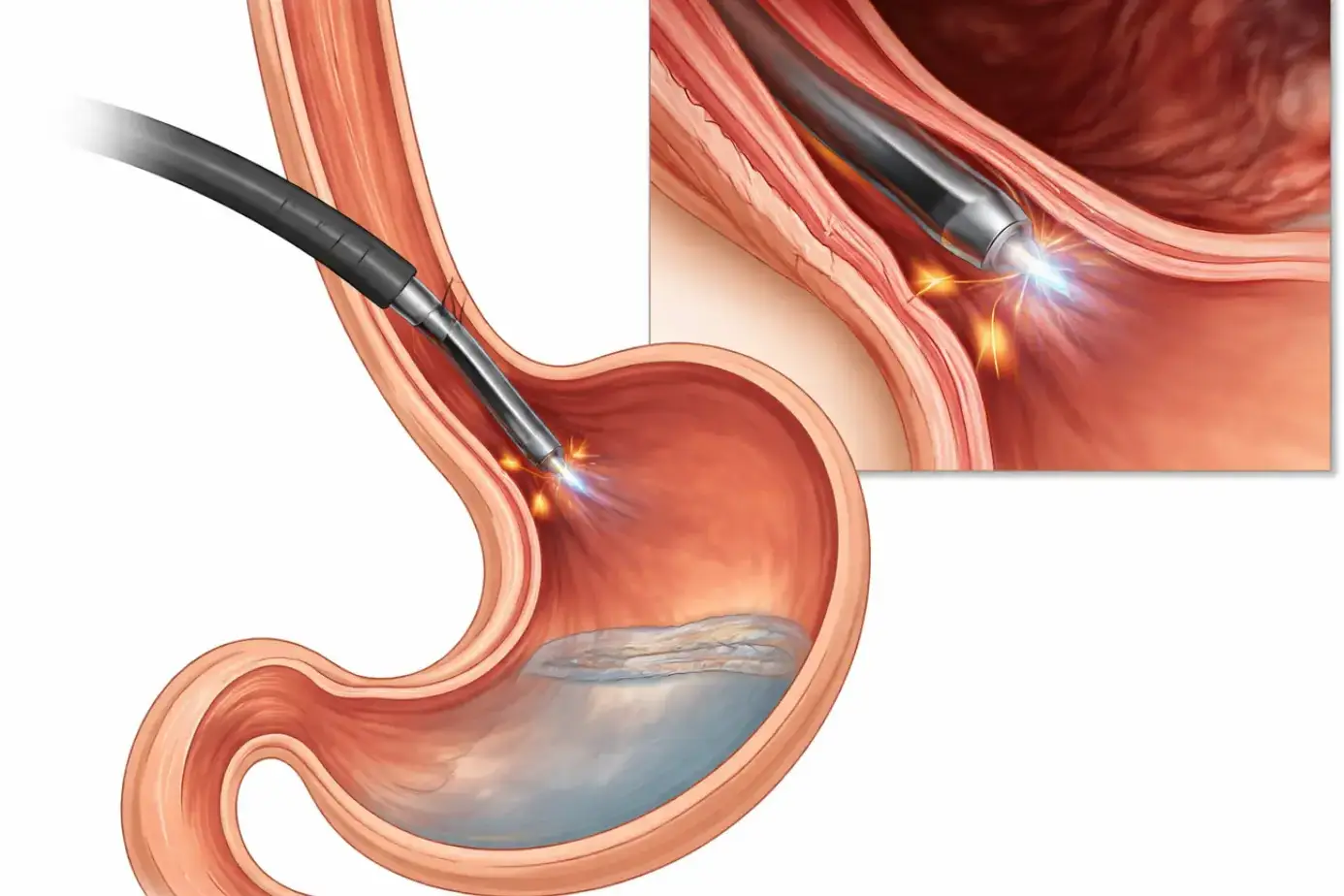
A gluten free diet eliminates gluten, the sticky protein that helps dough rise. Gluten is harmless for most people. However, for those diagnosed with Celiac disease, gluten adversely affects the lining of the small intestine. Even crumbs can trigger inflammation. A diet plan for celiac disease is essential; it serves as a strict medical intervention.
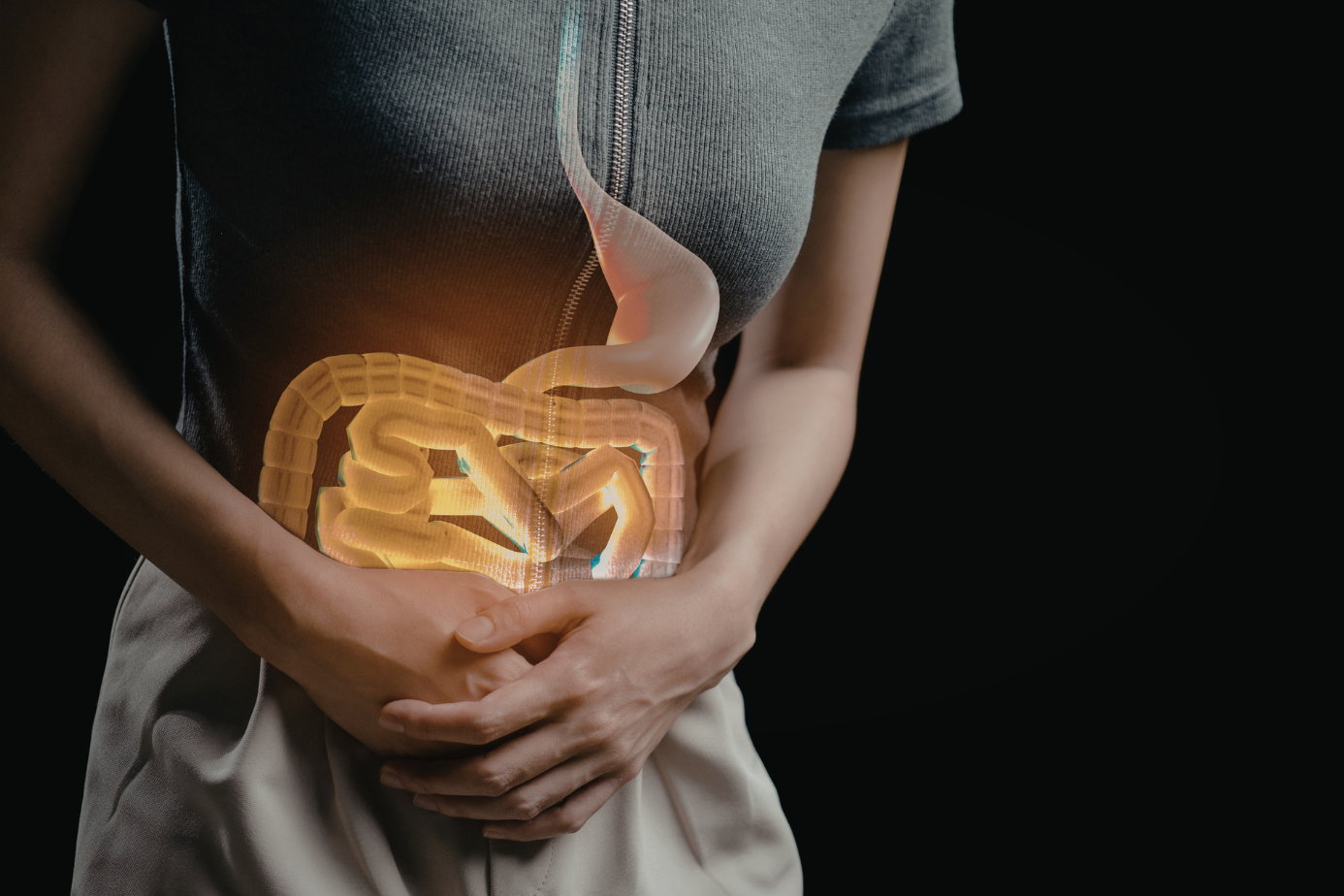
Some people without celiac disease report bloating, stomach pain, or fatigue after eating gluten. This is known as non-celiac gluten sensitivity. Others may follow a gluten-free lifestyle by choice, seeking fewer processed foods or better digestion.
In every case, it is more than removing bread. It requires planning to ensure enough nutrients like fiber, folate, zinc, and iron.
Who Should Eat A Gluten-Free Diet?
Three main groups benefit from a gluten free diet. First, those diagnosed with Celiac disease. Second, those with Wheat allergy, where even small exposure may trigger hives, breathing issues, or stomach cramps. Third, those with gluten-related disorders like sensitivity or dermatitis herpetiformis, a skin rash linked to gluten.
A real example helps. Picture a person with celiac disease indulging in a slice of pizza. Even one bite may damage the intestine, leading to symptoms (bloating, diarrhea, constipation, etc.) within hours. The only safe solution is full elimination. If you feel better without gluten but have not been tested, ask a doctor first. Removing gluten before tests makes diagnosis harder.
Foods To Avoid On A Gluten-Free Diet

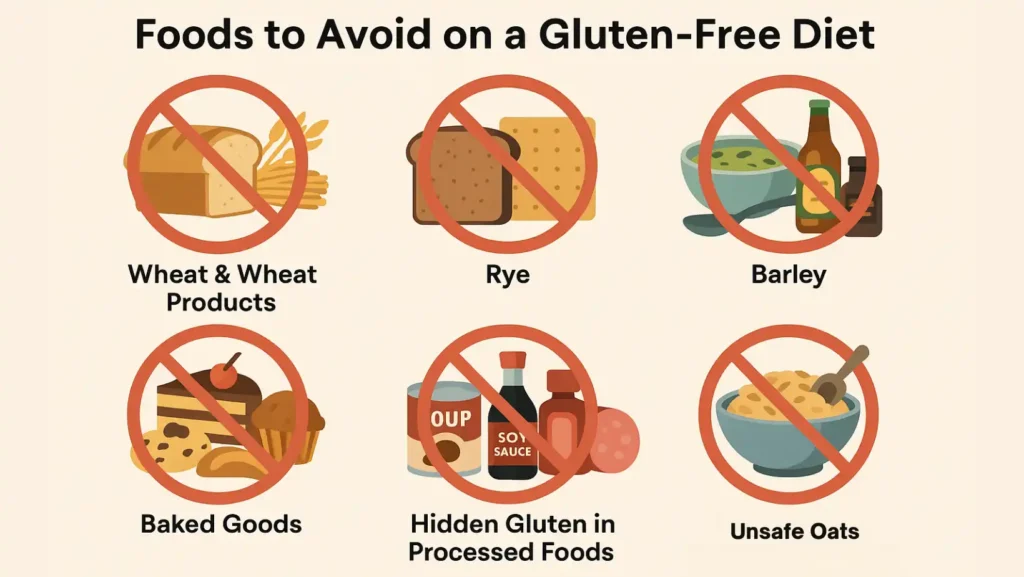
The biggest challenge for beginners is knowing which foods to avoid. Gluten hides in plain sight, not just in obvious breads and pastas.
You must avoid:
- Wheat flours, semolina, spelt, durum, farro, graham
- Rye in breads, crackers, cereals
- Barley in soups, beer, malt vinegar
- Most baked goods (including cakes, cookies, muffins, and pastries) should be avoided unless they are specifically labeled gluten-free.
- Packaged soups, sauces, soy sauce, and seasoning mixes
- Processed deli meats where there is hidden gluten in processed foods
Even oats can be unsafe unless labeled Oats (gluten-free if labeled) because they are often contaminated during farming. The guideline is straightforward: if a product’s label does not indicate gluten-free, do not presume it is safe.
Be careful with cross-contamination gluten, such as crumbs in a toaster or flour dust in a shared kitchen.
What To Eat On A Gluten-Free Diet
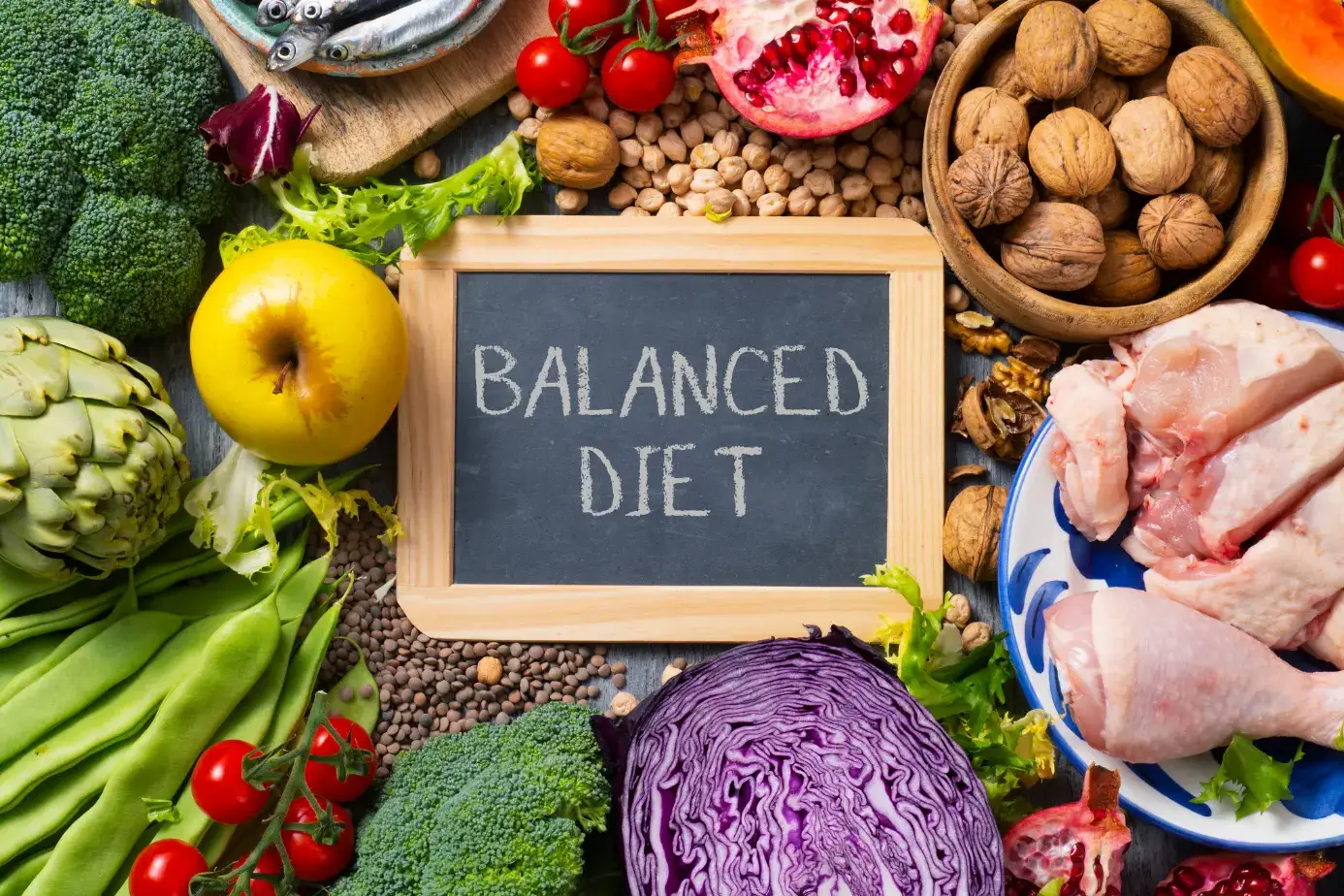
The exciting part is knowing what to eat on a gluten free diet. Fortunately, many foods are naturally safe. Consider incorporating fresh fruits, vegetables, meats, eggs, and fish into your diet. Whole, unprocessed items rarely contain gluten.
For grains, you can enjoy Rice (brown rice, wild rice, etc.), Quinoa, millet, sorghum, and buckwheat. These are rich in fiber and minerals. To make life easier, brands now offer gluten-free substitutes (bread, pasta, flour) so you can still enjoy pizza or sandwiches. For breakfast, gluten-free oats or chia pudding work well. Snacks like popcorn, roasted chickpeas, or fruit are safe.
When planning meals, always focus on balance. Include protein, fiber, and healthy fats. For example, grilled chicken with quinoa and steamed vegetables is satisfying and safe. A smoothie made with spinach, berries, and yogurt presents another viable option.
Gluten-Free Foods List
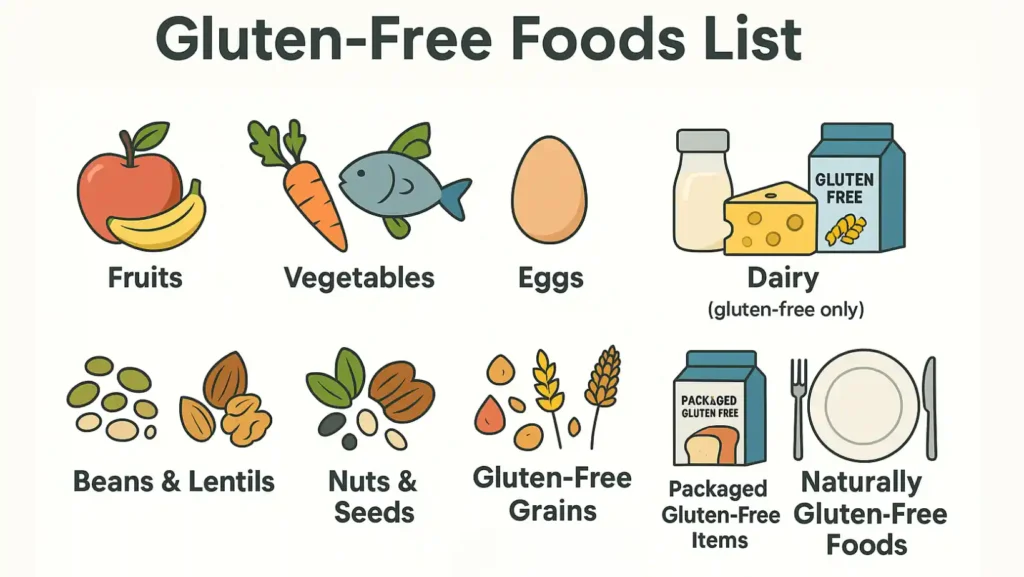
Here is a practical gluten free foods list you can trust:
- Fresh fruits like apples, bananas, and oranges
- Fresh vegetables like spinach, carrots, and broccoli
- Plain meats, poultry, and seafood
- Eggs, a versatile protein source
- Dairy products (such as milk, yogurt, and cheese) should be avoided unless they are free from gluten thickeners.
- Beans and lentils for fiber
- Naturally gluten-free foods (fruits, vegetables, rice, quinoa, buckwheat)
- Nuts and seeds
- Whole grains that are gluten-free include options like millet, amaranth, and sorghum.
- Packaged items with clear gluten-free labeling, such as pasta made from corn or rice
Remember, safe foods are simple foods. The fewer ingredients on a label, the better.
Sample Gluten-Free Meal Plan For Beginners
Here is a complete 7-day gluten free diet plan. It helps beginners build confidence and structure.
Monday
- Breakfast: Omelet with spinach and tomato
- Lunch: Quinoa salad with chickpeas and cucumber
- Dinner: Baked chicken with roasted carrots and wild rice
Tuesday
- Breakfast: Gluten-free oats with almond butter and berries
- Lunch: Tuna salad with lettuce wraps
- Dinner: Shrimp stir-fry with buckwheat noodles and vegetables
Wednesday
- Breakfast: Smoothie with banana, spinach, and yogurt
- Lunch: Lentil soup with gluten-free corn tortillas
- Dinner: Grilled salmon with steamed broccoli and quinoa
Thursday
- Breakfast: Chia pudding topped with mango
- Lunch: Turkey roll-ups with gluten-free crackers
- Dinner: Roast beef, mashed potatoes, and sautéed green beans
Friday
- Breakfast: Cottage cheese with sliced peaches
- Lunch: Brown rice bowl with beans, salsa, and avocado
- Dinner: Baked cod with roasted zucchini and millet
Saturday
- Breakfast: Scrambled eggs with mushrooms
- Lunch: Grilled vegetable platter with quinoa
- Dinner: Gluten-free pasta with tomato sauce and chicken meatballs
Sunday
- Breakfast: Fresh fruit bowl with Greek yogur
- Lunch: Chicken curry with rice (use gluten-free spices)
- Dinner: Roast chicken with sweet potatoes and salad
This meal plan offers flexibility for those new to gluten-free eating. You can swap proteins, grains, and vegetables as needed.
Possible Health Benefits Of A Gluten-Free Diet
The primary benefit is healing the intestine in celiac disease. Symptoms like fatigue, bloating, and diarrhea improve. In non-celiac sensitivity, stomach pain and brain fog may be reduced. Some people feel lighter, with fewer headaches and more energy. Following a balanced gluten-free diet may also reduce inflammation.
Can You Lose Weight By Going Gluten-Free?
Weight loss is possible but not guaranteed. If you replace bread, pastas, and cakes with whole foods, you may lose weight. But eating calorie-dense gluten-free snacks can prevent progress. Always focus on nutrient-rich foods.
Potential Downsides Of A Gluten-Free Diet
Risk Of Nutritional Deficiencies
Wheat products supply fiber and B vitamins. Cutting them increases risk of low iron, folate, zinc, and B vitamins. Work with a Registered dietitian to prevent nutritional deficiency.
Constipation
Many gluten-free processed foods lack fiber. This leads to constipation. Combat this with beans, fruits, vegetables, and gluten-free whole grains.
Higher Cost Of Gluten-Free Foods
Packaged gluten-free breads and pastas are often expensive. Relying on whole foods reduces cost. Cook at home to save money.
Difficulties When Socializing
Socializing / eating out can be stressful. Many restaurants use flour to thicken sauces or dust pans. Communicate clearly, research menus in advance, and bring a safe snack when traveling.
Gluten-Free Diet Tips For Beginners
- Learn label reading as a skill. Ingredients like malt, hydrolyzed wheat protein, or modified food starch may contain gluten.
- Stock your pantry with staples like rice, quinoa, and naturally gluten-free flours.
- Avoid shared cutting boards and toasters to reduce cross-contamination gluten.
- Add protein by planning high-protein gluten-free meals such as eggs with quinoa salad.
- Rotate grains to ensure variety, choosing whole grains gluten-free options like millet and sorghum.
- Always plan ahead when dining out to reduce stress.
- Aim for colorful meals. More colors on your plate mean more nutrients.
The Bottom Line
A gluten free diet for beginners feels complex at first but becomes simple with planning. Focus on real foods, prepare meals at home, and use safe substitutes when needed. The key is balance. A strong plan ensures enough protein, fiber, and vitamins without relying on expensive packaged foods. This eating style is not just removing gluten, it is building a lifestyle where health and flavor coexist.
FAQs
What should I eat when starting a gluten-free diet?
Eat simple foods like fruits, vegetables, meats, eggs, rice, and quinoa. Avoid packaged foods unless labeled gluten-free. Build meals with balanced nutrients and fiber to prevent deficiencies.
Are eggs high in gluten?
Eggs are naturally gluten-free and safe to eat. They provide high-quality protein, vitamins, and minerals. Unless cooked with gluten-containing sauces, eggs can be included daily.
Can you eat rice if you’re gluten-free?
Yes, rice is naturally gluten-free. Brown rice and wild rice are excellent sources of fiber and nutrients. Always choose plain rice to avoid sauces that may contain gluten.
What happens to your body when you stop eating gluten?
In celiac disease, the gut begins to heal, and symptoms improve. Non-celiac sensitivity may see reduced bloating and fatigue. Nutrient absorption improves with time if the diet is balanced.
What are the worst foods for gluten?
Wheat bread, rye bread, barley soups, and baked goods like cakes, cookies, muffins, and pastries. These are high in gluten and unsafe for individuals with gluten-related disorders.
Is peanut butter gluten-free?
Most plain peanut butter is gluten-free. Flavored versions may contain additives. Always check the ingredient label carefully. Choose brands that carry a gluten-free certification for extra safety.
What foods contain hidden gluten?
Processed foods such as soups, salad dressings, soy sauce, deli meats, and sauces often contain hidden gluten. Always read labels and contact the manufacturer if you are unsure.
About The Author

Medically reviewed by Dr. Nivedita Pandey, MD, DM (Gastroenterology)
Dr. Nivedita Pandey is a U.S.-trained gastroenterologist and hepatologist with extensive experience in diagnosing and treating liver diseases and gastrointestinal disorders. She specializes in liver enzyme abnormalities, fatty liver disease, hepatitis, cirrhosis, and digestive health.
All content is reviewed for medical accuracy and aligned with current clinical guidelines.